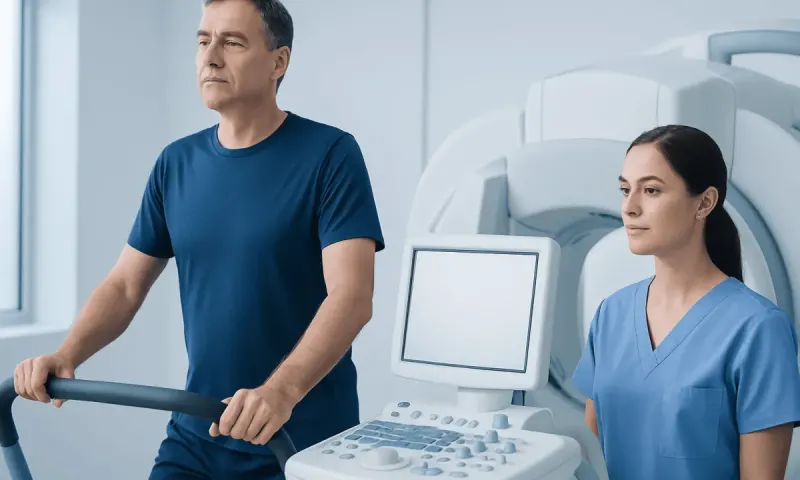
TMT Test: What Happens During a Heart Stress Test
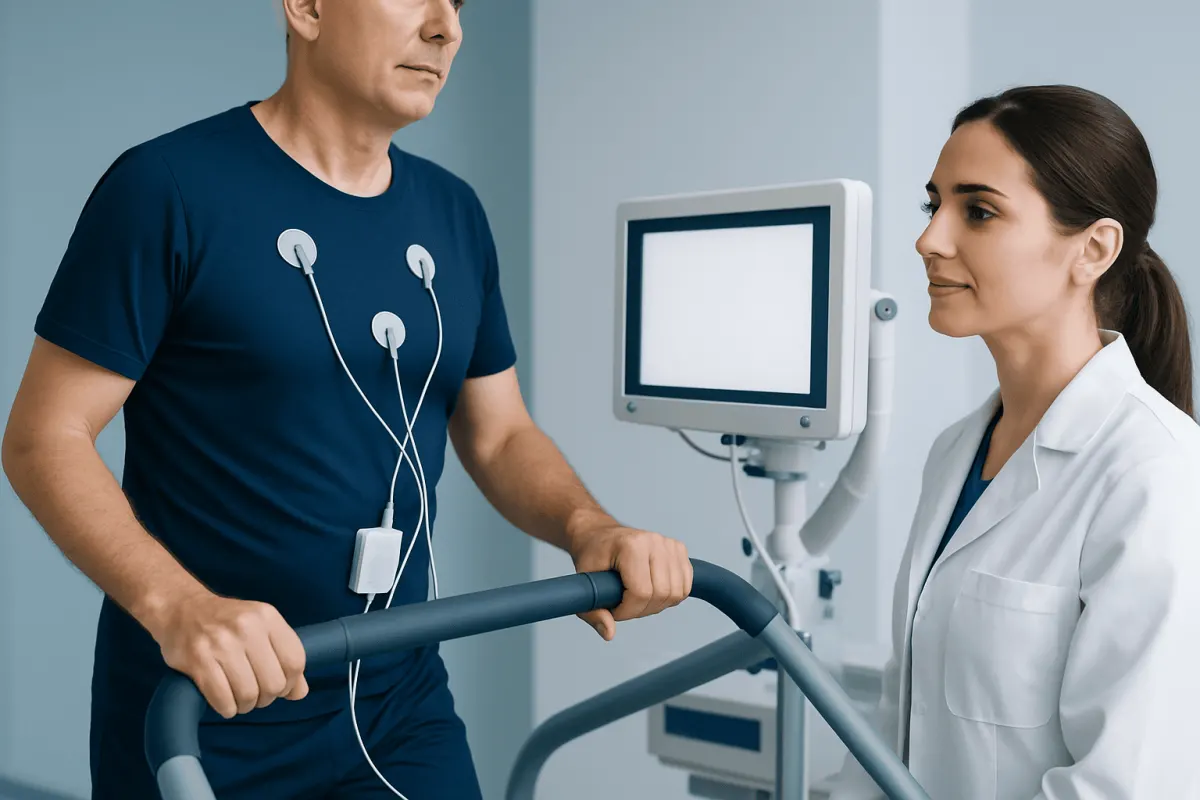
A TMT test, also called a treadmill stress test or exercise stress test, records the heart’s electrical activity, heart rate and blood pressure while a person walks on a treadmill. It can help clinicians assess exercise-related symptoms and estimate the likelihood of reduced blood flow to the heart, but results are interpreted alongside the person’s medical history and other tests.
TMT Test Overview
A TMT test is a treadmill exercise test that evaluates how the heart responds when its workload increases. It is also called an exercise stress test or treadmill stress test. During the test, adhesive electrodes on the chest record an electrocardiogram (ECG), while staff monitor blood pressure, heart rate and any symptoms.
The test may be recommended for chest discomfort, breathlessness with activity, palpitations, reduced exercise tolerance, or assessment of known heart disease. It may also help guide exercise advice or evaluate how well treatment is controlling symptoms. A TMT test is not suitable for everyone, and the clinician will first consider whether exercise testing is safe and appropriate.
Its main purpose is to look for changes that occur only when the heart is working harder. These changes can sometimes suggest reduced blood flow in the coronary arteries, an abnormal heart rhythm, or an exercise-related blood pressure concern. The result is one part of a broader cardiovascular evaluation rather than a stand-alone diagnosis.
What Happens During a TMT Test?
Before the test, a healthcare professional asks about symptoms, medical conditions and medicines. Electrodes are placed on clean, dry skin over the chest and connected to ECG leads. A resting ECG and blood pressure reading are usually taken before exercise begins.
The person then walks on a treadmill that gradually becomes faster and steeper in planned stages. The goal is generally to raise the heart rate to an appropriate level for that individual, not to push through severe symptoms. The team continuously watches the ECG and checks blood pressure at intervals.
The test may be stopped when the planned exercise target is reached, when the person is too tired to continue, or if concerning symptoms or monitoring changes occur. It is normal to feel breathless and to have tired leg muscles with exertion. After stepping off the treadmill, monitoring continues during a short cool-down and recovery period.
Clinicians often advise wearing comfortable walking shoes and loose clothing. Instructions about eating, caffeine, smoking and regular medicines vary according to the reason for testing and the person’s health, so the testing center’s directions should always take priority.
How Long Does It Take to Recover From a Stress Test?

Most people recover from the exercise portion of a TMT test within several minutes. Heart rate, breathing and blood pressure normally begin moving back toward resting levels shortly after exercise stops, and the clinical team monitors these measurements until they are satisfactory.
Many people can return to usual daily activities after leaving the appointment. Temporary tiredness, sweating or mild muscle fatigue can occur, especially if a person is not used to brisk walking. Drinking water, having a normal meal if appropriate, and avoiding unusually strenuous activity until feeling fully recovered may be helpful.
The full visit often takes around 30 to 60 minutes, including preparation, exercise and observation afterward. Recovery can take longer for people who have limited fitness, certain heart or lung conditions, or symptoms during the test. The team will give individual advice before discharge.
New or ongoing chest pressure, marked shortness of breath, dizziness, fainting, or a sustained rapid or irregular heartbeat after leaving should not be ignored. Urgent medical care is appropriate for severe or persistent symptoms.
Can TMT Detect Heart Blockages?
A TMT test can identify patterns that may raise concern about reduced blood flow to the heart muscle during exercise. For example, certain ECG changes, exercise-related chest symptoms, or an unusual blood pressure response may suggest possible coronary artery disease. However, it cannot directly show an artery blockage or determine its exact location or severity.
A positive or abnormal test can sometimes occur without a significant blockage, while a normal test does not rule out every form of heart disease. Accuracy can be affected by age, sex, baseline ECG findings, exercise capacity, medicines and the type of symptoms a person has. This is why results are interpreted in clinical context.
If more detail is needed, a doctor may recommend other investigations, such as stress echocardiography, nuclear perfusion imaging, coronary CT angiography or, in selected cases, invasive coronary angiography. These tests can provide more direct information about coronary blood flow or artery narrowing. Related conditions may include coronary artery disease.
A TMT test can also provide useful information beyond possible blockages, including exercise capacity, symptoms during exertion and some rhythm abnormalities. The next test, if any, depends on the individual’s risk factors, symptoms and initial findings.
How Can I Improve My TMT Test Results?
The best approach is not to try to alter a TMT test result. The purpose is to obtain an accurate picture of how the heart responds to usual physical stress, so it is important to follow pre-test instructions and report symptoms honestly. Avoiding unapproved changes to medicines, caffeine intake or exercise habits helps prevent misleading results and supports safety.
Over time, heart-healthy habits may improve exercise capacity and cardiovascular health. These include regular physical activity that is suitable for the person’s condition, a balanced eating pattern, adequate sleep, not smoking, and managing blood pressure, cholesterol and diabetes with clinical guidance. People with symptoms or known heart disease should ask their doctor what level of exercise is safe before starting or increasing activity.
For the appointment, wearing suitable footwear, arriving with enough time to settle, and informing the team about all medicines and recent illness can make the test run more smoothly. Some medicines may need specific instructions before testing, but they should never be stopped without advice from the prescribing clinician.
A result is not a score to pass or fail. Reaching a lower exercise level can reflect many factors, including joint pain, lung conditions, anemia, fitness level or medication effects, as well as heart health. The clinician considers the whole pattern rather than one number alone.
What to Do After a TMT Test Is Positive?
A positive TMT test means that the findings warrant further clinical review; it does not automatically mean that a person has a dangerous blockage or needs a procedure. The doctor will consider the ECG pattern, symptoms, blood pressure response, exercise level reached, personal risk factors and medical history before explaining what the result may mean.
The next step may be a follow-up appointment, additional noninvasive imaging, blood tests, medication review or referral to a cardiologist. In some situations, particularly when symptoms and test findings strongly suggest significant coronary disease, more urgent evaluation may be recommended. The appropriate pathway is individualized.
Until a clinician has reviewed the result, a person should follow the advice provided by the testing team and avoid pushing through chest discomfort or unusual breathlessness during exercise. They should seek urgent care immediately for chest pain that is severe, persistent or associated with sweating, nausea, fainting or shortness of breath.
Depending on the findings, care may include lifestyle support, medicines or further diagnostic and treatment planning. Cardiology assessment can help clarify whether symptoms are related to the heart and which investigations are most useful.
When to Seek Medical Care
Medical assessment is advisable for chest pain or pressure, breathlessness that is new or worsening, unexplained fainting, palpitations with dizziness, or a clear decline in exercise tolerance. These symptoms can have many causes, but a clinician can assess whether heart testing, including a TMT test, is appropriate.
Emergency care is needed for symptoms that could indicate a heart emergency, such as severe chest pressure, pain spreading to the arm, jaw, back or shoulder, marked trouble breathing, collapse, or cold sweating with nausea. It is safer to seek emergency help rather than drive oneself when these symptoms occur.
People with a known heart condition, previous heart procedure, significant valve disease, uncontrolled blood pressure or an acute illness should tell their doctor before arranging vigorous exercise testing. An alternative form of stress testing may sometimes be safer or more informative.
Acıbadem Health Point’s multidisciplinary specialists at JCI-accredited hospitals assess heart symptoms and arrange appropriate diagnostic testing and treatment planning for international patients.
Frequently asked questions
01Is a TMT test painful?
The TMT test itself is usually not painful. Electrodes may feel slightly sticky on the skin, and walking becomes progressively more demanding. The person should tell the team immediately about chest discomfort, dizziness, unusual breathlessness or leg pain.
02How long does a TMT test take?
The treadmill walking portion often lasts only several minutes, depending on fitness, symptoms and the test protocol. Preparation and recovery monitoring take additional time, so the complete visit commonly lasts 30 to 60 minutes. The testing center can provide more specific timing.
03Can I eat before a TMT test?
Instructions vary, but many centers ask people to avoid a heavy meal for a period before the test. Caffeine, tobacco and alcohol may also be restricted because they can affect heart rate, blood pressure or test interpretation. The person should follow the specific instructions given by their clinician or test center.
04What does a normal TMT test result mean?
A normal result means the test did not show concerning ECG changes, symptoms or blood pressure findings at the level of exercise achieved. It can lower the likelihood of some forms of exercise-related coronary disease, but it does not rule out every heart condition. Results should be reviewed with the clinician in light of ongoing symptoms and risk factors.
05What does a positive TMT test mean?
A positive result means there were findings during exercise that may suggest reduced blood flow to the heart or another issue requiring evaluation. It is not a final diagnosis of a coronary blockage. A doctor may recommend additional testing to clarify the cause and determine whether treatment is needed.
06Can I drive after a TMT test?
Most people can drive after an uncomplicated exercise stress test if they feel well and the medical team has not given other instructions. If dizziness, chest symptoms, faintness or prolonged fatigue occurs, the person should not drive. Arranging transport may be sensible if there is concern about symptoms or a potentially abnormal result.
This article is for general information only and is not a substitute for professional medical advice. Please consult a qualified doctor about your individual situation.
Heart care in Turkey — expert evaluation and treatment
JCI-accredited · board-certified surgeons · reply within 24h
Add us as a Preferred Source to see more of our trusted health content across Google Search, AI Overviews and Discover.