Healing Tattoo Care: Supporting Healthy Skin Repair
A healing tattoo is a controlled skin injury that usually improves through predictable stages over several weeks. Gentle aftercare, clean hands, and attention to warning signs can support normal healing while helping distinguish common changes from problems that need medical assessment.
Healing Tattoo: What the Evidence Shows
A healing tattoo is the skin’s repair response after tattoo needles place pigment into the dermis, the layer beneath the surface of the skin. The procedure creates many tiny punctures, so the body treats the area similarly to a superficial wound. In most people, the outer layer settles over roughly two to three weeks, although complete recovery of deeper skin layers may take longer.
Early redness, sensitivity, slight swelling, and small amounts of clear or lightly blood-tinged fluid are often expected. As the surface closes, the tattoo may itch, look dull or cloudy, and peel in fine flakes. These changes are usually part of normal healing rather than proof that the tattoo is damaged.
Myths about tattoo healing can lead to avoidable problems. A tattoo does not need to be kept very dry, heavily coated in ointment, or repeatedly scrubbed. Evidence-based aftercare focuses on clean handling, gentle washing, a thin layer of suitable fragrance-free moisturizer when needed, and avoidance of activities that increase irritation or introduce germs.
The Usual Tattoo Healing Timeline
During the first few days, the tattooed area may feel warm, tender, and mildly swollen. A thin amount of fluid may appear on the skin or dressing. The area can look brighter than expected because of inflammation and because the skin is temporarily moist. Following the tattoo professional’s instructions for removing any initial dressing is important, especially if a specialized adhesive film has been used.
Over the next one to two weeks, itching and flaking are common. The skin may form thin scabs or peel, similar to skin after mild sun exposure. Picking flakes or scabs can irritate healing skin and may contribute to uneven pigment appearance. The tattoo can also look temporarily faded beneath a dry, regenerating surface layer.
By around two to three weeks, many tattoos look settled on the surface. However, the area may remain somewhat dry, sensitive, or shiny while the deeper layers continue to recover. Larger tattoos, areas exposed to movement or friction, and tattoos in locations such as hands, feet, joints, or the lower legs may heal more slowly.
Healing times vary with the tattoo’s size, placement, technique, pigment, skin type, general health, and aftercare. A person with diabetes, impaired circulation, immune suppression, eczema, or a history of allergic skin reactions may benefit from discussing tattoo safety and aftercare with a clinician beforehand.
Normal Healing Changes and Warning Signs

Normal tattoo healing commonly includes localized redness that gradually improves, mild soreness, limited swelling, itching, and light peeling. The skin should generally become less painful and less red over time. A small amount of clear fluid in the first day or two can be part of the normal inflammatory response.
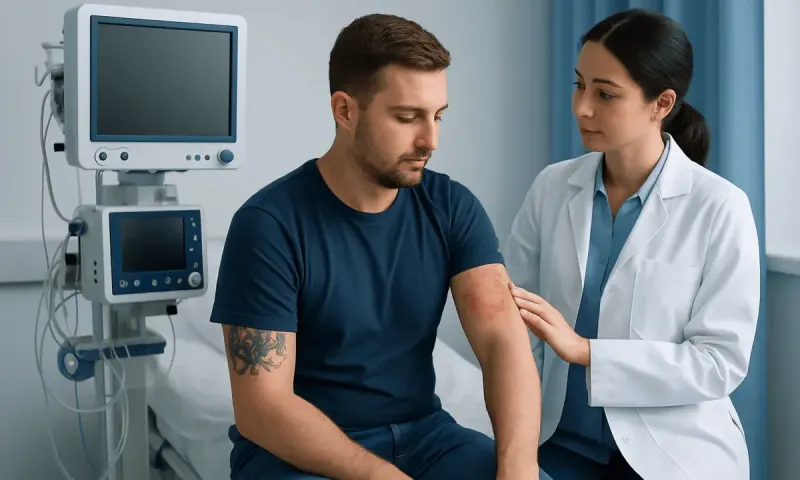
Signs that are less typical include redness that spreads beyond the tattoo, worsening rather than improving pain, increasing warmth or swelling, thick yellow or green drainage, a bad odor, or red streaks extending away from the area. These may suggest a skin infection. Fever, chills, or feeling generally unwell require prompt medical assessment.
A tattoo reaction may also be caused by irritation or allergy rather than infection. It can appear as persistent itch, raised bumps, blisters, scaling, or swelling confined to one pigment color or spreading more widely. Reactions can occur early or months to years later. Red pigments are often associated with delayed reactions, but any color may cause a problem.
Not every bump is an infection or allergy. Ingrown hairs, acne-like folliculitis, friction, adhesive reactions, and pre-existing skin conditions can also affect a new tattoo. A healthcare professional can help identify the cause and advise on appropriate treatment rather than relying on self-diagnosis.
Practical Tattoo Aftercare Based on Skin Healing Principles
Before touching a healing tattoo, hands should be washed thoroughly with soap and water. Once the initial dressing is removed according to the tattoo professional’s advice, the area can usually be washed gently with lukewarm water and a mild, fragrance-free cleanser. It should then be patted dry with a clean towel or disposable paper towel rather than rubbed.
A thin layer of a simple, fragrance-free moisturizing product can reduce tightness and dryness. Applying too much product may trap moisture and increase irritation, so the skin should not feel greasy or heavily covered. Products containing fragrance, strong exfoliants, retinoids, alcohol, or other potentially irritating ingredients are best avoided on the fresh tattoo unless a clinician recommends them.
Loose, clean clothing can reduce rubbing and help the skin remain comfortable. People should avoid scratching, picking, shaving directly over the healing skin, or sharing towels and personal care products. Regular hand hygiene and clean bedding are useful precautions during the early healing period.
Swimming pools, hot tubs, saunas, lakes, and the sea should generally be avoided until the surface has healed, as prolonged soaking can soften the skin and increase exposure to microorganisms. Brief showers are usually preferable to baths. Intense exercise may be adjusted temporarily if sweat, tight clothing, or repeated rubbing irritates the tattooed area.
- Wash hands before contact with the tattoo.
- Clean gently and pat dry.
- Use only a light layer of bland, fragrance-free moisturizer if the skin is dry.
- Do not scratch, peel, or pick scabs.
- Avoid soaking and protect the area from friction and direct sunlight.
Sun Protection, Pigment Changes, and Long-Term Skin Care
Ultraviolet radiation can irritate healing skin and contribute to pigment fading over time. A fresh tattoo should be covered with loose clothing or kept in the shade rather than exposed to direct sun. Sunscreen is generally best introduced once the skin has fully healed and there are no open areas, scabs, or peeling skin.
After healing, broad-spectrum sunscreen can help protect both the skin and tattoo appearance. Reapplication is important during outdoor activity, especially after sweating or swimming. Sun protection also lowers the risk of sunburn, which can make it harder to notice new or changing skin findings.
Some color variation during the early weeks is expected because swelling, peeling, and surface dryness can alter how pigment looks. Persistent loss of pigment, raised scar-like areas, ongoing thick crusting, or a change limited to one color should be reviewed by a healthcare professional. These changes may reflect irritation, scarring, or a pigment-related reaction.
A tattoo does not prevent routine skin examinations. People should remain familiar with their skin and seek assessment for a new, changing, bleeding, painful, or non-healing lesion in or near a tattoo. Dermatology evaluation may be especially useful when a tattoo makes an existing mole or skin mark difficult to monitor.
When to Seek Medical Care
Medical advice is appropriate if the tattoo becomes increasingly painful, red, swollen, hot, or tender after the first few days, rather than steadily improving. Thick drainage, pus, a strong odor, spreading redness, red streaks, fever, chills, or feeling unwell can be signs of infection and should not be managed with home remedies alone.
A clinician should also assess hives, facial or lip swelling, breathing difficulty, widespread rash, blisters, or a persistent itchy and raised reaction around a tattoo. Breathing difficulty, swelling of the face or throat, faintness, or rapidly spreading hives require emergency care. Persistent rashes may need assessment to distinguish allergy, eczema, infection, or another inflammatory skin condition.
People with diabetes, reduced immunity, poor circulation, or a history of severe skin allergies should have a lower threshold for seeking professional advice. A dermatologist may assess ongoing skin reactions and can also help with concerns about scarring or pigment-related inflammation. For persistent concerns, evaluation for skin allergies or related inflammatory skin conditions may be appropriate.
Acıbadem Health Point’s multidisciplinary specialists and JCI-accredited hospitals can assess skin concerns, including possible tattoo-related infection or allergic reactions, for international patients. A timely medical review can clarify the cause and support safe, individualized care.
Reducing Risks Before a Future Tattoo
Risk reduction begins before the tattoo is placed. Choosing a licensed, reputable professional who uses sterile, single-use needles and follows infection-control procedures is essential. Tattoo inks and containers should be handled hygienically, and a person should feel comfortable asking about cleaning practices, gloves, equipment, and aftercare instructions.
It is sensible to postpone tattooing when the intended area has sunburn, an active rash, broken skin, acne, or an infection. People with a history of eczema, psoriasis, keloid scarring, pigment allergy, or immune-system conditions should consider discussing the plan with a dermatologist first. A small test spot may sometimes be discussed, although it cannot reliably predict every delayed pigment reaction.
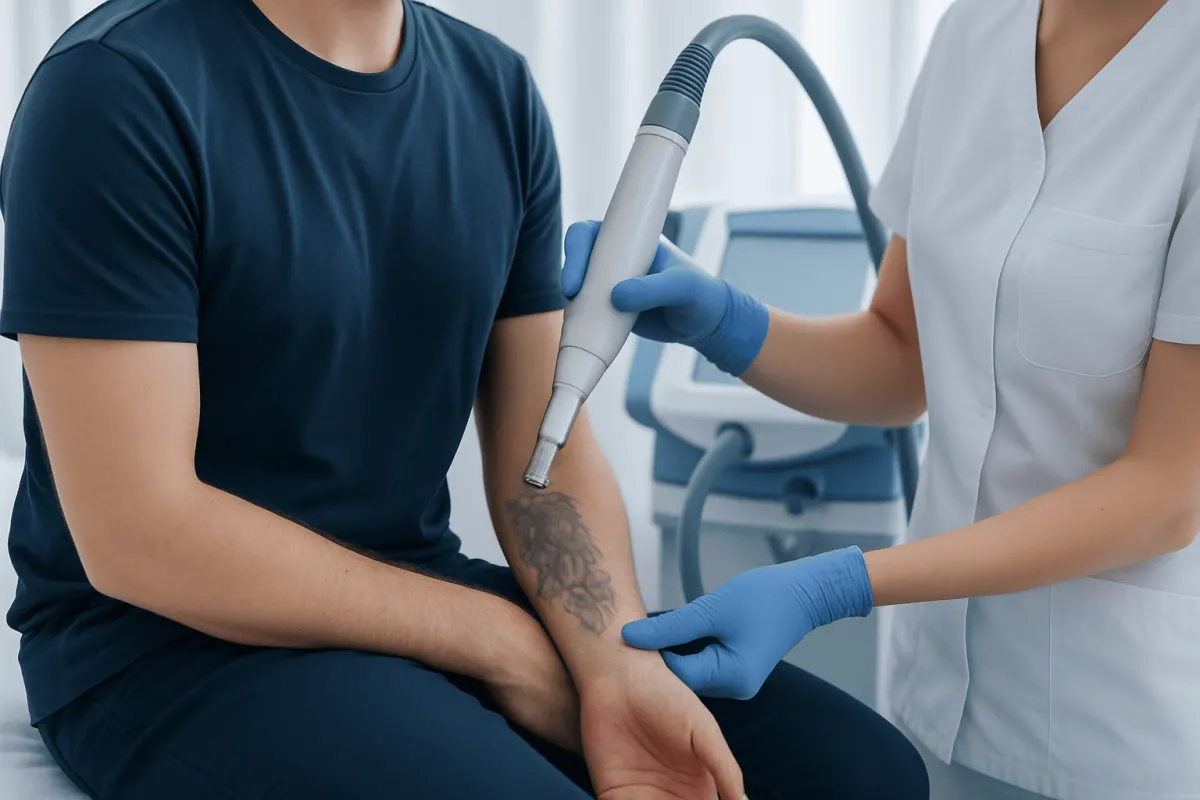
Anyone planning laser tattoo removal should know that pigment can sometimes trigger allergic or inflammatory responses during treatment. Consultation with an experienced clinician is important, particularly when there has been a prior tattoo reaction. Information about laser tattoo removal can help patients understand why assessment and an individualized treatment plan matter.
Good preparation, realistic expectations, and consistent aftercare support the skin’s natural recovery. If there is uncertainty about whether a tattoo is healing normally, seeking advice early is generally safer than waiting for symptoms to worsen.
Frequently asked questions
01How long does a healing tattoo take?
The surface of a tattoo often heals in about two to three weeks, but deeper skin recovery can take several more weeks. Larger tattoos and tattoos on high-friction or high-movement areas may take longer. Healing should show a general trend toward less redness, pain, and swelling over time.
02Is peeling normal during tattoo healing?
Yes. Fine flaking and peeling are common as the outer layer of skin renews itself. The tattoo should not be picked or scratched, because this can irritate the skin and may affect the evenness of the pigment.
03Should a healing tattoo be kept dry?
A tattoo should be kept clean and should not be soaked, but it does not need to be excessively dry. Gentle washing and a small amount of fragrance-free moisturizer can help prevent uncomfortable tightness and cracking. Thick layers of ointment are usually unnecessary and can trap excess moisture.
04How can a person tell if a tattoo is infected?
Possible signs include worsening pain, expanding redness, increasing heat and swelling, pus-like drainage, bad odor, red streaks, fever, or feeling unwell. These symptoms differ from mild early tenderness and redness that gradually improve. A clinician should assess suspected infection promptly.
05Can a tattoo cause an allergic reaction years later?
Yes. Some tattoo pigment reactions appear long after the initial healing period and may cause raised, itchy, scaly, or swollen skin, sometimes only in one color. A dermatologist can help determine whether the change is an allergy, infection, scar-related issue, or another skin condition.
06When can sunscreen be used on a new tattoo?
Sunscreen is generally best used after the tattoo has fully healed, with no open skin, scabs, or active peeling. Until then, covering the area with loose clothing and limiting direct sun exposure is safer. After healing, broad-spectrum sunscreen can help protect the skin and reduce fading.
This article is for general information only and is not a substitute for professional medical advice. Please consult a qualified doctor about your individual situation.
Explore treatments in Turkey — costs, top hospitals & a free quote
JCI-accredited · board-certified surgeons · reply within 24h
Add us as a Preferred Source to see more of our trusted health content across Google Search, AI Overviews and Discover.