Hairline Lowering Surgery: Candidacy and Recovery

Hairline lowering surgery is an elective procedure that moves the hair-bearing scalp forward to reduce the appearance of a high forehead. Suitable candidates need adequate scalp flexibility, stable hair density and realistic expectations about scars, recovery and long-term hair changes.
Hairline Lowering Surgery: Overview and How It Works
Hairline lowering surgery is an elective facial plastic surgery procedure that reduces forehead height by advancing the hair-bearing scalp forward. Also called forehead reduction surgery or scalp advancement surgery, it can create a lower hairline immediately after surgery. It is designed for a naturally high hairline or a forehead that appears long, rather than as a treatment for ongoing hair loss.
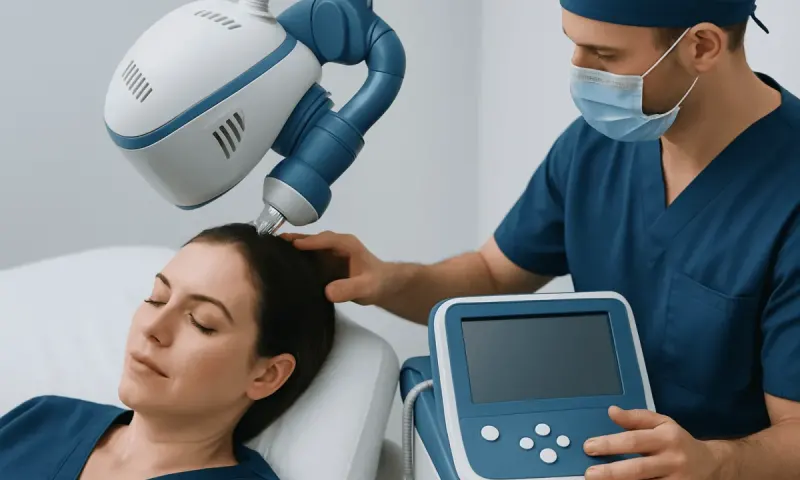
During the operation, the surgeon makes an incision at or very close to the natural hairline, releases the scalp tissue and moves it forward by an amount that is safe for the individual. A small section of forehead skin may be removed before the scalp is secured in its new position. The incision is carefully closed to help the scar blend with the hairline as healing progresses.
Hairline lowering differs from hair transplantation. A transplant moves individual follicles into thinning or selected areas and hair growth develops gradually over months, whereas scalp advancement changes the position of the existing hairline in one procedure. In some situations, a surgeon may discuss hair transplantation to refine the hairline shape or address thinning, either separately or as part of a longer-term plan.
Who May Be a Candidate for Forehead Reduction?
Potential candidates are generally adults who are bothered by a high or uneven hairline, have good hair density at the front of the scalp and have sufficient scalp laxity. Scalp laxity means that the scalp can move forward without excessive tension on the closure. People seeking a modest, natural-looking change and who understand that an incision scar is part of the procedure are usually better prepared for a satisfactory outcome.
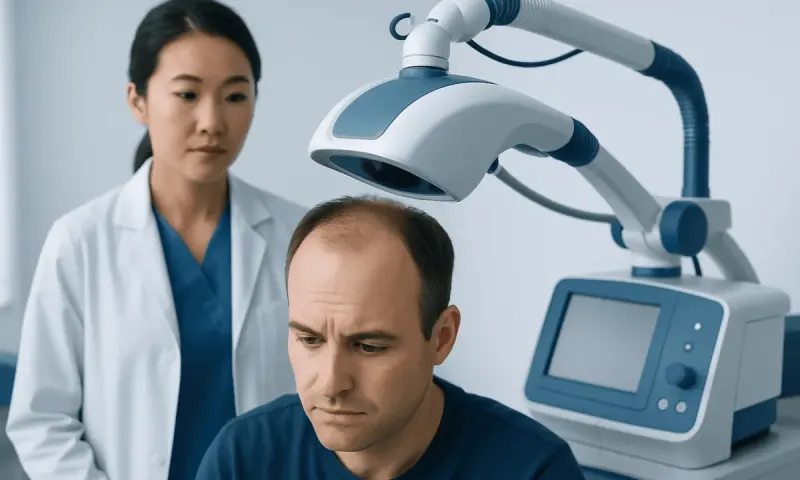
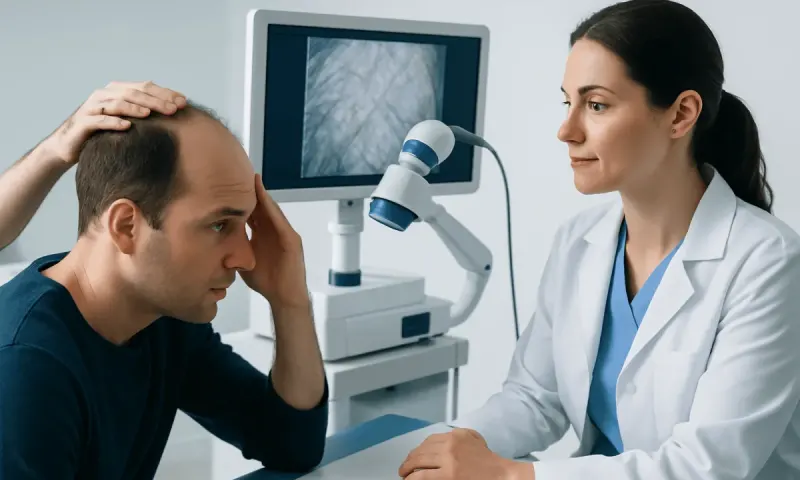
A consultation includes an assessment of the forehead, brow position, scalp movement, skin quality and existing hairline. The clinician will also ask about personal and family patterns of hair thinning, previous scalp procedures, medical conditions, medications, nicotine use and any history of raised or thick scars. Active scalp infection, inflammation or certain health concerns may need treatment or further evaluation before elective surgery is considered.
Future hair loss is particularly important. A person with progressive frontal or temporal thinning may have a lower hairline after surgery but could later notice thinning behind it. Alternatives may include accepting the natural hairline, medical assessment of hair loss, hairstyle changes, hair transplantation or a combination of approaches. The most appropriate option depends on the person’s anatomy, hair pattern and goals.
Hairline Lowering Surgery: Step-by-Step Procedure

Before surgery, the surgeon discusses the desired hairline height and shape and marks the planned incision. The design should respect the person’s natural hair growth pattern and facial proportions rather than aiming for a single standard measurement. Photographs, medical review and pre-operative instructions help the surgical team plan a safe procedure.
The operation is commonly performed under general anesthesia, although the anesthesia plan depends on the procedure and the patient. A hair-sparing incision may be placed along the hairline. The surgeon carefully releases tissue beneath the scalp, removes a measured amount of forehead skin when appropriate and advances the scalp forward without placing undue tension on the wound.
The scalp is secured and the incision is closed with sutures, staples or other closure methods selected by the surgeon. A dressing may be placed to protect the area and limit swelling. Hairline lowering is often performed as a day procedure, but the schedule, observation period and discharge instructions vary according to the individual treatment plan and anesthesia used.
Recovery Timeline and Aftercare
In the first few days, swelling, bruising, tightness and mild to moderate discomfort around the forehead and scalp are common. The surgical team provides instructions on wound care, bathing, sleeping position, prescribed medicines and when to return for review. It is important not to rub, pull or apply unapproved products to the incision while it is healing.
Many people can return to light, non-strenuous daily activities or desk-based work within about one to two weeks, depending on their comfort, appearance and job demands. Where removable sutures or staples are used, the surgeon will arrange their removal during an early follow-up visit. Swelling and bruising usually improve progressively, but their duration differs between individuals.
Walking and gentle movement may be encouraged, while heavy lifting, vigorous exercise, contact sports and activities that increase pressure on the healing area should be avoided until the surgeon says they are safe. Nicotine can impair wound healing and should be avoided according to the clinician’s advice. Follow-up visits allow the team to check healing and address questions promptly.
The hairline position is visible soon after surgery, but the appearance continues to settle over the following months. Temporary changes in sensation, mild unevenness in swelling and redness of the scar can occur early on. Scars usually mature gradually over many months, and careful sun protection after the incision has healed can help prevent scar darkening.
Benefits, Limits and Possible Risks
The main potential benefit of hairline lowering surgery is a lower frontal hairline without waiting for transplanted hairs to grow. For selected people, this may improve the balance between the forehead, brows and other facial features. The result is intended to look natural and to retain variation at the hairline rather than creating an overly straight line.
Results are influenced by scalp flexibility, the amount of safe advancement, the original hairline shape and the way scars heal. The procedure cannot stop hereditary hair thinning, change the cause of a receding hairline or guarantee perfect symmetry. If future hair loss occurs, the relationship between the advanced hairline and the hair behind it may change over time.
As with any surgery, hairline lowering carries risks. These include bleeding, infection, delayed wound healing, fluid collection, visible or widened scarring, temporary or persistent altered sensation, asymmetry, hair loss or reduced density near the incision, and the possible need for a revision procedure. Anesthesia also has its own risks, which are reviewed before surgery.
Careful patient selection, a qualified surgical team and close adherence to aftercare instructions help reduce avoidable risks but cannot eliminate them completely. A thorough consultation should include discussion of expected benefits, limitations, scar placement, hair-loss history and reasonable alternatives before a person decides whether surgery is right for them.
Common Questions About Hairline Lowering
How long does it take to recover from hairline lowering surgery?
Most people plan for around one to two weeks before returning to light work and usual non-strenuous activities. Bruising and swelling generally improve during this period, while restrictions on vigorous exercise may last longer. The scar, scalp sensation and final appearance continue to mature over several months, so the surgeon’s individual recovery guidance should take priority over a general timeline.
What is the hardest plastic surgery to recover from?
There is no medically accepted ranking for the hardest plastic surgery to recover from because recovery depends on the extent of surgery, the areas treated, a person’s health and whether procedures are combined. Larger body-contouring operations, abdominal procedures and multiple operations performed together can involve more mobility limits and a longer recovery. Hairline lowering surgery has a different recovery profile, usually focused on forehead swelling, incision healing and activity restrictions.
Is hairline lowering surgery risky?
Hairline lowering surgery is a planned elective operation, but it is not risk-free. Most people experience temporary swelling, bruising or reduced sensation, while less common complications can include infection, bleeding, problematic scarring, hair loss near the incision or an uneven result. Individual risk is best assessed after a clinician reviews scalp health, hair-loss risk, medical history and healing factors.
What age is best for forehead reduction?
There is no single best age for forehead reduction. Surgeons generally consider the procedure after facial growth is complete and when the person can make an informed decision with stable goals. Hair density, scalp laxity, skin quality and the chance of future hair loss are more important than age alone when deciding whether treatment is appropriate.
When to Seek Medical Care and How to Plan Safely
Before considering surgery, medical advice is helpful for a newly receding hairline, sudden hair shedding, patchy hair loss, scalp pain, scaling, sores or persistent itching. These changes may have causes that need assessment and treatment before an aesthetic procedure is planned. A dermatologist or qualified clinician can help distinguish stable hairline shape from active hair or scalp disease.
After surgery, the operating team should be contacted promptly for increasing redness, warmth, worsening swelling, fever, unusual drainage, persistent bleeding, opening of the incision or pain that is increasing rather than improving. Urgent emergency care is appropriate for severe breathing difficulty, chest pain, fainting or any severe symptoms that feel immediately concerning. Patients should use the surgeon’s post-operative contact instructions rather than waiting for a routine appointment.
Choosing a surgeon with appropriate plastic surgery training and experience in scalp and hairline procedures supports informed decision-making. For international patients considering this procedure, Acıbadem Health Point’s multidisciplinary specialists at its JCI-accredited hospitals can provide assessment and surgical care based on an individualized clinical consultation.
Frequently asked questions
01Does hairline lowering surgery leave a scar?
Yes. An incision scar is an expected part of hairline lowering surgery, although it is placed at the hairline to make it less noticeable as it matures. Scar visibility varies with incision design, skin healing, hair density and individual factors such as a tendency toward raised scars.
02Are the results of hairline lowering surgery permanent?
The surgical advancement of the scalp is intended to be long-lasting. However, natural aging and future hair thinning can change the appearance of the hairline over time, particularly in people with a strong tendency toward hereditary hair loss.
03Can hairline lowering surgery treat a receding hairline?
The procedure can lower the hairline position, but it does not treat the underlying cause of progressive hair loss. Someone with active recession may need an assessment of their hair-loss pattern and may be better suited to medical management, hair transplantation or a staged treatment plan.
04Can hair transplantation and forehead reduction be combined?
In selected cases, hair transplantation may be used to refine the shape of a surgically lowered hairline or increase density in specific areas. Whether procedures should be combined or staged depends on scalp health, donor hair availability, healing considerations and the surgeon's treatment plan.
05What is the difference between a brow lift and hairline lowering surgery?
A brow lift primarily changes the position of the eyebrows and may improve forehead lines or upper eyelid appearance. Hairline lowering surgery primarily reduces forehead height by advancing the scalp, although a specialist can explain whether either procedure, or both, may be appropriate.
06How should someone prepare for a hairline lowering consultation?
It is useful to discuss the desired hairline shape, family history of hair loss, previous scalp treatments, medications, nicotine use and any history of difficult wound healing. Bringing questions about scars, recovery time, alternatives and the possibility of future hair thinning can support a clear, informed discussion.
This article is for general information only and is not a substitute for professional medical advice. Please consult a qualified doctor about your individual situation.
Hair transplant in Turkey — costs, graft counts & a free assessment
JCI-accredited · board-certified surgeons · reply within 24h
Add us as a Preferred Source to see more of our trusted health content across Google Search, AI Overviews and Discover.