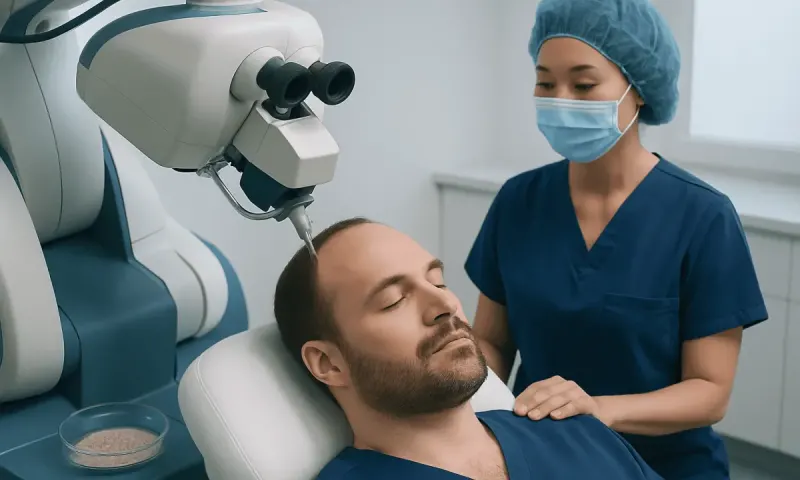
Hair Transplant Healing Timeline: What to Expect
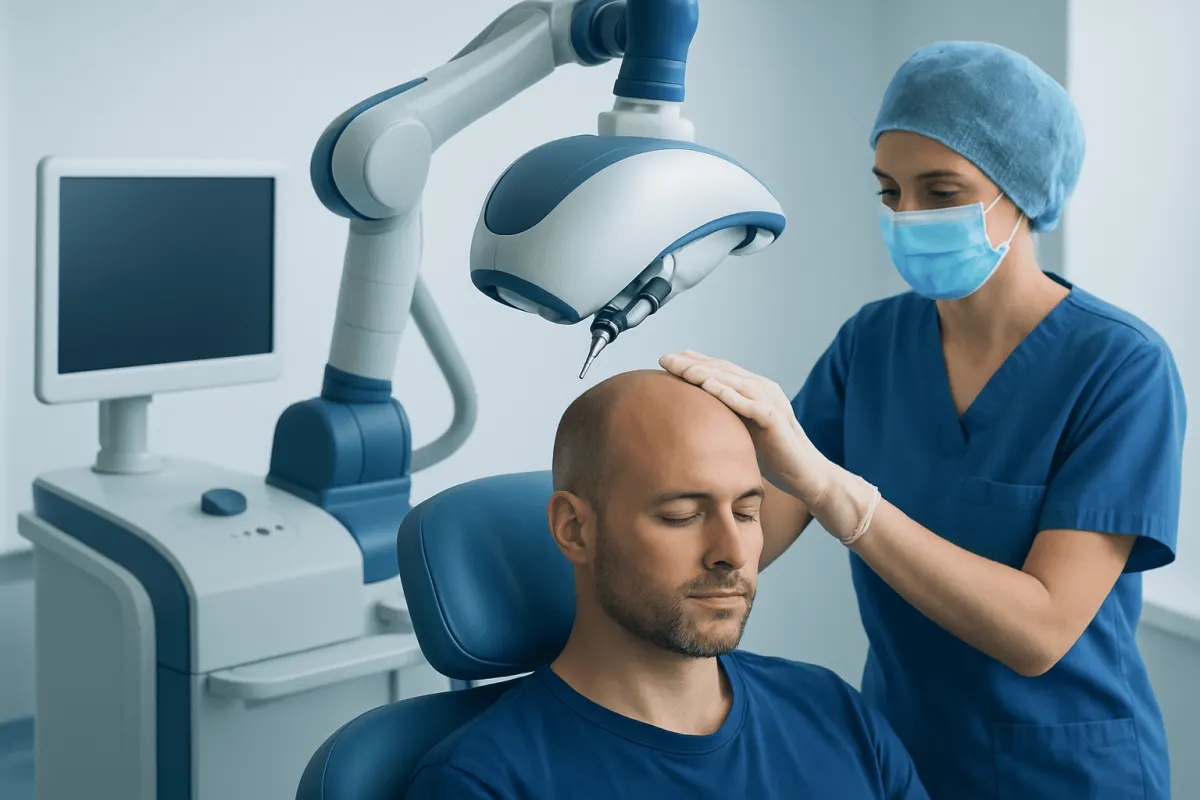
A hair transplant healing timeline typically includes initial swelling and scab formation during the first 7–10 days, temporary shedding over the following weeks, and gradual new growth from around 3–4 months. Final density and maturation take time, often continuing for 12 months or longer, depending on the procedure and individual healing.
Hair Transplant Healing Timeline: What to Expect
A hair transplant healing timeline begins with graft protection, followed by temporary shedding and then slow, natural-looking regrowth. In most people, the transplanted grafts become more secure within about 10–14 days. The visible hairs may shed during the first several weeks, while new hairs commonly start to emerge at around 3–4 months.
Healing varies with the technique used, the size of the procedure, hair and skin characteristics, general health and adherence to aftercare instructions. Follicular unit extraction (FUE) and follicular unit transplantation (FUT), sometimes called strip surgery, both move healthy hair follicles from a donor area to areas of thinning. The scalp needs time to heal, and the follicles need time to return to their normal growth cycle.
A transplant can redistribute existing permanent hair; it does not stop future hair loss in untreated areas. A careful consultation should therefore include discussion of the likely pattern of hair loss, donor-hair availability, realistic density goals and possible medical treatments that may help preserve existing hair. For an overview of the procedure, patients can read about hair transplant treatment.
How a Hair Transplant Works and Who May Be Suitable
Hair transplantation is a surgical procedure in which follicular units are taken from an area with stable hair growth, usually the back or sides of the scalp, and placed into thinning or balding areas. In FUE, individual follicular units are removed with a small punch. In FUT, a narrow strip of donor scalp is removed and divided into grafts; the donor area is then closed with sutures.
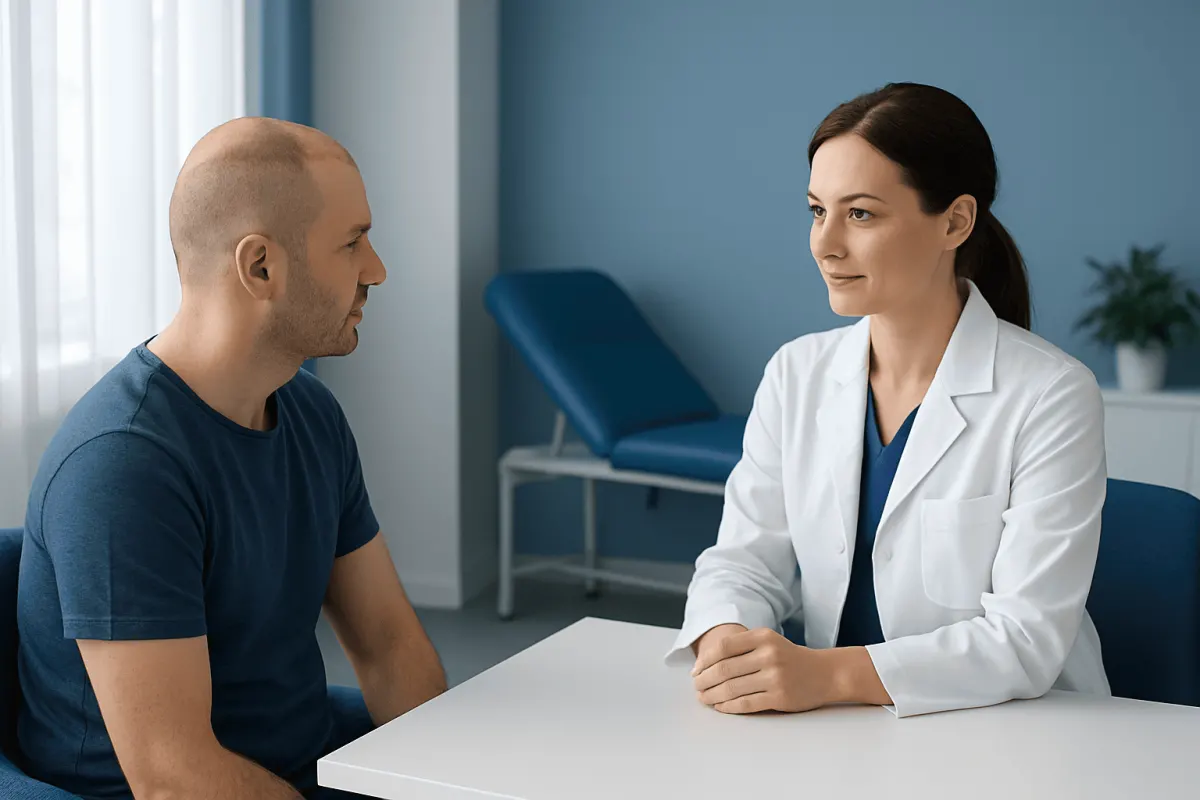
During planning, the clinician evaluates the cause and stability of hair loss, scalp health, donor density, hair texture, curl pattern and the desired hairline. People with pattern hair loss and adequate donor hair may be candidates. Some people with active inflammatory scalp conditions, uncontrolled medical conditions, unrealistic expectations or rapidly progressing hair loss may need treatment or further evaluation before surgery.
The procedure is generally performed using local anesthesia. The team designs the recipient area, prepares tiny channels or sites, and positions grafts at angles that aim to match natural hair direction. The number of grafts needed depends on the treatment area, existing hair, scalp characteristics and the intended level of coverage rather than one fixed number.
Procedure Day and Early Healing: Days 0 to 14
On the day of surgery, the scalp may feel tender or tight after the local anesthetic wears off. Small pinpoint crusts form around implanted grafts, and the donor area may have mild soreness. The surgical team provides individualized instructions for sleep position, pain relief, washing, medicines and wound care.
Swelling of the forehead or around the eyes can occur during the first few days, particularly after larger sessions. It usually improves as healing progresses. Patients are commonly advised to avoid strenuous exercise, alcohol, smoking, rubbing the scalp and direct sun exposure during this early period, because these may increase swelling, bleeding or irritation.
The first wash is often performed or explained by the clinical team. Gentle washing helps soften crusts while avoiding forceful water pressure, scratching or picking. The exact timing and technique differ between clinics and procedures, so the surgeon’s own instructions should take priority over general advice.
- Days 1–3: Grafts are newly placed and require the most careful protection.
- Days 4–7: Crusting, mild redness and itchiness may be noticeable; gentle washing is usually continued.
- Days 8–14: Scabs generally loosen and fall away with approved washing. Grafts are typically more secure, but the scalp should still be handled gently.
What Are the Most Crucial Days After a Hair Transplant?
The most crucial days after a hair transplant are generally the first 7–10 days. During this period, the grafts are establishing their blood supply and can be more vulnerable to friction, accidental dislodgement and trauma. Avoiding rubbing, picking, tight headwear unless approved, vigorous exercise and activities that could cause a blow to the scalp is particularly important.
The first 48–72 hours deserve extra care because swelling and minor oozing can occur, while the grafts are at their least secure. Patients should follow directions about sleeping with the head elevated, using any prescribed or recommended medicines, and protecting the scalp during travel and daily activities.
By around 10–14 days, grafts are usually sufficiently anchored that routine gentle contact and washing are less concerning. However, the skin may still be red, dry or sensitive. A clinician’s written aftercare plan remains the most reliable guide because recovery recommendations can differ according to the surgical technique and the person’s healing.
Can I Touch My Hair 7 Days After a Hair Transplant?
At 7 days after a hair transplant, it is usually best to avoid unnecessary touching, rubbing, scratching or combing across the grafted area. Light contact needed for the washing method recommended by the surgeon may be appropriate, but the scalp should not be manipulated forcefully. Fingernails can loosen crusts too early and can introduce bacteria into irritated skin.
Itching can occur as the skin heals. Rather than scratching, patients should use only the measures approved by their clinical team, such as a recommended spray, gentle washing routine or medication. Any sudden increase in pain, warmth, swelling or discharge should be reported rather than treated with over-the-counter products without advice.
Donor-area care also matters. With FUE, tiny extraction sites may remain tender or scabbed for a short time. With FUT, the incision requires specific care and follow-up for suture or staple removal when applicable. The team can advise when normal hair care, hats, haircuts and styling products can safely resume.
Weeks 2 to 12: Shedding, Scalp Recovery and Return to Routine
Between roughly 2 and 8 weeks, many patients notice shedding of the transplanted hair shafts. This phase is often called shock shedding or temporary shedding. It can look discouraging, but the hair shaft falling out does not necessarily mean the follicle has been lost; the implanted follicle usually remains beneath the scalp and begins a new growth cycle later.
The recipient area may remain mildly pink or red for several weeks, especially in people with lighter skin or sensitive skin. The donor area also continues to settle. Most people can gradually return to normal work and social activities once crusting and obvious swelling have resolved, but contact sports, swimming, intense workouts and prolonged sun exposure should be restarted only according to professional advice.
Existing, non-transplanted hair can also temporarily shed after surgery, particularly around areas of thinning. This may recover over time, although the likelihood depends on the underlying cause of hair loss. A doctor may discuss treatments that support existing hair where appropriate, particularly for androgenetic alopecia.
How Should My Hair Transplant Look After 10 Days?
After 10 days, a hair transplant often looks cleaner and less swollen than it did during the first week. Most crusts should be loosening or coming away with the approved washing routine. The implanted hairs may still be visible as short stubble, and mild redness, dryness, tightness or itchiness can remain.
The scalp does not need to look completely normal by day 10. Healing appearance depends on the number of grafts, the method used, skin tone, sensitivity and individual healing. The donor area may still show short hairs, small healing dots after FUE, or a healing line after FUT.
Concerning changes are not simply persistent redness. It is more important to seek advice for redness that spreads or worsens, growing tenderness, significant warmth, cloudy or foul-smelling drainage, fever, or bleeding that does not stop with the instructions provided by the surgical team.
Months 3 to 12: New Growth and Maturing Results
Early new growth commonly becomes noticeable between 3 and 4 months after surgery. At first, hairs may be fine, soft, uneven or lighter in appearance. This is expected because transplanted follicles do not all enter the growth phase at the same time.
Between 6 and 9 months, hair usually becomes more visible and coverage often improves. Hair caliber, length and styling options continue to develop as the follicles mature. Many people see a more complete result around 12 months, while the crown area and some individuals may require longer for maturation.
Results depend on the survival of grafts, the quality of donor hair, ongoing hair loss, scalp health and the planned distribution of grafts. Follow-up appointments allow the clinician to assess healing, address concerns and discuss long-term strategies for maintaining native hair. Acıbadem Health Point’s multidisciplinary specialists and JCI-accredited hospitals provide assessment and treatment planning for international patients considering hair restoration.
Risks, Benefits and When to Seek Medical Care
Potential benefits of hair transplantation include permanent relocation of genetically resistant donor follicles and improved coverage in selected areas. A well-planned procedure aims for an age-appropriate, natural hairline and a distribution of grafts that works with future hair loss. It is important to understand that a transplant cannot always recreate the density of natural, non-thinning hair.
Possible risks include swelling, bleeding, infection, folliculitis, scarring, numbness or altered sensation, uneven growth, temporary shock shedding and an appearance that does not meet expectations. FUT leaves a linear scar, while FUE leaves multiple small scars. Experienced surgical assessment, sterile technique and appropriate aftercare help reduce risk but cannot eliminate it completely.
When to seek medical care: Patients should contact their surgical team promptly if they develop increasing or severe pain, spreading redness, marked swelling, fever, pus-like drainage, a bad odor, persistent bleeding, an allergic reaction, or concerns that grafts have been traumatically dislodged. Urgent medical assessment is appropriate for severe symptoms or signs of a serious allergic reaction. Routine questions about washing, activity, shedding or appearance are also appropriate reasons to contact the clinic rather than guessing.
Frequently asked questions
01How long does it take to heal after a hair transplant?
The scalp’s surface usually heals enough for grafts to become more secure within about 10–14 days. Redness, dryness or sensitivity can last longer, and the internal hair-growth cycle takes several months. Most final results continue to develop for around 12 months, sometimes longer.
02How long do 3,000 hair grafts take?
A 3,000-graft procedure often takes much of a day and may be divided into sessions, depending on the technique, graft characteristics, team approach and patient comfort. The clinical team can give the most accurate estimate after assessing the donor area and treatment plan. Procedure length does not determine the speed of later hair growth.
03Will transplanted hair fall out after the procedure?
Yes, shedding of transplanted hair shafts during the first several weeks is common and is usually temporary. The follicles generally remain under the skin and later produce new hairs. New growth often starts at around 3–4 months, with gradual improvement afterward.
04When can I wash my hair after a hair transplant?
The timing and method for washing should follow the surgeon’s instructions, as these differ between procedures and clinics. Many patients begin a gentle, supervised or instructed washing routine within the first few days. Forceful water pressure, rubbing and picking at crusts should be avoided until the clinical team says otherwise.
05Can I wear a hat after a hair transplant?
A hat can create friction or pressure on freshly placed grafts, so patients should ask their surgeon before wearing one. If headwear is allowed, it should be loose, clean and placed without rubbing the recipient area. The recommended timing varies according to the procedure and healing progress.
06When can I exercise after a hair transplant?
Light activity may be resumed sooner than strenuous exercise, but the exact schedule should come from the treating clinician. Sweating, raised blood pressure and accidental scalp trauma can be concerns during early healing. Intense workouts, swimming and contact sports are usually delayed until the grafts and donor area have healed adequately.
This article is for general information only and is not a substitute for professional medical advice. Please consult a qualified doctor about your individual situation.
Hair transplant in Turkey — costs, graft counts & a free assessment
JCI-accredited · board-certified surgeons · reply within 24h
Add us as a Preferred Source to see more of our trusted health content across Google Search, AI Overviews and Discover.