Hair Transplant Follicular Unit Extraction (FUE)
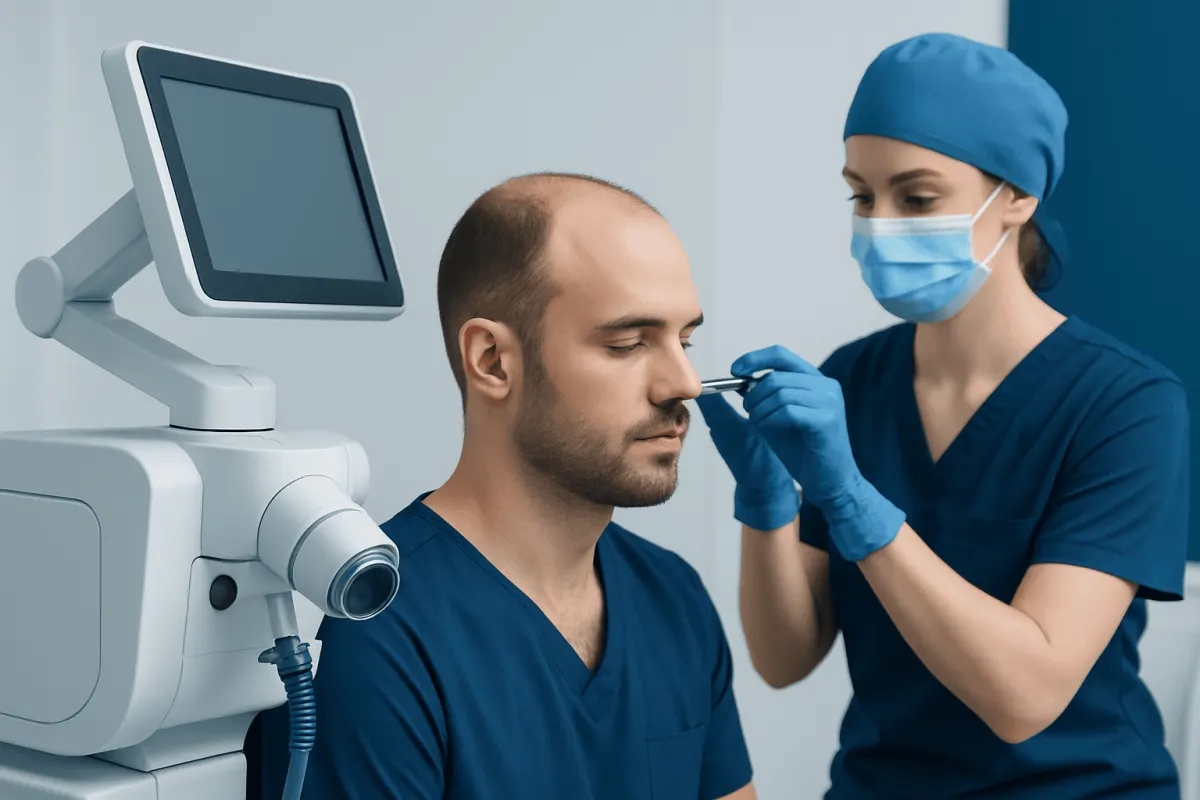
Hair transplant follicular unit extraction (FUE) is a surgical technique that transfers naturally occurring groups of hairs from a donor area, usually the back or sides of the scalp, to thinning areas. It may provide long-lasting, natural-looking coverage for suitable candidates, although results depend on the cause of hair loss, donor hair availability, careful planning, and aftercare.
What Hair Transplant Follicular Unit Extraction Is
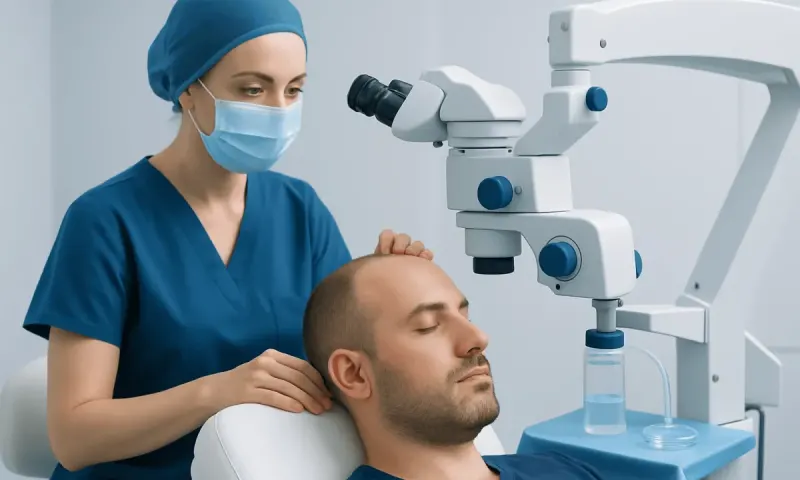
Hair transplant follicular unit extraction, commonly called FUE, is a method of surgical hair restoration. A surgeon removes follicular units, which are the small natural groupings of one to several hairs, from a donor area with sufficient density and places them into carefully prepared sites in areas of thinning or baldness. The back and sides of the scalp are most often used because hair in these areas is usually more resistant to pattern hair loss.
FUE is also referred to as follicular unit excision. Unlike follicular unit transplantation (FUT), sometimes called strip surgery, FUE does not involve removing a strip of scalp. Instead, individual units are taken with a small circular instrument. This leaves tiny dot-like scars that are often difficult to notice once healed, but FUE is not completely scar-free.
The procedure can improve coverage and hairline appearance, but it does not create new hair or stop the underlying process causing hair loss. A natural result relies on preserving the donor area, placing grafts at the correct angle and direction, and designing a hairline that will continue to look appropriate if hair loss progresses later.
Who May Be a Candidate for FUE
FUE may be considered for adults with stable or slowly progressing hair loss and an adequate supply of healthy donor hair. It is often used for male or female pattern hair loss, a receding hairline, thinning at the crown, or selected areas of hair loss from a healed scar. People who prefer to wear their hair relatively short may also value the absence of a linear donor scar.
Before recommending surgery, a qualified clinician should examine the scalp and discuss the pattern, duration, and likely cause of hair loss. Sudden shedding, patchy hair loss, scalp inflammation, scaling, or pain can point to a medical condition that needs assessment and treatment first. A transplant may be delayed when hair loss is active, unstable, or caused by an untreated scalp disorder.
Good candidacy is not based on age alone. The assessment considers donor density, hair shaft thickness, curl pattern, skin and hair color contrast, family history, medical conditions, smoking status, medications, and realistic expectations. Diffuse thinning in the donor area or limited donor reserves may make a person less suitable for FUE or require a more conservative plan.
FUE Procedure: What Happens on Treatment Day

Planning begins before surgery with photographs, scalp examination, donor-area assessment, and agreement on the treatment goals. The surgeon designs the recipient area, including the hairline where relevant, while aiming to preserve enough donor hair for the future. Hair may be trimmed or shaved in the donor area; the amount required depends on the technique and the extent of the procedure.
- The scalp is cleaned and local anesthetic is used to numb the donor and recipient areas.
- Individual follicular units are removed from the donor zone with a fine punch instrument.
- The grafts are checked, kept protected, and sorted as needed while the surgeon creates recipient sites.
- The grafts are placed one by one at planned angles, directions, and densities to support a natural appearance.
How long does Follicular Unit Extraction take?
A single FUE session commonly takes about four to eight hours, though the exact time depends on the number of grafts needed, the characteristics of the hair and scalp, and the surgical approach. Larger procedures may be divided into two consecutive days or planned as separate sessions. The person is usually awake under local anesthesia, with breaks for comfort as appropriate.
Recovery After FUE and Pain Control
Recovery after FUE is generally gradual but manageable. Small crusts form around the implanted hairs and donor sites in the first few days. Mild swelling, tightness, tenderness, itching, or temporary numbness can occur. The surgical team provides individualized instructions for washing, sleeping position, activity, and protection of the grafts during this early period.
Is Follicular Unit Extraction painful?
FUE is usually not painful during the procedure once local anesthesia has taken effect. The anesthetic injections may cause a brief stinging sensation, and some people notice pressure or pulling during surgery. Mild soreness or tenderness afterward is common and is typically managed with the aftercare plan recommended by the treating clinician.
In general, crusting improves within about one to two weeks. The transplanted hairs often shed two to eight weeks after surgery; this expected phase is sometimes called shock shedding and does not usually mean that the follicles have been lost. New growth may begin around three to four months, become more noticeable from six months onward, and continue to mature for 12 months or longer, particularly in the crown area.
FUE Results and Graft Survival
The goal of FUE is to achieve healthy graft growth and an appearance that fits the person’s existing hair pattern. Transplanted follicles generally keep many of the characteristics of the donor hair and can continue growing for years. However, the final appearance depends on the number of available grafts, existing hair density, hair texture, scalp characteristics, placement technique, and whether future hair loss affects nearby untreated areas.
What is the average success rate of Follicular Unit Extraction (FUE) for hair transplants?
There is no single success rate that applies to every FUE transplant because studies and clinics may measure success differently. In well-selected cases performed with careful graft handling, published experience commonly reports graft survival in the range of approximately 85% to 95%. Graft survival is not the same as satisfaction with density or proof that future hair loss has stopped, so an individual result cannot be guaranteed.
Early growth may look fine, uneven, or lighter than expected before the hairs thicken and mature. Follow-up appointments allow the clinician to monitor healing, discuss the growth pattern, and decide whether medical treatment or a later procedure could help protect the overall cosmetic result.
Benefits, Limitations, and Risks of FUE
A potential benefit of FUE is that it avoids a linear scar in the donor area. It may also allow selective harvesting across a wider donor region and can be useful for refining a hairline or treating smaller areas. When planned conservatively, it can provide natural-looking coverage using the person’s own growing hair.
What are the disadvantages of Follicular Unit Extraction (FUE)?
FUE can be time-consuming, particularly when many grafts are needed, and it may require trimming or shaving part of the donor area. The tiny donor scars may still be visible with a very closely shaved hairstyle. If too many grafts are removed, the donor region can look thinner; this makes proper assessment and conservative harvesting especially important.
As with any surgical procedure, FUE has possible risks, including bleeding, infection, swelling, delayed healing, folliculitis, temporary numbness, scarring, poor graft growth, or temporary shedding of existing hair. Uneven density or an unnatural-looking result can occur if graft placement or hairline planning is not appropriate. Choosing an experienced medical team and following aftercare instructions helps reduce, but cannot eliminate, these risks.
When to Seek Medical Care and Plan Ahead
Anyone considering FUE should seek a medical assessment before arranging surgery, especially if hair loss is sudden, rapidly worsening, patchy, associated with redness or scaling, or accompanied by other symptoms. These features may indicate a condition that requires diagnosis before hair transplantation is considered. People with chronic illnesses or those taking regular medicines should also discuss these factors with their clinician.
After FUE, the treating team should be contacted promptly for increasing pain, spreading redness, warmth, pus-like drainage, fever, persistent bleeding, or swelling that is worsening rather than improving. These symptoms are uncommon but should be assessed without delay. It is also important not to scratch, pick at crusts, or restart exercise and hair-care routines before receiving individualized guidance.
Because pattern hair loss can continue in non-transplanted hair, a doctor may discuss options such as topical or oral treatments when appropriate. These treatments have potential benefits and side effects, so they should be selected individually. At Acıbadem Health Point, multidisciplinary specialists at JCI-accredited hospitals can assess hair loss causes and provide FUE planning and follow-up care for international patients.
Frequently asked questions
01Does FUE leave scars?
FUE leaves small, round scars where follicular units are removed from the donor area. These marks often become difficult to see after healing, especially when surrounding hair is worn at a moderate length, but they may be visible with a very closely shaved hairstyle.
02Can FUE treat a receding hairline?
FUE can be used to restore or refine a receding hairline when there is adequate donor hair and the hair-loss pattern is suitable. The hairline should be designed conservatively, taking into account the person's age, facial proportions, family history, and the possibility of future hair loss.
03Do transplanted hairs fall out after FUE?
It is common for the visible transplanted hair shafts to shed during the first several weeks after FUE. The follicles usually remain beneath the skin and then begin a new growth cycle over the following months. Ongoing follow-up helps distinguish expected shedding from a problem that needs medical review.
04Can women have an FUE hair transplant?
Some women are suitable candidates for FUE, particularly when thinning follows a stable pattern and the donor area remains strong. However, diffuse thinning can also affect the donor area in women, so a detailed scalp assessment is important before surgery is planned.
05Can FUE be combined with hair-loss medicines?
Yes, a clinician may recommend medical treatment alongside FUE to help preserve existing, non-transplanted hair when appropriate. The choice depends on the cause of hair loss, medical history, and individual preferences. Prescription treatments should only be started, stopped, or changed with medical advice.
06When can exercise be resumed after FUE?
Light daily activity is often possible soon after the procedure, but strenuous exercise, heavy sweating, swimming, and activities that could bump or rub the scalp are usually restricted initially. The exact timing varies by healing progress and the surgeon's protocol. Following the specific aftercare instructions is the safest approach.
This article is for general information only and is not a substitute for professional medical advice. Please consult a qualified doctor about your individual situation.
Hair transplant in Turkey — costs, graft counts & a free assessment
JCI-accredited · board-certified surgeons · reply within 24h
Add us as a Preferred Source to see more of our trusted health content across Google Search, AI Overviews and Discover.