Hair Plug Infection: Causes, Symptoms, Diagnosis and Treatment

Key Takeaways
- Hair plug infection usually refers to an infection around transplanted hair grafts or the donor/recipient scalp area.
- Early symptoms can include increasing redness, warmth, pain, swelling, pus, or an unpleasant smell.
- The diagnosis is often based on a scalp examination, but cultures may be needed when the cause is unclear or symptoms persist.
- Treatment may include gentle wound care, prescription antibiotics, and close follow-up with the surgical team.
- Good aftercare, hand hygiene, and following post-procedure instructions help lower the risk of infection.
- Medical review is important if fever, spreading redness, severe pain, or graft loss occurs.
Hair plug infection is an uncommon but important complication after hair restoration procedures. It may cause redness, tenderness, swelling, drainage, or crusting on the scalp, and it should be assessed promptly so the right treatment can be started.
Overview
Hair plug infection is the common phrase many people use when an infection develops after a hair transplant or older “hair plug” procedure. In practical terms, it usually means bacteria have entered the scalp skin around transplanted grafts, donor sites, or healing incision areas, leading to irritation and infection.
Most modern hair restoration procedures are performed with careful sterile technique, so infection is not expected. Even so, the scalp is still a healing surgical area, and any break in the skin can allow germs to grow. For international patients planning treatment abroad, understanding what a normal recovery looks like versus what may suggest infection can make the post-procedure journey much easier to manage.
Many early scalp changes after transplantation are part of normal healing, such as mild redness, tiny scabs, or temporary itchiness. A hair plug infection is more concerning when symptoms become progressively worse instead of gradually improving. The goal is not to panic, but to notice changes early and seek advice from the treating doctor when needed.
Symptoms
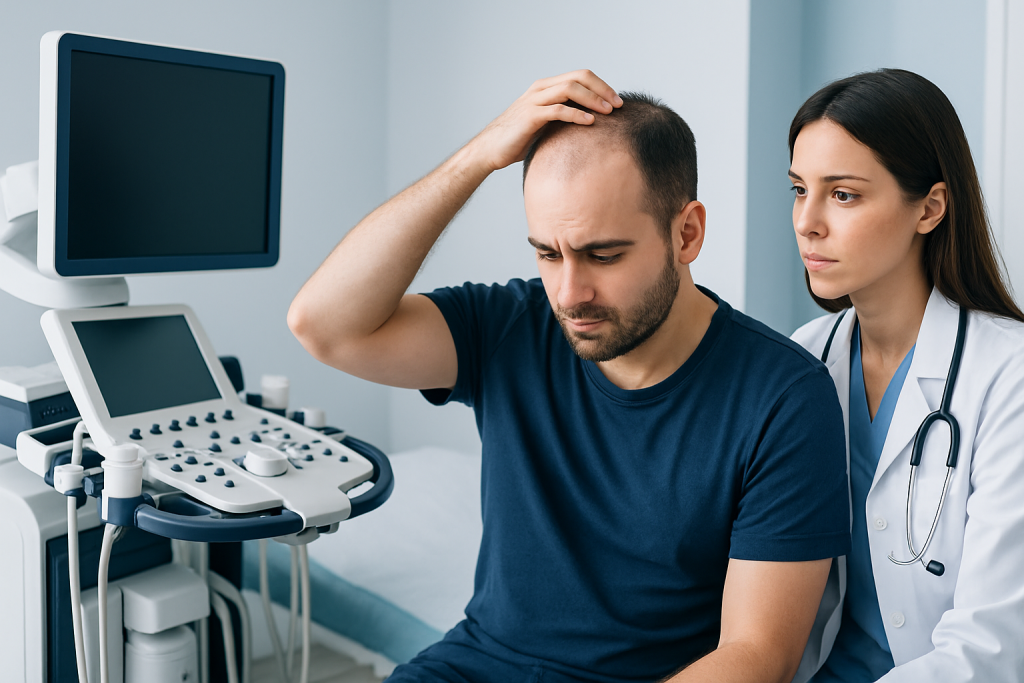
The first signs of a hair plug infection often show up in the days or weeks after the procedure. A person may notice that one area becomes more tender than the surrounding scalp, or that redness is spreading rather than fading. Some people also describe heat, swelling, or a throbbing sensation around individual grafts.
Other symptoms can include drainage, yellow or white pus, crusting that returns after being gently cleaned, or a foul-smelling discharge. Small bumps that resemble acne or folliculitis may appear around transplanted hair shafts. If the infection is more significant, the person may feel tired or develop a fever, although this is not always present.
It helps to compare healing day by day. Normal recovery usually improves gradually, while infection tends to become more painful, more swollen, or more visibly inflamed. If there is uncertainty, the safest step is to contact the surgical team rather than waiting for the problem to settle on its own.
- Increasing redness or warmth
- Worsening pain or tenderness
- Swelling around grafts or incisions
- Pus, drainage, or bad odor
- Fever or general unwellness
- Unexpected shedding with inflamed skin
Causes & Risk Factors

A hair plug infection develops when bacteria or, less commonly, other microorganisms multiply in healing scalp tissue. The risk is higher when the skin barrier has been disrupted by graft placement, donor harvesting, or any small wound that has not fully healed. In some cases, the infection begins as folliculitis, where the hair follicle becomes inflamed and then progresses.
Certain factors can make infection more likely. Touching the scalp with unwashed hands, scratching scabs, or not following aftercare instructions can introduce germs or irritate healing skin. Excessive sweating, poor wound care, smoking, diabetes, immune system problems, and previous skin infections may also raise the risk.
The procedure itself also matters. Longer operations, large treatment areas, repeated sessions, or any breakdown in sterile technique can increase the chance of bacterial contamination. For patients traveling internationally, it is especially important to know how follow-up care will be arranged, because delayed review can allow a minor infection to become more stubborn.
- Post-operative scratching or picking
- Inadequate scalp cleaning or overly aggressive cleaning
- Heavy sweating during early healing
- Smoking or poorly controlled diabetes
- History of skin infections or folliculitis
- Gaps in follow-up after returning home
Diagnosis
Diagnosis usually starts with a careful look at the scalp and a discussion of the recent procedure. A doctor will ask when the symptoms began, whether they are improving or worsening, and whether the person has had fever, drainage, or increasing pain. The pattern of redness, swelling, and discharge often gives strong clues.
In straightforward cases, a clinical examination may be enough to guide treatment. If the infection is not responding as expected, if there is significant pus, or if the cause is uncertain, the doctor may take a swab or culture from the area. This helps identify the germ involved and can guide antibiotic choice when treatment needs to be more targeted.
Sometimes a post-transplant scalp irritation is mistaken for infection. For example, normal healing crusts, temporary redness, or an inflammatory reaction can look alarming but do not always require antibiotics. A qualified clinician can distinguish between routine recovery, folliculitis, and a true surgical-site infection.
Treatment Options
Treatment depends on how severe the infection is and how far it has spread. Mild, localized infections may be managed with prescribed topical medication, gentle cleansing, and close observation. More pronounced infections often require oral antibiotics, and in some situations the doctor may need to drain a small abscess or remove trapped debris from the scalp.
Supportive care is also important. Patients are usually advised to keep the area clean as directed, avoid scratching, and protect the scalp from unnecessary friction. If pain is present, the treating doctor may suggest a suitable pain-relief approach that does not interfere with healing.
It is important not to self-treat with leftover antibiotics, harsh antiseptics, or home remedies that can delay healing or irritate the grafts. The specific therapy should match the exam findings and, when needed, the culture result. In rare cases where grafts are affected, the surgeon may need to assess whether any transplanted follicles have been compromised and how best to support healing going forward.
- Prescribed topical or oral antibiotics, when appropriate
- Gentle scalp cleansing as instructed by the surgeon
- Drainage of any localized abscess, if needed
- Follow-up visits to confirm improvement
- Reassessment if symptoms worsen or do not improve
Prevention & Self-care
Prevention begins before the procedure and continues throughout recovery. Choosing a qualified surgical team, following sterile post-operative instructions, and keeping the scalp clean are the most practical ways to reduce risk. Patients who are traveling should ask in advance how they will receive aftercare advice once they leave the country.
Simple daily habits can make a meaningful difference. Hands should be washed before touching the scalp, scabs should be left alone, and shampooing or rinsing should be done only as directed. It is also wise to avoid strenuous exercise, swimming, hats that rub tightly, and environments that cause heavy sweating during the early healing period unless the doctor says otherwise.
People with diabetes or other medical conditions that affect healing should let their clinician know before treatment and keep those conditions well managed. If a person notices a new bump, spreading redness, or drainage, the safest self-care step is to contact the care team early rather than trying to squeeze or pick at the area.
- Follow written aftercare instructions exactly
- Wash hands before scalp care
- Avoid scratching, picking, or rubbing the grafts
- Keep follow-up appointments, including remote check-ins if traveling
- Manage diabetes, smoking, and other healing-related risks
- Seek advice quickly for any worsening change
When to See a Doctor
Medical review is recommended if redness, pain, or swelling is becoming worse instead of better after a hair restoration procedure. A doctor should also be contacted if there is pus, a bad smell, a new fever, or a tender lump that seems to be filling with fluid. These signs do not always mean a serious problem, but they do deserve prompt assessment.
Anyone who notices spreading redness beyond the transplant area, trouble sleeping because of pain, or loss of transplanted grafts alongside inflammation should seek care quickly. The same is true if symptoms do not improve after a few days of basic aftercare or if the person has a condition that makes infections harder to control.
If treatment was performed abroad, patients should not hesitate to send photos or arrange a follow-up consultation with the operating clinic. Acibadem Health Point’s multidisciplinary specialists and JCI-accredited hospitals diagnose and treat this condition for international patients, helping coordinate care when a person needs review during recovery or after travel.
Infection after hair restoration is usually manageable when recognized early. Timely review helps protect the scalp, support graft survival, and reduce the chance of longer-term scarring or delayed healing.
Living Through Recovery
Recovery can feel unexpectedly detailed after a hair procedure, especially for patients returning home soon after treatment. It helps to think of the first weeks as a monitoring period, when small changes are more informative than a single snapshot. A slight improvement each day is reassuring; worsening inflammation deserves a call to the clinic.
Keeping a simple record can be useful. Some patients take daily photos in the same lighting to compare redness, swelling, or drainage over time. This is particularly helpful for international patients who may need to consult a doctor in another time zone or explain their symptoms to a local clinician.
Even when an infection is confirmed, many cases settle well with appropriate treatment and follow-up. The main objective is to protect the healing scalp, support the transplanted follicles, and prevent the infection from becoming more extensive than it needs to be.
Frequently Overlooked Questions
People often ask whether an infection means the transplant has failed. Not necessarily. Many infections are localized and respond well to treatment, especially when addressed early, although the doctor will need to check whether any grafts were affected.
Another common concern is whether all redness means infection. It does not. Mild redness is often part of normal healing, which is why the trend over time matters more than a single moment in the mirror. A trained eye can usually tell whether the scalp is healing normally or needs treatment.
Finally, patients sometimes wonder whether they can wait until they return home before seeking help. If symptoms are mild and clearly improving, the surgeon may simply advise observation. But if pain, swelling, or drainage is increasing, the safer choice is to contact a clinician without delay.
Information in this article is based on established medical guidance and general clinical practice for surgical-site infections and hair restoration aftercare. Readers should use it as educational information and not as a substitute for personal medical advice.
When symptoms suggest infection, a qualified doctor can determine whether the scalp changes are part of normal healing, folliculitis, or a true infection requiring treatment.
Frequently asked questions
01What is a hair plug infection?
It is an infection that develops in or around transplanted hair grafts, donor sites, or healing scalp tissue after a hair restoration procedure. The term is often used broadly, even though modern techniques are more commonly called hair transplants. A doctor can confirm whether the problem is true infection or normal healing.
02How can someone tell the difference between healing and infection?
Normal healing usually becomes less red, less tender, and less swollen over time. Infection is more likely when redness spreads, pain increases, pus appears, or symptoms worsen instead of improving. If there is any doubt, it is better to have the scalp checked.
03Can a hair plug infection damage the grafts?
It can, especially if the infection is severe or not treated early. Many localized infections respond well to treatment and do not cause major long-term problems. Prompt medical review helps protect the grafts and the surrounding scalp.
04Do hair plug infections always need antibiotics?
Not always, but many confirmed infections do require prescription treatment. The choice depends on the severity, the exam findings, and sometimes culture results. A doctor should decide whether topical care, oral medication, or another approach is most appropriate.
05Is folliculitis the same as a hair plug infection?
Folliculitis is inflammation or infection of a hair follicle, and it can happen after hair restoration. It may be mild and limited, or it may progress into a larger surgical-site infection. A clinician can tell the difference and guide treatment.
06When should a patient contact the clinic after traveling home?
They should contact the clinic if redness, swelling, pain, or drainage is getting worse, or if fever or spreading redness appears. Sending photos and symptom updates can help the surgical team advise next steps. Early communication is especially useful for patients recovering far from the procedure site.
This article is for general information only and is not a substitute for professional medical advice. Please consult a qualified doctor about your individual situation.
Hair transplant in Turkey — costs, graft counts & a free assessment
JCI-accredited · board-certified surgeons · reply within 24h
Add us as a Preferred Source to see more of our trusted health content across Google Search, AI Overviews and Discover.