Gastroscopy vs Endoscopy: Key Differences Explained

Key Takeaways
- Endoscopy is a broad term for looking inside the body with a camera or scope.
- Gastroscopy is a specific type of endoscopy that examines the upper digestive tract.
- The right test depends on the symptoms, the suspected condition, and which part of the body needs to be checked.
- Preparation, sedation options, and recovery instructions can vary between procedures and clinics.
- A doctor should be consulted if symptoms persist, worsen, or include warning signs such as bleeding or unexplained weight loss.
Gastroscopy is a type of endoscopy, not a separate category of test. This article explains how they differ, what each can diagnose, and what patients can expect before, during, and after the procedure.
Overview
When people compare gastroscopy vs endoscopy, the key point is simple: gastroscopy is one kind of endoscopy. Endoscopy is the broader medical term for procedures that use a thin tube with a camera to examine the inside of the body, while gastroscopy focuses on the upper digestive tract — usually the oesophagus, stomach, and the first part of the small intestine.
This distinction matters because patients often hear both words during appointments, travel planning, or test discussions and assume they describe two completely separate procedures. In practice, a doctor chooses the most appropriate endoscopic examination based on the symptoms, the suspected cause, and the area that needs a closer look.
For international patients, understanding the wording can make the care journey easier to follow. It helps them ask better questions about preparation, sedation, recovery time, and whether biopsies or treatment can be done at the same visit.
What Endoscopy Means
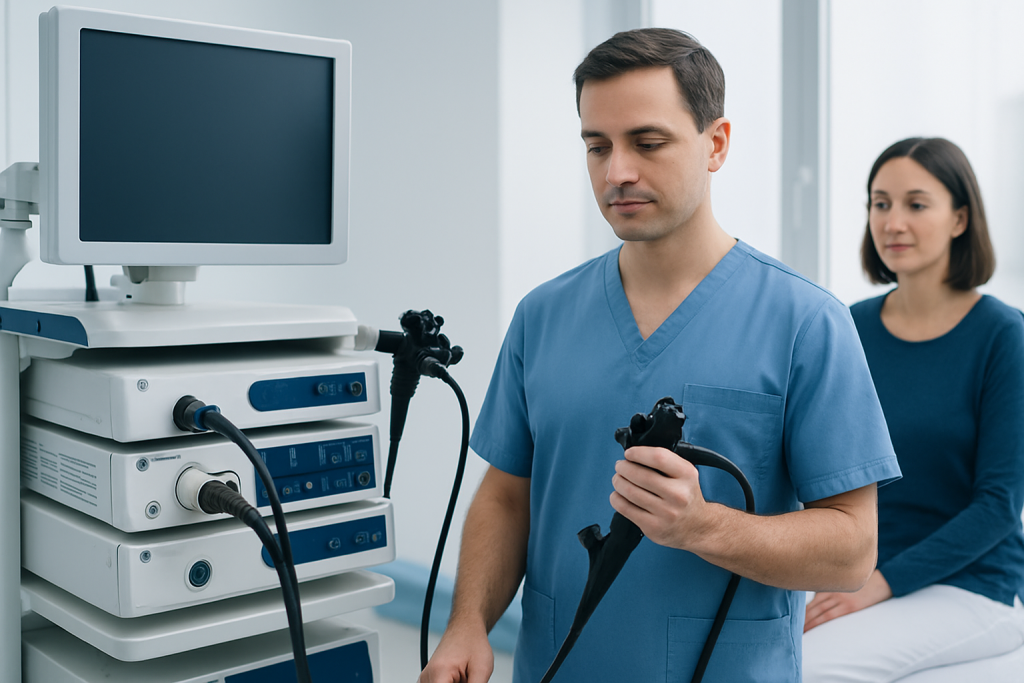
Endoscopy is an umbrella term. It describes a group of procedures in which a flexible instrument, often called an endoscope, is used to inspect body cavities and organs from the inside. Depending on the area being examined, the test may be called colonoscopy, bronchoscopy, cystoscopy, hysteroscopy, or gastroscopy.
Some endoscopies are diagnostic only, meaning they help doctors identify a problem. Others are therapeutic, meaning the doctor can also treat a finding during the procedure. For example, an endoscopy may be used to take tissue samples, remove a polyp, stop bleeding, or widen a narrowed area.
The term itself does not tell the patient which organ is being checked. That is why the more specific name is important. A doctor may say “endoscopy” in a general sense, but the exact procedure usually becomes clear from the body part under investigation.
What Gastroscopy Examines
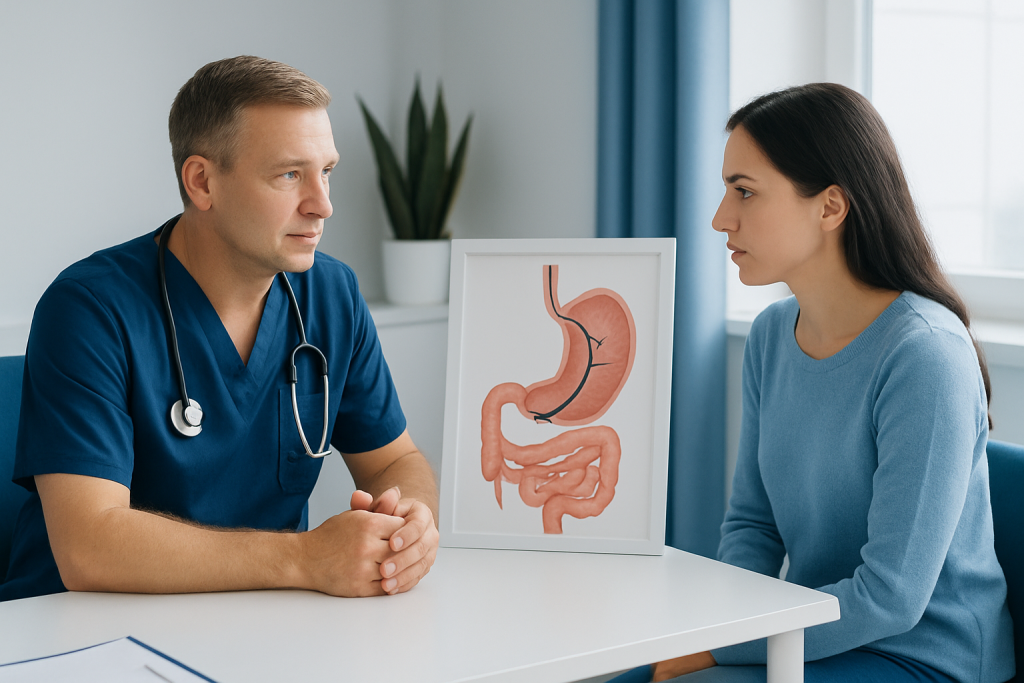
Gastroscopy is a specific upper gastrointestinal endoscopy. It is mainly used to inspect the lining of the oesophagus, stomach, and duodenum. Because these areas are seen directly, gastroscopy can identify inflammation, ulcers, reflux-related damage, bleeding sources, and some types of growths or narrowing.
The test is often recommended for symptoms such as persistent heartburn, swallowing difficulties, upper abdominal pain, nausea, vomiting, anaemia without a clear cause, or suspected bleeding in the digestive tract. It can also be used to monitor known conditions, such as Barrett’s oesophagus or ulcers, depending on the doctor’s advice.
During a gastroscopy, the doctor may take small samples called biopsies. These samples are not always needed, but they can help confirm infection, inflammation, coeliac disease, or other conditions that may not be visible to the naked eye.
Symptoms and Reasons a Doctor May Recommend One Test Over Another
The choice between a general endoscopic procedure and gastroscopy is usually driven by symptoms and the suspected location of the problem. Upper digestive symptoms point toward gastroscopy, while lower digestive complaints may lead to a different procedure, such as colonoscopy. In some cases, imaging or blood tests are done first before an endoscopy is scheduled.
- Possible reasons for gastroscopy: ongoing reflux, difficulty swallowing, upper abdominal discomfort, black stools, unexplained iron-deficiency anaemia, or vomiting blood.
- Possible reasons for other endoscopies: bowel habit changes, rectal bleeding, chronic cough linked to airway assessment, urinary symptoms, or gynaecological concerns.
The important takeaway is that endoscopy is not one single test. It is a family of procedures, and the doctor selects the version that matches the patient’s symptoms and medical history.
That is especially relevant for patients traveling for care, because the exact name on the appointment letter may refer to a broad service line rather than a single organ. A pre-procedure consultation should clarify what area will be examined and whether any treatment can be performed at the same time.
How the Procedures Are Done
Although the exact setup depends on the type of endoscopy, the basic approach is similar. The patient is usually asked to fast for a period beforehand, especially for gastroscopy, so the stomach is empty and the view is clear. A local numbing spray, sedation, or both may be offered depending on the clinic and the patient’s needs.
For gastroscopy, the endoscope is gently passed through the mouth into the oesophagus and stomach. The procedure is usually short, and the medical team watches the image on a screen while carefully moving the scope. If needed, they may take biopsies, which typically do not cause pain.
Other endoscopies use different entry points, such as the rectum or a natural body opening relevant to the organ being examined. The experience may differ in length, preparation, and aftercare, so patients should always confirm the instructions for their specific test rather than relying on general endoscopy advice.
Diagnosis: What Doctors Look For
Endoscopy is valued because it allows direct visual inspection, which is often more informative than symptoms alone. In gastroscopy, doctors may look for redness, swelling, erosions, ulcers, varices, growths, or changes in the lining that suggest chronic irritation or infection.
If a suspicious area is seen, a biopsy can provide additional information under the microscope. This helps doctors distinguish between benign irritation, infection, precancerous change, and other conditions that can look similar during the procedure.
Not every endoscopic examination leads to a diagnosis on the spot. Sometimes the scope shows a normal-looking lining, yet symptoms still need follow-up. In those cases, the doctor may combine the endoscopy findings with laboratory tests, imaging, or longer-term clinical review.
Treatment Options and What Can Be Done During the Procedure
One of the practical advantages of endoscopy is that diagnosis and treatment may happen together. During gastroscopy, a doctor may be able to stop minor bleeding, stretch a narrowed segment, remove small polyps, or collect tissue samples for testing.
Not every finding is treated immediately. Some conditions require medication, dietary changes, follow-up imaging, repeat endoscopy, or referral to another specialist. The procedure is therefore best understood as part of a care pathway rather than a stand-alone event.
For patients coming from abroad, it is useful to ask in advance whether treatment can be completed in the same appointment, whether pathology results will be available after travel, and how follow-up will be arranged once they return home. A clear plan reduces confusion and helps the recovery process stay smooth.
Preparation, Recovery, and When to Seek Help
Preparation depends on the specific test, but fasting instructions are common for gastroscopy. Patients may also be asked to review current medicines, especially blood thinners, diabetes treatment, or anything that may affect sedation or bleeding risk. The clinical team should give personalised instructions rather than relying on general advice.
After the procedure, mild throat discomfort, bloating, or drowsiness can occur, particularly if sedation was used. These effects usually settle fairly quickly. Patients are typically advised not to drive, make important decisions, or travel alone immediately after sedation unless the team confirms it is safe.
Medical advice should be sought promptly if there is:
- severe or worsening abdominal pain
- vomiting that continues or contains blood
- black or tarry stools after the procedure
- trouble breathing or swallowing
- fever or signs of infection
For many patients, the biggest challenge is not the test itself but coordinating it with work, travel, and follow-up. A good clinic will explain what recovery looks like, when normal eating can resume, and how to receive results once the patient is back home.
Prevention, Self-Care, and Choosing the Right Evaluation
Not every digestive symptom can be prevented, but healthy habits may reduce irritation of the upper gastrointestinal tract. Balanced meals, limiting trigger foods if reflux is an issue, avoiding smoking, moderating alcohol, and using medicines only as directed can all support digestive health.
Self-care also means not ignoring symptoms that keep returning. Persistent indigestion, swallowing difficulty, unexplained weight loss, or signs of bleeding deserve medical review even if they seem mild at first. Early assessment often leads to simpler treatment and less uncertainty.
When a patient is deciding where to seek care, especially across borders, it helps to look for a team that can explain the procedure clearly, coordinate pathology and follow-up, and support recovery in a patient’s preferred language where possible. At Acibadem Health Point, multidisciplinary specialists and JCI-accredited hospitals diagnose and treat digestive conditions for international patients with this kind of coordinated approach.
Frequently asked questions
01Is gastroscopy the same as endoscopy?
Not exactly. Endoscopy is the general term for looking inside the body with a scope, while gastroscopy is a specific type of endoscopy used for the upper digestive tract. So gastroscopy is one form of endoscopy, not a different category altogether.
02Why would a doctor order a gastroscopy?
A doctor may recommend gastroscopy for symptoms such as persistent heartburn, difficulty swallowing, upper abdominal pain, vomiting, anaemia, or suspected bleeding. It can also help monitor known conditions or check a finding that needs a closer look. The goal is to see the lining directly and, if needed, take biopsies.
03Is gastroscopy painful?
Most patients describe it as uncomfortable rather than painful, especially when sedation or throat numbing is used. The medical team aims to keep the procedure as safe and tolerable as possible. Any discomfort usually settles soon after the test is finished.
04How long does recovery take after gastroscopy?
Recovery is often short, but it depends on whether sedation was given and whether any treatment or biopsy was performed. Many people feel back to normal the same day, although they may need a companion and should avoid driving for a while if sedated. The clinic should provide specific aftercare instructions.
05Can endoscopy find cancer?
Endoscopy can detect suspicious areas that need further testing, and biopsies can help confirm whether a growth is benign, precancerous, or cancerous. It does not automatically mean cancer is present, and many findings are not cancer-related. The test is one part of a careful diagnostic process.
06What should a patient ask before travelling for gastroscopy?
It helps to ask what exact procedure is planned, how to prepare, whether sedation will be used, and when results will be available. Patients should also confirm how follow-up will happen once they return home. Clear planning makes cross-border care much easier to manage.
This article is for general information only and is not a substitute for professional medical advice. Please consult a qualified doctor about your individual situation.
Persistent digestive symptoms? Get evaluated in Turkey
JCI-accredited · board-certified surgeons · reply within 24h
Add us as a Preferred Source to see more of our trusted health content across Google Search, AI Overviews and Discover.