Gum Grafts Cover Exposed Roots Caused by Receding Gums
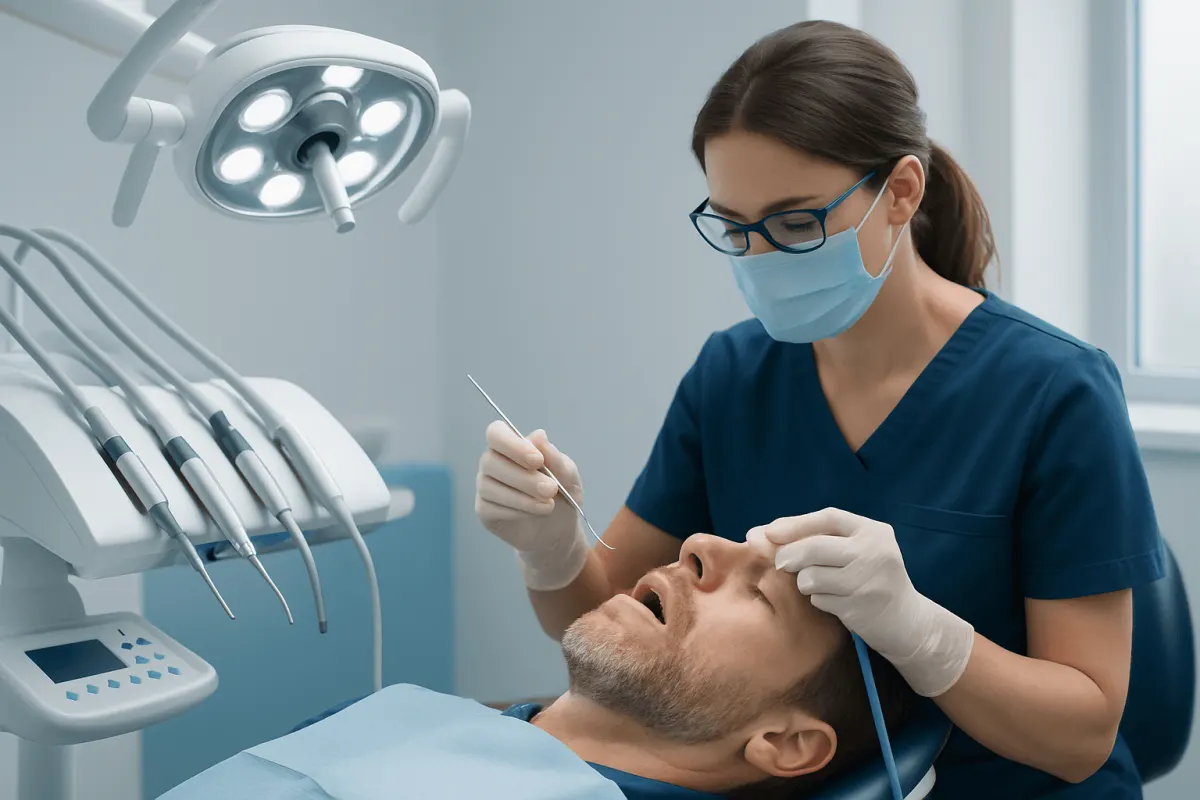
Has one of your teeth started to look longer than the rest? Maybe a sip of cold water makes you wince. Those are classic signs that the gums have pulled back and left the tooth root exposed.
A gum graft treats that recession by moving tissue to the areas where the gums have pulled back. It can reduce tooth sensitivity, help protect tooth roots, and improve long-term gum health when paired with good oral hygiene and follow-up care.
What Is a Gum Graft and Why Is It Done?
A gum graft is a dental procedure that places healthy tissue over areas where the gums have receded. In simple terms, it helps cover exposed tooth roots. Dentists and periodontists use it to protect vulnerable teeth, reduce sensitivity, and support healthier gums.
Gum recession can happen gradually, so some people do not notice it at first. Others become aware of it when a tooth looks longer, feels sensitive to cold or brushing, or develops a notch near the gumline. When the root surface is exposed, it is more prone to wear, decay, and irritation than enamel-covered parts of the tooth.
This is not just about looks. Yes, your smile may look better afterwards, but the real point is functional: to restore coverage where the gums have pulled away and to create a more stable gum margin. In many cases, the procedure is part of a broader plan to manage gum disease or other factors contributing to recession.
The exact approach depends on the pattern of recession, the thickness of the existing gums, and whether there is active inflammation. Before treatment, the dental team typically makes sure the mouth is as healthy as possible so the graft has a better chance of healing well.
Signs, Symptoms, and Effects of Gum Recession
Not everyone with gum recession has obvious symptoms, especially early on. Many people first notice that one or more teeth appear longer than before. Others become concerned about sharp sensitivity when eating cold foods, drinking hot beverages, or breathing in cool air.
Common signs and effects can include:
- Visible root exposure
- Tooth sensitivity
- A notch or worn area near the gumline
- Teeth that look longer or uneven
- Redness or irritation around the gums
- Bleeding when brushing or flossing, especially if inflammation is present
Recession does not always mean severe disease. Still, do not ignore it. Exposed roots do not have the same protective enamel covering as the crown of the tooth. Over time, this can increase the chance of root decay, abrasion from brushing, and discomfort during normal eating and cleaning.
If recession is linked to advanced periodontal problems, teeth may also feel loose or spaces may appear between them. In these situations, the dentist or periodontist usually evaluates the gums, bone support, and oral hygiene closely before deciding whether grafting, deep cleaning, or another periodontal treatment is most appropriate.
What Causes Gum Recession and Who Is at Risk?
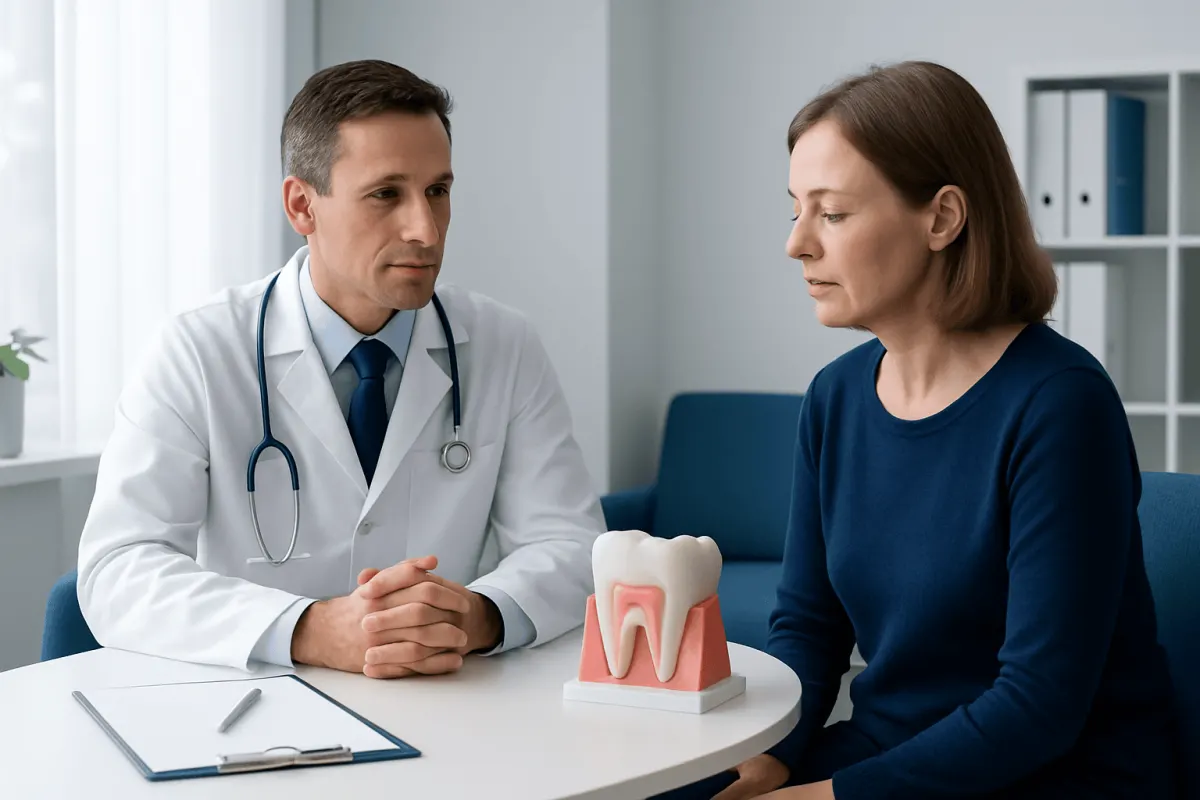
Gum recession has more than one cause, and successful treatment depends on identifying what is driving it. A gum graft can cover exposed areas, but if the underlying cause is not addressed, recession can continue or return in other places.
One common cause is periodontal inflammation. Bacterial plaque can irritate the gums and damage the tissues and bone that support the teeth. In some cases, people may need treatment for periodontal care before or alongside grafting. Mechanical factors also matter. Brushing too hard, using a hard-bristled toothbrush, or repeatedly scrubbing the gumline can wear tissue away over time.
Other contributors include thin natural gum tissue, tooth crowding or misalignment, grinding or clenching, tobacco use, lip or tongue piercings that rub the gums, and previous orthodontic movement in susceptible areas. Recession may also occur around teeth that sit outside the ideal bony housing or around restorations that are difficult to keep clean.
Risk tends to be higher in people with poor plaque control, existing gum disease, a history of aggressive brushing, or a family tendency toward thinner periodontal tissues. Because several factors often overlap, the best plan usually includes both surgery when needed and long-term steps to protect the gums afterward.
Types of Gum Graft Procedures and How Dentists Choose
No single gum graft technique suits everyone. The choice depends on how much root is exposed, how many teeth are involved, the thickness of the nearby tissue, and whether the goal is mainly root coverage, tissue thickening, or both.
One common option is a connective tissue graft. In this method, tissue is often taken from under the surface of the palate and placed over the recessed area. This approach is widely used because it can provide reliable coverage and improve tissue thickness. A free gingival graft uses tissue from the roof of the mouth more directly and may be selected when the main goal is to increase the band of firm gum tissue.
Another option is a pedicle or laterally positioned graft, where tissue from a nearby area is moved to cover the exposed root. In selected cases, dentists may also use donor tissue materials rather than taking tissue from the patient’s palate. These materials can be useful when multiple sites are involved or when minimizing a second surgical area is preferred.
Your dental specialist may use imaging, periodontal measurements, and a close clinical exam to decide which technique is most suitable. If recession is related to bite issues, tooth position, or bone support, the care plan may also include other treatments such as dental treatment to support lasting results.
Evaluation, Preparation, and What Happens During the Procedure
Before a gum graft, the dentist or periodontist usually assesses gum health in detail. This includes measuring recession depth, checking for bleeding and plaque buildup, reviewing medical history, and looking at how the teeth come together. Any active infection or significant inflammation is generally treated first, since healthier tissues tend to heal better.
Preparation may include professional cleaning, changes to brushing technique, and instructions to stop tobacco use if possible. Patients may also be advised about medicines, home care, and what to eat after the procedure. If there is marked plaque-related inflammation, a clinician may first recommend treatment similar to that used for professional teeth cleaning and periodontal stabilization before surgery.
During the procedure, the area is numbed with local anesthesia. The dentist then prepares the exposed root surface and places graft tissue over or around it, securing it with fine sutures. Depending on the technique, tissue may come from the palate, a nearby gum area, or a processed donor material. The goal is to protect the root and encourage the tissues to integrate in a stable position.
Most gum graft procedures are completed on an outpatient basis. Patients usually go home the same day with written recovery instructions. The first few days often involve mild to moderate discomfort, but many people manage this well with the guidance provided by their dental team.
Recovery, Healing, Benefits, and Possible Risks
Healing takes time, and those first days matter most. Patients are often told to avoid brushing directly over the grafted site for a period recommended by the clinician, to use a prescribed rinse if advised, and to choose soft foods while the area settles. Temporary swelling, mild bleeding, tenderness, and a tight feeling in the gums can occur during the first days.
Benefits of a successful gum graft may include less sensitivity, better root protection, easier cleaning, and a healthier gum contour. Some patients also appreciate the cosmetic improvement when one tooth looked noticeably longer than the others. However, healing varies, and the final appearance may continue to refine over several weeks or months.
Like any procedure, this one carries some risks. These can include discomfort at the donor site, bleeding, infection, swelling, delayed healing, or incomplete root coverage. In some cases, the graft may not attach as expected, especially if there is smoking, ongoing inflammation, or trauma to the area during healing.
Follow-up visits are important so the clinician can monitor healing and remove sutures if needed. Acıbadem Health Point’s multidisciplinary specialists in JCI-accredited hospitals diagnose and treat oral and periodontal conditions for international patients, with treatment plans based on individual dental findings and overall health.
How to Protect Your Results and Support Gum Health
What you do every day at home matters as much as the surgery itself. Gentle brushing with a soft toothbrush, regular flossing or interdental cleaning as advised, and routine dental visits all help reduce inflammation that can damage the gums again.
Many patients benefit from reviewing brushing technique with a dentist or hygienist. A common mistake is brushing side to side with too much pressure at the gumline. A gentler method can clean effectively while reducing trauma. If clenching or grinding is suspected, a dental professional may discuss ways to reduce stress on the teeth and supporting tissues.
Everyday habits count too. Avoiding tobacco supports blood flow and healing. Managing conditions that affect oral health, such as diabetes, can also help protect the gums when done in partnership with a physician. If teeth are crowded, difficult to clean, or positioned in a way that contributes to recession, the dental team may recommend further evaluation.
Patients should continue regular checkups even when symptoms improve. Recurrence is not inevitable, but monitoring allows small changes to be identified early. Ongoing preventive care is often the best way to protect both the gum graft and the teeth it was placed to support.
When to Seek Medical Care
Book a dental check if your gums seem to be pulling back, your teeth look longer, or sensitivity near the gumline is getting worse. Early assessment can help identify whether the issue is simple irritation, mechanical wear, or a sign of more significant periodontal disease.
After a gum graft, patients should contact their dentist promptly if they have persistent bleeding, worsening swelling, fever, severe pain that is not improving, or a graft area that appears to be separating or turning increasingly discolored. These signs do not always mean a serious problem, but they deserve professional review.
People with loose teeth, pus around the gums, bad taste that does not improve, or difficulty chewing should also seek care without delay. Those with chronic health conditions or medicines that affect healing may need closer follow-up and should keep all postoperative appointments.
Grafts work best when the care team treats both the recession and whatever caused it. So seeing a qualified dentist or periodontist early is the safest way to work out whether monitoring, nonsurgical treatment, or grafting is your best next step.
Frequently asked questions
01Is a gum graft necessary for every case of gum recession?
No. Some mild or stable areas of recession can be monitored, especially if there is little sensitivity and no ongoing damage. A dentist or periodontist recommends a gum graft when root exposure is causing symptoms, increasing risk to the tooth, or likely to worsen without treatment.
02How painful is gum graft surgery?
The procedure itself is usually done under local anesthesia, so the area is numbed during treatment. Afterward, soreness and tenderness are common for a few days, especially if tissue was taken from the palate, but symptoms are often manageable with the care instructions given by the dental team.
03How long does gum graft recovery take?
Early healing often takes one to two weeks, but full tissue maturation can take longer. During this time, patients are usually asked to protect the area, follow a soft diet for a period, and avoid direct brushing over the graft until their clinician says it is safe.
04Can a gum graft fail?
Yes, although many grafts heal well when carefully planned and supported by good aftercare. Smoking, infection, trauma to the grafted area, poor plaque control, or certain tissue conditions can reduce the chance of success.
05Will a gum graft completely cover the exposed root?
Not always. The amount of root coverage depends on the type and severity of recession, the surrounding bone and gum tissue, and the technique used. A periodontist can usually explain what degree of coverage is realistic before treatment.
06Can gums grow back without a gum graft?
Gum tissue that has significantly receded generally does not regrow on its own to its original position. Good oral hygiene and treating the cause can help prevent further recession, but established root exposure often needs professional management if coverage is desired.
This article is for general information only and is not a substitute for professional medical advice. Please consult a qualified doctor about your individual situation.
Hair transplant in Turkey — costs, graft counts & a free assessment
JCI-accredited · board-certified surgeons · reply within 24h
Add us as a Preferred Source to see more of our trusted health content across Google Search, AI Overviews and Discover.