Fiber Application in Dentistry: When Is It Used to Save a Tooth?
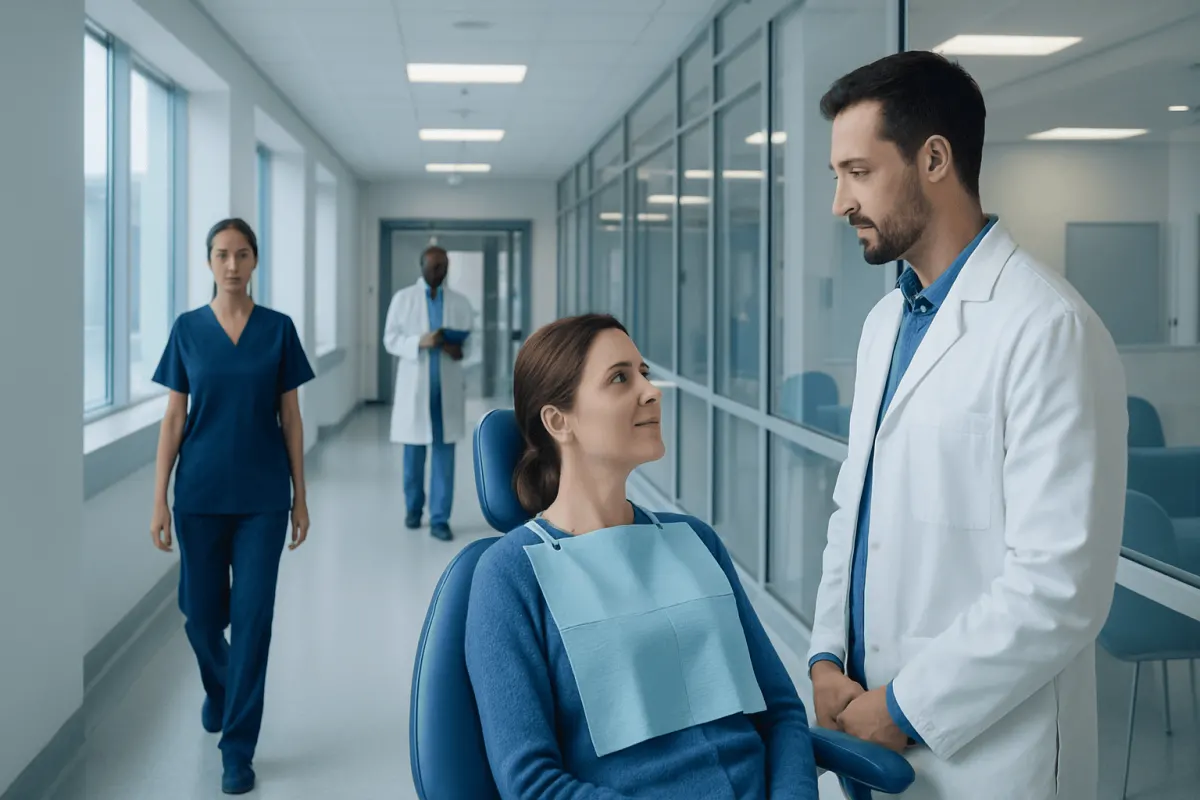
Fiber application in dentistry is a conservative technique used to strengthen, support, or stabilize damaged teeth. In selected cases, it can help save a tooth by reinforcing remaining tooth structure and supporting modern restorative treatment.
Overview: What Is Fiber Application in Dentistry?
Fiber application in dentistry refers to the use of special fiber-reinforced materials to support and strengthen teeth or dental restorations. These fibers are commonly made from glass or similar high-strength materials and are combined with dental resin. The goal is to improve durability while preserving as much natural tooth structure as possible.
Dentists may use fiber in several ways. A common example is a fiber post placed inside a root canal-treated tooth to help support a filling or crown when a large part of the crown has been lost. Fiber can also be used to splint mobile teeth, reinforce composite restorations, or support temporary and conservative solutions in selected cases.
One reason this method is valued is that it can be less invasive than some traditional options. Fiber materials are tooth-colored, bond well to modern dental adhesives, and can distribute chewing forces in a way that may be kinder to the remaining tooth. For many patients, this makes fiber application both functional and esthetically acceptable.
Although fiber can be very helpful, it is not a universal solution. The dentist must first determine whether the tooth has enough healthy root and surrounding bone to make preservation realistic. When conditions are favorable, fiber application may be part of a tooth-saving treatment plan.
When Is Fiber Used to Save a Tooth?
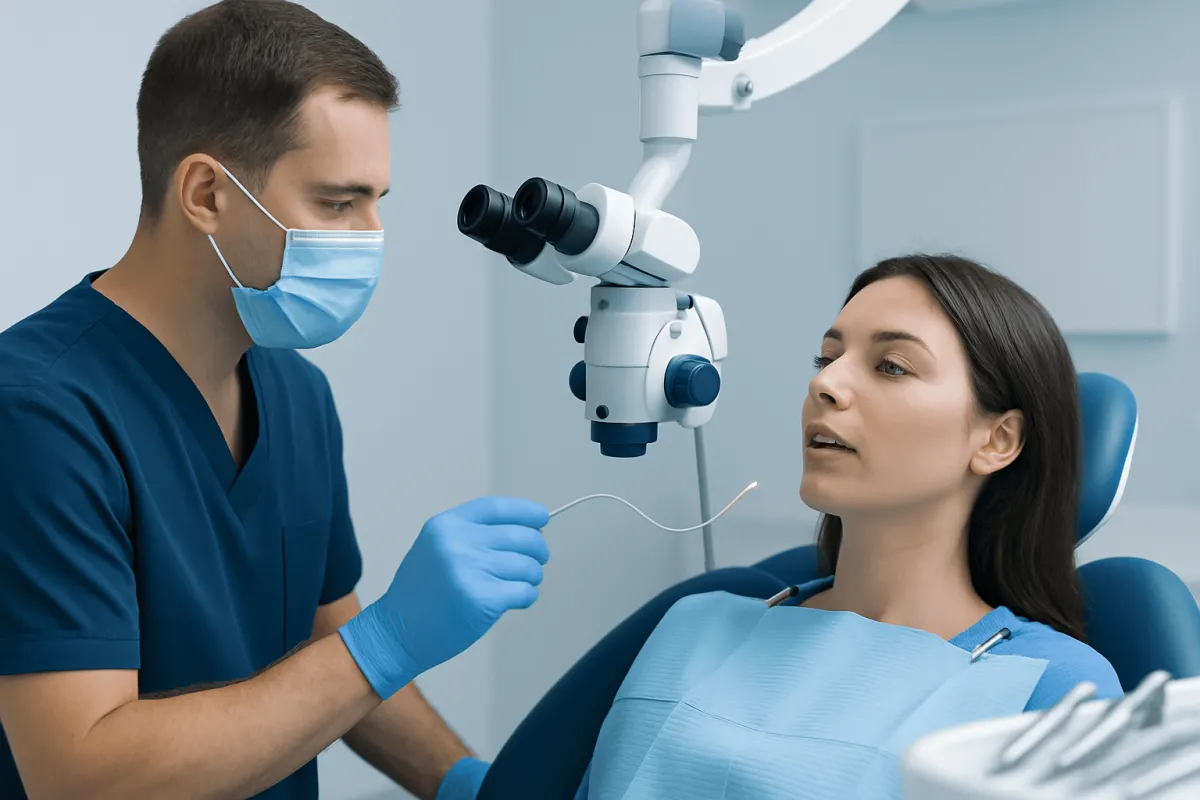
Fiber is most often used when a tooth is weakened but not beyond repair. This may happen after extensive decay, a large old filling, trauma, or root canal treatment. In these situations, the tooth may still have a healthy root and adequate support in the jaw, but the visible part of the tooth no longer has enough strength on its own.
After root canal treatment, a tooth can become more brittle over time, especially if much of its original structure has already been lost. A fiber post may help retain the core buildup that recreates the missing part of the tooth before a crown is placed. This can be an important step in comprehensive endodontic treatment and restoration.
Fiber may also be used to stabilize teeth that have become loose due to trauma or gum-related support loss, provided the situation is suitable and any underlying inflammation is managed. In some cases, a fiber splint is bonded to neighboring teeth to reduce movement while healing or supportive treatment takes place.
Other uses include reinforcing direct tooth-colored restorations, building minimally invasive bridges in selected short-term or provisional situations, and supporting conservative esthetic repairs. The exact choice depends on the tooth’s location, bite forces, oral hygiene, and long-term treatment goals.
Symptoms and Situations That May Lead to Fiber Treatment

Patients do not usually notice a specific symptom that means fiber is needed. Instead, the need is often identified during dental examination after a tooth has become damaged or weakened. A person may present with a broken tooth, repeated loss of a filling, discomfort while chewing, or concern that a root canal-treated tooth feels fragile.
In other cases, the issue may be mobility. A tooth that moves more than normal after an injury or because of reduced gum and bone support may sometimes benefit from splinting. Visible cracks, a large missing portion of the crown, or a tooth that can no longer securely hold a standard filling are other common situations.
Signs that often prompt a detailed assessment include:
- A tooth fractured after biting or trauma
- Large decay that has destroyed much of the crown
- A root canal-treated tooth with little remaining structure
- Repeated failure of large fillings
- Tooth mobility after injury or periodontal problems
- Need for a more conservative alternative before extraction or replacement
These situations do not always mean fiber is the best answer, but they often lead the dentist to consider whether reinforcement could help preserve the natural tooth. If the tooth cannot be saved predictably, other options such as a crown, bridge, or dental implant may be discussed.
How Dentists Decide Whether a Tooth Can Be Saved
The decision begins with a full dental examination. The dentist assesses how much healthy tooth remains above and below the gumline, whether there is decay extending into the root, and whether the tooth has a crack or fracture that makes long-term survival unlikely. X-rays are usually needed to evaluate the root, surrounding bone, and any signs of infection.
For a fiber-supported restoration to work well, the root must usually be sound and the gum and bone support must be reasonably stable. The bite is also important. Teeth exposed to very high chewing forces, severe grinding, or unfavorable alignment may need additional protection or a different treatment plan.
If the tooth has had a root canal, the quality of that treatment is reviewed. The dentist may look for persistent infection, untreated canals, or structural weaknesses. In some cases, retreatment is needed before reinforcement. A tooth with extensive structural loss may also need a dental crown after the fiber-supported buildup to improve protection.
Diagnosis may include clinical photos, digital scans, bite assessment, and periodontal evaluation. Modern workflows in digital dentistry can help the team plan restorations precisely. The aim is always to choose the most predictable way to save function, comfort, and long-term oral health.
Treatment Options: How Fiber Is Applied
The exact procedure depends on why fiber is being used. For a tooth that has undergone root canal treatment, the dentist may place a fiber post into a prepared part of the root canal after ensuring the canal filling remains sealed. The post is bonded in place, and a core material is built around it to recreate the missing tooth structure. This may then be covered with a crown if needed.
For mobile teeth, a fiber splint may be bonded across the inner surfaces of neighboring teeth. This helps stabilize movement while keeping the treatment discreet. The splint can be used after dental trauma, during healing, or as part of a supportive plan for teeth affected by reduced periodontal support.
Fiber can also reinforce large direct restorations made with tooth-colored composite. In selected cases, the dentist places fiber within the restoration to improve support and reduce the risk of fracture. This may complement modern dental fillings when the remaining tooth is weakened but still restorable.
Often, fiber is only one part of treatment rather than the entire solution. The tooth may also require removal of decay, gum care, bite adjustment, crown placement, or management of grinding habits. When a tooth has suffered an injury, evaluation through dental emergency and trauma care may help determine whether stabilization with fiber is appropriate.
Benefits, Limits, and Possible Risks
A major benefit of fiber application is conservation. It can help keep a natural tooth in place and may require less removal of healthy tissue than some older techniques. Because many fiber materials are tooth-colored, they can also provide a more natural appearance, especially in visible areas of the mouth.
Another advantage is how fiber behaves mechanically. Its flexibility is closer to natural dentin than some metal alternatives, which may allow forces to be distributed more evenly. In practical terms, this can support a restoration while reducing stress concentration in certain situations. Patients often appreciate that treatment is relatively comfortable and can fit into a minimally invasive plan.
Still, fiber has limits. A tooth with a deep vertical root fracture, severe decay below the gumline, advanced uncontrolled gum disease, or insufficient remaining structure may not be a good candidate. Fiber cannot reverse major bone loss, eliminate infection on its own, or guarantee that a very compromised tooth will last indefinitely.
Possible complications include debonding, fracture of the restoration, recurrent decay, failure of the crown or filling, or continued tooth mobility if the underlying problem is not corrected. Regular review is important, especially when the tooth is under heavy bite forces or has a history of repeated breakdown.
Prevention and Self-care After Fiber Treatment
Good home care plays a major role in the success of any tooth-saving treatment. Patients are usually advised to brush twice daily with fluoride toothpaste, clean carefully between the teeth, and attend regular dental checkups. If the restoration is near the gumline or if a splint has been placed, cleaning instructions may need to be tailored to that area.
Diet and habits matter as well. Biting very hard foods, chewing ice, opening packages with the teeth, or clenching and grinding can increase the risk of damage. If nighttime grinding is suspected, the dentist may recommend a protective night guard. Limiting frequent sugary snacks and acidic drinks also helps protect the remaining tooth structure and surrounding restoration margins.
Patients should return promptly if they notice a loose restoration, a change in the bite, swelling, persistent pain, or new tooth movement. Early intervention can prevent small problems from becoming larger ones. Ongoing periodontal care is especially important if tooth mobility or gum disease contributed to the original problem, including evaluation for issues such as gum recession.
Near the end of care, some patients may seek broader restorative or esthetic planning. Where appropriate, multidisciplinary specialists at Acıbadem Health Point, in JCI-accredited hospitals, diagnose and treat dental conditions for international patients and can help coordinate conservative, restorative, and surgical options.
When to See a Dentist
A dental assessment is important if a tooth breaks, becomes loose, develops pain when chewing, or loses a large filling. The sooner the tooth is evaluated, the more options may be available to preserve it. Delaying care can allow cracks, decay, or infection to worsen.
Urgent review is also recommended after dental trauma, especially if the tooth has changed position, feels mobile, or the gum is bleeding. Teeth that have had root canal treatment should also be checked if the crown or filling fractures, because the remaining tooth may need prompt protection.
Patients should not assume extraction is the only answer when a tooth is damaged. In many cases, modern restorative methods can help retain the natural tooth. At the same time, it is important to understand that saving a tooth is only advisable when the long-term outlook is reasonable and safe.
A dentist can explain whether fiber reinforcement is suitable, whether other treatment is needed first, and what results are realistic. Shared decision-making helps balance comfort, cost, function, esthetics, and long-term durability.
Frequently asked questions
01Can fiber application really save a tooth?
Yes, in selected cases it can help save a tooth by reinforcing the remaining structure and supporting restoration. It works best when the root is healthy enough, infection is controlled, and there is sufficient tooth and bone support. A dentist must evaluate whether the tooth has a predictable long-term chance of success.
02Is a fiber post the same as a root canal?
No. A root canal treats infection or damage inside the tooth by cleaning and sealing the root canal system. A fiber post may be placed afterward in some teeth to help retain a buildup when a large amount of the crown has been lost.
03Does fiber treatment hurt?
Fiber treatment is usually well tolerated and is performed with standard dental anesthesia when needed. Patients may feel pressure or mild soreness afterward, depending on the procedure done. The dentist will explain what level of discomfort is expected and how to manage it.
04How long does a fiber-supported restoration last?
Longevity varies depending on the condition of the tooth, the bite, oral hygiene, and whether a crown or other protection is used. Some restorations last for many years, while others may need repair or replacement sooner. Regular follow-up helps detect wear or failure early.
05Can a loose tooth be splinted with fiber?
Sometimes, yes. Fiber splints can stabilize certain mobile teeth after trauma or in carefully selected periodontal situations. However, the underlying cause of looseness must also be diagnosed and treated, or the problem may continue.
06When is extraction a better option than fiber treatment?
Extraction may be considered when a tooth has a severe root fracture, extensive decay below the gumline, advanced loss of support, or infection that cannot be predictably managed. In those situations, trying to save the tooth may not provide a durable result. The dentist can explain whether replacement options would be more reliable.
This article is for general information only and is not a substitute for professional medical advice. Please consult a qualified doctor about your individual situation.
Explore treatments in Turkey — costs, top hospitals & a free quote
JCI-accredited · board-certified surgeons · reply within 24h
Add us as a Preferred Source to see more of our trusted health content across Google Search, AI Overviews and Discover.