Goat Cheese for Pregnant Women: What You Need to Know

Key Takeaways
- Pasteurized goat cheese is generally safe in pregnancy when it is properly stored and eaten before its expiry date.
- Unpasteurized goat cheese and soft cheeses from uncertain sources should be avoided because of infection risk.
- Pregnant women should check labels, ask questions about the milk source, and choose reputable products or restaurants.
- If there are symptoms such as fever or stomach upset after eating a risky cheese, medical advice should be sought promptly.
- Goat cheese can offer protein and calcium, but it should be part of a balanced pregnancy diet rather than relied on as a main nutrient source.
Goat cheese can be part of a healthy pregnancy diet when it is made from pasteurized milk and stored safely. The main concern is avoiding unpasteurized soft cheeses, which can carry harmful bacteria such as Listeria.
Overview
For pregnant women, the short answer is this: goat cheese can be safe if it is made from pasteurized milk and handled correctly. The concern is not goat cheese itself, but whether the cheese was produced in a way that lowers the risk of foodborne infection.
Pregnancy naturally changes how the body responds to certain germs, so food safety becomes more important. Soft cheeses deserve special attention because they can sometimes support the growth of bacteria if they are made with unpasteurized milk or if they are stored poorly.
That does not mean goat cheese must be removed from the diet entirely. Many pregnant women continue to enjoy it in salads, sandwiches, omelets, or cooked dishes once they know how to choose the safer option. Clear label reading and careful sourcing make the difference.
Symptoms to Watch For After Eating Risky Cheese

Most people who eat cheese safely will have no problems at all. The issue arises when a product is contaminated or made from unpasteurized milk. In that situation, symptoms may appear within hours or days, and they may begin as a seemingly ordinary stomach illness.
Possible symptoms can include fever, nausea, vomiting, diarrhea, stomach cramps, headache, or a general feeling of being unwell. With listeriosis, symptoms may be mild at first, which is one reason it is taken seriously during pregnancy.
Some infections matter not only because they affect the mother, but because they can also affect the developing baby. For that reason, new fever or flu-like symptoms after eating a questionable cheese should not be ignored.
Causes & Risk Factors
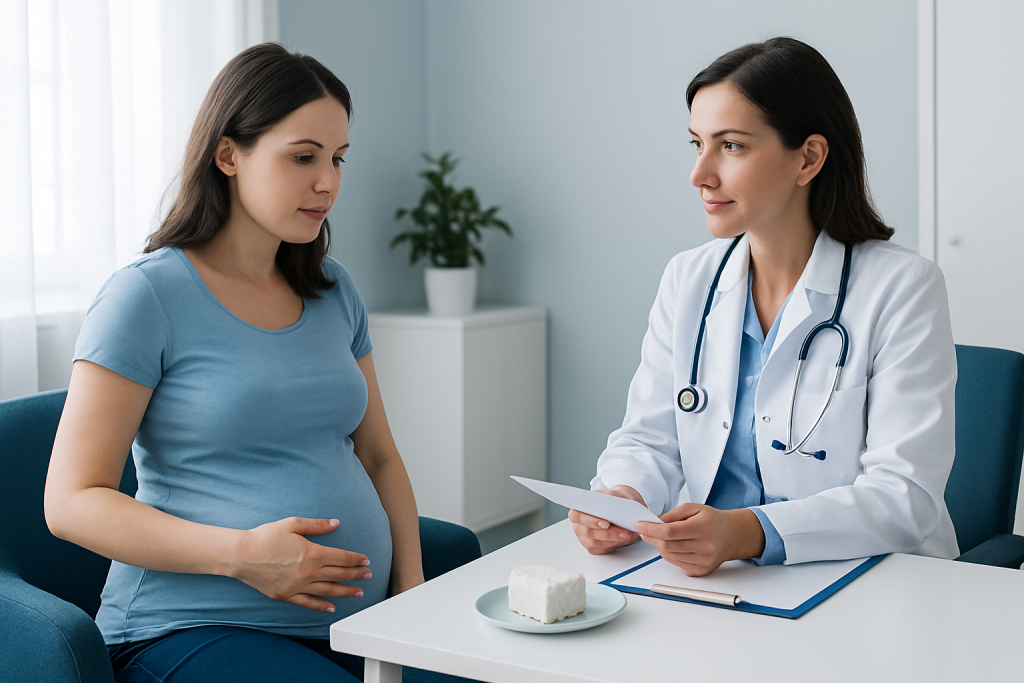
The main cause of concern is contamination with bacteria such as Listeria monocytogenes. This organism can sometimes be found in foods that are not fully pasteurized or that are stored for too long. Soft cheeses, including some goat cheeses, are among the foods that deserve extra caution.
Risk increases when the source of the cheese is unclear. Homemade cheese, market-bought cheese without clear labeling, or cheese served in a setting where the milk type is unknown may be harder to assess. Refrigeration problems and cross-contamination during preparation can also raise the risk.
Pregnant women are not the only people who should be careful, but pregnancy makes the impact of foodborne illness more significant. A balanced approach is best: avoid unsafe products, but do not assume every goat cheese is off-limits.
- Unpasteurized goat cheese
- Soft cheese from uncertain sources
- Improper refrigeration
- Cross-contamination from contaminated utensils or surfaces
Diagnosis
If a pregnant woman becomes ill after eating a cheese that may have been unsafe, a doctor may review the symptoms, the timing, and the specific food exposure. This history is often the first and most useful step.
Depending on the situation, tests may be ordered to look for infection. These can include blood tests or other evaluations if fever, dehydration, or more significant symptoms are present. In pregnancy, assessment may also focus on the baby’s well-being when needed.
It is worth remembering that not every stomach upset means a serious infection. Still, because foodborne illness in pregnancy is handled with extra care, it is sensible to seek medical guidance rather than guessing at the cause.
Treatment Options
Treatment depends on the cause and severity of the illness. If a bacterial infection is suspected, a doctor may recommend treatment to reduce the risk of complications. If symptoms are mild and unrelated to infection, supportive care such as fluids and rest may be enough.
Pregnant women should not start antibiotics or other medicines on their own. The safest plan is to have a clinician assess the symptoms and decide whether testing or treatment is needed.
When care is sought early, management is usually straightforward. The goal is to protect both the mother and the pregnancy while avoiding unnecessary medication.
Prevention & Self-care
The easiest way to stay safe is to focus on the label and the source. Pasteurized goat cheese is the key phrase to look for. When shopping, reading ingredient lists and product labels helps distinguish safer options from those that should be avoided.
Good storage matters too. Goat cheese should be kept refrigerated, eaten before the use-by date, and discarded if it has an unusual smell, texture, or appearance. At home, clean hands, clean utensils, and separate cutting boards can help reduce contamination.
In restaurants, pregnant women can ask whether the cheese is pasteurized and whether it is served cooked or raw. If the answer is uncertain, choosing another option is the simplest way to stay on the safe side.
- Choose pasteurized products only
- Keep cheese cold and sealed
- Avoid cheese from unknown vendors if the milk source is unclear
- Prefer cooked dishes when appropriate, especially if the source cannot be confirmed
When to See a Doctor
A doctor should be contacted if a pregnant woman develops fever, vomiting, diarrhea, dehydration, or flu-like symptoms after eating a cheese that may not have been safe. It is especially important to seek advice if symptoms last more than a short time or seem to be getting worse.
Medical help is also appropriate if there is uncertainty about whether a cheese was pasteurized and the pregnancy is considered higher risk for any reason. In these situations, a quick call can provide reassurance and help decide whether monitoring or testing is needed.
For women planning care across borders, food safety guidance can be reviewed as part of prenatal counseling. At Acibadem Health Point, multidisciplinary specialists and JCI-accredited hospitals diagnose and treat pregnancy-related concerns for Myomectomy Recovery for International Patients: The Usual Travel Timeline" class="ahp-ilk">international patients, including questions about diet, infection risk, and follow-up care.
Frequently asked questions
01Can pregnant women eat goat cheese at all?
Yes, many can, as long as the goat cheese is made from pasteurized milk and has been stored safely. The main concern is avoiding unpasteurized soft cheese. When the label or source is unclear, it is safer to choose another food.
02Is pasteurized goat cheese safe during pregnancy?
Pasteurized goat cheese is generally considered safe when it is fresh, refrigerated, and eaten within its recommended time frame. Pasteurization helps reduce harmful bacteria. Proper handling remains important after purchase.
03Why are soft cheeses a concern in pregnancy?
Soft cheeses can hold moisture, which makes it easier for bacteria to grow if the product is contaminated. This risk is greater when the cheese is unpasteurized. That is why checking the milk source matters so much.
04What if the restaurant does not know whether the goat cheese is pasteurized?
If the staff cannot confirm the milk source, it is best to avoid eating that cheese during pregnancy. Choosing a clearly labeled product or a cooked dish is the safer option. A simple swap can prevent unnecessary worry later.
05Does cooking goat cheese make it safer?
Cooking can lower the risk because heat helps kill many harmful bacteria. That said, the original source still matters, and food should be prepared and stored properly. If there is any doubt, it is wise to ask questions before eating it.
06What should a pregnant woman do after eating possibly unsafe goat cheese?
She should watch for fever, vomiting, diarrhea, or flu-like symptoms and contact a doctor if any appear. Even mild symptoms deserve attention in pregnancy if the food source was uncertain. Medical advice can help decide whether testing is needed.
This article is for general information only and is not a substitute for professional medical advice. Please consult a qualified doctor about your individual situation.
Persistent digestive symptoms? Get evaluated in Turkey
JCI-accredited · board-certified surgeons · reply within 24h
Add us as a Preferred Source to see more of our trusted health content across Google Search, AI Overviews and Discover.