Glute Muscles: Anatomy and Function
Key Takeaways
- The glute muscles help stabilize the pelvis and power hip movement.
- Pain, weakness, or tightness in the buttock area can come from muscle strain, overuse, nerve irritation, or hip and spine conditions.
- A careful history and physical examination are often the first steps in diagnosis; imaging is used when needed.
- Most glute-related problems improve with targeted rest, movement modification, physical therapy, and progressive strengthening.
- New weakness, numbness, fever, major trauma, or persistent pain deserves medical evaluation.
The glute muscles are a major muscle group that supports standing, walking, climbing stairs, and many daily movements. When they are weak, tight, or injured, they can affect posture, mobility, and comfort in the lower back, hips, and legs.
Overview
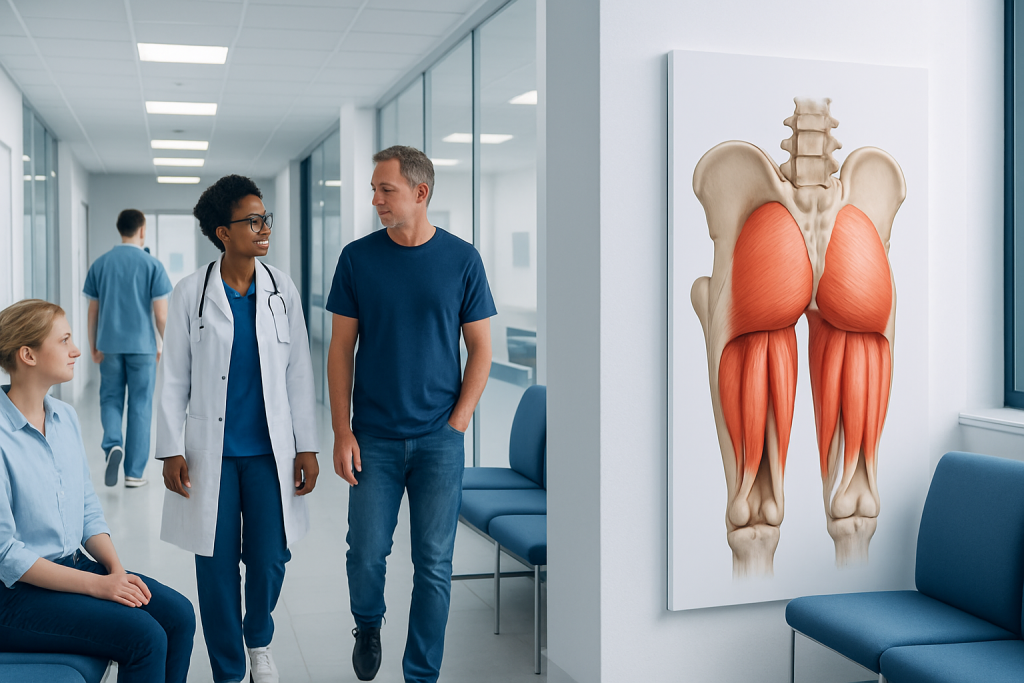
The glute muscles are the large muscle group that forms the buttocks and plays a central role in movement. They include the gluteus maximus, gluteus medius, and gluteus minimus, each contributing differently to hip extension, leg control, and pelvic stability.
These muscles do more than shape the body’s outline. They help a person rise from a chair, walk on uneven ground, climb stairs, steady the pelvis while standing on one leg, and absorb force during running or jumping. When they are not working well, the body often compensates in ways that can strain the lower back, hips, knees, or hamstrings.
People may become aware of the glutes when they ache after exercise, feel tight during long periods of sitting, or seem weaker than expected during everyday activities. For international patients who travel for evaluation or treatment, understanding whether the problem is a simple muscle issue or part of a broader hip or spine condition can help make follow-up care more purposeful.
Symptoms
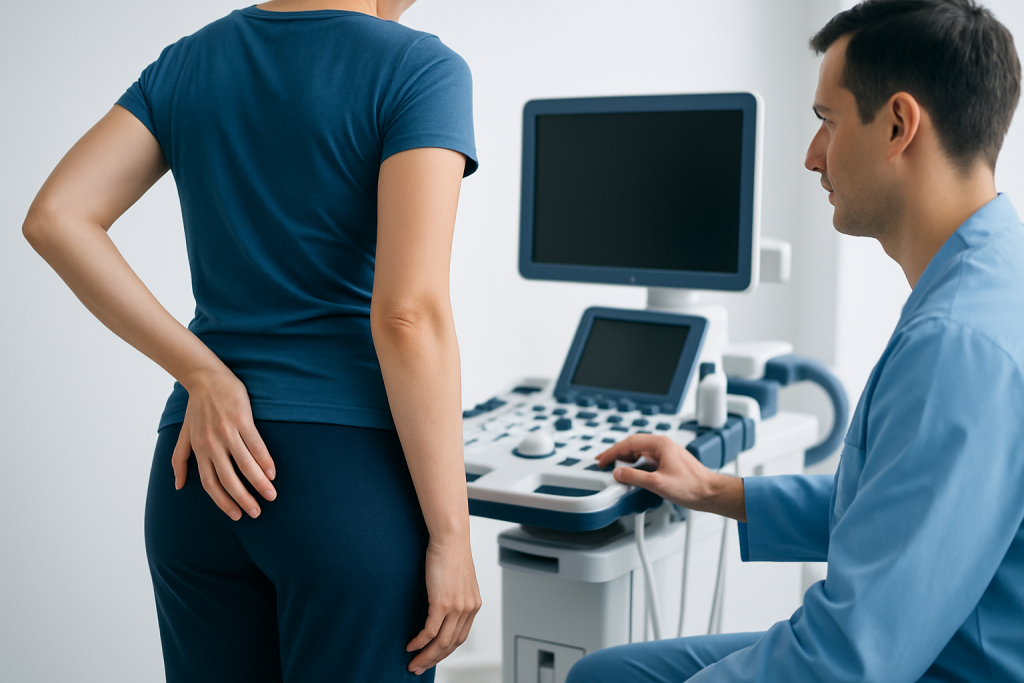
Glute-related problems can show up in different ways depending on the cause. Some people feel a dull ache deep in the buttock, while others notice a sharp pain with movement, especially when getting up, climbing stairs, or squatting.
Weakness may be more noticeable than pain. A person might feel unstable on one leg, struggle with stair climbing, or notice the hips dropping during walking. Tightness and limited mobility are also common, especially after long sitting, prolonged driving, or repetitive training.
Symptoms that may accompany glute muscle issues include:
- Pain in the buttock, outer hip, or back of the thigh
- Difficulty standing up from a seated position
- Pain with running, stairs, or lunges
- Tenderness when pressing on the muscle
- Reduced range of motion in the hip
- Occasional pain that seems to travel from the lower back
Because the buttock region contains muscles, nerves, joints, and deep soft tissues in a small area, symptoms do not always point to one single cause. A careful assessment helps separate a muscle strain from nerve irritation, tendon problems, or hip joint disease.
Causes & Risk Factors
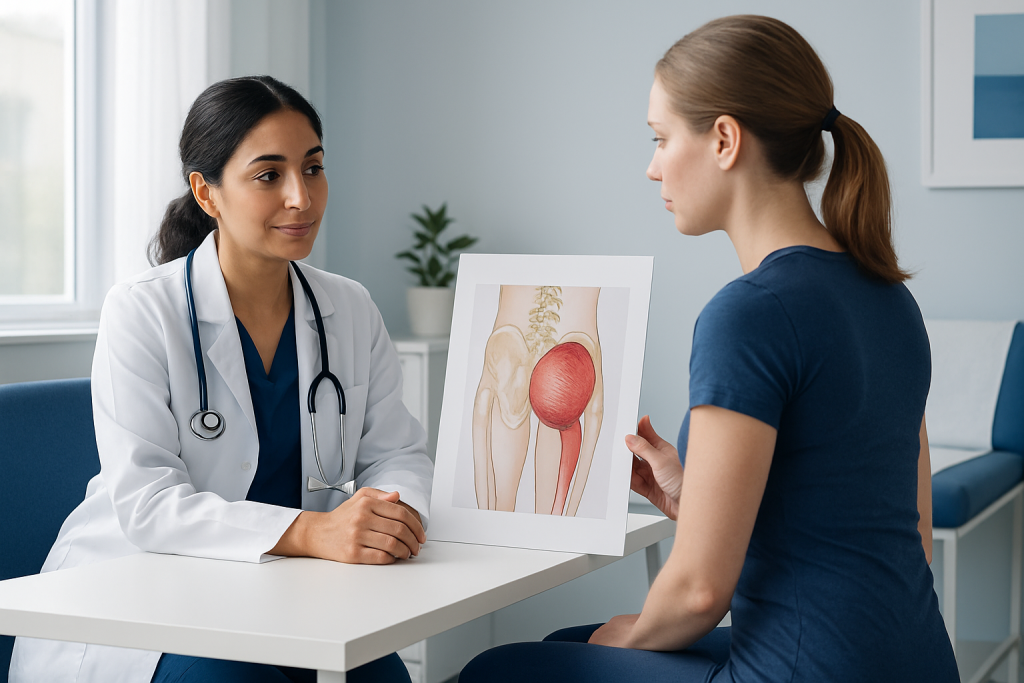
Glute muscle problems commonly arise from overuse, sudden loading, or poor movement mechanics. A long walk after a period of inactivity, a new gym routine, sprinting, hill work, or repeated squats can all stress tissue that is not conditioned for that demand.
Muscle imbalance is another frequent contributor. If the glutes are not doing enough of the work during movement, the lower back, hamstrings, or hip flexors may take over. Over time, that pattern can lead to strain, fatigue, or pain around the pelvis and buttock.
Several factors can increase the chance of symptoms:
- Sudden increase in exercise intensity or volume
- Prolonged sitting or very inactive routines
- Weak hip and core muscles
- Prior injury to the hip, pelvis, or lower back
- Poor footwear or repetitive impact activity
- Tight hip flexors or reduced hip mobility
Not every pain in the glute region comes from the muscles themselves. Sciatic nerve irritation, sacroiliac joint problems, hamstring tendon injury, bursitis, or lumbar spine conditions can create similar discomfort. That is why location, timing, and movement triggers matter in the clinical conversation.
Diagnosis
Diagnosis usually begins with a detailed history of the symptoms, activity pattern, and any recent injury or change in exercise. The clinician may ask where the pain is felt, what makes it worse, whether numbness is present, and whether the person has had similar episodes before.
A physical examination then checks posture, walking pattern, hip range of motion, tenderness, strength, balance, and how the pelvis and spine move together. Simple functional tests can reveal whether the glute muscles are underperforming or whether another structure is driving the symptoms.
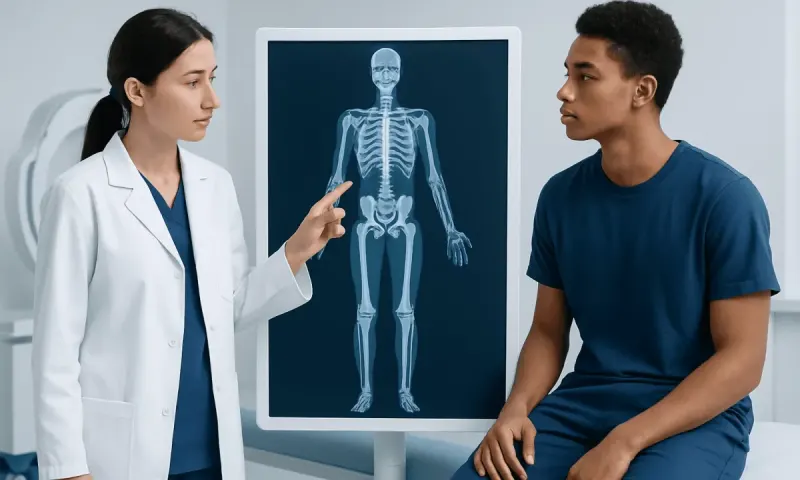
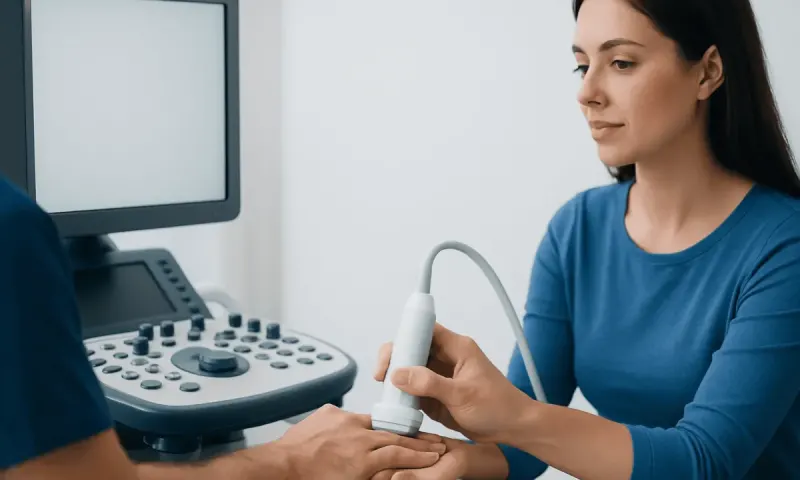
Imaging is not always necessary, especially when the pattern clearly suggests a mild muscle strain or overuse problem. However, tests such as ultrasound, X-rays, or MRI may be used if the pain is persistent, severe, linked to trauma, or accompanied by signs that point to a joint, tendon, nerve, or bone issue. For patients arranging care from abroad, this stepwise approach can help ensure the right tests are done without unnecessary delay.
Treatment Options
Treatment depends on the cause and severity, but most glute muscle problems begin with conservative care. Short-term rest from aggravating activity, combined with a gradual return to movement, often allows irritated tissue to settle while avoiding stiffness.
Physical therapy is often central to recovery. A therapist may focus on gentle mobility, glute activation, strengthening, gait retraining, and correction of movement habits that overload the area. For some people, core stabilization and hip control work are as important as direct muscle strengthening.
Common treatment approaches may include:
- Activity modification rather than complete inactivity
- Ice or heat, depending on comfort and timing of symptoms
- Guided stretching and progressive strengthening
- Manual therapy when appropriate
- Supportive taping or technique correction for athletes
- Treatment of the underlying cause if pain comes from the spine, tendon, or joint
When symptoms are linked to another medical condition, treatment may need to address that source directly. A nerve-related problem, for example, is managed differently from a simple muscle strain. In some cases, medication or other interventions may be recommended by a doctor, but those choices depend on the diagnosis and the individual’s overall health.
Prevention & Self-care
Healthy glutes are built through consistent use, not only through exercise sessions. Regular walking, stair use, targeted strengthening, and balanced lower-body training help the muscles stay ready for daily life and sport.
For self-care, it usually helps to avoid sudden spikes in training and to warm up before activity. People who sit for long periods may benefit from brief movement breaks, hip mobility work, and posture changes during the day. Those recovering from strain often do better when they increase load in small steps rather than rushing back to full exercise.
Practical habits that support recovery and prevention include:
- Adding glute-focused exercises gradually
- Allowing rest between high-intensity workouts
- Maintaining flexibility in the hips and thighs
- Using good lifting and squatting technique
- Changing position regularly during long sitting or travel
- Stopping an activity if pain becomes sharp or worsening
Travel can make symptoms more noticeable because of prolonged sitting, irregular routines, and heavy luggage. International patients who are recovering while away from home may find it helpful to keep a simple exercise plan, a symptom log, and clear follow-up instructions so that care stays consistent across appointments.
When to See a Doctor
Medical review is appropriate when buttock pain does not improve with simple measures, keeps returning, or limits walking, sitting, or exercise. Persistent weakness, limping, or trouble bearing weight also deserves assessment, even if the pain seems mild.
Prompt evaluation is especially important if symptoms include numbness, tingling, pain shooting down the leg, fever, unexplained swelling, or pain after a fall or major impact. These features can suggest nerve involvement, infection, or injury beyond the muscle itself.
A doctor should also be seen if the person notices bowel or bladder changes, rapidly worsening weakness, or pain that wakes them repeatedly at night. These symptoms are not typical of a simple muscle strain and need timely medical attention.
Acibadem Health Point’s multidisciplinary specialists and JCI-accredited hospitals diagnose and treat glute-related conditions for international patients, with care plans coordinated across orthopedics, rehabilitation, and related specialties when needed.
Recovery and Long-Term Outlook
Most uncomplicated glute muscle strains or overuse injuries improve with time, guided exercise, and sensible activity changes. Recovery is usually strongest when the person returns to movement gradually and rebuilds strength before resuming demanding workouts or long-distance travel.
Long-term results are often better when the underlying movement pattern is corrected. That may mean improving hip stability, addressing core weakness, modifying running form, or treating a contributing back or tendon problem. Without that step, symptoms may keep returning even after the original pain settles.
For patients managing recovery across countries, follow-up planning matters. Clear written advice, a home exercise program, and a realistic timeline for reassessment can make it easier to stay on track after leaving the treatment center.
Frequently asked questions
01What do the glute muscles do?
The glute muscles help move the hip, stabilize the pelvis, and support balance during walking, standing, and climbing stairs. They are especially important for single-leg control and for powering movements such as rising from a chair or running.
02Why does glute pain sometimes feel like lower back pain?
The lower back, pelvis, hips, and glutes work closely together, so pain from one area can be felt in another. A problem in the lumbar spine, sacroiliac joint, or hip can also be mistaken for a muscle issue, which is why evaluation matters if symptoms persist.
03Is glute weakness the same as glute pain?
No. Some people have pain but normal strength, while others mainly notice weakness, poor balance, or difficulty with stairs. Both can affect movement, but they may come from different causes.
04Can sitting too long affect the glute muscles?
Yes, prolonged sitting can make the area feel tight, inactive, or sore, especially if it happens regularly. Standing up, stretching, and walking briefly during the day can help reduce stiffness.
05How long does a glute strain take to heal?
Healing time depends on how severe the strain is and whether the person keeps re-irritating it. Mild injuries often improve with conservative care, while more significant strains may take longer and benefit from physical therapy.
06What exercises help strengthen the glutes safely?
Exercises are best chosen based on pain level, current strength, and overall mobility. A clinician or physical therapist may recommend bridges, hip hinges, step-ups, or side-lying hip exercises and then progress them gradually.
This article is for general information only and is not a substitute for professional medical advice. Please consult a qualified doctor about your individual situation.
Joint and spine care in Turkey — expert assessment & treatment
JCI-accredited · board-certified surgeons · reply within 24h
Add us as a Preferred Source to see more of our trusted health content across Google Search, AI Overviews and Discover.