Germ Cell Cancer: Diagnosis, Outlook, and Treatment
Germ cell cancer is a group of tumors that develop from cells involved in reproduction. It can occur in the testicles, ovaries, or less commonly in areas such as the chest, abdomen, or brain, and many cases respond well to modern treatment.
Overview: What Is Germ Cell Cancer?
Germ cell cancer is cancer that begins in germ cells, the cells that normally develop into eggs or sperm. Most malignant germ cell tumors arise in the testicles or ovaries. They can also develop outside the reproductive organs, including in the chest, abdomen, lower back, or brain, because germ cells move through the body during early fetal development.
These cancers affect people of different ages depending on where they occur. Testicular germ cell tumors are most common in adolescents and younger adult men, while ovarian germ cell tumors are more often diagnosed in children, teenagers, and younger women. The outlook is often favorable, particularly when diagnosis and treatment are timely and coordinated by an experienced cancer team.
Germ cell tumors are classified by their microscopic features and biological behavior. Some are benign, while others are malignant. The two major categories in testicular cancer are seminoma and nonseminomatous germ cell tumors; mixed tumors contain more than one cell type. Similar distinctions help specialists plan treatment in other body sites.
What Type of Cancer Is a Germ Cell Tumor?
A germ cell tumor is a growth that starts from reproductive precursor cells rather than from the usual cells of an organ. It is not one single disease: germ cell tumors include several tumor types, some noncancerous and some cancerous. A malignant germ cell tumor has the potential to invade nearby tissues or spread to lymph nodes and other organs.
In the testicle, seminoma and nonseminoma are the main malignant categories. Nonseminomatous tumors may include embryonal carcinoma, yolk sac tumor, choriocarcinoma, teratoma, or a mixture of these. In the ovary, common malignant types include dysgerminoma, yolk sac tumor, immature teratoma, and mixed germ cell tumors.
Germinoma is a term generally used for a tumor with features similar to seminoma that occurs outside the testicle or ovary, particularly in the brain. Although a germinoma is cancerous, it often responds well to treatment. The exact diagnosis matters because treatment sensitivity and recommended follow-up differ among tumor types.
Symptoms, Causes, and Risk Factors

Symptoms vary by tumor location. A testicular tumor may cause a painless lump, swelling, enlargement, heaviness, firmness, or a dull ache in the scrotum or lower abdomen. Ovarian germ cell tumors can cause pelvic or abdominal pain, bloating, a feeling of fullness, an enlarging abdomen, or changes in menstrual patterns. Tumors outside the gonads may cause symptoms related to pressure on nearby structures.
A brain germinoma may lead to headaches, nausea, changes in vision, excessive thirst or urination, fatigue, or changes in puberty-related development, depending on its location. These symptoms have many possible explanations and do not necessarily mean cancer. However, persistent or worsening symptoms should be assessed promptly.
In most cases, there is no identifiable action or exposure that caused germ cell cancer. Known risk factors for testicular germ cell cancer include an undescended testicle, a personal history of testicular cancer, and certain inherited or developmental factors. Family history can modestly increase risk, but most people diagnosed do not have a close affected relative.
What is the cause of a germinoma tumor? A germinoma is thought to arise when germ cells do not complete their normal migration and development before birth, leaving cells in an abnormal location where they later grow into a tumor. The precise trigger is usually unknown. It is not caused by an injury, sexual activity, diet, or something a person did.
How Germ Cell Cancer Is Diagnosed and Staged
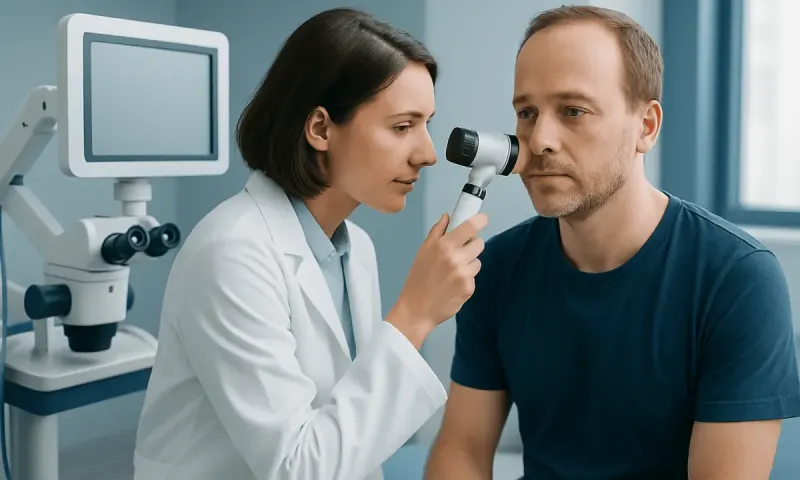
Evaluation begins with a medical history and physical examination. For a suspected testicular tumor, ultrasound is typically the first imaging test because it can identify a mass within the testicle. Blood tests may measure tumor markers, including alpha-fetoprotein, beta-human chorionic gonadotropin, and lactate dehydrogenase. Marker patterns can support diagnosis, guide treatment planning, and help monitor response.
Imaging such as CT, MRI, or PET may be used depending on the suspected tumor type and site. These tests help determine whether cancer has spread to lymph nodes or other organs. In many testicular cases, removal of the affected testicle through an inguinal incision provides both treatment and the tissue needed for a definite diagnosis; a needle biopsy through the scrotum is generally avoided.
For ovarian, chest, abdominal, or brain tumors, diagnosis may involve surgery or a carefully planned biopsy. Pathologists use microscopy and specialized laboratory tests to identify the exact tumor type. Staging brings together the tumor site, size, lymph node involvement, spread to distant areas, tumor marker results, and pathology findings.
Fertility and hormone-related concerns should be discussed before treatment starts. Depending on the situation, options such as sperm banking, egg or embryo preservation, and fertility-sparing surgery may be considered. These discussions are important even when treatment is expected to be highly effective.
What Are the Treatment Options for Germ Cell Cancer?
Treatment for germ cell cancer is individualized according to the tumor’s location, pathology, stage, tumor markers, overall health, and personal priorities. Care is commonly planned by a multidisciplinary team that may include surgical oncologists, urologists, gynecologic oncologists, medical oncologists, radiation oncologists, radiologists, pathologists, and fertility specialists.
Surgery is often the first step for localized testicular and ovarian tumors. In testicular cancer, removal of the affected testicle is called radical inguinal orchiectomy. In ovarian germ cell cancer, surgeons may be able to remove the tumor and affected ovary while preserving the uterus and the opposite ovary when this is medically appropriate. Some patients with early-stage disease can have active surveillance after surgery, with scheduled examinations, marker tests, and imaging.
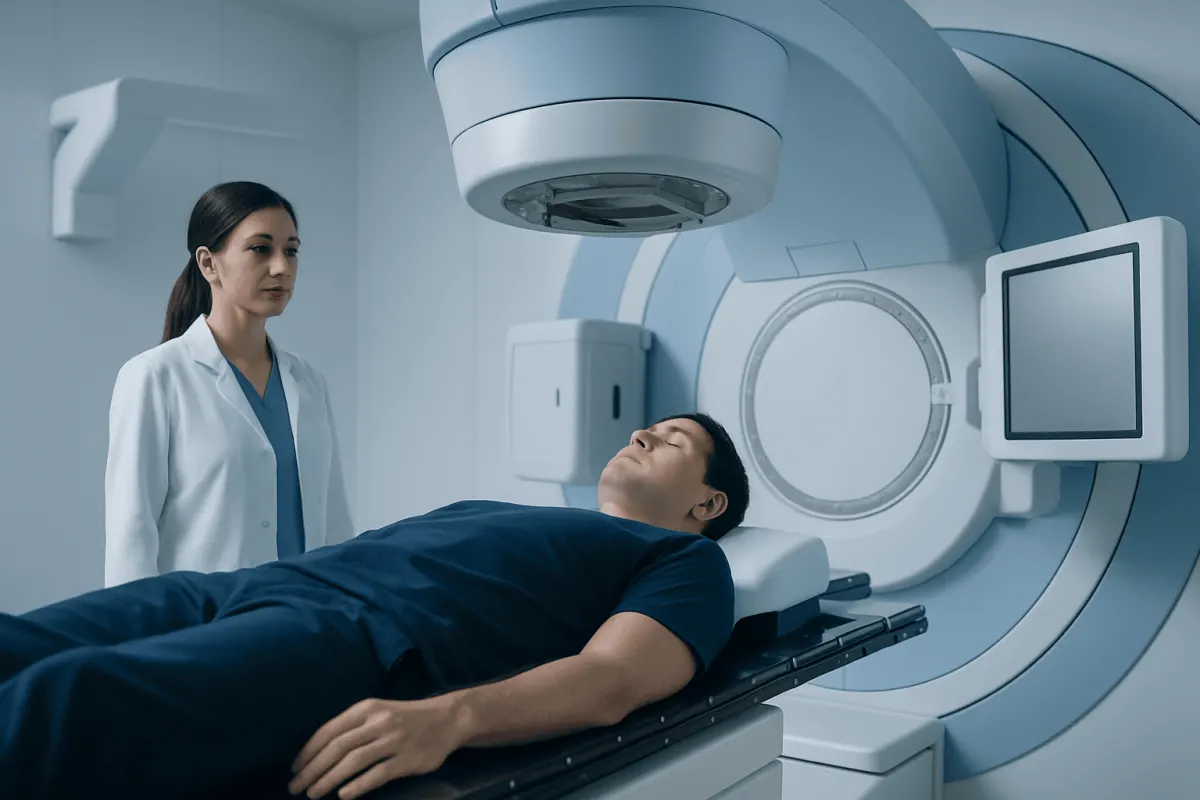
Chemotherapy is an important treatment for many germ cell cancers, especially when there is a higher risk of recurrence or evidence of spread. Platinum-based combinations are frequently used because many germ cell tumors are sensitive to these medicines. Radiation therapy may have a role in selected seminomas or germinomas, while its use is more limited in many nonseminomatous tumors. Treatment for tumors in the brain or other uncommon sites requires site-specific planning.
Residual masses after chemotherapy sometimes need further assessment or surgery, particularly with certain nonseminomatous tumors. If cancer returns or does not respond as expected, additional chemotherapy, surgery, radiation in selected circumstances, or high-dose chemotherapy with stem cell support may be considered at specialized centers. Treatment aims to cure when possible while also reducing long-term effects.
- Surveillance may be suitable for carefully selected early-stage cancers.
- Surgery can diagnose, remove, or manage remaining tumor tissue.
- Chemotherapy may treat disease beyond the original site or lower recurrence risk.
- Radiation therapy can be useful for selected tumor types and locations.
What Is the Survival Rate for Stage 3 Germ Cell Cancer?
Stage 3 germ cell cancer generally means the disease has spread beyond nearby lymph nodes, often to distant lymph nodes or organs. Survival cannot be described accurately by one number because it varies substantially by primary site, tumor type, tumor marker levels, locations of spread, response to treatment, and whether the cancer is newly diagnosed or recurrent.
For testicular germ cell cancer, even stage 3 disease is frequently curable with modern cisplatin-based chemotherapy and, when needed, surgery for residual disease. Specialists often use international risk-group systems that classify metastatic disease as good, intermediate, or poor risk. These groups provide more meaningful prognostic information than stage alone.
Published outcomes may also differ among studies, treatment eras, and healthcare systems. A treating oncology team can explain the likely outlook using the individual pathology report, imaging results, blood markers, and response during treatment. Asking about treatment goals, expected benefits, possible late effects, and the follow-up plan can help a person make informed decisions.
Follow-Up, Well-Being, and When to Seek Medical Care
After treatment, regular follow-up is essential. Visits may include physical examinations, tumor marker blood tests, and imaging at intervals that become less frequent over time. Follow-up helps identify recurrence early and also monitors long-term effects involving fertility, hormones, hearing, kidney function, lung health, cardiovascular health, and emotional well-being, depending on the treatments received.
People treated for testicular cancer may discuss testosterone levels, sexual health, and the option of a testicular prosthesis if desired. Those treated for ovarian or other pelvic germ cell tumors may benefit from menstrual, fertility, and pregnancy counseling. Many people can return to work, education, exercise, and family life during or after recovery, although the pace varies.
When to seek medical care: a new testicular lump, persistent testicular swelling, unexplained pelvic or abdominal enlargement, ongoing pelvic pain, or persistent neurologic symptoms should be evaluated by a clinician. Urgent medical assessment is appropriate for sudden severe testicular pain, severe headache with new vision or neurologic changes, or symptoms that rapidly worsen.
Acıbadem Health Point’s multidisciplinary specialists in JCI-accredited hospitals assess and treat germ cell tumors for international patients, with treatment planning guided by tumor type, stage, and individual needs.
Frequently asked questions
01Can germ cell cancer be cured?
Many germ cell cancers can be cured, including many cases that have spread beyond their original site. The chance of cure depends on the tumor type, location, stage, tumor marker levels, and response to treatment. A cancer specialist can explain the outlook for an individual diagnosis.
02Is germ cell cancer the same as testicular cancer?
Not always. Most testicular cancers are germ cell tumors, but germ cell cancers can also develop in the ovaries, brain, chest, abdomen, or other areas. The treatment plan depends on both the location and the specific germ cell tumor type.
03What are common signs of testicular germ cell cancer?
A painless lump or swelling in a testicle is a common sign. Some people notice heaviness in the scrotum, enlargement of one testicle, or a dull ache in the groin or lower abdomen. Any new testicular lump should be examined by a healthcare professional.
04Can germ cell cancer affect fertility?
The cancer itself and treatments such as surgery, chemotherapy, or radiation may affect fertility in some people. Fertility preservation options may be available before treatment begins, including sperm banking or egg and embryo freezing. A fertility discussion should take place as early as possible in the care process.
05How is a germinoma usually treated?
Treatment for germinoma commonly includes chemotherapy, radiation therapy, or both, depending on its location and extent. For brain germinomas, treatment is planned by specialists in neuro-oncology, radiation oncology, and related fields. These tumors are often sensitive to treatment, but long-term monitoring remains important.
06Can germ cell cancer come back after treatment?
Yes, recurrence is possible, which is why scheduled follow-up is important. The risk and timing of recurrence depend on the original tumor type, stage, and treatment received. If recurrence occurs, further treatment can still be effective for many patients.
This article is for general information only and is not a substitute for professional medical advice. Please consult a qualified doctor about your individual situation.
Oncology care in Turkey — second opinion and treatment plan
JCI-accredited · board-certified surgeons · reply within 24h
Add us as a Preferred Source to see more of our trusted health content across Google Search, AI Overviews and Discover.