Geriatric Dentistry: How Oral Care Needs Change With Age

Geriatric dentistry focuses on the dental and oral health needs of older adults as the mouth changes with age, medical conditions, and medications. Good daily care, regular dental visits, and personalized treatment can help maintain comfort, chewing ability, speech, and quality of life.
Overview: What Is Geriatric Dentistry?
Geriatric dentistry is the area of dental care focused on the needs of older adults. It addresses how aging, medical conditions, medications, and functional changes can affect the teeth, gums, tongue, jaw, saliva, and oral tissues. The goal is not only to treat disease, but also to preserve comfort, nutrition, speech, appearance, and daily independence.
Many people keep their natural teeth longer than in previous generations, which is a positive change. At the same time, having more teeth later in life can mean a greater need for ongoing preventive care, treatment of fillings and crowns, and management of gum disease. Older adults may also use dentures, bridges, or implants, each of which needs routine monitoring.
Geriatric dentistry also considers practical issues such as arthritis that makes brushing harder, memory changes that affect routines, and health conditions that influence healing or infection risk. A dentist may coordinate care with a primary care doctor, cardiologist, endocrinologist, or caregiver when needed. In this way, oral health becomes part of overall healthy aging.
How Oral Health Changes With Age
Normal aging can bring subtle changes in the mouth, but these changes do not automatically mean poor oral health. The enamel may wear down over time, older fillings may weaken, and gums may recede, exposing root surfaces that are more vulnerable to decay. The tissues inside the mouth can also become thinner or more easily irritated.
Saliva often decreases with age-related medication use rather than age alone. Saliva is important because it helps wash away food particles, neutralize acids, and protect teeth and soft tissues. When saliva is reduced, the risk of cavities, mouth soreness, bad breath, and difficulty chewing or swallowing may increase.
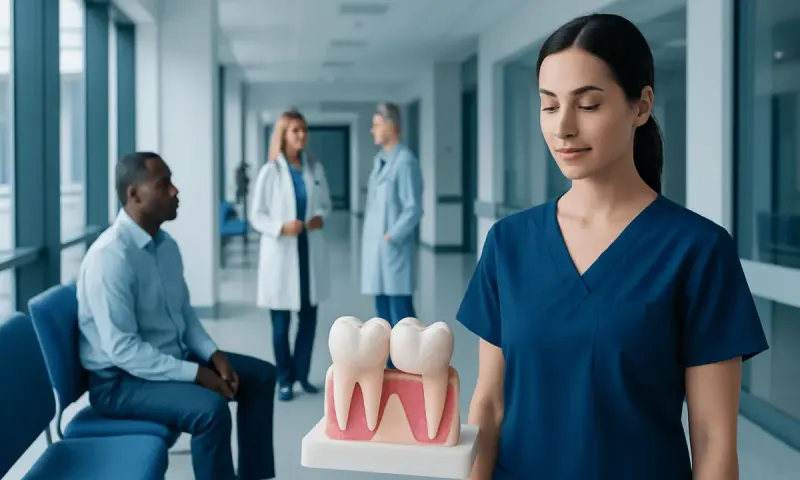
Jawbone changes can occur after tooth loss, which may affect the fit of dentures and the shape of the face. Bite problems, tooth grinding, and years of chewing can also contribute to worn or cracked teeth. Understanding basic tooth structure and restoration needs can help explain why older mouths may need more individualized care, especially when maintaining existing dental work such as fillings, crowns, or dentures.
Common Dental Problems in Older Adults
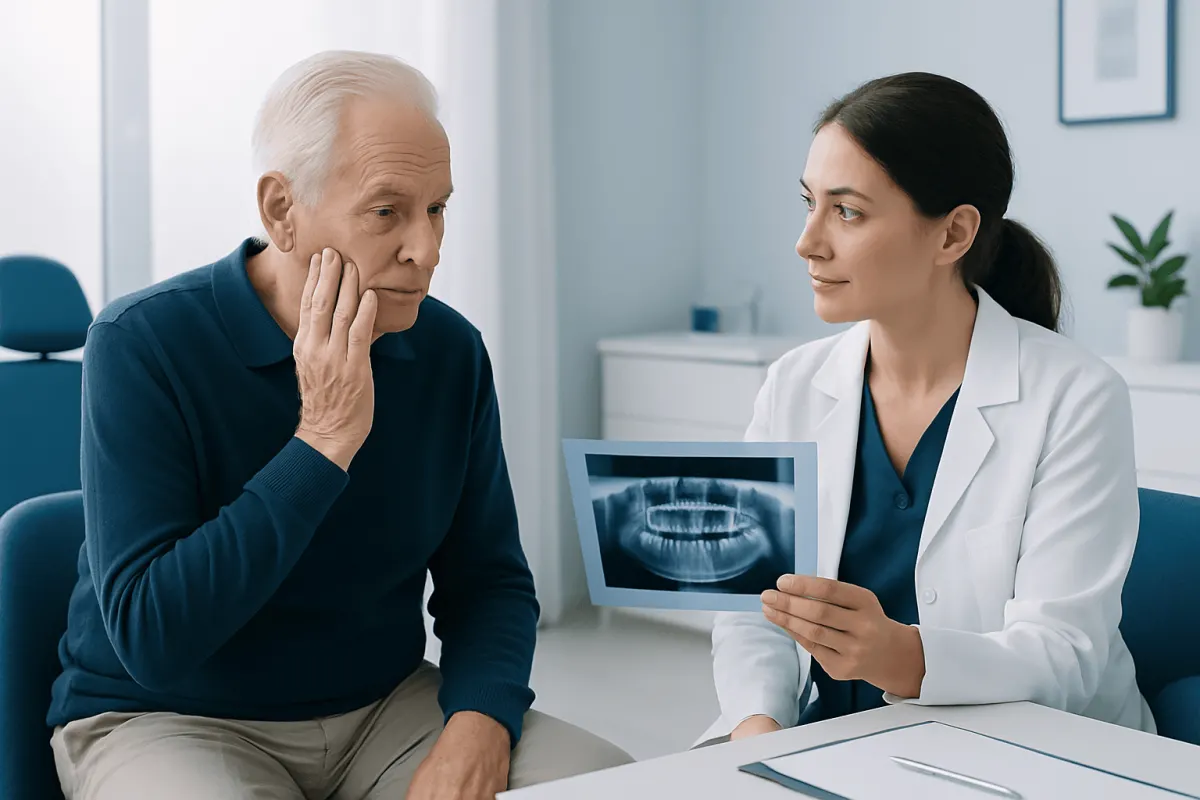
Several oral conditions become more common in later life. Gum disease is one of the most important because it can progress slowly and may not cause pain until it is advanced. Signs can include bleeding while brushing, loose teeth, gum recession, and persistent bad breath. For related concerns, patients may hear about conditions such as bleeding gums or gum recession during dental evaluation.
Tooth decay can still happen at any age. In older adults, decay often affects the roots of teeth if the gums have receded. Root cavities can spread quickly because root surfaces are softer than enamel. Older restorations may also leak or break, allowing decay to develop around them.
Denture-related issues are also common. Dentures that no longer fit well can cause pressure sores, difficulty chewing, clicking while speaking, and embarrassment during social interactions. In addition, fungal infections such as denture stomatitis may develop if dentures are worn continuously or cleaned poorly. Oral cancer risk also rises with age, which makes routine exams of the tongue, cheeks, palate, and throat especially important.
- Dry mouth and mouth burning
- Root decay and recurrent cavities
- Gum disease and tooth mobility
- Ill-fitting dentures or partial dentures
- Tooth wear, cracks, and sensitivity
- Oral yeast infections and mouth sores
Causes and Risk Factors
Oral health in later life is shaped by many factors beyond age alone. Chronic conditions such as diabetes, osteoporosis, Parkinson’s disease, stroke, dementia, and autoimmune disease may affect the mouth directly or make oral hygiene more difficult. Reduced hand strength, limited shoulder movement, tremor, and visual changes can all interfere with brushing and flossing.
Medications are a major reason oral care needs change with age. Many common drugs, including some used for blood pressure, allergies, depression, bladder control, and pain, can cause dry mouth. Blood thinners may increase bleeding during treatment, while some medications can affect the gums or the jawbone. This is why a full medication review is an important part of senior dental care.
Diet and lifestyle also matter. Frequent sugary snacks, sipping sweet drinks, tobacco use, alcohol, and dehydration can increase the risk of cavities and oral tissue problems. Social factors are important too. Living alone, cognitive decline, financial barriers, and limited transport can make it harder to maintain regular appointments and daily routines. In many cases, oral health improves when caregivers are included in the care plan.
Symptoms and Warning Signs to Watch For
Some oral problems in older adults develop quietly, so changes should not be dismissed as a normal part of aging. Early signs can include dry or sticky mouth, increased need for water at night, food tasting different, and trouble swallowing dry foods. Sensitivity to hot, cold, or sweets may point to exposed roots, worn enamel, or new decay.
Other warning signs include bleeding gums, swelling, mouth sores that do not heal, loose teeth, trouble chewing, jaw pain, clicking dentures, or white and red patches inside the mouth. Persistent bad breath or a bad taste can also signal gum disease, infection, or dry mouth. Any unexplained lump, ulcer, or persistent hoarseness deserves prompt medical or dental assessment.
For people with memory problems or limited communication, caregivers may notice indirect signs first. These can include refusing food, weight loss, touching the face, irritability, poor sleep, avoiding denture use, or withdrawing from social meals. Because dental pain is not always clearly reported, behavior changes may be an important clue.
Diagnosis and Dental Assessment
A geriatric dental assessment usually begins with a detailed review of symptoms, medical history, medications, allergies, and daily habits. The dentist will ask about dry mouth, pain, bleeding, chewing, swallowing, sleep quality, denture comfort, and home care routines. They may also ask whether the patient has help from a family member or caregiver.
The examination includes the teeth, gums, tongue, cheeks, palate, saliva, bite, jaw joints, and any dentures or bridges. The dentist checks for decay around older restorations, signs of infection, oral lesions, pressure areas from dentures, and evidence of grinding or fractured teeth. X-rays may be used to detect hidden decay, bone loss, or infection below the gumline.
Assessment is often tailored to the person’s general health and function. A frail older adult may need shorter appointments, simpler treatment plans, or modifications for comfort and safety. Modern approaches in digital dentistry can also support planning and accuracy for restorations or replacement options when appropriate. The aim is to create a realistic plan that protects oral health without overwhelming the patient.
Treatment Options and Long-Term Care
Treatment in geriatric dentistry depends on the person’s symptoms, general health, preferences, and functional needs. Preventive care is often the foundation and may include professional cleaning, fluoride treatments, advice on dry mouth management, adjustment of dentures, and monitoring of suspicious oral lesions. If cavities are present, they may be repaired with dental fillings or other restorations depending on the tooth and the extent of damage.
When gum disease is identified, treatment may include deep cleaning, improved home care, and closer follow-up. Broken or heavily worn teeth may need crowns, while severely damaged teeth may require extraction. If teeth are missing, replacement options can include dentures, bridges, or dental implants for selected patients after a careful review of bone support, healing factors, and overall health.
Dry mouth management often involves practical changes such as frequent water sips, sugar-free gum if safe to chew, saliva substitutes, avoiding alcohol-based mouthwashes, and discussing medication side effects with a doctor. For people with dementia, stroke, or advanced illness, the focus may shift toward comfort, infection control, and keeping eating and speaking as easy as possible. Near the end of the care journey, multidisciplinary specialists at Acıbadem Health Point and its JCI-accredited hospitals also provide diagnosis and treatment for international patients who need personalized senior dental care.
Prevention, Self-Care, and When to See a Dentist
Good daily habits remain the best protection at any age. Teeth should be brushed twice a day with fluoride toothpaste, and interdental cleaning should be used if possible. For people with arthritis or weak grip, an electric toothbrush or a toothbrush with a larger handle may help. Dentures should be cleaned daily and removed at night unless a clinician advises otherwise. Guidance on routine dental hygiene can be especially helpful for older adults and caregivers.
Staying hydrated, limiting sugary snacks, and attending regular dental visits are also important. A dentist may recommend high-fluoride products, more frequent cleanings, or antimicrobial strategies for patients at high risk of decay or gum disease. People who wear dentures should still have regular oral exams, because the gums, tongue, and other tissues need ongoing screening even when few or no natural teeth remain.
A dental appointment should be arranged promptly if there is pain, swelling, bleeding that persists, a broken tooth or denture, difficulty eating, or any mouth sore lasting more than two weeks. Urgent care is also needed for facial swelling, fever with dental pain, or trauma. In later life, early attention often allows simpler treatment and helps prevent nutrition problems, infection, and loss of independence.
Frequently asked questions
01What does geriatric dentistry mean?
Geriatric dentistry is dental care designed for older adults. It focuses on age-related oral changes, medical conditions, medication effects, and practical needs such as reduced dexterity, memory problems, or denture care.
02Is tooth loss a normal part of aging?
No. Teeth do not have to be lost simply because a person is getting older. However, gum disease, tooth decay, dry mouth, and delayed dental care can make tooth loss more likely if they are not treated.
03Why is dry mouth so common in older adults?
Dry mouth in later life is often linked to medications rather than aging alone. Reduced saliva can increase the risk of cavities, soreness, bad breath, denture problems, and difficulty chewing or swallowing, so it should be discussed with a dentist or doctor.
04How often should older adults see a dentist?
Many older adults benefit from checkups every six months, but some need more frequent visits. People with dry mouth, gum disease, dentures, implants, diabetes, or difficulty cleaning their teeth may need closer follow-up.
05Can people with dentures skip dental visits?
No. Even without natural teeth, the mouth still needs routine examination. Dentures can loosen over time, irritate the tissues, and hide infections or sores, so regular checks remain important.
06What can help an older person who struggles to brush their teeth?
Simple adjustments can make oral care easier, such as an electric toothbrush, a larger-handled brush, floss aids, better lighting, and a seated brushing routine. If needed, a caregiver can provide reminders or hands-on help while preserving comfort and dignity.
This article is for general information only and is not a substitute for professional medical advice. Please consult a qualified doctor about your individual situation.
Joint and spine care in Turkey — expert assessment & treatment
JCI-accredited · board-certified surgeons · reply within 24h
Add us as a Preferred Source to see more of our trusted health content across Google Search, AI Overviews and Discover.