What Does Constipation Feel Like?

Key Takeaways
- Constipation may feel different from person to person, but common sensations include hard stools, straining, bloating, and incomplete emptying.
- It can happen from diet, dehydration, routine changes, medicines, stress, or underlying digestive or hormonal conditions.
- Mild constipation often improves with fluid, fiber, movement, and healthier bowel habits, but treatment should be tailored to the person.
- Blood in the stool, severe pain, vomiting, unexplained weight loss, or a sudden change in bowel habits should be assessed by a doctor.
- Long-lasting constipation that affects travel, work, or comfort can be evaluated and treated safely, even for international patients.
Constipation often feels like infrequent bowel movements, hard or dry stools, straining, or the sense that the bowel has not emptied fully. It is common and usually manageable, but persistent symptoms or warning signs deserve medical review.
Overview
When someone asks what does constipation feel like, the most direct answer is that it often feels like a bowel movement is overdue, difficult, or unfinished. The stool may be hard, dry, or lumpy, and the person may need to strain more than usual to pass it.
For some people, constipation is a mild annoyance. For others, it becomes a daily source of pressure, bloating, abdominal discomfort, or the uneasy feeling that the bowel is “stuck.” The exact experience can vary, but the pattern usually involves less frequent bowel movements than the person’s own normal, plus extra effort or discomfort when trying to pass stool.
It is also important to note that constipation is not defined only by how often a person goes to the bathroom. Someone may have bowel movements most days and still feel constipated if the stool is hard, the urge is weak, or emptying never feels complete. That is why a careful description of symptoms matters more than counting days alone.
Symptoms
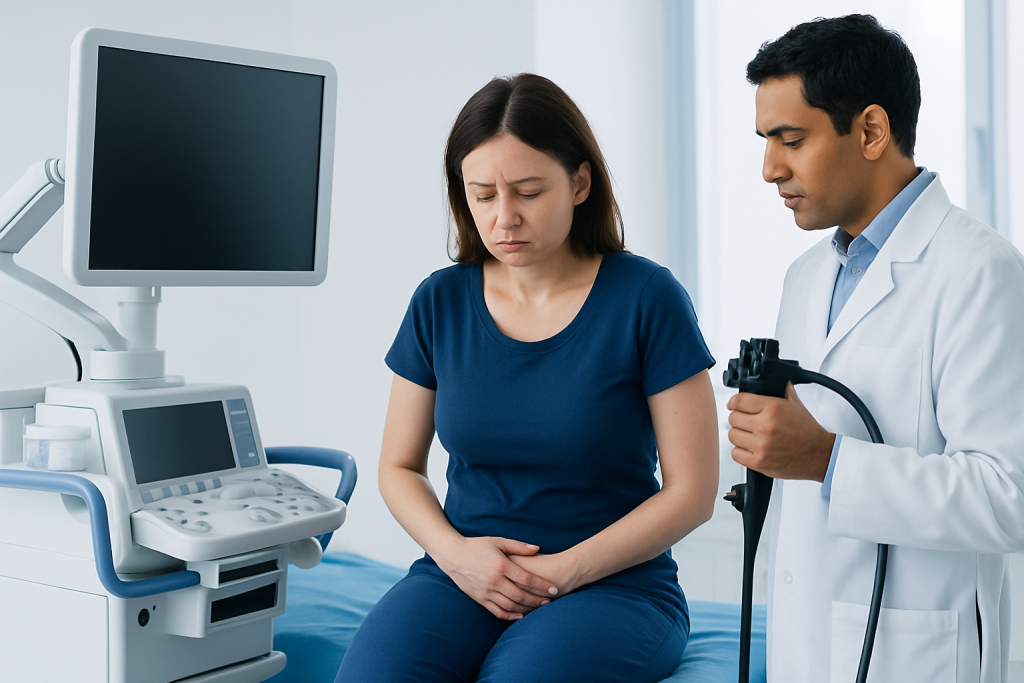
The sensation of constipation can show up in several ways at once. A person may feel abdominal fullness, pressure in the lower belly, bloating, or a dull crampy discomfort. Passing stool may require prolonged sitting, repeated effort, or the use of unusual straining.
Common signs include:
- Hard, dry, or pellet-like stools
- Fewer bowel movements than usual for that person
- Straining or feeling blocked during a bowel movement
- A sense that the rectum is not fully empty afterward
- Needing to use manual support or repositioning to pass stool
- Gas, bloating, or a heavy feeling in the abdomen
Some people also notice reduced appetite, mild nausea, or a general sense of discomfort that improves briefly after a bowel movement. In children, constipation may appear as tummy pain, stool withholding, or soiling, which can be mistaken for other problems. Because symptoms can overlap with several digestive conditions, persistent changes deserve attention rather than guesswork.
Causes & Risk Factors

Constipation often develops when stool moves too slowly through the colon, which allows too much water to be absorbed and makes the stool harder to pass. A low-fiber diet, not drinking enough fluids, and being less physically active are common contributors, especially when daily routines change.
Travel, shift work, new stress, pregnancy, and changes in eating patterns can all disturb bowel habits. Many medicines can also slow the bowel, including some pain relievers, iron supplements, certain antidepressants, allergy medicines, and other prescription treatments. In international patients, long flights, different meal patterns, and changes in sleep can temporarily make constipation more noticeable.
Sometimes constipation is linked to an underlying medical issue, such as hypothyroidism, diabetes, irritable bowel syndrome, pelvic floor dysfunction, neurologic disorders, or problems affecting the colon or rectum. Risk can also rise with older age, limited mobility, and a history of ignoring the urge to have a bowel movement, which can gradually weaken the natural reflex.
Diagnosis
Doctors usually begin by asking what the symptoms feel like, how long they have been present, and whether the bowel habit has changed from the person’s normal pattern. Details about stool consistency, straining, pain, blood, weight change, medications, and diet help build the picture.
A physical examination may include an abdominal check and, in some cases, a rectal examination to look for stool blockage, fissures, hemorrhoids, or pelvic floor concerns. If the pattern is long-lasting, severe, or unusual, the clinician may recommend tests to check for anemia, thyroid problems, metabolic issues, or inflammation.
Further testing is sometimes needed when symptoms suggest slow transit, outlet obstruction, or another digestive disorder. These may include imaging, colon evaluation, or specialized function tests, depending on age, symptoms, and medical history. The goal is not simply to label constipation, but to understand why it is happening so treatment can be chosen safely and effectively.
Treatment Options
Treatment depends on the cause and how severe the symptoms are. For many people, first steps include increasing dietary fiber gradually, drinking more fluids if medically appropriate, and building regular movement into the day. Establishing a calm, unhurried time for bowel movements can also help retrain the body’s rhythm.
When lifestyle measures are not enough, a doctor may suggest a stool softener, osmotic laxative, stimulant laxative, or other bowel regimen based on the person’s needs. The choice depends on age, medical conditions, and whether the issue is temporary or ongoing. It is best not to use repeated laxative treatment without guidance if constipation is persistent, painful, or unfamiliar.
If constipation is caused by a medicine, the prescribing doctor may adjust the treatment plan. If the issue is related to pelvic floor dysfunction or another functional problem, pelvic floor therapy, biofeedback, or specialist care may help. For patients traveling from abroad, a multidisciplinary team can also coordinate evaluation, treatment planning, and follow-up so care remains clear after returning home.
Prevention & Self-care
Small routine changes often make bowel habits easier to predict. A steady intake of fiber from fruits, vegetables, legumes, and whole grains can help stool stay softer, but fiber should be increased gradually to avoid extra bloating. Fluids matter too, especially when fiber intake rises.
Regular physical activity, even simple walking, can support bowel motility. Many people also benefit from listening to the body’s natural signals rather than delaying the urge to go, since repeated postponing can worsen constipation over time. A consistent bathroom routine, often after meals, may help the bowel become more regular.
Helpful self-care habits include:
- Drink fluids regularly unless a doctor has advised restriction
- Increase fiber slowly and consistently
- Move the body every day in a realistic way
- Respond promptly to the urge to have a bowel movement
- Review medicines with a clinician if constipation begins after a new prescription
People who travel frequently can reduce flare-ups by keeping hydration, meals, and sleep as regular as possible. Bringing familiar high-fiber snacks and planning bathroom breaks during long trips can also be useful. These measures are practical, not perfect, but they often reduce the discomfort that makes constipation feel disruptive.
When to See a Doctor
Constipation should be medically reviewed if it lasts more than a short period, keeps returning, or changes a person’s normal bowel pattern in a noticeable way. It is especially important to seek care when the constipation is paired with abdominal swelling, persistent pain, vomiting, fever, or inability to pass gas.
Urgent evaluation is also appropriate if there is blood in the stool, black stools, unexplained weight loss, anemia, or new constipation later in life without an obvious explanation. These features do not always mean something serious, but they should not be ignored.
Children, older adults, and people with chronic illness may need earlier assessment, since constipation can affect hydration, nutrition, comfort, and overall wellbeing more quickly in these groups. A doctor can help distinguish a simple bowel habit issue from a condition that needs targeted treatment.
For patients who need coordinated care while abroad, Acibadem Health Point can connect them with multidisciplinary specialists and JCI-accredited hospitals for diagnosis and treatment, with follow-up planning that supports continuity after travel.
Living With Constipation: What It Often Means Day to Day
Many people describe constipation less as a single symptom and more as a pattern that affects the whole day. It can start with feeling “full” before breakfast, continue as repeated trips to the bathroom, and end with frustration if the bowels still do not feel emptied. That pattern can affect appetite, energy, concentration, and even sleep.
Because the experience is so personal, it helps to notice what changes with food, stress, travel, exercise, or medicines. A symptom diary can be useful if the problem keeps returning, especially for people trying to explain symptoms to a doctor in another country or during a short medical trip. Clear notes about stool form, frequency, pain, and triggers often make evaluation faster and more precise.
Constipation is common, but it is not something a person has to simply live with. With the right evaluation, most cases can be managed in a practical and stepwise way that fits the person’s routine, health status, and preferences.
Frequently asked questions
01What does constipation feel like in the body?
It often feels like pressure, bloating, or a sense that stool is sitting in the bowel and will not come out easily. Many people also notice hard stools, straining, or incomplete emptying after a bowel movement. The sensation can be mild or quite uncomfortable depending on the cause.
02Can you be constipated even if you have a bowel movement every day?
Yes. Constipation is not only about frequency. If stools are hard, difficult to pass, or the bowel never feels fully empty, constipation may still be present even with daily bowel movements.
03What is the most common cause of constipation?
Common causes include not enough fiber, not enough fluids, less physical activity, routine changes, and certain medicines. Sometimes constipation is linked to an underlying condition such as thyroid disease, diabetes, or a bowel movement disorder.
04How long can constipation last before seeing a doctor?
A short episode may improve with lifestyle changes, but constipation that lasts more than a few days, keeps returning, or changes a person’s usual pattern should be discussed with a doctor. Medical review is especially important if there is pain, vomiting, blood, or weight loss.
05What helps constipation feel better at home?
Many people improve with more fluids, gradual fiber intake, regular movement, and a consistent time to use the bathroom. If symptoms do not improve or are severe, it is safer to ask a clinician before trying repeated laxative use.
06When is constipation a warning sign?
Constipation needs prompt medical attention if it comes with severe abdominal pain, vomiting, blood in the stool, black stools, fever, or unexplained weight loss. A sudden new change in bowel habits also deserves evaluation.
This article is for general information only and is not a substitute for professional medical advice. Please consult a qualified doctor about your individual situation.
Persistent digestive symptoms? Get evaluated in Turkey
JCI-accredited · board-certified surgeons · reply within 24h
Add us as a Preferred Source to see more of our trusted health content across Google Search, AI Overviews and Discover.