What Is Stomach Vacuum Training? A Complete Medical Guide

Key Takeaways
- Stomach vacuum training is a low-load exercise that focuses on deep abdominal muscle control rather than visible abdominal effort.
- It may help with posture, trunk stability, and movement awareness when practiced correctly and consistently.
- People with pregnancy, hernias, pelvic floor symptoms, or unexplained abdominal pain should ask a clinician before trying it.
- Good technique matters more than intensity; breath-holding and straining can reduce safety and benefit.
- If the goal is fitness, stomach vacuum training works best as part of a balanced core program, not as the only exercise.
Stomach vacuum training is a breathing-and-core control exercise that draws the abdominal wall inward to activate deep stabilizing muscles, especially the transverse abdominis. It can be useful for posture, awareness, and rehabilitation, but it is not a substitute for broader strength training or medical treatment when pain or abdominal concerns are present.
Overview
Stomach vacuum training is a core exercise that teaches a person to gently draw the abdomen inward while keeping the ribs, pelvis, and breathing under control. In simple terms, it is less about “sucking in” the stomach for appearance and more about learning how the deep abdominal muscles support the trunk from the inside.
The main muscle targeted is the transverse abdominis, a broad, corset-like layer that helps stabilize the spine and pelvis. People often use this exercise in fitness routines, Pilates-style training, and some rehabilitation programs, especially when the aim is better body awareness rather than high-force exertion.
For someone deciding whether to try it, the key point is that stomach vacuum training is usually gentle, but it still deserves correct instruction. Done well, it can complement a healthy movement program. Done poorly, especially with breath-holding or excessive strain, it may be uncomfortable or unhelpful.
How It Works
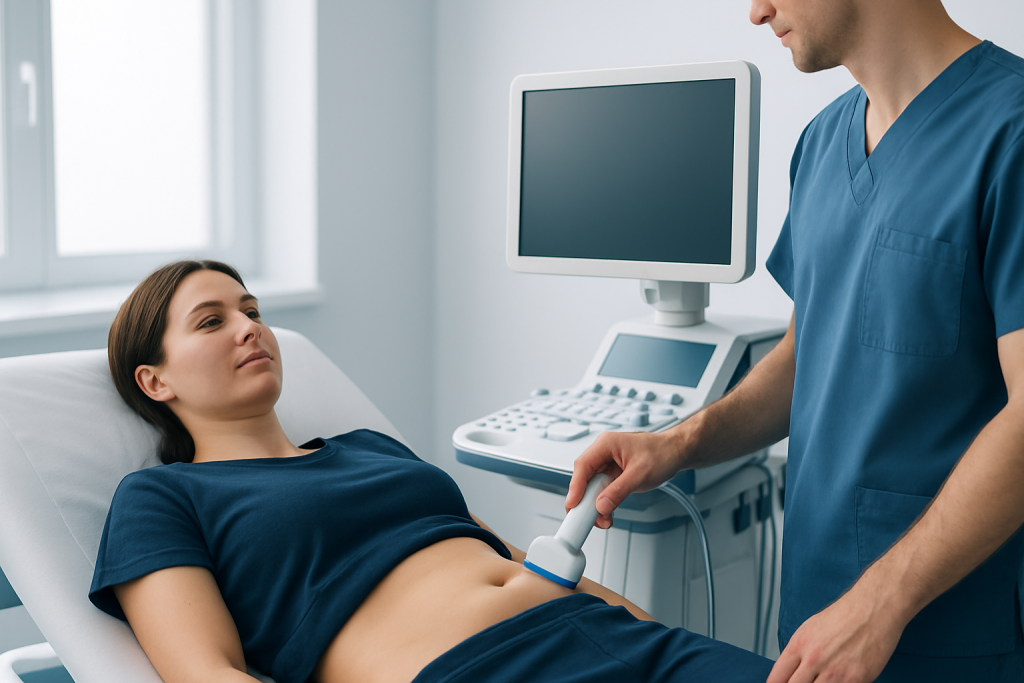
The exercise begins with a quiet exhale, followed by a controlled inward draw of the lower abdomen. The goal is not to collapse the chest or brace hard, but to create a subtle tension that brings awareness to the deep core muscles. Many people are surprised that the movement is small; that is part of the design.
When performed correctly, the diaphragm, abdominal wall, and pelvic floor coordinate as a team. This coordination can improve trunk stability during everyday tasks such as standing, lifting, reaching, or changing direction. Over time, the exercise may help some people feel more connected to their posture and breathing patterns.
It is important to separate the exercise from claims that it “burns belly fat” or permanently flattens the stomach. No exercise can target fat loss in one body area alone. Changes in body shape usually depend on overall activity, nutrition, genetics, and medical factors, while stomach vacuum training mainly addresses control and muscle activation.
Symptoms and Signs That the Technique Is Being Done Well

There is no “symptom” in the medical sense, but there are signs that the exercise is being performed appropriately. The person should feel a mild inward engagement below the ribs, not sharp pain, breathlessness, or visible straining in the neck and shoulders. The chest should remain relatively relaxed, and the movement should feel controlled rather than forced.
A common early sign of success is improved awareness of the lower abdominal wall. Some people notice that they can maintain a steadier torso during standing or walking after regular practice. Others find the exercise helpful because it teaches them to coordinate exhalation and core support before movement.
If the stomach vacuum creates dizziness, pressure, pain, or a feeling of bearing down, the technique likely needs adjustment. Those signs may mean the person is holding the breath, over-contracting the abdominal wall, or using muscles in a way that is not suitable for their body.
Who Should Be Cautious
Although stomach vacuum training is usually low impact, it is not appropriate for everyone. People with a known abdominal hernia, recent abdominal surgery, or unexplained abdominal pain should seek medical advice before trying it. Those with reflux, pelvic floor symptoms, or a history of dizziness with exercise may also need a modified approach.
Pregnancy is another situation where caution matters. Because the exercise changes intra-abdominal pressure and requires coordination of breathing and core muscles, it may not be suitable in its standard form for every pregnant person. A clinician or women’s health physiotherapist can advise on safer alternatives.
Anyone with chronic back pain, a breathing disorder, or a complex recovery plan should consider professional guidance first. The safest route is often to match the exercise to the person, not force the person to fit the exercise.
Causes & Risk Factors for Poor Technique or Overuse
Most problems with stomach vacuum training come from technique rather than the exercise itself. A person may push too hard, hold the breath, or pull the abdomen in so aggressively that the chest stiffens and normal breathing stops. That turns a controlled drill into a strain-based maneuver.
Another common issue is using the exercise as a shortcut for weight loss or a “flat stomach.” That mindset can lead to excessive repetitions and frustration, especially when the body does not change in the expected way. Fitness goals are more sustainable when they are realistic and based on function, not appearance alone.
Risk can also increase when the exercise is done without supervision after injury, surgery, or prolonged deconditioning. In those settings, the deep core may need to be reintroduced gradually, sometimes alongside breathing retraining, gentle strengthening, and movement therapy.
How It Is Diagnosed or Assessed in Clinical Practice
Stomach vacuum training itself is not a medical diagnosis, but clinicians may assess core control when someone has back pain, postural complaints, pelvic floor symptoms, or concerns after abdominal surgery. A physiotherapist, sports medicine clinician, or physician may observe how a person breathes, stabilizes, and coordinates the trunk during simple tasks.
Assessment often includes questions about pain, previous injuries, urinary symptoms, surgical history, and exercise habits. In some cases, a specialist may test whether the person can activate the deep abdominal muscles without overusing the shoulders, holding the breath, or creating excessive pressure.
If symptoms suggest a hernia, pelvic floor dysfunction, or another abdominal condition, the evaluation may extend beyond exercise technique. That is one reason a one-size-fits-all online routine is not always the right starting point.
Treatment Options and Safe Training Approach
For healthy adults, the usual “treatment” is simply learning the exercise correctly and deciding whether it belongs in a broader program. A safe approach starts with short holds, calm breathing, and a relaxed posture. Many people benefit from learning the movement while lying down, then progressing to sitting and standing as control improves.
Stomach vacuum training is often most useful when combined with other forms of exercise: walking, resistance training, mobility work, and functional core training. Deep core activation is only one part of physical resilience. A balanced plan helps the person build endurance, strength, and coordination together.
If the exercise is being used during rehabilitation, professional supervision matters. A physiotherapist may pair it with diaphragmatic breathing, pelvic floor coordination, and gradual loading so the person can return to daily activities with confidence. For someone traveling from another country for care, this kind of structured plan can make follow-up easier to continue once home.
Prevention & Self-care
The best way to keep stomach vacuum training helpful is to treat it as a skill, not a challenge. Practice should remain calm, controlled, and brief enough that the person can maintain good form. If the movement becomes shaky or the breath becomes strained, it is usually better to stop and reset.
Self-care also means paying attention to the whole body. Adequate hydration, sleep, posture variation, and a rounded exercise routine all support abdominal and spinal health. People who sit for long periods may notice more benefit when they alternate core work with standing, walking, and gentle mobility.
It is also sensible to watch for warning signs such as pain, bulging, heaviness, or persistent breathlessness. Those symptoms are not a reason for panic, but they are a reason to slow down and ask a qualified professional for advice.
When to See a Doctor
Medical advice is appropriate if stomach vacuum training causes pain, dizziness, chest discomfort, worsening reflux, or a sense of pressure in the pelvis or abdomen. It is also wise to seek help if the person notices a bulge in the abdomen or groin, or if an old surgical area feels strained.
Anyone with ongoing back pain, breathing difficulty, postpartum concerns, or a history of hernia should not rely on internet guidance alone. A clinician can determine whether the exercise is suitable and suggest safer modifications or alternatives.
For people seeking care across borders, a structured evaluation can be especially valuable because it provides a clear plan for home practice and follow-up. Acibadem Health Point’s multidisciplinary specialists and JCI-accredited hospitals diagnose and treat digestive and core-related concerns for international patients, with coordinated care when additional assessment is needed.
Frequently asked questions
01What is stomach vacuum training used for?
Stomach vacuum training is mainly used to improve deep core muscle control, posture awareness, and trunk stability. It may be included in fitness or rehabilitation programs when a gentle, low-load exercise is appropriate. It is not a stand-alone treatment for weight loss or abdominal fat reduction.
02Does stomach vacuum training flatten the stomach?
It can make a person more aware of how to hold and control the abdomen, which may change how the midsection looks during the exercise. However, it does not directly remove fat from the stomach area. Long-term body-shape changes usually depend on overall health habits and genetics.
03Is stomach vacuum training safe every day?
For many healthy adults, brief practice can be safe if done with good technique and without breath-holding or pain. Even so, daily practice should stay modest and balanced with other forms of exercise. People with medical conditions, surgery history, or pregnancy should ask a clinician first.
04Who should avoid stomach vacuum training?
People with abdominal hernias, unexplained abdominal pain, recent surgery, or significant pelvic floor symptoms should get medical advice before starting. Pregnant people and those with dizziness, reflux, or breathing issues may also need individualized guidance. A healthcare professional can suggest safer alternatives when needed.
05Can stomach vacuum training help with back pain?
It may help some people by improving deep core activation and trunk control, which can support the spine. But back pain has many possible causes, so the exercise is not a universal solution. If pain is persistent or severe, it should be assessed rather than self-treated alone.
06How long does it take to learn the exercise?
Some people understand the basic movement quickly, while others need repeated coaching to avoid breath-holding or over-bracing. Learning usually improves when the exercise is introduced slowly and practiced in comfortable positions. Progress is often more important than intensity.
This article is for general information only and is not a substitute for professional medical advice. Please consult a qualified doctor about your individual situation.
Medical weight-loss options in Turkey — costs & eligibility
JCI-accredited · board-certified surgeons · reply within 24h
Add us as a Preferred Source to see more of our trusted health content across Google Search, AI Overviews and Discover.