The Gallbladder Stores Bile, and Stones Cause Most Trouble
Have you ever felt a deep ache under your right ribs after a heavy, fatty meal and wondered what’s going on in there? Often, the answer involves the gallbladder — a small organ that stores bile and helps you digest fats. Most gallbladder trouble, though, isn’t about the organ itself. It usually comes from gallstones or inflammation. Knowing what your gallbladder does, which symptoms matter, and when to see a doctor helps you act early — before complications develop.
Overview: what the gallbladder does
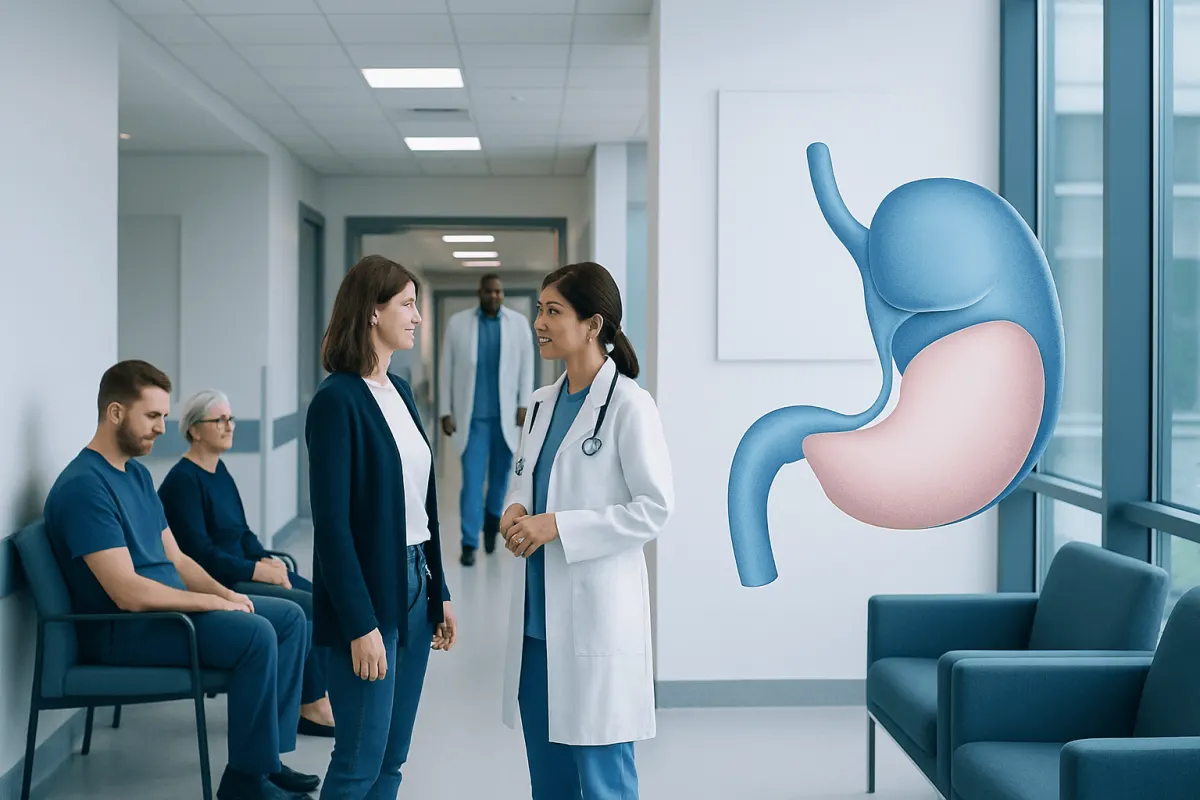
The gallbladder is a small, pear-shaped organ located under the liver on the right side of the abdomen. Its main job is to store and concentrate bile, a digestive fluid made by the liver. When a person eats, especially foods containing fat, the gallbladder releases bile into the small intestine to help break fats down so they can be absorbed.
When people say “gallbladder,” they usually mean a gallbladder problem — gallstones or inflammation. Here’s the reassuring part: you don’t actually need this organ to live, and plenty of people do just fine without it after surgery. Still, gallbladder symptoms can be painful, and if they’re not checked in time, they can lead to complications.
Gallbladder symptoms are easy to confuse with indigestion, acid reflux, an upset stomach, or liver and pancreatic conditions. So don’t blame every upper abdominal pain on your gallbladder without a proper check-up. A clear diagnosis points to the right treatment — and spares you the myth that every bit of discomfort after a fatty meal means gallbladder disease.
Common gallbladder problems and symptoms
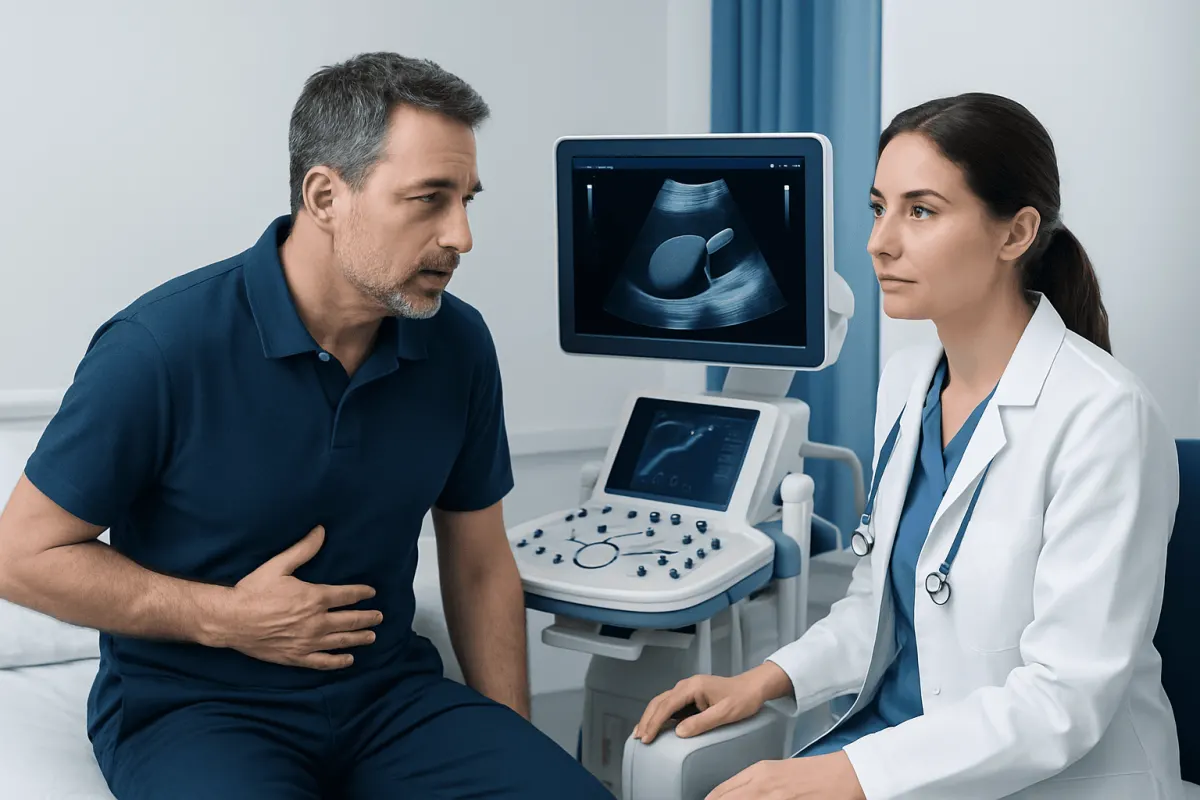
The most common gallbladder problem is gallstones, which are hardened deposits that form inside the gallbladder. Some people have gallstones and never develop symptoms. Others may experience pain when a stone temporarily blocks the normal flow of bile. This pain is sometimes called biliary colic and often starts in the upper right or middle upper abdomen, sometimes spreading to the back or right shoulder.
Gallbladder-related symptoms can come and go, or they may become more persistent if inflammation develops. Common symptoms include nausea, bloating, discomfort after eating fatty foods, and episodes of abdominal pain that last from minutes to several hours. Some people describe the pain as pressure, cramping, or a steady ache rather than a sharp sensation.
Warning signs suggest a more urgent problem, such as acute inflammation or blockage of the bile ducts. These signs may include fever, chills, vomiting, yellowing of the skin or eyes, dark urine, pale stools, or severe pain that does not improve. In such cases, doctors may need to evaluate for conditions such as cholecystitis or stones in the bile duct.
- Right upper abdominal pain, especially after meals
- Nausea or vomiting
- Bloating or a feeling of fullness
- Pain that travels to the back or right shoulder
- Fever or jaundice in more serious cases
Causes and risk factors
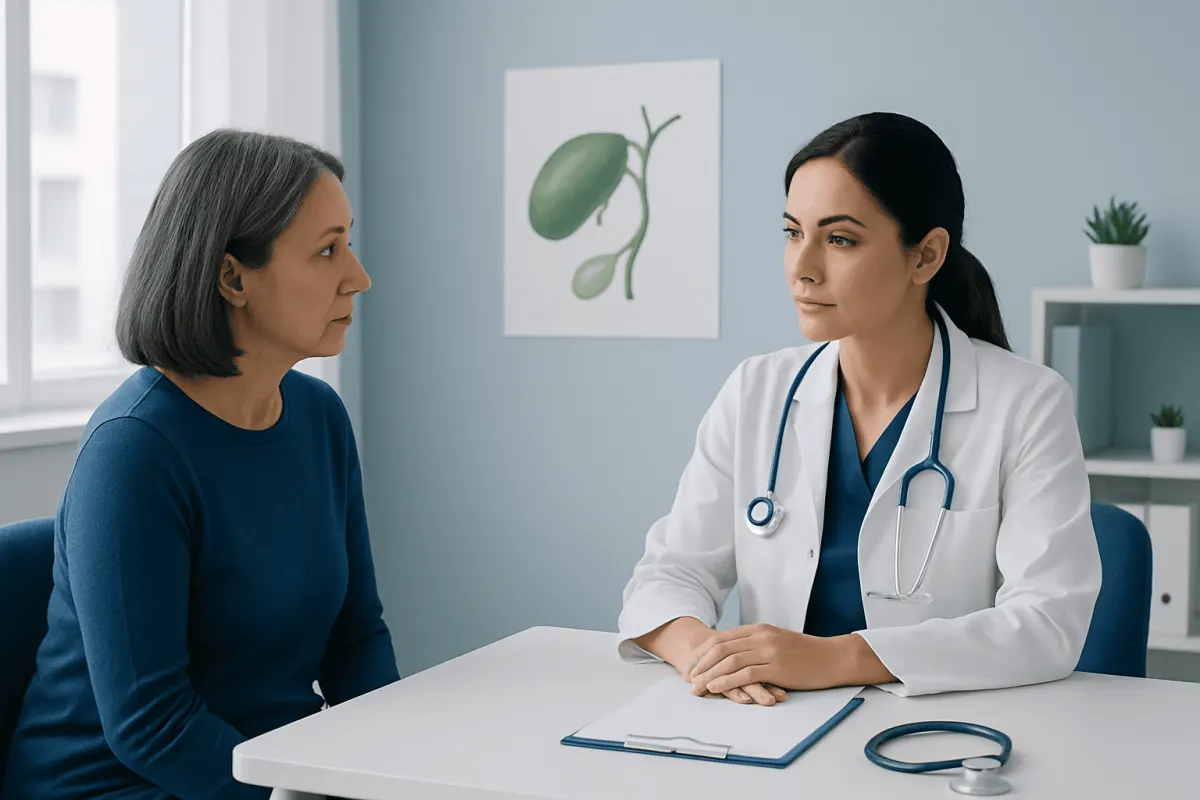
Gallbladder problems have several causes, but gallstones are the leading one. Gallstones can form when bile contains too much cholesterol, too much bilirubin, or not enough substances to keep bile balanced. They may also form if the gallbladder does not empty fully or often enough. Stones vary in size and number, and not all of them cause symptoms.
Several factors can increase the chance of developing gallstones or other gallbladder conditions. Risk tends to rise with age, and gallstones are more common in women, during pregnancy, and in people with a family history of gallbladder disease. Obesity, rapid weight loss, diabetes, and diets high in refined carbohydrates may also increase risk. Some medications and certain blood or liver disorders can play a role as well.
Not every gallbladder problem is caused by stones. Inflammation without stones, poor gallbladder emptying, infection, and tumors are less common but possible causes. Because upper abdominal symptoms can also come from the stomach, liver, pancreas, or intestines, doctors often look at the full digestive picture, including related problems such as gallstones or other biliary conditions.
How doctors diagnose gallbladder conditions
Diagnosis usually starts with a medical history and physical examination. A doctor asks about the location of pain, how long it lasts, whether it happens after meals, and whether symptoms such as fever, jaundice, or vomiting are present. This first step helps distinguish likely gallbladder pain from other causes of abdominal discomfort.
Ultrasound is often the first imaging test used because it can show gallstones, gallbladder wall thickening, and signs of inflammation. Blood tests may also be ordered to look for infection, liver problems, blockage of bile flow, or pancreatic involvement. If the diagnosis remains unclear, additional imaging such as MRI-based bile duct imaging or other scans may be used.
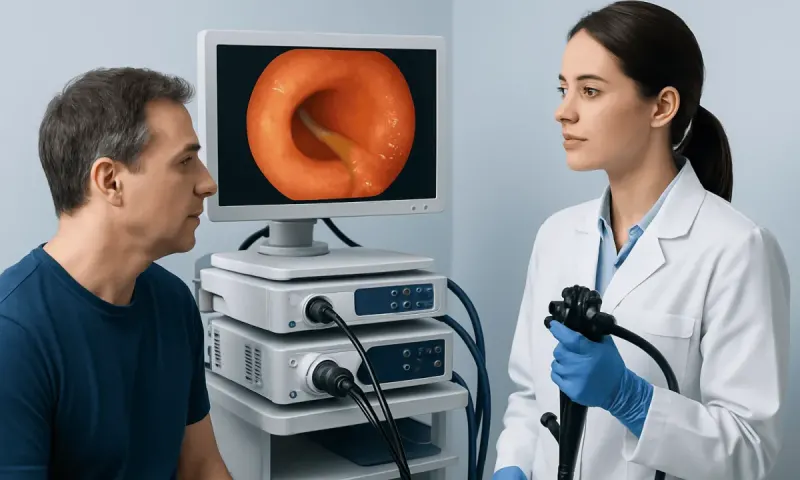
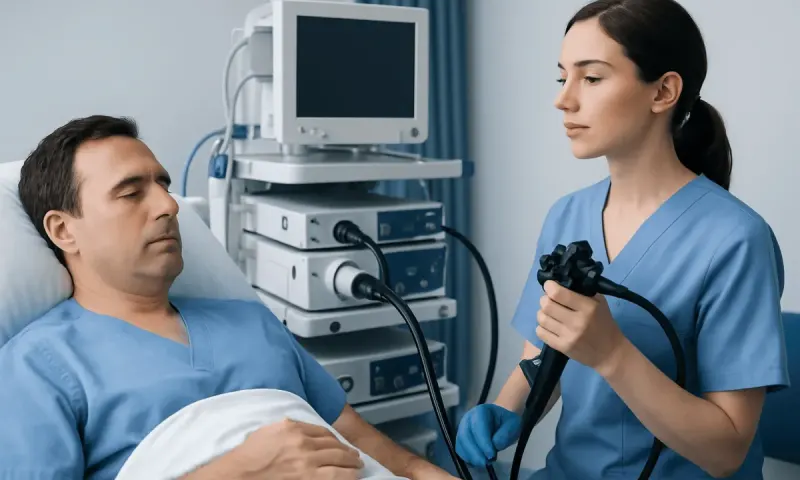
When doctors suspect a blockage in the bile ducts, they may recommend a specialized procedure that can both diagnose and treat the problem. In selected cases, ERCP may be used to identify and remove stones from the bile duct. The exact testing plan depends on the symptoms, exam findings, and the need to rule out other digestive conditions.
Treatment options for gallbladder problems
Treatment depends on the diagnosis and whether symptoms are mild, recurrent, or complicated. Gallstones that do not cause symptoms often do not need immediate treatment. If symptoms are clearly linked to gallstones, especially repeated attacks of pain, doctors may recommend surgery to remove the gallbladder. This operation is called cholecystectomy and is a well-established treatment for symptomatic gallbladder disease.
Most gallbladder removal procedures are performed with minimally invasive techniques. Gallbladder surgery is often done laparoscopically, using small incisions, which may support faster recovery in suitable patients. If inflammation is severe, anatomy is complex, or complications are present, a different surgical approach may sometimes be needed.
When stones have moved into the bile duct, treatment may involve removing the blockage before or around the time of surgery. In people with acute inflammation, infection, or dehydration, hospital care, fluids, pain management, and close monitoring may be required. If another digestive disorder is suspected, doctors may also evaluate the stomach and upper digestive tract with tests such as endoscopy when appropriate.
There’s no one-size-fits-all answer here. Your age, overall health, symptom pattern, and imaging results all matter. A specialist can walk you through whether watchful waiting, medication for symptom relief, a procedure, or surgery makes the most sense for you.
Living without a gallbladder: recovery, diet, and self-care
People can live normally without a gallbladder because the liver continues to make bile. After gallbladder removal, bile flows directly into the small intestine instead of being stored. Many people return to their usual activities after recovery and notice that the attacks of pain they had before surgery stop.
Digestive changes after surgery are usually temporary, though some people may have looser stools or sensitivity to heavy meals for a period of time. Eating smaller meals, reducing very fatty or fried foods at first, staying hydrated, and gradually returning to a balanced diet may help. Over time, many people can eat a wide variety of foods again.
Even before you have a diagnosis, you can help yourself. Jot down your symptoms, what you ate, and when the pain came — your doctor will thank you. And please skip the “gallbladder cleanses” and unproven home remedies; they aren’t evidence-based and can delay the treatment you actually need.
For international patients who need coordinated assessment, Acıbadem Health Point’s multidisciplinary specialists and JCI-accredited hospitals diagnose and treat gallbladder conditions using evidence-based medical and surgical care.
Can gallbladder problems be prevented?
Gallbladder disease cannot always be prevented, especially when family history or other biological factors are involved. Still, certain lifestyle habits may reduce the risk of gallstones and support overall digestive health. Prevention focuses on steady, sustainable habits rather than quick fixes.
Maintaining a healthy weight is one of the most helpful steps, but rapid weight loss should be avoided because it can increase the chance of gallstone formation. A balanced eating pattern with vegetables, fruits, whole grains, and healthy fats may support normal bile balance and gallbladder function. Regular physical activity also supports metabolic health.
- Avoid repeated crash diets or very rapid weight-loss plans
- Choose balanced meals instead of long fasting periods
- Manage conditions such as diabetes with medical guidance
- Seek evaluation for recurring upper abdominal pain rather than self-diagnosing
Even with the healthiest habits, symptoms can still show up. Prevention lowers your risk — it doesn’t replace seeing a doctor when pain, nausea, or jaundice develops.
When to seek medical care
A person should seek medical care if upper abdominal pain is recurrent, interferes with meals, wakes them from sleep, or keeps returning after fatty foods. Ongoing nausea, unexplained bloating, or pain that spreads to the back or right shoulder also deserves evaluation, especially if symptoms are new or becoming more frequent.
Urgent medical attention is important if there is severe or constant pain, fever, repeated vomiting, yellowing of the eyes or skin, dark urine, or pale stools. These symptoms can suggest a blocked bile duct, infection, or inflammation that may need prompt treatment.
Abdominal symptoms have many possible causes, and the earlier you get checked, the simpler and safer treatment tends to be. A qualified doctor can confirm whether your gallbladder is the culprit and decide if you need monitoring, medication, imaging, or a procedure.
Frequently asked questions
01What is the gallbladder and what does it do?
The gallbladder is a small organ under the liver that stores and concentrates bile. Bile helps the body digest fats, and the gallbladder releases it into the small intestine after meals.
02Can a person live without a gallbladder?
Yes. The liver still makes bile after the gallbladder is removed, so digestion can continue. Some people notice temporary changes such as loose stools or difficulty with very fatty meals, but many return to a normal routine.
03Do gallstones always need treatment?
No. Gallstones that do not cause symptoms often do not need immediate treatment. If they cause pain, inflammation, or blockage, a doctor may recommend surgery or another procedure depending on the situation.
04What does gallbladder pain feel like?
Gallbladder pain is often felt in the right upper abdomen or the center of the upper belly. It may come after eating, especially fatty foods, and can spread to the back or right shoulder. The pain may be steady and intense rather than brief and sharp.
05Which test is most commonly used to check the gallbladder?
Ultrasound is usually the first test because it can detect gallstones and signs of inflammation. Blood tests and other imaging may be added if the diagnosis is uncertain or if a bile duct problem is suspected.
06Are home remedies or gallbladder cleanses effective?
There is no strong medical evidence that gallbladder cleanses remove gallstones safely or treat gallbladder disease. Relying on unproven remedies may delay proper care, so persistent symptoms should be assessed by a qualified doctor.
This article is for general information only and is not a substitute for professional medical advice. Please consult a qualified doctor about your individual situation.
Persistent digestive symptoms? Get evaluated in Turkey
JCI-accredited · board-certified surgeons · reply within 24h
Add us as a Preferred Source to see more of our trusted health content across Google Search, AI Overviews and Discover.