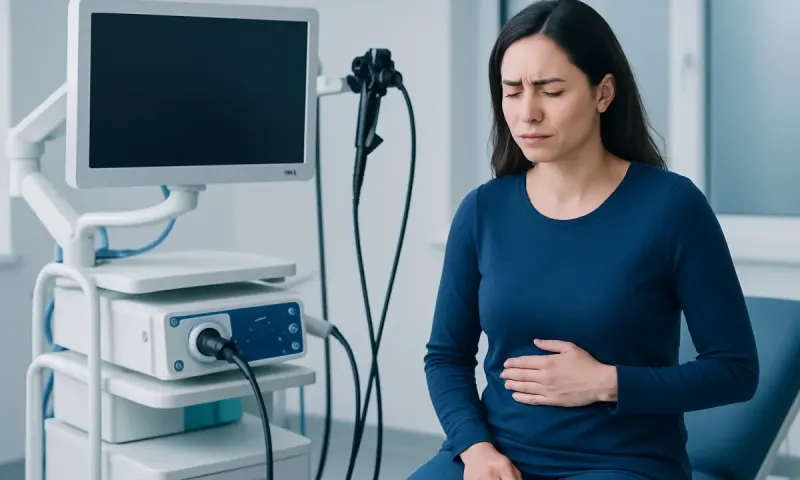
Bile Reflux Treatment at Home: What May Help
Bile reflux treatment at home may help reduce symptoms through smaller lower-fat meals, avoiding late eating, staying upright after meals and following a clinician’s treatment plan. Because bile reflux can resemble acid reflux and may irritate the stomach or oesophagus, persistent symptoms need medical assessment rather than self-treatment alone.
Overview: what bile reflux treatment at home can and cannot do
Bile reflux treatment at home can support symptom control, but it is not a substitute for a medical diagnosis or prescribed treatment. Helpful habits include eating smaller meals, choosing lower-fat foods, avoiding lying down after eating and reducing personal triggers. These steps may lessen the amount of digestive material moving upward and may reduce discomfort, but they cannot correct every cause of bile reflux.
Bile is a yellow-green digestive fluid made by the liver and stored in the gallbladder. It normally travels into the first part of the small intestine to help digest fats. Bile reflux happens when it moves backward into the stomach; in some people, it can also reach the oesophagus, the tube connecting the mouth to the stomach.
The condition may occur after stomach, gallbladder or weight-loss surgery, but it can also occur with problems affecting stomach emptying or the normal valve-like function between the stomach and small intestine. Acid reflux and bile reflux can occur together, and their symptoms can be difficult to distinguish without assessment.
Symptoms and why assessment matters
Bile reflux may cause burning or aching pain in the upper abdomen, nausea, a bitter taste in the mouth, frequent belching, bloating or vomiting yellow-green fluid. When reflux reaches the oesophagus, some people experience heartburn-like discomfort, sore throat, cough or hoarseness. Symptoms are not always specific, and some people have little discomfort despite inflammation.
It is not possible to confirm bile reflux by the taste of fluid in the mouth alone. Acid reflux, indigestion, gastritis, peptic ulcer disease, medication effects and gallbladder conditions can cause similar symptoms. A clinician can consider the full pattern of symptoms, medical history and any history of abdominal surgery.
Ongoing reflux can inflame the stomach lining, known as bile reflux gastritis, and may irritate the oesophagus. Identifying the cause is important because treatment depends on whether bile reflux is present alone, alongside acid reflux or as part of another digestive disorder.
Practical home measures for bile reflux
Home care is generally aimed at reducing symptom triggers and avoiding additional irritation. Eating smaller portions more regularly may be easier on the digestive system than a few large meals. Limiting high-fat or fried foods can be useful because dietary fat may slow stomach emptying and increase digestive stimulation in some people.
It can also help to avoid lying down, bending deeply or exercising vigorously straight after a meal. Remaining upright for at least two to three hours after eating may reduce upward flow. If symptoms occur at night, elevating the head of the bed with blocks or a wedge may be more effective than simply adding extra pillows.
Common individual triggers include alcohol, smoking, large meals, very rich foods, chocolate, peppermint, coffee and spicy foods, although triggers vary. Keeping a short food-and-symptom diary can help identify patterns without imposing unnecessarily restrictive eating. Maintaining a weight that is healthy for the individual and avoiding tight clothing around the abdomen may also reduce pressure on the stomach.
- Choose smaller, balanced meals and avoid very large evening meals.
- Limit fried, greasy and high-fat foods when they worsen symptoms.
- Stay upright after meals and avoid eating close to bedtime.
- Do not smoke, and limit or avoid alcohol if it triggers symptoms.
- Discuss regular use of pain relievers such as anti-inflammatory medicines with a clinician, as some may irritate the stomach.
Which drink is good for bile reflux?
There is no proven drink that neutralises bile reflux or cures it. Plain water is usually the most reliable choice for hydration because it is unlikely to irritate the stomach. Drinking small amounts with and between meals may be more comfortable than drinking a large volume quickly.
Some people tolerate non-caffeinated herbal drinks, but evidence that they treat bile reflux is limited. A drink that feels soothing for one person may worsen bloating, nausea or reflux for another. Peppermint tea, for example, can aggravate reflux symptoms in some people because it may relax the lower oesophageal sphincter.
It is sensible to limit beverages that commonly worsen reflux symptoms, including alcohol, caffeinated coffee, energy drinks, carbonated drinks and very acidic juices. Milk is not a treatment for bile reflux; higher-fat milk may trigger symptoms in some individuals. A clinician or dietitian can help tailor dietary choices when symptoms remain frequent.
Medical diagnosis and treatment options
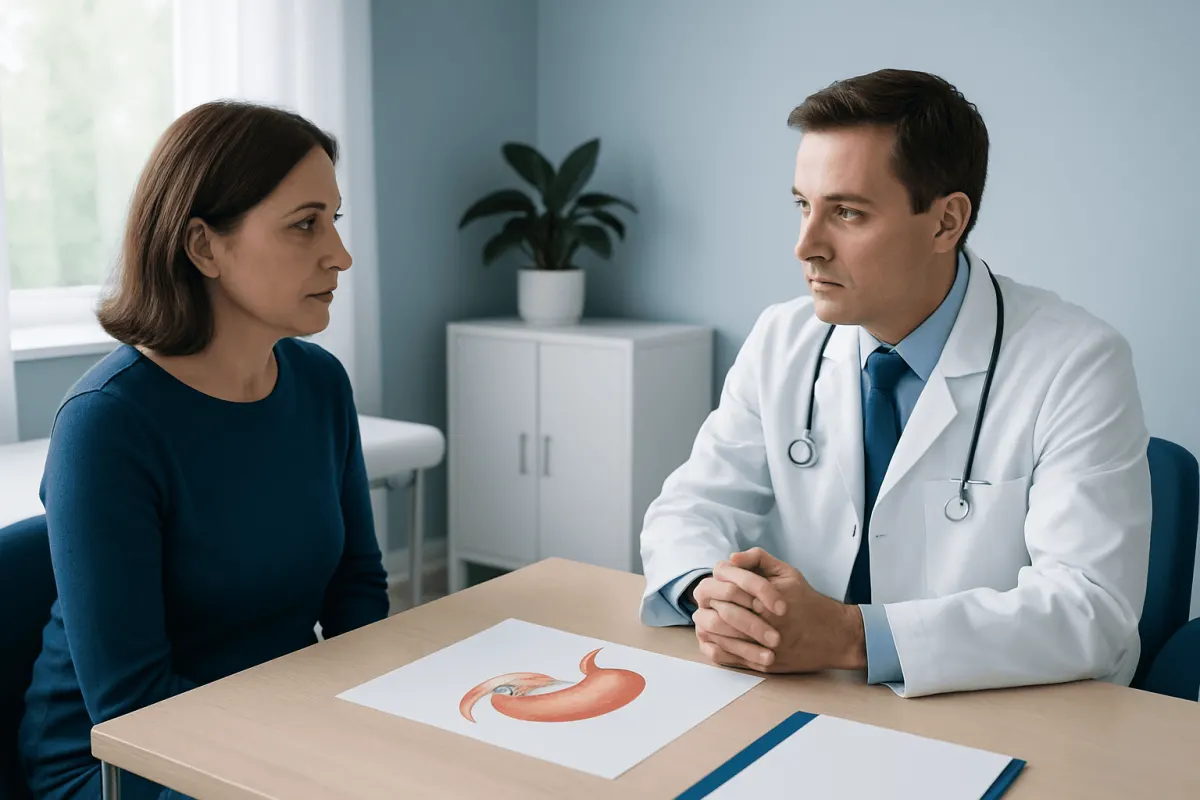
A doctor may begin with a review of symptoms, medicines, previous operations and dietary habits. Tests can include an upper endoscopy, which allows the clinician to examine the oesophagus and stomach and take biopsies if needed. Other tests may be used to assess reflux, acid exposure or how quickly the stomach empties.
Medicines may be recommended to protect the lining of the stomach or oesophagus, improve digestive movement or alter the effects of bile, depending on the situation. Acid-suppressing medicines can be useful when acid reflux occurs at the same time, but they do not directly remove bile from the stomach. Medication selection should be individualised because benefits and possible side effects differ.
When symptoms are severe, persistent or related to an anatomical problem after surgery, a specialist may discuss procedural or surgical options. These approaches are considered only after appropriate evaluation and are designed to redirect bile flow or address the underlying cause. People with complex symptoms may benefit from care by a gastroenterology team.
How long does it take to heal from bile reflux?
Healing time from bile reflux varies widely. Mild symptoms may improve over several weeks when triggers are reduced and the right medical treatment is started. If there is significant inflammation in the stomach or oesophagus, recovery can take longer and should be monitored by a clinician.
The timeline depends on the cause, whether acid reflux is also present, the degree of tissue irritation, prior digestive surgery and how consistently the treatment plan can be followed. Symptom improvement does not always mean that inflammation has fully resolved, which is one reason follow-up may be recommended.
Rather than relying on a fixed timeline, patients should seek review if symptoms are not improving, are recurring often or are interfering with eating, sleep or daily activities. A doctor can reassess the diagnosis and adjust treatment where needed.
How to recover from bile reflux and support long-term health
Recovery begins with confirming what is causing symptoms and following a personalised plan. This may include dietary adjustments, timing changes around meals and sleep, prescribed medicines and management of related digestive conditions. Regular follow-up is particularly important after stomach surgery or when symptoms have been persistent.
Keeping a concise symptom record can be useful. Notes may include meal timing, foods and drinks, nausea or pain, nighttime symptoms, vomiting and medicines used. This information can help a clinician determine whether symptoms fit bile reflux, acid reflux or another condition and whether a treatment is working.
Stress does not cause bile reflux, but stress, poor sleep and anxiety can heighten the perception of digestive discomfort. Gentle physical activity, regular sleep routines and relaxation practices may support overall wellbeing. They should complement, not replace, medical care for ongoing symptoms.
Acıbadem Health Point’s multidisciplinary specialists and JCI-accredited hospitals assess and treat digestive conditions, including complex reflux symptoms, for international patients.
Can you live a long life with bile reflux?
Many people with bile reflux can live a long life, particularly when the cause is identified and symptoms are managed appropriately. The condition itself does not automatically indicate a shortened lifespan. The main goals are controlling symptoms, protecting the stomach and oesophagus from ongoing irritation and investigating warning signs promptly.
Long-term outlook depends more on the underlying reason for reflux and whether complications are present than on the symptom alone. Regular medical care can help identify persistent inflammation or other digestive problems that may need treatment.
People should not ignore chronic vomiting, difficulty maintaining nutrition, swallowing problems or new symptoms after digestive surgery. Early assessment offers the best opportunity to manage the cause and maintain quality of life.
When to seek medical care
A person should arrange a medical appointment for frequent or persistent upper abdominal pain, recurrent nausea or vomiting, bitter-tasting reflux, symptoms that disturb sleep or symptoms that do not improve with basic lifestyle changes. Medical review is also advisable before starting long-term over-the-counter reflux medicines, especially after gastric or gallbladder surgery.
Urgent medical care is needed for vomiting blood or material that resembles coffee grounds, black tar-like stools, severe or worsening abdominal or chest pain, fainting, fever with significant abdominal pain, persistent vomiting or signs of dehydration. Difficulty swallowing, painful swallowing, unintentional weight loss or ongoing loss of appetite also require timely assessment.
These symptoms can have causes other than bile reflux and deserve prompt evaluation. A qualified doctor can determine whether testing, medicine changes or referral to a digestive specialist is appropriate.
Frequently asked questions
01Can bile reflux be treated at home?
Home measures can reduce symptoms for some people, especially smaller lower-fat meals, avoiding late meals and staying upright after eating. However, they cannot reliably stop bile reflux or treat significant inflammation. Persistent symptoms should be assessed by a doctor.
02How do I know if I have bile reflux rather than acid reflux?
The symptoms overlap considerably, and a bitter taste or yellow-green vomit does not confirm the diagnosis on its own. A clinician may use medical history, endoscopy and other tests to investigate the source of reflux. Acid and bile reflux can also occur together.
03How long does it take to heal from bile reflux?
Some people notice improvement within weeks after appropriate changes and treatment, while inflammation may take longer to settle. Healing depends on the cause, the severity of irritation and whether another digestive condition is involved. Ongoing symptoms should be reviewed rather than managed indefinitely at home.
04Can you live a long life with bile reflux?
Yes. Many people manage bile reflux effectively and live a long life, particularly when they receive appropriate evaluation and follow-up. The priority is addressing the underlying cause and monitoring symptoms that could suggest complications.
05How to recover from bile reflux?
Recovery usually involves a combination of medical assessment, a tailored treatment plan and habits that reduce reflux triggers. Smaller meals, lower-fat choices, avoiding lying down after eating and taking prescribed medicine as directed may help. Surgery is considered only for selected cases with an underlying structural problem or difficult-to-control symptoms.
06Which drink is good for bile reflux?
Plain water is generally the safest drink because it supports hydration without adding common reflux triggers. There is no beverage proven to cure bile reflux. It may help to avoid alcohol, carbonated drinks, high-caffeine beverages and acidic juices if they worsen symptoms.
This article is for general information only and is not a substitute for professional medical advice. Please consult a qualified doctor about your individual situation.
Persistent digestive symptoms? Get evaluated in Turkey
JCI-accredited · board-certified surgeons · reply within 24h
Add us as a Preferred Source to see more of our trusted health content across Google Search, AI Overviews and Discover.