Explosive Diarrhea: Common Causes and Warning Signs

You know the feeling: one moment you’re fine, the next you have seconds to find a toilet. Explosive diarrhea means very sudden, forceful, usually watery bowel movements that are hard to control. Most of the time it comes from a short-term infection or something you ate or drank that irritated your gut. But some cases need medical attention — especially if you notice dehydration, blood, fever, or symptoms that just won’t go away.
Overview: What explosive diarrhea means
Explosive diarrhea is a sudden, urgent bowel movement that is unusually forceful and often watery. You may get little warning before needing the toilet, and the stool can come with cramping, bloating, or a sense of losing control. It’s an informal term, but it describes a symptom pattern seen with several digestive problems.
In many cases, explosive diarrhea is short-lived and linked to a stomach bug, food poisoning, or irritation from something eaten or drunk. The intestines move fluid and stool too quickly, leaving less time for water to be absorbed. This leads to loose, watery stools and urgency.
It’s usually temporary — but don’t brush it off if it’s severe or comes with warning signs. The big early concern is fluid loss. Repeated watery stools can dehydrate you quickly, especially in young children, older adults, and people who are already unwell.
Symptoms that may occur with explosive diarrhea

The main symptom is sudden, forceful, loose or watery stool. Some people have only a few episodes; others need to go many times over several hours. That constant urgency is distressing and can get in the way of work, travel, sleep, or just getting through the day.
Other symptoms often depend on the underlying cause. Viral infections may cause nausea, vomiting, mild fever, and generalized stomach upset. Food poisoning or bacterial infection may bring stronger abdominal cramps, fever, or a feeling of being acutely ill.
Common symptoms that can occur alongside explosive diarrhea include:
- Abdominal cramping or pain
- Bloating or intestinal rumbling
- Nausea or vomiting
- Urgency and frequent bowel movements
- Fatigue or weakness
- Fever in some cases
- Signs of dehydration such as thirst, dry mouth, dizziness, or dark urine
If diarrhea is related to a chronic digestive disorder rather than a brief infection, symptoms may come and go over time. In these cases, explosive diarrhea may occur in flares and may be linked with food triggers, stress, weight loss, or ongoing bowel habit changes.
Common causes and risk factors

Explosive diarrhea has many possible causes. One of the most common is acute gastroenteritis, often caused by viruses such as norovirus or rotavirus. Bacterial infections from contaminated food or water can also be responsible, especially if symptoms start suddenly after a meal, during travel, or after exposure to someone who is ill.
Food poisoning can trigger rapid-onset diarrhea, sometimes with vomiting and abdominal pain. Certain foods may also irritate the bowel even without infection. For example, some people react to lactose, artificial sweeteners, very fatty foods, or spicy meals. A sudden change in diet, alcohol use, or excessive caffeine can also make diarrhea worse.
Medications are another frequent cause. Antibiotics may disrupt the normal balance of gut bacteria and lead to diarrhea. Laxatives, magnesium-containing products, some diabetes medicines, chemotherapy, and other drugs may also contribute. Persistent or severe diarrhea after antibiotics needs medical review because it can sometimes be linked to a more serious intestinal infection.
In some people, explosive diarrhea is part of an underlying digestive condition. These may include irritable bowel syndrome, Ulcerative Colitis, and Flares" class="ahp-ilk">inflammatory bowel disease, celiac disease, bile acid malabsorption, or other disorders affecting digestion and absorption. Risk factors for severe illness include older age, weakened immunity, chronic medical conditions, recent hospitalization, unsafe food or water exposure, and international travel.
How doctors diagnose the cause
Diagnosis starts with a careful history. Your doctor will want to know when the diarrhea started, how often it happens, whether there’s blood or fever, what you’ve eaten recently, whether you’ve traveled, and what medications you’re taking. Questions about vomiting, abdominal pain, and how much you’ve been able to drink help us judge how urgent things are and your risk of dehydration.
A physical examination may look for signs of fluid loss, abdominal tenderness, fever, or weight loss. In many brief, mild cases, no special tests are needed. If symptoms are severe, prolonged, recurrent, or associated with red flags, further testing may be recommended.
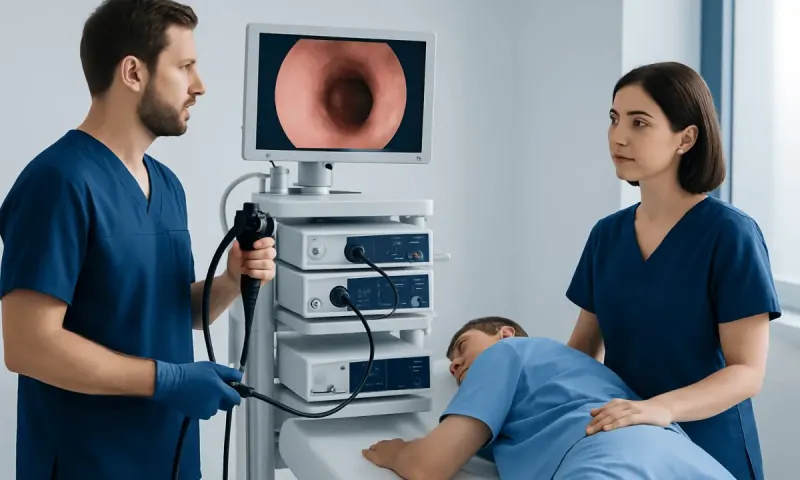
Possible tests may include stool studies to look for infection, blood tests to check hydration and inflammation, and in selected cases imaging or endoscopic evaluation. If ongoing diarrhea raises concern for chronic bowel disease, a gastroenterologist may investigate conditions such as Crohn's disease or other causes of intestinal inflammation. Depending on the situation, evaluation may also include colonoscopy or endoscopy to examine the digestive tract more closely.
Treatment options and recovery
Treatment depends on the cause, how severe things are, and your age and overall health. For most short-term cases, the main approach is simply supporting your body while it recovers. Replacing lost fluids comes first. Water, oral rehydration solutions, clear soups, and other gentle fluids help restore both water and electrolytes. If you feel nauseous, small, frequent sips are usually easier to keep down.
Eating can usually resume gradually once vomiting settles and appetite returns. Bland, easy-to-digest foods may be better tolerated for a day or two. Very greasy meals, heavy dairy intake, alcohol, and high-caffeine drinks may worsen symptoms. Rest is also important while the bowel recovers.
Some people may benefit from over-the-counter anti-diarrheal medication, but these products are not right for everyone. They should be used cautiously and generally avoided if there is high fever, bloody stool, or suspected serious infection unless a doctor advises otherwise. Antibiotics are only useful for certain bacterial causes and are not routinely needed for viral illness.
If an underlying condition is identified, treatment is directed at that cause. This may include diet changes, medication review, treatment for infection, or specialist care for chronic bowel disorders. In more severe cases, especially with dehydration, hospital treatment and intravenous fluids may be necessary. At Acıbadem Health Point, multidisciplinary specialists in JCI-accredited hospitals evaluate digestive symptoms and provide treatment for international patients when further testing or expert care is needed.
Prevention and self-care at home
You can’t prevent every episode, but simple habits lower your risk. Wash your hands well, especially after using the toilet and before eating — it cuts the spread of viral and bacterial infections. Food safety matters too: cook meat thoroughly, avoid cross-contamination, refrigerate foods promptly, and use safe drinking water.
When traveling, especially to areas where food and water safety may be uncertain, it may help to avoid untreated water, raw or undercooked foods, and unpasteurized dairy products. People who know they have food intolerances can reduce episodes by identifying and limiting trigger foods. Keeping a symptom diary may help reveal patterns.
At home, self-care focuses on hydration and observation. Useful steps include:
- Drink fluids regularly, even in small amounts
- Use oral rehydration solutions if stools are frequent
- Choose simple foods as appetite returns
- Avoid alcohol and excess caffeine until fully recovered
- Rest and monitor urine output, dizziness, and weakness
- Review new medicines with a doctor if symptoms began after starting one
Repeated episodes should not be managed as routine stomach upset without investigation. Ongoing or unexplained diarrhea can signal a chronic digestive issue that deserves proper evaluation, including assessment for ulcerative colitis or malabsorption problems when symptoms fit.
When to seek medical care
Most brief episodes settle within a few days, but some situations call for prompt medical advice. See a doctor if explosive diarrhea is severe, lasts more than two to three days, or keeps coming back. Get help too if you can’t keep fluids down or seem to be getting dehydrated.
Red-flag symptoms include blood or black stool, high fever, severe or worsening abdominal pain, fainting, confusion, very little urine, or marked weakness. Infants, older adults, pregnant people, and those with weakened immune systems should be assessed sooner because dehydration and infection can become more serious more quickly.
Care is also recommended after recent antibiotic use, hospitalization, or travel if diarrhea is persistent or unusually intense. A doctor can help decide whether the cause is a short-term infection, medication-related bowel upset, or a condition requiring further tests and treatment.
Frequently asked questions
01Is explosive diarrhea usually serious?
Not usually. In many people, it is caused by a temporary infection or food-related irritation and settles within a short time. It becomes more concerning if it is severe, keeps happening, or is linked to dehydration, blood in the stool, fever, or strong abdominal pain.
02What is the most common cause of explosive diarrhea?
A common cause is acute gastroenteritis, often from a viral infection. Food poisoning, medication side effects, and certain foods can also trigger sudden watery diarrhea. The exact cause depends on the person's recent meals, exposures, travel, and medical history.
03How can someone stop explosive diarrhea fast?
The safest first step is to prevent dehydration by drinking fluids and using oral rehydration solutions if needed. Resting the digestive system and eating simple foods may help as symptoms improve. Anti-diarrheal medicines may help in some cases, but they are not appropriate when fever, blood, or suspected severe infection is present unless a doctor advises them.
04When should someone worry about dehydration?
Warning signs include strong thirst, dry mouth, dizziness, dark urine, reduced urination, weakness, or confusion. Dehydration can develop faster in children, older adults, and people with vomiting or repeated watery stools. If these signs appear, medical care should be sought promptly.
05Can stress cause explosive diarrhea?
Yes, stress can affect bowel function in some people, especially those with sensitive intestines or irritable bowel syndrome. Stress does not cause every episode, but it can worsen urgency, cramping, and loose stools. Recurrent symptoms still deserve medical review to rule out infection or other digestive disease.
06Should antibiotics be used for explosive diarrhea?
Not always. Many cases are caused by viruses, and antibiotics do not help viral infections. Antibiotics may be used only when a doctor suspects or confirms a bacterial cause or another specific infection.
This article is for general information only and is not a substitute for professional medical advice. Please consult a qualified doctor about your individual situation.
Persistent digestive symptoms? Get evaluated in Turkey
JCI-accredited · board-certified surgeons · reply within 24h
Add us as a Preferred Source to see more of our trusted health content across Google Search, AI Overviews and Discover.