Galactorrhea: Symptoms, Causes and Treatment

Key Takeaways
- Galactorrhea is usually a symptom, not a disease on its own.
- Hormone changes, medicines, thyroid problems, and pituitary conditions are common causes.
- A doctor may order blood tests and sometimes imaging to find the reason for the discharge.
- Treatment depends on the cause and may include changing a medicine or treating an endocrine disorder.
- Persistent, bloody, one-sided, or spontaneous nipple discharge should be checked promptly.
Galactorrhea refers to a milky nipple discharge that is not related to breastfeeding. It is often linked to hormone changes, certain medicines, or underlying conditions and can usually be evaluated with simple tests and a careful medical history.
Overview
Galactorrhea is the medical term for a milky nipple discharge that happens outside of breastfeeding or long after lactation has ended. It can appear in one or both breasts and may be occasional or ongoing. For many people, the finding is surprising and unsettling, yet it is often explainable and treatable once the cause is identified.
Rather than being a disease by itself, galactorrhea is usually a sign that something is affecting the body’s hormone balance. The hormone most often involved is prolactin, which supports milk production. In Myomectomy Recovery for International Patients: The Usual Travel Timeline" class="ahp-ilk">international patients who travel for care, the first step is usually a focused assessment that looks at medications, menstrual changes, thyroid function, pregnancy status, and any symptoms that suggest a pituitary or endocrine problem.
Because the possible causes range from harmless stimulation of the breast to more complex endocrine conditions, the evaluation should be calm, structured, and individualized. A clear diagnosis often helps reduce worry and prevents unnecessary treatment.
Symptoms
The main sign is a white, milky, or sometimes slightly yellow nipple discharge that is not related to breastfeeding. The discharge may happen on its own or only when the nipple is pressed. It may involve one breast or both, and the amount can vary from a few drops to repeated leakage.
Some people also notice related symptoms that point toward the underlying cause. These may include irregular periods, reduced fertility, lower libido, headaches, or vision changes. In some cases, the person may have no other symptoms at all, and galactorrhea is found during routine examination or after noticing stains on clothing.
- Milky nipple discharge not associated with nursing
- Possible leakage from one or both breasts
- Menstrual changes or missed periods
- Headache or visual symptoms in some cases
- Breast tenderness may occur, but pain is not typical
It is important to distinguish galactorrhea from other types of nipple discharge. Blood-stained, clear, or foul-smelling discharge, especially if it is one-sided or spontaneous, deserves prompt medical review because it may suggest a different breast condition.
Causes & Risk Factors

Galactorrhea most commonly develops when prolactin levels are elevated or the breast tissue becomes more sensitive to prolactin. This can happen for a variety of reasons. Some medicines can interfere with dopamine, the brain chemical that helps keep prolactin under control. Others may affect hormone signaling indirectly.
Common causes include pregnancy, recent breastfeeding, repeated nipple stimulation, certain psychiatric medicines, anti-nausea medicines, some blood pressure treatments, and thyroid disorders. A pituitary growth called a prolactinoma is another well-known cause. Less commonly, kidney or liver disease, chest wall irritation, and stress-related hormonal changes may contribute.
Risk is higher when a person is taking a medication known to raise prolactin, has symptoms of hypothyroidism, or has menstrual irregularity together with nipple discharge. In a travel-for-care setting, it is especially helpful to bring a complete list of medicines, supplements, and prior test results, because even small details can change the direction of the evaluation.
Possible contributors include:
- Pregnancy or recent lactation
- Prolactin-secreting pituitary tumors
- Hypothyroidism
- Medication side effects
- Chest wall irritation or repeated stimulation
- Less commonly, chronic medical conditions affecting hormone regulation
Diagnosis
Diagnosis starts with a careful conversation about the discharge itself: when it began, whether it is spontaneous, which breast is affected, and whether there are menstrual or fertility changes. The doctor will also review medications, supplements, pregnancy possibility, and any symptoms such as headaches or vision changes.
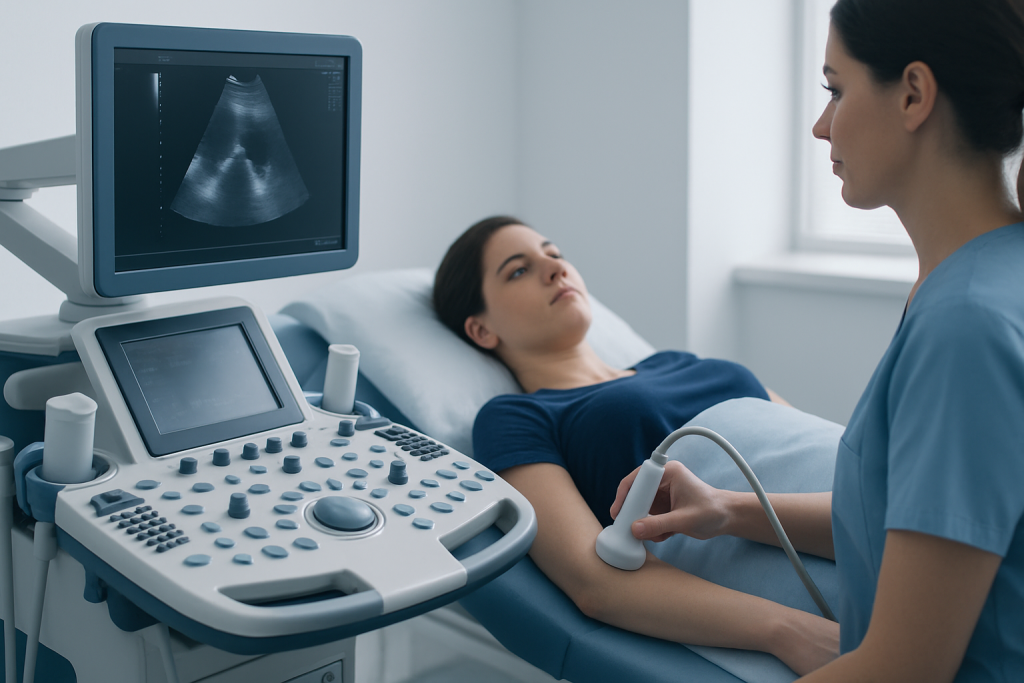
Basic testing often includes a pregnancy test, prolactin level, and thyroid function tests. Depending on the story, additional blood work may be ordered to check kidney function or other hormone markers. If the prolactin level is elevated or there are neurological symptoms, imaging of the pituitary gland with MRI may be recommended.
Breast examination is also important. If the discharge is bloody, clear, unilateral, persistent, or associated with a lump, the doctor may investigate the breast directly with imaging and, when needed, specialist evaluation. The goal is not to assume one explanation too quickly, but to sort endocrine causes from breast conditions in a methodical way.
Treatment Options
Treatment depends entirely on the cause. If a medicine is responsible, the prescribing doctor may consider a safer alternative or adjust the regimen when appropriate. If hypothyroidism is present, treating the thyroid disorder can resolve the discharge. If a pituitary prolactinoma is found, medicine that lowers prolactin is often effective, and surgery is reserved for selected cases.
When galactorrhea is linked to normal hormone testing and no concerning breast findings, reassurance and observation may be enough. In these situations, reducing nipple stimulation and avoiding repeated checking can help the symptom settle. For people seeking care abroad, this can be especially reassuring because many causes are manageable without procedures, and follow-up plans can often be coordinated with local doctors after return home.
More advanced treatment is used when the underlying condition is serious or persistent. The exact approach may include endocrinology consultation, repeat hormone testing, or imaging follow-up. A multidisciplinary team is especially useful when the symptom overlaps with reproductive health, endocrine disease, or breast evaluation.
Prevention & Self-care
There is no single way to prevent galactorrhea, because it often reflects an underlying hormone or medication issue. Still, some practical steps can reduce the chance of worsening symptoms or help a person notice a problem earlier. Gentle self-care also matters, since worry and repeated checking can make the breast more sensitive.
People are usually advised not to squeeze or repeatedly test the nipples, because stimulation can trigger or prolong discharge. Keeping an updated medication list, including over-the-counter products and herbal supplements, helps clinicians spot possible triggers more easily. If a person has hypothyroidism, diabetes, or another chronic condition, staying consistent with treatment supports better hormone balance overall.
- Avoid frequent nipple checking or stimulation
- Keep track of menstrual changes and other new symptoms
- Bring a full medication and supplement list to appointments
- Follow up on thyroid or other endocrine conditions as advised
- Seek clarification if a discharge changes in color, amount, or pattern
For those traveling for diagnosis or treatment, organizing prior records, pathology reports, and imaging before departure can save time and improve the precision of care. After treatment, a clear written follow-up plan helps coordinate monitoring once the patient is back home.
When to See a Doctor
Medical evaluation is recommended when nipple discharge is not clearly related to breastfeeding, especially if it persists, happens on its own, or is accompanied by menstrual changes. Even when the discharge looks milky, it is best to confirm the cause rather than assume it is harmless.
Prompt review is especially important if the discharge is one-sided, bloody, clear, associated with a breast lump, or linked to headache, blurred vision, or missed periods. These features do not automatically mean something dangerous is present, but they do signal the need for a more complete assessment.
Anyone who is pregnant, recently postpartum, or taking medicine that may affect prolactin should still mention the symptom to a clinician. Acibadem Health Point’s multidisciplinary specialists and JCI-accredited hospitals diagnose and treat galactorrhea for international patients with a coordinated, patient-centered approach.
Living With the Condition
For many people, galactorrhea improves once the cause is treated or the trigger is removed. Some people need only monitoring, while others benefit from endocrinology follow-up over time. The experience is usually less about the discharge itself and more about understanding what the body is signaling.
It can help to treat the symptom as a medical clue rather than a personal failure or hygiene problem. Clear communication with the doctor, especially about menstrual history, fertility goals, medication use, and any neurological symptoms, often shortens the path to an answer. That is particularly useful for international patients who may only have a short window for testing and decision-making during travel.
Practical Questions to Prepare for Care
Before an appointment, it helps to note when the discharge started, whether it is spontaneous or only expressed, and whether it comes from one or both breasts. Writing down recent medication changes, missed periods, headaches, or vision changes can make the visit more efficient and reduce the chance of missing an important detail.
If the person is traveling for evaluation, bringing prior hormone results, breast imaging, and any pituitary or thyroid reports can be especially valuable. A concise record lets the specialist compare old and new findings and decide whether more tests are necessary.
Most importantly, galactorrhea should be approached with calm attention. In many cases it is manageable, and even when an underlying condition is found, treatment can often be tailored to the person’s needs and circumstances.
Frequently asked questions
01Is galactorrhea the same as breastfeeding-related milk production?
No. Galactorrhea refers to milky nipple discharge that occurs outside normal breastfeeding, or long after lactation should have ended. It usually points to a hormone, medication, or breast-related cause that deserves evaluation.
02Does galactorrhea always mean a pituitary tumor?
No. Pituitary tumors are one possible cause, but they are not the only one. Medications, thyroid problems, pregnancy, and nipple stimulation are all common reasons that must be considered first.
03Can stress cause galactorrhea?
Stress alone is not usually the only cause, but it may contribute to hormone changes in some people. A doctor will still look for more direct causes, especially if the discharge persists.
04What tests are usually done?
Doctors commonly start with a pregnancy test, prolactin level, and thyroid tests. Depending on the findings, they may also order pituitary MRI or breast imaging.
05Is treatment always necessary?
Not always. If the cause is benign or temporary and no concerning findings are present, observation may be enough. If a medicine, thyroid disorder, or pituitary condition is responsible, treatment is usually directed at that cause.
06Should the person keep checking the discharge at home?
Repeated squeezing or testing is usually discouraged because it can stimulate more discharge. It is better to note the pattern and let a clinician evaluate it in a structured way.
This article is for general information only and is not a substitute for professional medical advice. Please consult a qualified doctor about your individual situation.
IVF & fertility treatment in Turkey — success rates and costs
JCI-accredited · board-certified surgeons · reply within 24h
Add us as a Preferred Source to see more of our trusted health content across Google Search, AI Overviews and Discover.