

Full mouth reconstruction Recovery: Week-by-Week Timeline

Full mouth reconstruction recovery is usually a planned process rather than one single healing period. Initial swelling and dietary changes often improve within the first one to two weeks, while bone healing, implant integration, and final restoration placement may take several months depending on the individual treatment plan.
Overview: What Full Mouth Reconstruction Recovery Involves
Full mouth reconstruction recovery varies because full mouth reconstruction is tailored to the person’s dental health, bite, gums, jawbone, and treatment goals. It may involve rebuilding or replacing many teeth through a combination of fillings, crowns, bridges, gum treatment, root canal treatment, tooth extraction, dental implants, or removable prostheses. Recovery therefore happens in stages, rather than following one identical schedule for every patient.
After straightforward restorative work, such as crowns or fillings, most people return to usual routines quickly. When treatment includes extractions, bone grafting, gum surgery, or implants, the early recovery phase may take days to weeks and deeper healing may continue for months. The treating dentist or oral surgeon provides the most reliable timeline because they know which procedures were performed and how the mouth is healing.
This article focuses on recovery planning and aftercare. For an overview of the procedure, treatment planning, and available restorative approaches, see full mouth reconstruction.
How Treatment Is Planned and Who May Be a Candidate
Full mouth reconstruction begins with a detailed assessment. The dental team examines the teeth, gums, bite, jaw joints, and facial support, and may use dental X-rays, digital scans, photographs, and models. This information helps identify problems such as extensive tooth decay, tooth wear, missing teeth, gum disease, infection, bite imbalance, or jawbone loss.
People may be considered for reconstruction when multiple teeth are damaged, missing, severely worn, unstable, or difficult to restore individually. It may also be appropriate for people whose chewing comfort, speech, bite function, or confidence has been affected by widespread dental problems. Being a candidate does not mean every treatment is needed; the plan should be individualized and may be completed in phases.
Overall health also matters. Conditions such as uncontrolled diabetes, active gum disease, smoking or nicotine use, certain medications, and reduced bone volume can affect healing and may need attention before surgery. A dentist may coordinate care with a physician when medical conditions or medicines could influence treatment safety.
Step by Step: What Happens During Reconstruction
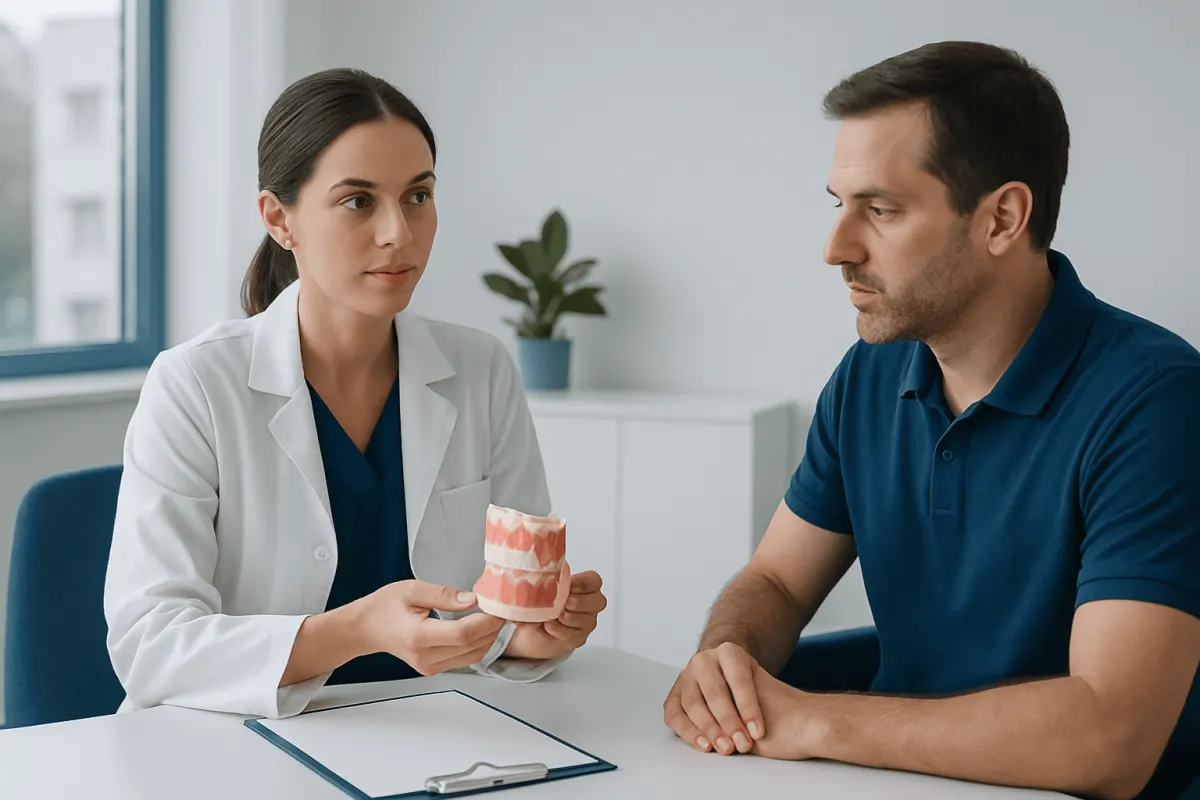
The process commonly starts by stabilizing oral health. This can include treating gum inflammation, removing infection, completing root canal treatment, or extracting teeth that cannot be saved. Temporary restorations may be used to protect prepared teeth and preserve appearance and chewing ability while the next stages are planned.
If missing teeth are being replaced with implants, the oral surgeon places small titanium posts in the jawbone. Some people need bone grafting before or at the same time as implant placement. The implants are then allowed to heal and join with the surrounding bone, a process called osseointegration. The duration depends on the location of the implant, bone quality, grafting needs, and overall health.
Once the foundation is stable, the dentist designs the final restorations. These may include crowns, bridges, implant-supported teeth, or dentures. Several fitting and bite-adjustment appointments may be needed. Final restorations are intended to support comfortable chewing, clear speech, and a balanced bite, but regular maintenance remains important.
In some cases, reconstructive dentistry overlaps with the management of gum disease, which should be controlled before permanent restorations are placed. Addressing gum health helps protect both natural teeth and implant-supported restorations over time.
Recovery Timeline: The First Days Through the Following Months
First 24 to 72 hours: After extractions, implant surgery, grafting, or gum procedures, mild to moderate discomfort, swelling, bruising, and minor oozing can occur. Symptoms are usually most noticeable during the first few days. The dental team may recommend cold compresses, rest, prescribed or over-the-counter pain relief when suitable, and a soft, cool or lukewarm diet. It is important to follow instructions about rinsing, brushing, and protecting the surgical area.
Days 4 to 7: Swelling commonly begins to settle, though tenderness may continue. Many people can manage light daily activities. Soft foods such as yogurt, eggs, soups that are not hot, mashed vegetables, and other non-chewy foods may be appropriate, depending on the procedure. Hard, sticky, crunchy, spicy, or very hot foods may irritate healing tissues or place pressure on temporary restorations.
Weeks 2 to 4: The gums often feel more comfortable, and stitches, if used, may dissolve or be removed. People may gradually expand their diet if their clinician confirms that healing is progressing well. Temporary crowns, bridges, or dentures can require small adjustments as swelling changes. It is important not to test the teeth with hard foods before the dentist says it is safe.
Months 2 to 6 and beyond: Bone and soft tissues continue to mature. When implants are part of the plan, this period may be used for osseointegration before final teeth are fitted. Some people receive temporary fixed or removable teeth during this stage. Final restorations are placed only when the dentist judges that the gums, bite, and implant or tooth support are stable enough.
Returning to Work, Exercise, and Everyday Activities
Return to work depends on the extent of treatment and the physical demands of the job. After crowns, fillings, or other non-surgical visits, many people return to work the same day or the following day. After multiple extractions, implant placement, grafting, or more extensive surgery, a few days of rest may be helpful. People whose work involves heavy lifting, prolonged talking, public-facing roles, or strenuous physical activity may prefer additional recovery time.
Light walking is often reasonable when the person feels well, but strenuous exercise, heavy lifting, and activities that raise blood pressure may increase bleeding or swelling shortly after oral surgery. The dental team commonly gives specific guidance on when to restart exercise, often after the first few days and gradually as discomfort and swelling improve. Contact sports should be avoided until the mouth is sufficiently healed and any temporary restoration is secure.
Alcohol and tobacco or nicotine products can interfere with wound healing and increase complications, especially after implant surgery or grafting. Avoiding them for the period advised by the treating clinician is an important part of recovery. Adequate sleep, hydration, balanced nutrition, and taking time for follow-up appointments can also support healing.
Benefits, Limits, and Possible Risks
A well-planned reconstruction may improve chewing efficiency, comfort, tooth appearance, speech, and bite stability. Replacing or protecting compromised teeth can also help distribute biting forces more evenly. The result depends on careful planning, the health of the gums and supporting bone, the materials used, oral hygiene, and regular dental reviews.
As with any dental treatment, there are possible risks. These can include temporary pain, swelling, bleeding, sensitivity, bite changes, damage or loosening of a temporary restoration, infection, delayed healing, or the need for further adjustment. Implant-based treatment also carries a risk that an implant may not integrate with bone or may later develop inflammation around the implant.
Final restorations are durable but not indestructible. Crowns, bridges, dentures, and implant-supported teeth can chip, wear, loosen, or require maintenance. People who clench or grind their teeth may be advised to use a protective night guard. Regular professional care and home cleaning remain necessary after reconstruction.
Aftercare and When to Seek Medical Care
Aftercare should follow the individual instructions provided by the dental team. Common recommendations include taking medicines exactly as advised, using any prescribed mouth rinse correctly, keeping the rest of the mouth clean, eating suitable soft foods, and attending review appointments. Brushing is usually resumed carefully, with special attention to avoiding trauma at surgical sites until the clinician advises otherwise.
Patients should contact their dentist or oral surgeon if pain becomes more severe rather than improving, swelling worsens after the first few days, bleeding does not stop with the recommended measures, or a temporary tooth, crown, bridge, or denture breaks or becomes loose. A bad taste, pus, fever, difficulty swallowing, difficulty breathing, or facial swelling that is rapidly increasing needs urgent assessment. Severe breathing difficulty or rapidly spreading swelling requires emergency medical care.
At Acıbadem Health Point, multidisciplinary dental and oral health specialists in JCI-accredited hospitals assess and treat patients requiring complex dental reconstruction, including international patients. Follow-up planning is an important part of supporting a safe and comfortable recovery.
Frequently asked questions
01How long does full mouth reconstruction recovery take?
The initial recovery after dental surgery may take several days to a few weeks, while the complete treatment process can take months. Timelines are longer when implants, bone grafting, gum surgery, or multiple staged restorations are needed. The treating dentist can explain the expected schedule for the individual plan.
02When can someone return to work after full mouth reconstruction?
Many people return to desk-based work within one to several days after minor treatment. More extensive surgery may require a longer break, particularly if there is swelling, discomfort, or a job involving physical exertion or frequent speaking. A dentist or oral surgeon should give personalized advice before the procedure.
03When can exercise be restarted after dental implant surgery?
Light activity may be possible when the person feels comfortable, but vigorous exercise and heavy lifting are commonly avoided during the first few days after surgery. This helps reduce the chance of bleeding and increased swelling. The safe timing depends on the procedure and should be confirmed with the dental team.
04What foods are suitable during recovery?
Soft foods that require little chewing are often recommended at first, particularly after extraction, implant placement, or gum surgery. The person may gradually return to firmer foods as healing progresses and the dentist advises. Hard, crunchy, sticky, or very hot foods may need to be avoided temporarily.
05Is swelling normal after full mouth reconstruction?
Some swelling and tenderness can be expected after procedures involving surgery, and these symptoms often peak within the first few days before improving. The amount of swelling depends on the extent of treatment. Worsening swelling, fever, pus, or severe pain should be reported promptly.
06How should temporary teeth be cared for during recovery?
Temporary crowns, bridges, or dentures should be cleaned as instructed and protected from hard or sticky foods. They may feel different from final restorations and occasionally need adjustment as gums heal. A loose, broken, or uncomfortable temporary restoration should be assessed by the dental team rather than repaired at home.
This article is for general information only and is not a substitute for professional medical advice. Please consult a qualified doctor about your individual situation.
Joint and spine care in Turkey — expert assessment & treatment
JCI-accredited · board-certified surgeons · reply within 24h
Add us as a Preferred Source to see more of our trusted health content across Google Search, AI Overviews and Discover.


