Frostbite Care: Safe Rewarming and When to Seek Help
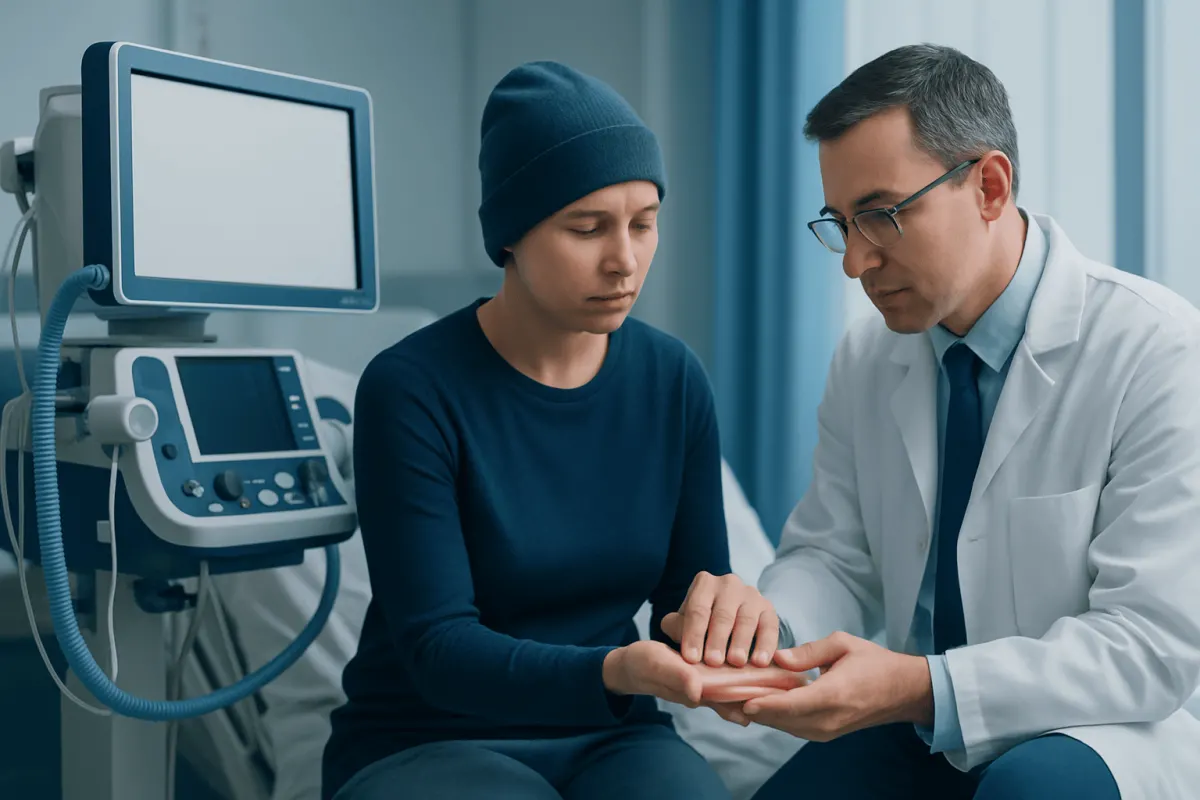
Your fingers have gone numb and waxy after hours in the cold — what should you do first? Get out of the cold. Stop the area from freezing again. Then, when it is safe, rewarm it gently.
Have suspected frostbite checked by a doctor. The depth of the injury is often not obvious at first, and early care can help protect tissue and circulation.
Frostbite Treatment: How It Works
Frostbite treatment aims to stop further freezing, restore warmth gradually, relieve pain, protect injured skin and preserve blood flow to the affected area. Frostbite happens when skin and underlying tissues freeze during cold exposure. Ice crystals, narrowing blood vessels and inflammation can all injure cells, so careful treatment is designed to limit additional tissue damage while the body recovers.
The first priority is shelter from wind and cold, removal of wet clothing, and warming the person’s core with dry layers, warm drinks if they are fully awake, and appropriate medical support. If there is any chance that the area could freeze again, it should not be thawed in the field. Refreezing after thawing can cause more severe injury than remaining frozen until reliable warmth is available.
Once there is no longer any chance of refreezing, clinicians may start warm-water rewarming, give pain relief, apply protective dressings and check circulation. Deeper frostbite may need hospital-based care, imaging or specialist treatments intended to improve circulation in selected cases. Treatment is individualized according to the body area involved, the depth of injury, overall health and how long the tissue was exposed to freezing temperatures.
Recognizing Frostbite and Who Needs Prompt Assessment
Frostbite can develop after exposure to freezing temperatures, but wind and wet clothing can increase heat loss even when the temperature is not extremely low. Early signs may include cold, tingling, burning or numb skin. The area may look pale, red, grayish-yellow or unusually firm. Fingers, toes, ears, the nose and cheeks are common sites because they are more exposed and have less protection from the body’s core warmth.
People at higher risk include those who work or exercise outdoors, have inadequate clothing, become wet, are unable to move or seek shelter, or use alcohol or drugs that impair judgment. Conditions that affect circulation or sensation, including diabetes, peripheral artery disease and some nerve disorders, may also increase risk. Infants, older adults and people experiencing homelessness may be especially vulnerable during cold weather.
Frostbite is sometimes confused with frostnip, a milder cold injury that causes numbness and color changes but does not freeze tissue. Frostnip usually improves fully with gentle warming. Any persistent numbness, severe pain, blisters, hard skin or color change after warming should be treated as possible frostbite and assessed by a qualified clinician.
- Seek urgent help for skin that is waxy, hard, blistered, blue-gray, dark purple or black.
- Assessment is particularly important for frostbite affecting the hands, feet, face, genitals or a large body area.
- People with signs of hypothermia, such as confusion, slurred speech, marked drowsiness or shivering that stops, need emergency care.
What Happens During Frostbite Treatment?
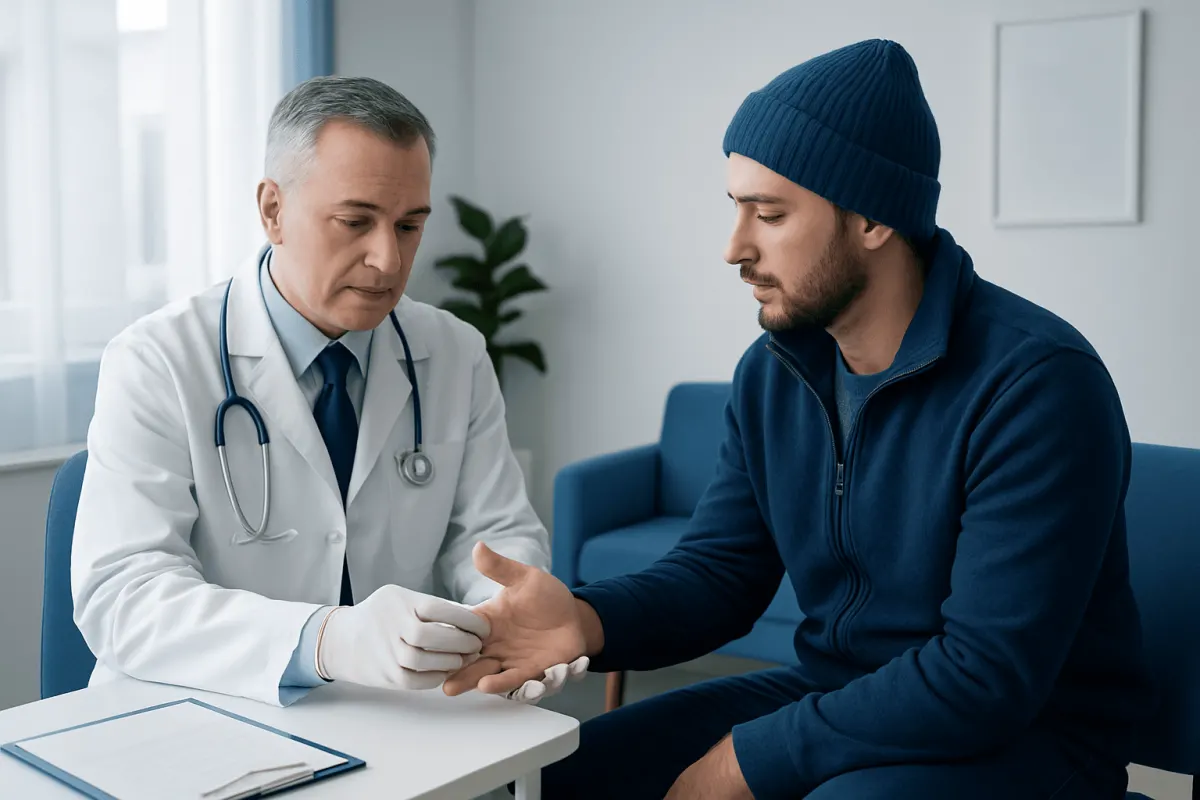
At a clinic or hospital, the medical team first checks for more urgent cold-related illness, particularly hypothermia, dehydration, injury and problems with breathing or circulation. The affected area is examined for color, sensation, movement, warmth and blood flow. It may be difficult to tell immediately how deep the damage is, so clinicians often reassess the tissue over time rather than making early assumptions about the final outcome.
If appropriate, the frozen area is rewarmed in circulating warm water. This can be painful, and pain relief may be offered. The skin is then gently dried, elevated when possible, loosely protected with sterile dressings and kept from pressure or friction. Fingers and toes may be separated with soft dressings to reduce rubbing. Tetanus vaccination status may also be reviewed.
Blisters and wounds are managed carefully to lower the risk of infection and support healing. For severe frostbite, a specialist may use tests that evaluate blood flow or tissue viability. In selected early cases of deep frostbite, treatments that address blocked circulation may be considered in a hospital setting. Surgery is not usually decided immediately because the boundary between healthy and nonviable tissue can take time to become clear.
You may be seen by several teams: emergency physicians, plastic and reconstructive surgeons, vascular specialists, wound-care clinicians, rehabilitation professionals and pain specialists. At Acıbadem Health Point, our multidisciplinary specialists and JCI-accredited hospitals assess and treat cold injuries for international patients when advanced evaluation or coordinated follow-up is needed.
Benefits, Limitations and Possible Risks
The potential benefit of timely frostbite treatment is reduced pain, improved tissue survival, better wound healing and preservation of function. Early safe rewarming, avoidance of repeat freezing and specialist assessment can make a meaningful difference, particularly when treatment begins soon after the injury. However, no treatment can fully reverse every freezing injury, especially when frostbite is deep or exposure has been prolonged.
Even after appropriate care, the affected part can swell, blister, peel and remain sensitive for some time. Some people experience numbness, tingling, cold sensitivity, stiffness, altered sweating or discomfort in cold weather after the skin appears healed. These effects may improve gradually, but they can persist after more severe injury.
Possible complications include infection, delayed wound healing, scarring, nerve symptoms, reduced movement and tissue loss in severe cases. Antibiotics are not automatically required for every case; they may be used when there is a concern for infection or a related injury. Surgical removal of damaged tissue is reserved for selected severe injuries and is usually planned only after careful observation and specialist review.
How Long Does Frostbite Recovery Take?
Frostbite recovery depends mainly on how deeply the tissue froze, how quickly it was rewarmed, whether it refroze, and the person’s circulation and general health. Mild, superficial injuries may settle over several days to a few weeks. Redness, swelling, peeling and temporary sensitivity can occur as the skin heals.
Deeper injuries often take weeks to months to declare their full extent and heal. Blisters, persistent swelling, numbness and stiffness may require ongoing wound care, dressings, rehabilitation or follow-up with a specialist. The medical team may monitor healing closely before recommending any procedure because tissue that looks severely affected soon after injury may recover more than expected.
Return to outdoor work, sport or cold environments should be gradual and guided by comfort, skin healing and medical advice. People who have had frostbite may be more vulnerable to cold sensitivity in the same area later, so protecting the skin carefully during future exposure is important.
What Should Not Be Done to Treat Frostbite?
Frostbite should not be rubbed, massaged or scrubbed with snow, cloth or hands. Frozen tissue is fragile, and friction can cause additional mechanical injury. Try not to walk on frostbitten feet or toes unless there is no safer alternative — pressure can worsen damage to tissue that has lost normal sensation.
Direct dry heat should be avoided. Heating pads, radiators, fires, ovens and hot water bottles can burn numb skin without the person realizing it. Do not use very hot water for rewarming. Controlled warm-water rewarming is preferred when refreezing is no longer possible and medical advice is accessible.
Blisters should not be popped at home, and the affected area should not be tightly wrapped. Alcohol and smoking should be avoided because they can impair judgment or reduce blood flow. A person with suspected frostbite should not delay medical evaluation simply because the skin becomes painful or changes color during rewarming; those changes can be part of the injury and need proper assessment.
What Does Stage 1 Frostbite Look Like?
The term “stage 1 frostbite” is often used informally to describe early or superficial frostbite. Skin may first appear pale or red and feel intensely cold, tingling, burning or numb. It can become firm to the touch, but the deeper tissues are generally not frozen to the same extent as in severe frostbite.
After gentle rewarming, the area may become red, swollen and painful. Clear fluid-filled blisters can develop within hours to a day in some superficial injuries. These signs should not be used alone to judge severity, because frostbite can evolve after rewarming and different grading systems are used in clinical care.
Any suspected frostbite deserves careful observation. Medical assessment is advised if numbness does not resolve, blisters form, skin remains unusually pale or discolored, movement is difficult, or the injury involves the face, hands or feet. Early evaluation is particularly useful for ruling out deeper injury and receiving safe wound-care guidance.
Is Frostbite Damage Permanent?
Frostbite damage is not always permanent. Superficial frostbite often heals without lasting skin loss, although temporary numbness, color changes or cold sensitivity may continue for a period. The likelihood of full recovery is generally better when the injury is mild, rewarming is prompt and the area does not refreeze.
Deep frostbite can cause lasting damage to skin, blood vessels, nerves, muscles or bone. Some people have long-term sensitivity to cold, pain, numbness, stiffness or changes in nail growth and sweating. In the most severe cases, tissue may not survive and surgical treatment may be needed after specialists determine the full extent of injury.
Keep your follow-up appointments even when the skin looks like it is getting better. Wound-care guidance, hand or foot rehabilitation, pain management and protection from cold exposure can support the best possible functional recovery. New redness, spreading warmth, drainage, fever or worsening pain should be assessed promptly because these may indicate infection or another complication.
When to Seek Medical Care
Emergency medical care is needed when frostbite is accompanied by confusion, fainting, extreme sleepiness, slow breathing, loss of coordination or other signs of hypothermia. Immediate evaluation is also appropriate when the affected skin is hard, numb, blistered, blue-gray, dark, blackened or does not regain normal feeling and color after safe rewarming.
Children, older adults, people with diabetes or circulation problems, and anyone with frostbite on the face, hands, feet or genitals should seek medical advice promptly. Call a clinician if you notice signs of infection — increasing redness, pus, fever or worsening swelling — or pain you cannot control.
Until help is available, move indoors, remove wet clothing, protect the area from pressure and keep the person warm. If the body part will not refreeze, gentle warm-water rewarming may be appropriate; otherwise, keep it protected and seek urgent care. A qualified doctor can provide individualized advice based on the injury and the person’s health needs.
Frequently asked questions
01How is frostbite treated at home?
Initial care includes getting out of the cold, removing wet clothing, protecting the affected area and warming the person’s body. If the area cannot refreeze, it may be gently rewarmed in warm water; avoid rubbing, direct dry heat and popping blisters. Suspected frostbite should be assessed by a healthcare professional, especially if numbness, blisters or skin discoloration are present.
02How long does frostbite recovery take?
Mild frostbite may recover over several days to a few weeks, though the skin can remain sensitive while it heals. Deep frostbite may require weeks or months of wound care and follow-up, and some nerve or cold-sensitivity symptoms can last longer. Recovery is influenced by the depth of freezing injury and the quality and timing of treatment.
03What should not be done to treat frostbite?
Do not rub the area, massage it, apply snow or use direct heat from a fire, radiator or heating pad. Do not pop blisters or walk on frostbitten feet unless necessary for safety. The area should not be thawed if it may freeze again before reliable shelter and warmth are available.
04What does stage 1 frostbite look like?
Early or superficial frostbite may cause pale, red or grayish skin that feels cold, tingling, burning or numb. After rewarming, it can become red, swollen and painful, and clear blisters may develop. Because the appearance can change over time, medical assessment is helpful when frostbite is suspected.
05Is frostbite damage permanent?
Superficial frostbite often heals without permanent tissue loss, although temporary numbness or cold sensitivity is common. Deep frostbite can cause lasting nerve, skin, circulation or movement problems and, in severe cases, tissue loss. Prompt care and follow-up can support healing and help manage complications.
06When should a person go to the emergency department for frostbite?
Emergency care is appropriate for hard or numb skin, blisters, blue-gray or black discoloration, severe pain, large affected areas, or frostbite involving the hands, feet, face or genitals. A person should also seek emergency help for possible hypothermia, including confusion, drowsiness, poor coordination or slowed breathing. People with diabetes or circulation disorders should have a low threshold for prompt evaluation.
This article is for general information only and is not a substitute for professional medical advice. Please consult a qualified doctor about your individual situation.
Explore treatments in Turkey — costs, top hospitals & a free quote
JCI-accredited · board-certified surgeons · reply within 24h
Add us as a Preferred Source to see more of our trusted health content across Google Search, AI Overviews and Discover.