Stem Cell Therapy for Hair: Procedure, Benefits, Risks and Recovery

Key Takeaways
- Stem cell therapy for hair is still an evolving treatment, and results can vary widely from person to person.
- It may be considered for selected cases of hair thinning, especially when standard treatments are not enough or are not suitable.
- The procedure is usually performed in a clinic setting, but the exact technique can differ between providers.
- Risks include temporary swelling, soreness, infection, scarring, and the possibility of little or no improvement.
- A clear diagnosis of the cause of hair loss is essential before choosing any regenerative treatment.
Stem cell therapy for hair is an emerging regenerative approach that may help certain people with thinning hair or pattern hair loss, but it is not a guaranteed cure. A qualified specialist can explain whether the method is appropriate, what results are realistic, and how it compares with other hair-loss treatments.
Overview
Stem cell therapy for hair is a regenerative treatment approach that aims to support hair growth by using the body’s own repair mechanisms. In practical terms, it is discussed most often for people with thinning hair or pattern hair loss who want options beyond shampoos, supplements, or routine medication alone.
The idea is straightforward, but the science and the techniques are still developing. Some clinics use stem cells or stem-cell-derived methods taken from a patient’s own tissue, while others offer related regenerative procedures such as micrografting or cell-based scalp injections. Because methods vary, a careful consultation is important before anyone decides whether the treatment is appropriate.
For international patients, the decision is often not only medical but also practical: they may want to know how many visits are needed, how follow-up will work after travel, and whether the clinic can coordinate diagnosis, treatment, and recovery planning in one pathway. Those questions matter because hair loss is usually a long-term condition, and the best outcome depends on getting the diagnosis right first.
How Stem Cell Therapy for Hair Is Used
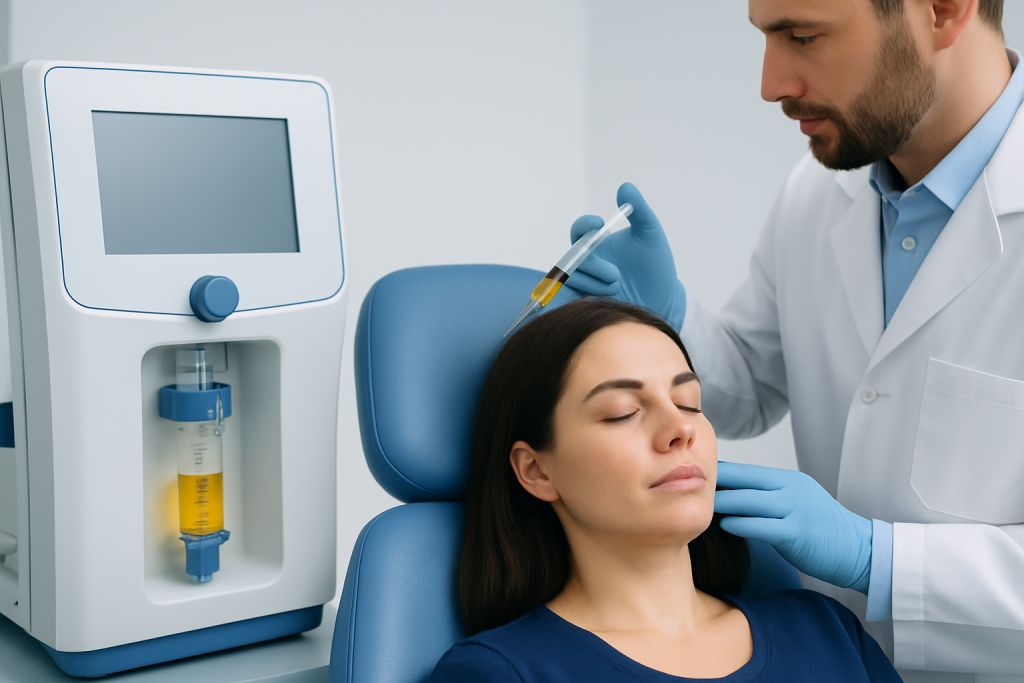
Stem cell therapy for hair is not a single procedure with one universal protocol. In some settings, a clinician may collect a small sample of tissue or fat, process it, and apply the regenerative material to the scalp. In other settings, the treatment may involve cell-based injections designed to support the follicles and the surrounding scalp environment.
The goal is to encourage inactive or weakened follicles to function better, rather than to create entirely new hair follicles. That distinction is important. People considering the treatment should understand that it is generally intended to improve density or slow further thinning, not to deliver an instant, dramatic transformation.
Because the field is still evolving, reputable specialists usually explain exactly what method they use, what evidence supports it, and how it fits with other treatments such as minoxidil, anti-androgen therapy, platelet-rich plasma, or hair transplantation. A transparent explanation is a good sign that expectations are being set responsibly.
Who May Be a Candidate

Candidacy depends on the cause and stage of hair loss. People with early or moderate pattern hair loss may be more likely to discuss regenerative options, especially if some follicles are still active. Those with long-standing baldness, scarring alopecia, or hair loss caused by uncontrolled medical problems may need a different plan.
A specialist typically looks at the scalp, hair pattern, family history, medications, hormones when relevant, and any signs of inflammation or scarring. They may also ask about recent stress, illness, childbirth, rapid weight loss, nutritional issues, or autoimmune conditions, because these can contribute to shedding and change the treatment strategy.
- Common situations that may be reviewed include androgenetic alopecia, diffuse thinning, and mixed-pattern hair loss.
- Conditions that may need caution include active scalp disease, infection, or scarring hair loss.
- People expecting a full restoration of density may need a frank discussion about realistic goals.
Symptoms and Causes of Hair Loss
Hair loss is not a single disease, and that is one reason diagnostic evaluation matters so much. Some people notice a widening part, gradual recession at the temples, or a thinner ponytail. Others experience sudden shedding after illness, surgery, emotional stress, or a change in hormones or medication.
Common causes include hereditary pattern hair loss, telogen effluvium, autoimmune conditions such as alopecia areata, scalp inflammation, poor nutritional intake, thyroid disorders, and certain medicines. The treatment approach changes depending on the cause, so a therapy that may be reasonable for one type of thinning may be ineffective for another.
Stem cell therapy for hair is usually discussed as an option when follicles are still present but underperforming. If hair follicles have been permanently destroyed, regeneration is more limited and other medical or surgical strategies may be more appropriate.
Diagnosis Before Treatment
A thorough diagnosis is the starting point for safe care. A clinician may examine the scalp, review medical history, and use tools such as trichoscopy or dermoscopy to look more closely at hair shafts, follicle openings, and scalp inflammation. In some cases, blood tests are ordered to check for thyroid problems, iron deficiency, vitamin issues, or other contributors to shedding.
When the hair loss pattern is unclear, a biopsy may occasionally be considered. This is especially relevant if scarring alopecia is suspected, because that condition needs prompt and specific treatment. Regenerative procedures are best discussed only after the underlying cause has been identified as clearly as possible.
For patients traveling from another country, it is helpful when the clinic can organize evaluation and treatment in a structured sequence. That approach reduces unnecessary visits and makes it easier to plan recovery, medication use, and follow-up once the patient returns home.
Procedure, Treatment Options and What to Expect
Although protocols differ, most stem cell-based hair treatments begin with consultation, scalp assessment, and treatment planning. Depending on the technique, the clinician may collect a small tissue sample, prepare a cell-rich solution, and place it into targeted areas of the scalp. Some approaches are combined with local anesthesia to improve comfort.
The appointment is usually outpatient, meaning the patient goes home the same day. After the procedure, the scalp may feel tender or look mildly red for a short time. Some clinics combine regenerative therapy with other measures such as prescription hair-loss medicines, microneedling, or supportive scalp care, especially when the aim is to slow ongoing thinning as well as to stimulate growth.
It is helpful to ask what the treatment is intended to do in that specific clinic: improve density, reduce shedding, support hair quality, or complement another plan. Because stem cell therapy for hair is not standardized, the exact experience can vary, and informed consent should include a discussion of alternatives and the level of evidence for each option.
Benefits, Risks and Recovery
Possible benefits may include improved hair thickness, better hair quality, or reduced shedding in some people. However, outcomes are variable, and improvement may be subtle rather than dramatic. For many patients, the most realistic benefit is slowing the pace of loss and gaining modest visible improvement over time.
Risks are usually related to any injection-based or tissue-based procedure. These can include temporary pain, swelling, bruising, redness, infection, numbness, scarring, and uneven results. There is also the simple but important possibility that the procedure will not produce meaningful change.
Recovery is often short, but the scalp still needs sensible care. Patients are commonly advised to keep the area clean, avoid scratching, and follow the clinic’s guidance on washing, styling, exercise, and sun exposure. Any unusual fever, increasing redness, drainage, or severe pain should be reported promptly.
- Short-term recovery is often measured in days, but visible hair changes may take much longer.
- Hair grows slowly, so results are not immediate.
- Follow-up visits may be needed to track progress and refine the long-term plan.
Prevention and Self-Care
No treatment can prevent every type of hair loss, but supportive habits can reduce avoidable shedding and help preserve existing hair. A balanced diet, appropriate treatment of medical conditions, careful hair styling, and regular scalp checks all matter. When shedding is due to a correctable cause such as iron deficiency or thyroid imbalance, treating that problem can make a meaningful difference.
People considering stem cell therapy for hair should avoid products or clinics that promise certainty. A cautious approach is usually healthier: confirm the diagnosis, understand the technique, and ask how success will be measured. Photos taken under consistent lighting can be useful for tracking real progress over months rather than days.
For those recovering after a clinic visit, self-care also means staying in touch with the treating team, especially if the patient is managing care from abroad. Clear written instructions and a realistic timeline make aftercare easier and reduce unnecessary anxiety.
When to See a Doctor
Medical review is appropriate if hair loss is sudden, rapidly worsening, patchy, or accompanied by scalp pain, scaling, itching, or redness. It is also important to seek assessment if hair loss follows a new medication, illness, hormonal change, or major stressor, because the cause may be treatable.
Anyone considering stem cell therapy for hair should first speak with a dermatologist, hair-restoration specialist, or another qualified physician experienced in diagnosing hair disorders. A good consultation should explain whether the treatment is suitable, what level of improvement is realistic, and whether other therapies are better supported by evidence.
Acibadem Health Point’s multidisciplinary specialists and JCI-accredited hospitals diagnose and treat hair-loss conditions for international patients, with care plans that can be coordinated across consultation, procedure, and follow-up. The emphasis should always remain on safe, individualized treatment rather than a one-size-fits-all promise.
Frequently asked questions
01Does stem cell therapy for hair really work?
It may help some people, but results are not guaranteed and the evidence is still evolving. The treatment is generally considered for selected cases, especially when follicles are still active and the cause of hair loss has been properly diagnosed. A specialist can explain whether the expected benefit is meaningful in a specific case.
02How long does it take to see results?
Hair changes are usually gradual, not immediate. Some people may notice reduced shedding first, while visible thickening can take months. Because hair grows slowly, follow-up over time is needed to judge whether the treatment is helping.
03Is the procedure painful?
Most people describe it as uncomfortable rather than severe, and local anesthesia may be used depending on the technique. Mild soreness, redness, or swelling can happen afterward. These effects are usually temporary, but the clinic should be contacted if symptoms worsen.
04Who should not consider stem cell therapy for hair?
People with active scalp infection, untreated scalp inflammation, certain scarring hair-loss conditions, or uncontrolled medical problems may need another approach first. It is also not a substitute for diagnosing the real cause of shedding. A medical evaluation helps determine whether the treatment is suitable or unlikely to help.
05Can stem cell therapy replace hair transplantation?
Not usually. Stem cell-based treatments are generally aimed at supporting existing follicles, while hair transplantation moves follicles to new areas. In some patients, the two approaches may be discussed together, but they serve different purposes.
06What should international patients ask before traveling for treatment?
They should ask which technique will be used, how many visits are needed, what follow-up is expected after returning home, and which results are realistic. It is also wise to confirm who will review the diagnosis and whether pre-treatment tests are needed. Clear planning makes recovery and monitoring easier across borders.
This article is for general information only and is not a substitute for professional medical advice. Please consult a qualified doctor about your individual situation.
Hair transplant in Turkey — costs, graft counts & a free assessment
JCI-accredited · board-certified surgeons · reply within 24h
Add us as a Preferred Source to see more of our trusted health content across Google Search, AI Overviews and Discover.