Forgot Dulcolax Before a Colonoscopy? Next Steps
If a person forgot to take Dulcolax before a colonoscopy, they should call the endoscopy unit or prescribing clinician as soon as possible rather than taking an extra dose without advice. The team can assess the timing, the rest of the bowel-preparation plan, and whether the examination can still go ahead safely and effectively.
What to Do If Dulcolax Was Missed
Dulcolax is a brand name for bisacodyl, a stimulant laxative that is included in some colonoscopy bowel-preparation plans. If a person forgot to take Dulcolax before colonoscopy, the most important step is to contact the endoscopy center, gastroenterology clinic, or on-call number provided in the preparation instructions. The team can advise whether to take the missed medicine, modify the remaining preparation, or postpone the examination.
It is best not to guess, double a dose, or add other laxatives without instructions. The correct approach depends on when the dose was missed, the time of the colonoscopy, which bowel-cleansing solution has been prescribed, current bowel movements, medical history, and whether the person has diabetes, kidney disease, heart failure, swallowing difficulties, or a history of bowel obstruction.
A successful colonoscopy depends on the bowel being sufficiently clean. Incomplete preparation can hide small polyps or inflamed areas, lengthen the procedure, or mean that the test needs to be repeated sooner. Calling early gives the clinical team the greatest opportunity to make a practical plan.
Why Bowel Preparation Matters
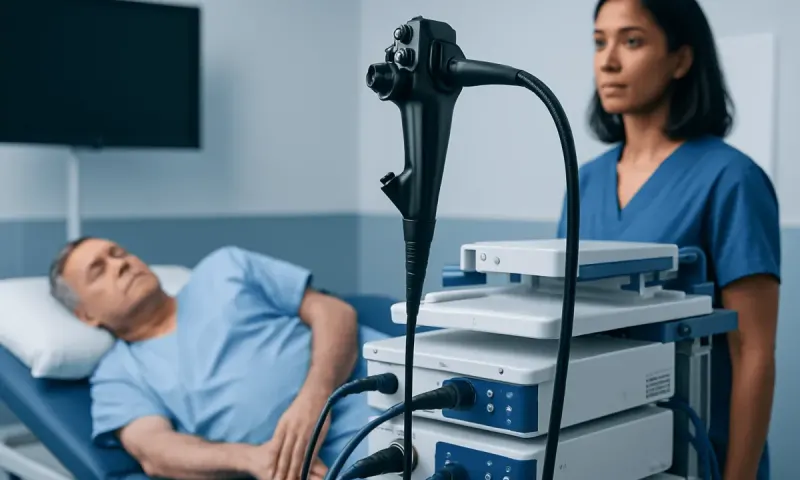
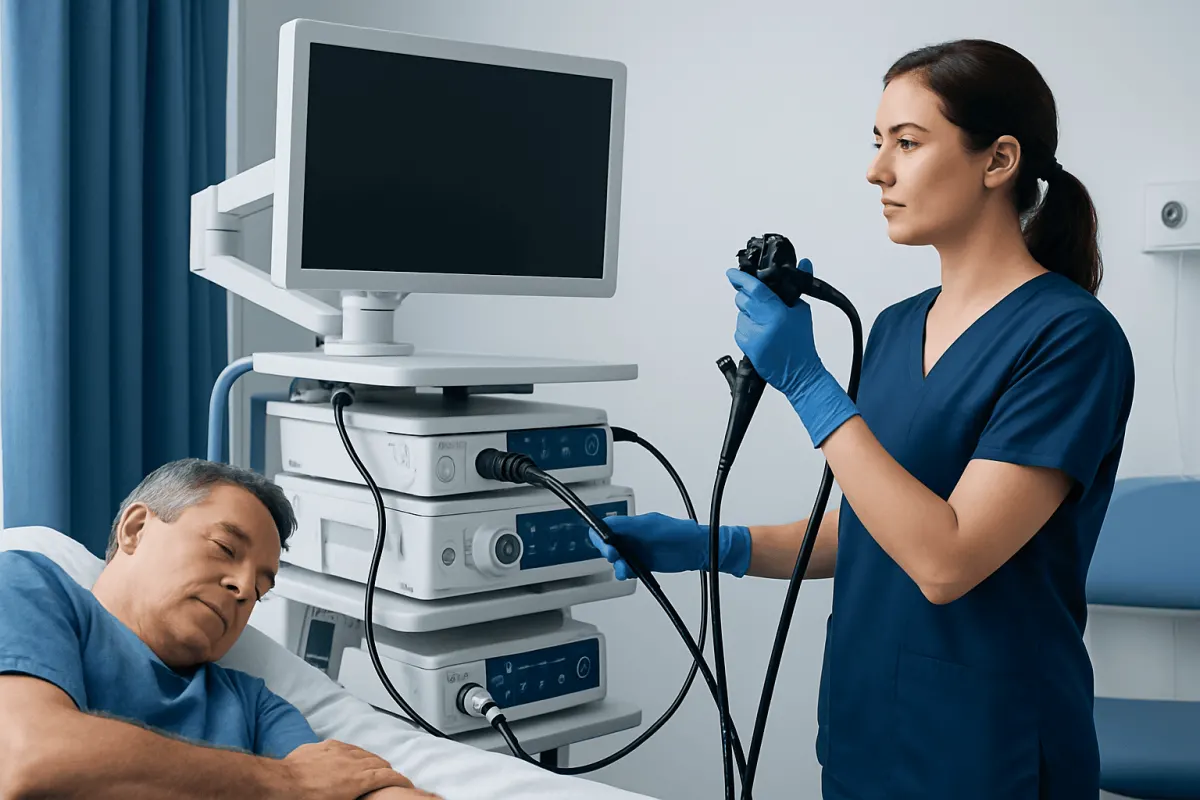
Colonoscopy examines the lining of the rectum and large intestine using a thin flexible tube with a camera. Stool and cloudy liquid can block the view, particularly in folds of the colon where small polyps may develop. Bowel preparation clears the intestine so the clinician can inspect the lining carefully.
Preparation commonly includes dietary changes, a clear-liquid diet for a specified period, a prescribed liquid bowel-cleansing medicine, and sometimes bisacodyl tablets. These elements work together, and schedules vary. Some people take preparation in split doses, with part taken the evening before and part taken on the day of the examination because this can improve cleansing quality.
Colonoscopy may be recommended for screening, investigation of rectal bleeding or ongoing bowel changes, follow-up after polyps, or monitoring certain bowel conditions. It can identify findings such as colon polyps, which may often be removed during the same procedure. A clear bowel supports accurate results and appropriate follow-up planning.
Who May Need a Colonoscopy and How Candidacy Is Assessed
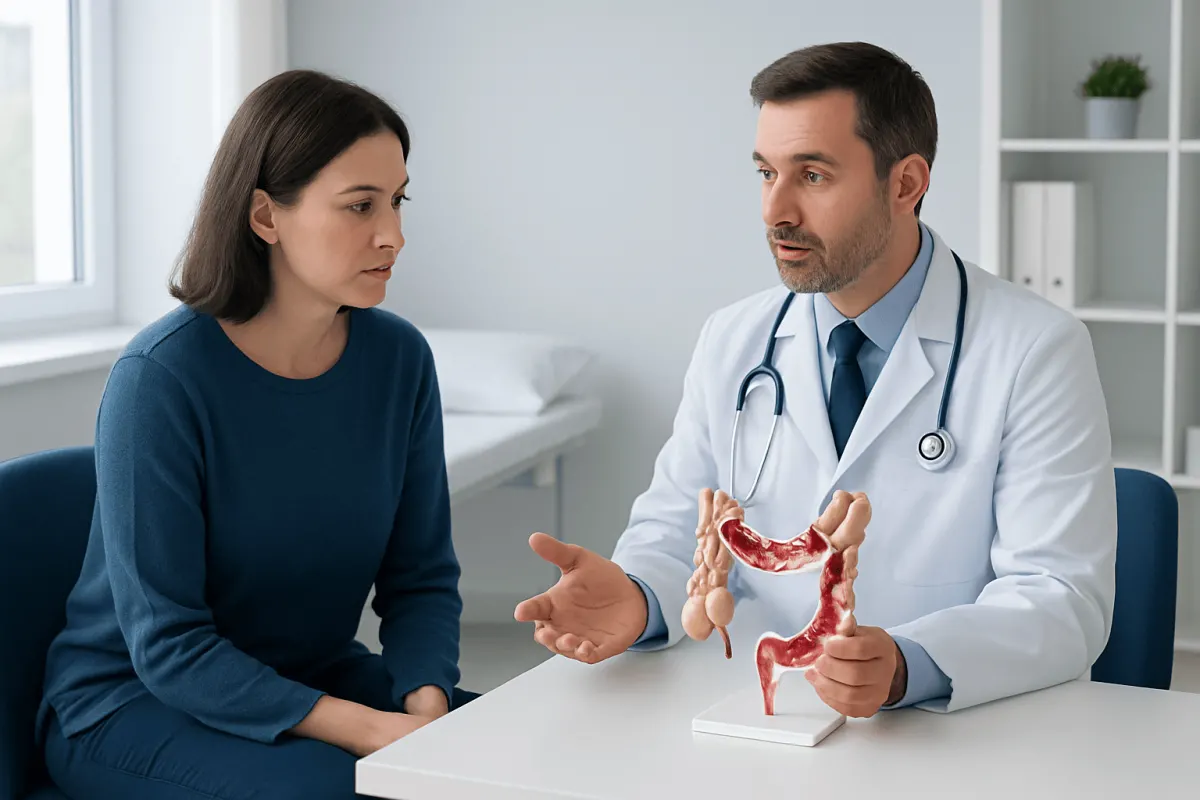
A clinician may recommend colonoscopy based on age-appropriate screening guidance, personal or family history, positive stool-based screening tests, anemia, unexplained weight loss, persistent diarrhea or constipation, blood in the stool, or abdominal symptoms that need further assessment. The test is also used to monitor people with prior polyps or Ulcerative Colitis, and Flares" class="ahp-ilk">inflammatory bowel disease.
Before scheduling the procedure, the care team reviews medications, allergies, previous reactions to sedation, medical conditions, and any prior bowel surgery. Blood-thinning medicines, diabetes treatments, iron supplements, and some medicines that affect digestion may require individualized instructions. People should not stop prescribed medicines unless the clinician managing the colonoscopy or the relevant prescribing clinician advises this.
People with severe constipation, reduced kidney function, significant heart disease, liver disease, pregnancy, or a previous inadequate bowel preparation may need a tailored regimen. The same is true for people who cannot safely manage a large volume of liquid or whose mobility and support needs affect preparation. These considerations help the team choose the safest and most effective plan.
Colonoscopy: What Happens Step by Step
Before the appointment, the person follows the clinic’s diet and bowel-cleansing directions exactly as closely as possible. On arrival, staff confirm medical history, medicines, fasting status, consent, and arrangements for going home. An intravenous line may be placed for fluids and sedation, and vital signs are checked.
During the procedure, the person usually lies on their side. Sedation is commonly offered, although the type of sedation varies by location, health status, and individual preference. The doctor gently advances the colonoscope through the rectum and around the colon while using air or carbon dioxide to open the bowel for viewing. The examination itself often takes less than an hour, though timing varies.
If the doctor sees a polyp, they may remove it with specialized instruments and send it for laboratory analysis. Tissue samples may also be taken when needed. These steps are generally not felt as pain, although some people have pressure or cramping. Further information about colonoscopy and its role in diagnosis and treatment can help patients prepare for the appointment.
Afterward, the person remains in a recovery area until the immediate effects of sedation have worn off. The doctor or a member of the clinical team explains initial findings, although biopsy or polyp results can take longer. Written discharge instructions should be followed carefully.
Benefits, Limitations, and Possible Risks
The main benefit of colonoscopy is that it both examines the colon and allows certain problems, especially polyps, to be treated during the same session. Removing polyps can help prevent some colorectal cancers from developing. The procedure can also help clarify the cause of symptoms and guide further care.
However, no test is perfect. An inadequately cleaned bowel may limit visibility, and some lesions can be difficult to detect. If preparation is poor, the clinician may recommend repeating colonoscopy earlier than usual. This is why a missed Dulcolax dose should be discussed with the team rather than ignored.
Colonoscopy is generally safe, but potential complications include temporary bloating or cramping, nausea from preparation, reactions to sedatives, bleeding after polyp removal, and rarely a tear in the bowel wall. Risk can be higher when larger polyps are removed or when a person has certain health conditions. The clinician explains relevant risks and benefits before consent.
Preparation itself can cause fluid loss and electrolyte imbalance in some people. Following approved instructions, drinking permitted clear liquids as directed, and seeking timely advice about a missed dose can reduce avoidable problems. People should tell the team about vomiting, inability to keep fluids down, or significant dizziness during preparation.
Recovery Timeline and Self-Care After Colonoscopy
In the first few hours after colonoscopy, mild bloating, passing gas, and brief cramping are common as air or carbon dioxide leaves the bowel. If sedation was used, drowsiness, slowed reflexes, and reduced judgment can persist for the rest of the day. A responsible adult should take the person home and remain available according to the clinic’s instructions.
On the procedure day, patients are usually advised not to drive, operate machinery, drink alcohol, sign important documents, or make major decisions. They can generally begin with fluids and a light meal, then return to their usual diet if there is no nausea and the care team has not given other directions. Hydration is especially helpful after bowel preparation.
Many people resume ordinary activities the next day. Recovery may take longer after a therapeutic procedure, such as removal of a large polyp, and the doctor may provide temporary restrictions. If biopsies were taken or polyps removed, a small amount of bleeding may occasionally occur, but individualized discharge instructions take priority.
Acıbadem Health Point’s multidisciplinary specialists and JCI-accredited hospitals diagnose and treat digestive conditions for international patients, including evaluation through colonoscopy. Patients should discuss travel timing after sedation or polyp removal directly with their treating team.
When to Seek Medical Care
Before the procedure, the person should contact the endoscopy team promptly if they miss Dulcolax or another part of the preparation, vomit repeatedly, cannot drink the prescribed fluids, develop severe abdominal pain, fainting, marked weakness, or signs of dehydration. They should also seek advice if their bowel movements have not become loose and mostly clear or yellow by the time indicated in their instructions.
After colonoscopy, urgent medical assessment is needed for severe or worsening abdominal pain, a hard or swollen abdomen, persistent vomiting, fever, fainting, trouble breathing, chest pain, or heavy rectal bleeding. Passing a large amount of blood, blood clots, or continuing bleeding after a polyp removal should not be managed at home.
Milder bloating and gas usually improve within hours. If symptoms are concerning, do not wait for a routine follow-up appointment; contact the endoscopy unit, the clinician who performed the procedure, or local urgent medical services. Clear communication about the procedure date, sedation, and whether a polyp was removed helps clinicians provide appropriate advice.
Frequently asked questions
01Can a colonoscopy still be done if Dulcolax was missed?
Sometimes it can, but this depends on when the dose was missed, the rest of the bowel preparation, and how clean the bowel is likely to be. The person should call the endoscopy team as soon as possible for instructions. The team may adjust the plan or recommend rescheduling if adequate cleansing cannot be achieved.
02Should a person take two Dulcolax doses after forgetting one?
No. Taking an extra dose without clinical advice may cause excessive diarrhea, cramping, dehydration, or electrolyte problems. The endoscopy team can give instructions that fit the exact preparation schedule and the person's health needs.
03Why is Dulcolax included in some colonoscopy preparations?
Bisacodyl, sold under the brand name Dulcolax, stimulates bowel movements and may be used alongside a liquid bowel-cleansing solution. Not every preparation plan includes it. Its role and timing are selected by the clinician or endoscopy service.
04What should bowel movements look like before a colonoscopy?
By the final stage of preparation, bowel output is often watery and clear, yellow, or light in color, with little or no solid material. Exact expectations can differ by preparation type. If output remains brown, thick, or contains solid stool, the endoscopy team should be contacted.
05How long does it take to recover from colonoscopy?
Most people feel physically comfortable within several hours, although sedation effects can last through the rest of the day. Driving and important decisions should be avoided until the following day or as directed. Recovery can take longer if a larger polyp was removed or another treatment was performed.
06Can normal medicines be taken during colonoscopy preparation?
Some medicines can be continued, while others may need timing changes or temporary adjustment. This is particularly important for blood thinners, diabetes medicines, iron supplements, and drugs affecting fluid balance. Patients should use the instructions from their endoscopy team and prescribing clinician rather than stopping medicines on their own.
This article is for general information only and is not a substitute for professional medical advice. Please consult a qualified doctor about your individual situation.
Persistent digestive symptoms? Get evaluated in Turkey
JCI-accredited · board-certified surgeons · reply within 24h
Add us as a Preferred Source to see more of our trusted health content across Google Search, AI Overviews and Discover.