Do I Need a Colonoscopy for Screening or Symptoms?
Whether someone needs a colonoscopy depends on their age, symptoms, medical history, family history, and previous screening results. Many adults need screening even when they feel well, while others may need a colonoscopy sooner to investigate symptoms or an abnormal stool test.
Do I Need a Colonoscopy?
A person may need a colonoscopy for routine colorectal cancer screening, to investigate certain digestive symptoms, or after an abnormal screening test. For adults at average risk, screening commonly begins at age 45 even without symptoms; earlier or more frequent colonoscopy may be advised for people with a personal or family history that increases risk.
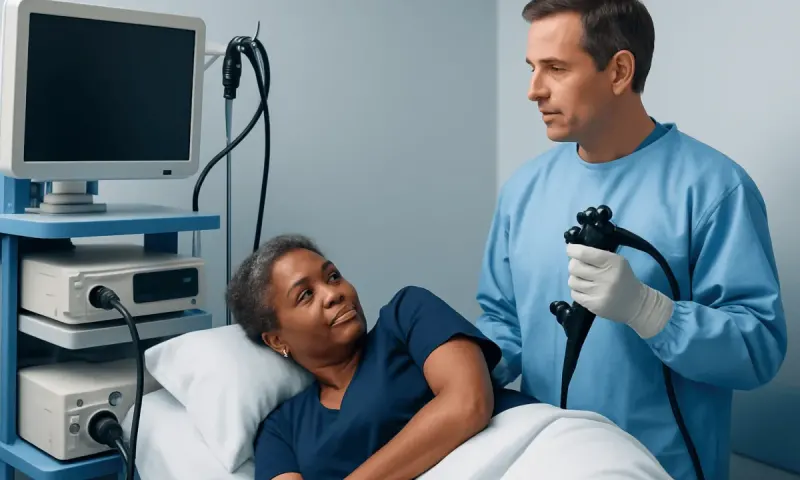
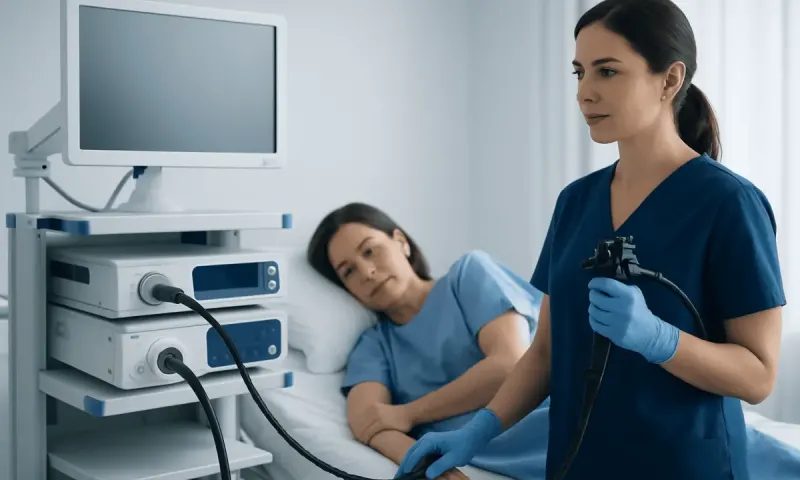
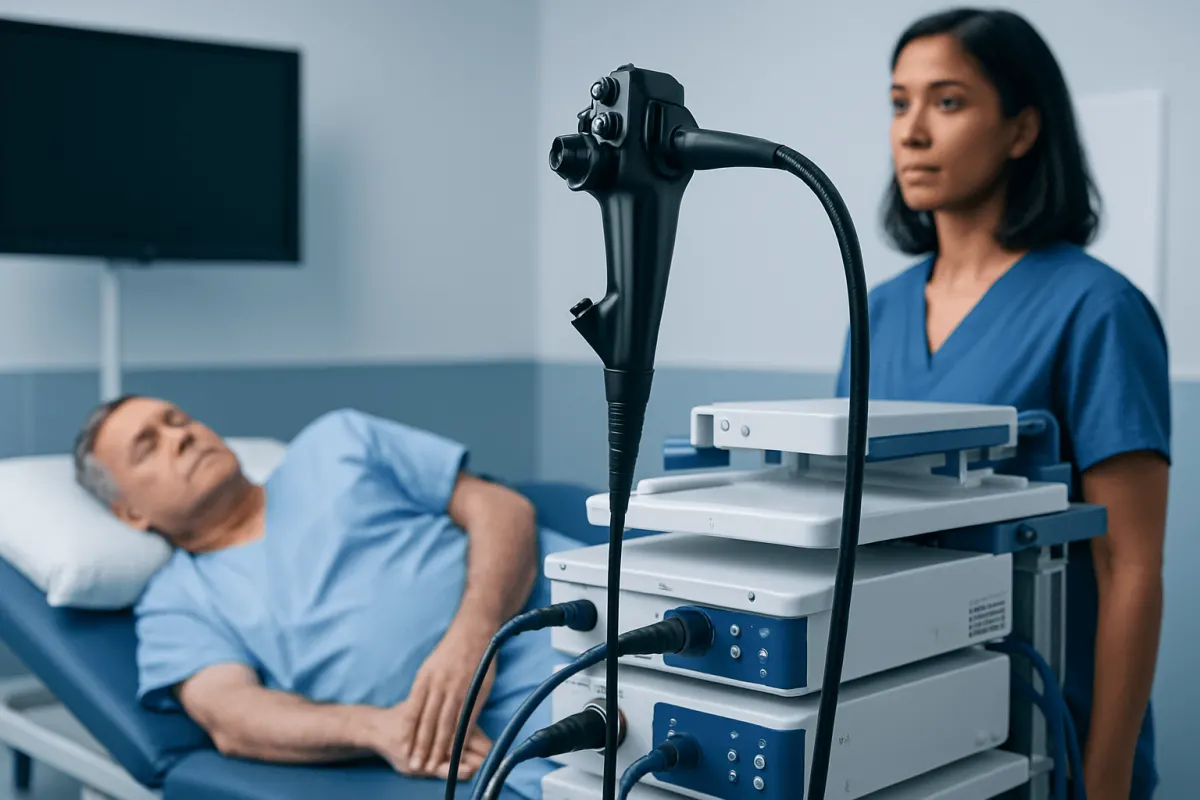
A colonoscopy is a procedure in which a specialist uses a flexible camera to examine the rectum and colon. It can find inflammation, bleeding sources, polyps, and cancer. Importantly, many polyps can be removed during the same procedure, helping prevent colorectal cancer from developing.
The decision is not based on age alone. A clinician considers a person’s symptoms, previous colonoscopy findings, stool-test results, medications, other health conditions, and family history. This article explains when colonoscopy is useful and what options may be available when it is not preferred or suitable.
How Colonoscopy Fits Into Colorectal Cancer Screening
Colorectal cancer often develops from slow-growing polyps over several years. Screening aims to identify cancer early, when treatment is more likely to be effective, and to detect and remove precancerous polyps. A colonoscopy examines the full colon and usually allows tissue sampling or polyp removal at the same visit.
For many people at average risk, colorectal cancer screening should start at 45. If the colonoscopy is normal and there are no added risk factors, the next examination may not be needed for several years. The exact interval depends on the findings, quality of bowel preparation, and individual risk.
People may need screening earlier than 45 if they have a first-degree relative with colorectal cancer or advanced polyps, a personal history of polyps or colorectal cancer, Ulcerative Colitis, and Flares" class="ahp-ilk">inflammatory bowel disease, or certain inherited cancer syndromes. Conditions such as colon cancer and inflammatory bowel disease require individualized follow-up plans.
Someone asking, “Do I need a colonoscopy if I have no symptoms?” may still benefit from screening. Screening is specifically designed for people who feel well, because early polyps and colorectal cancer may cause no noticeable symptoms.
What Are Signs That I Need a Colonoscopy?

Symptoms do not automatically mean that a person has cancer, and many have common, treatable explanations. However, a clinician may recommend colonoscopy when symptoms persist, recur, are unexplained, or occur alongside risk factors. It is especially important not to assume rectal bleeding is harmless without an appropriate assessment.
- Blood in or on the stool, black stools, or unexplained rectal bleeding
- A persistent change in bowel habits, such as new constipation, diarrhea, narrower stools, or a change in frequency
- Unexplained iron-deficiency anemia, tiredness, or low blood counts
- Ongoing abdominal pain, cramping, bloating, or a feeling that the bowel does not empty fully
- Unintentional weight loss, reduced appetite, or unexplained weakness
- A positive stool-based colorectal cancer screening test
People sometimes ask, “Do I need a colonoscopy for hemorrhoids?” Hemorrhoids can cause bright-red blood during bowel movements, itching, or discomfort, but they should not be self-diagnosed as the cause of bleeding. A doctor may assess the area with an examination and decide whether colonoscopy is needed based on age, bleeding pattern, screening history, and other symptoms.
Similarly, “Do I need a colonoscopy for IBS?” depends on the situation. Irritable bowel syndrome typically causes recurrent abdominal pain with bowel-habit changes but does not cause bleeding, anemia, or weight loss. A colonoscopy is not routinely required for typical IBS symptoms in a younger person without alarm features, but it may be advised when symptoms are new, atypical, or accompanied by warning signs.
What Are the 7 Warning Signs of Colon Cancer?
There is no single set of symptoms that confirms colon cancer, and early colorectal cancer may be silent. Still, seven symptoms that should prompt medical evaluation are rectal bleeding; blood in the stool or black stools; a persistent change in bowel habits; ongoing abdominal pain or cramping; unexplained iron-deficiency anemia; unintentional weight loss; and persistent fatigue or weakness without a clear cause.
These symptoms are more often caused by conditions other than cancer, including hemorrhoids, infections, diverticular disease, medication effects, or inflammatory bowel disease. A medical assessment helps identify the cause and determines whether colonoscopy, laboratory tests, imaging, or another investigation is most appropriate.
Risk can be higher with older age, a close relative with colorectal cancer or advanced polyps, a personal history of polyps, inflammatory bowel disease, smoking, heavy alcohol use, obesity, and a diet low in fiber and high in processed meats. Risk factors do not mean cancer will develop, but they can affect when screening should begin.
Age, Family History, and Previous Screening Results
For average-risk adults, many guidelines recommend starting colorectal cancer screening at 45. Therefore, someone asking, “Do I need a colonoscopy at 45?” should discuss screening with a clinician, although colonoscopy is one of several possible screening tests. The best choice is one that is medically appropriate and can be completed reliably.
For those who ask, “Do I need a colonoscopy after 70?” or “Do I need a colonoscopy at age 70?”, screening may still be beneficial if they are in good health and have not been appropriately screened. Previous results matter: a person with prior high-risk polyps may need surveillance colonoscopy on a different schedule from someone whose previous examination was normal.
After age 75, screening becomes more individualized. For people asking, “Do I need a colonoscopy after age 75?” the clinician weighs past screening, current health, functional status, other illnesses, and the potential benefits and burdens of testing. Routine screening is generally not continued after age 85, but diagnostic colonoscopy may still be considered if concerning symptoms arise.
A person asking, “Do I need a colonoscopy after age 80?” should not make the decision solely by age. A conversation with a doctor can clarify whether screening, symptom evaluation, or no further testing is the most reasonable approach.
What Happens If You Don't Want a Colonoscopy?
It is understandable to have concerns about bowel preparation, sedation, privacy, discomfort, time away from normal activities, or possible complications. People should feel able to discuss these concerns openly with a clinician. Understanding the reason for the recommendation can help distinguish between a screening colonoscopy and a procedure needed to investigate symptoms or an abnormal test.
For some average-risk people without symptoms, stool-based tests may be reasonable screening alternatives. These may include a fecal immunochemical test (FIT), which looks for hidden blood in stool, or a stool DNA test combined with a blood test. Other options may include CT colonography in selected circumstances. Each has a different schedule, level of accuracy, preparation requirement, and availability.
A key point is that a positive noninvasive screening test needs follow-up colonoscopy to identify the source and, if needed, remove polyps. Colonoscopy may also be the preferred first test for people with symptoms, higher risk, or a history of polyps because it permits direct examination and treatment during one procedure.
People who decline colonoscopy should ask about an alternative rather than abandoning screening completely. Shared decision-making can help select an evidence-based plan that fits the person’s risk and preferences.
Why Do People Refuse Colonoscopies?
People refuse or postpone colonoscopies for many valid and understandable reasons. Common concerns include fear of pain, anesthesia or sedation, embarrassment, the bowel-cleansing preparation, possible complications, cost or access, work and caregiving responsibilities, and feeling well enough that screening seems unnecessary.
Modern colonoscopy is generally performed with sedation or anesthesia options that are discussed in advance. The procedure itself is usually brief, while bowel preparation is often the most challenging part. Clear instructions, medication review, and arranging transport home after sedation can make the process easier and safer.
Complications are uncommon but can include bleeding, a reaction to sedation, or a tear in the colon. The likelihood varies according to the person’s health and whether a polyp is removed. A specialist can explain the expected benefits and risks in the individual situation and discuss alternatives when appropriate.
For international patients, Acıbadem Health Point’s multidisciplinary specialists and JCI-accredited hospitals can assess digestive symptoms, colorectal cancer risk, and appropriate diagnostic options.
When to Seek Medical Care
Medical advice should be sought promptly for blood in the stool, black or tar-like stools, severe or worsening abdominal pain, new persistent bowel changes, unexplained weight loss, or symptoms of anemia such as unusual tiredness, shortness of breath, or dizziness. Urgent care is appropriate for heavy rectal bleeding, fainting, severe weakness, or severe abdominal pain.
Even mild rectal bleeding deserves medical advice if it recurs, lasts more than a short time, or occurs in someone who is due for colorectal cancer screening. A clinician can determine whether symptoms are likely to be caused by hemorrhoids, another digestive condition, or a problem requiring further tests.
Before colonoscopy, patients should tell their care team about blood-thinning medicines, diabetes medicines, kidney disease, heart or lung conditions, pregnancy, allergies, and prior reactions to sedation. Instructions about diet, bowel preparation, and medication adjustments should be followed carefully to support a safe and effective examination.
Frequently asked questions
01Do I need a colonoscopy if I have no symptoms?
Possibly. Colorectal cancer screening is intended for people without symptoms, since polyps and early cancer often do not cause noticeable changes. Average-risk adults are commonly advised to begin screening at age 45, using colonoscopy or another appropriate screening method.
02Do I need a colonoscopy at 45?
Many average-risk adults should start colorectal cancer screening at 45. Colonoscopy is one option, but stool-based screening tests and other methods may be suitable for some people. A clinician can help choose the right test based on risk factors and preferences.
03Do I need a colonoscopy for hemorrhoids?
Hemorrhoids can cause rectal bleeding, but bleeding should not automatically be attributed to hemorrhoids. A doctor may recommend colonoscopy depending on age, screening history, the amount and pattern of bleeding, and whether there are other symptoms such as anemia or bowel changes.
04Do I need a colonoscopy for IBS?
Typical IBS without alarm features does not always require colonoscopy, particularly in younger people. However, bleeding, weight loss, anemia, symptoms that begin later in life, or a family history of colorectal cancer may make further testing appropriate.
05Do I need a colonoscopy after age 75?
The decision after 75 is individualized. It depends on overall health, prior screening, previous polyp findings, personal risk, and whether symptoms are present. A doctor can help weigh the likely benefits and possible burdens of further screening.
06Can a stool test replace a colonoscopy?
For some average-risk adults without symptoms, a stool test can be a valid screening option. However, it must be repeated at the recommended interval, and a positive result requires a colonoscopy. Colonoscopy is usually preferred when symptoms, high-risk history, or prior abnormal findings are present.
This article is for general information only and is not a substitute for professional medical advice. Please consult a qualified doctor about your individual situation.
Persistent digestive symptoms? Get evaluated in Turkey
JCI-accredited · board-certified surgeons · reply within 24h
Add us as a Preferred Source to see more of our trusted health content across Google Search, AI Overviews and Discover.