Fat-Free Broth Before a Colonoscopy: Is It Allowed?
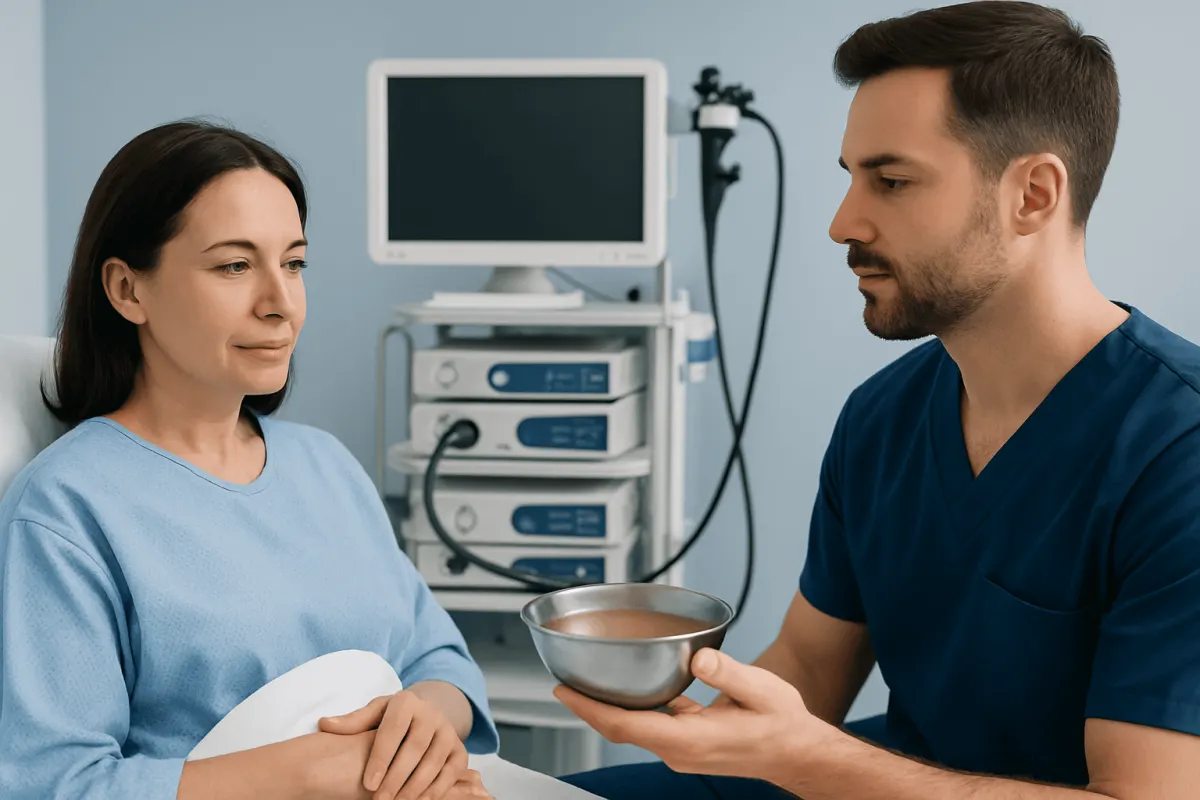
Fat free broth can be a helpful part of the clear-liquid diet before a colonoscopy when it is transparent, well strained and contains no visible fat, noodles, vegetables or other particles. The endoscopy team’s written preparation instructions always take priority, particularly regarding when all liquids must stop before the procedure.
Overview: fat free broth for colonoscopy
Fat free broth for colonoscopy is commonly permitted during the clear-liquid stage of bowel preparation. It can provide warmth, flavor and some sodium while a person is unable to eat solid foods. For the broth to be suitable, it should be transparent and strained, with no visible fat, meat, vegetables, noodles, herbs or sediment.
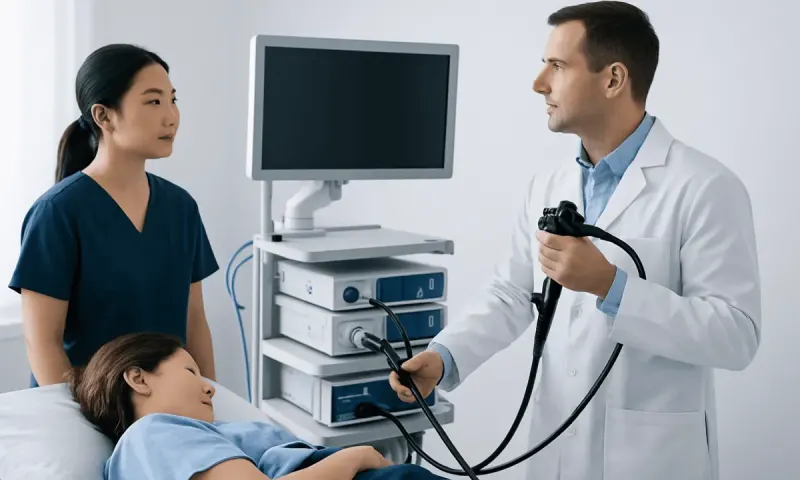
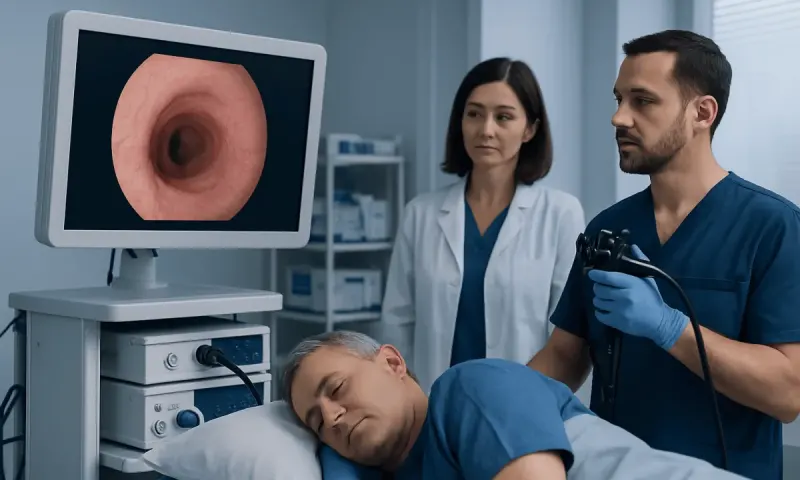
A colonoscopy allows a clinician to examine the lining of the large intestine using a thin flexible camera. Clear views are important because stool, food particles, oily liquid and strongly colored drinks can obscure the lining and may mean that the examination needs to be delayed or repeated. The instructions supplied by the endoscopy unit should be followed even if they differ from general advice online.
Many preparation plans use a clear-liquid diet for the day before the examination alongside a prescribed bowel-cleansing medicine. Some plans begin dietary changes earlier, especially for people with constipation, diabetes, kidney disease, prior inadequate preparation or certain medication needs. The care team can provide an individualized plan.
What makes broth suitable before a colonoscopy?
Suitable broth is clear enough to see through when held in a cup or bowl. Clear chicken, beef or vegetable broth may be appropriate if it has been thoroughly strained and defatted. Commercial bouillon or stock can also be suitable when prepared as a clear liquid and when the label and appearance confirm that it contains no pieces of food or added oils.
Fat can form droplets or a layer on the surface of broth. Refrigerating homemade broth may make this easier to remove, because the fat solidifies on top and can be lifted away before reheating. Even after removing the fat, the broth should be strained through a fine sieve to remove particles.
Cloudy soups, creamy soups, miso soup with solids, bone broth with visible sediment, and soups containing grains, lentils, pasta, meat or vegetables are not clear liquids. It is also sensible to avoid broth colored red or purple, as these colors can resemble blood or stain the bowel lining during the examination.
- Usually suitable: clear, strained, fat-free chicken, beef or vegetable broth.
- Usually unsuitable: cream soups, chunky soups, oily stock, soup with noodles or vegetables, and unstrained broth.
- Always check: the individual clinic’s preparation sheet and fasting cutoff time.
How clear does clear broth need to be for a colonoscopy?
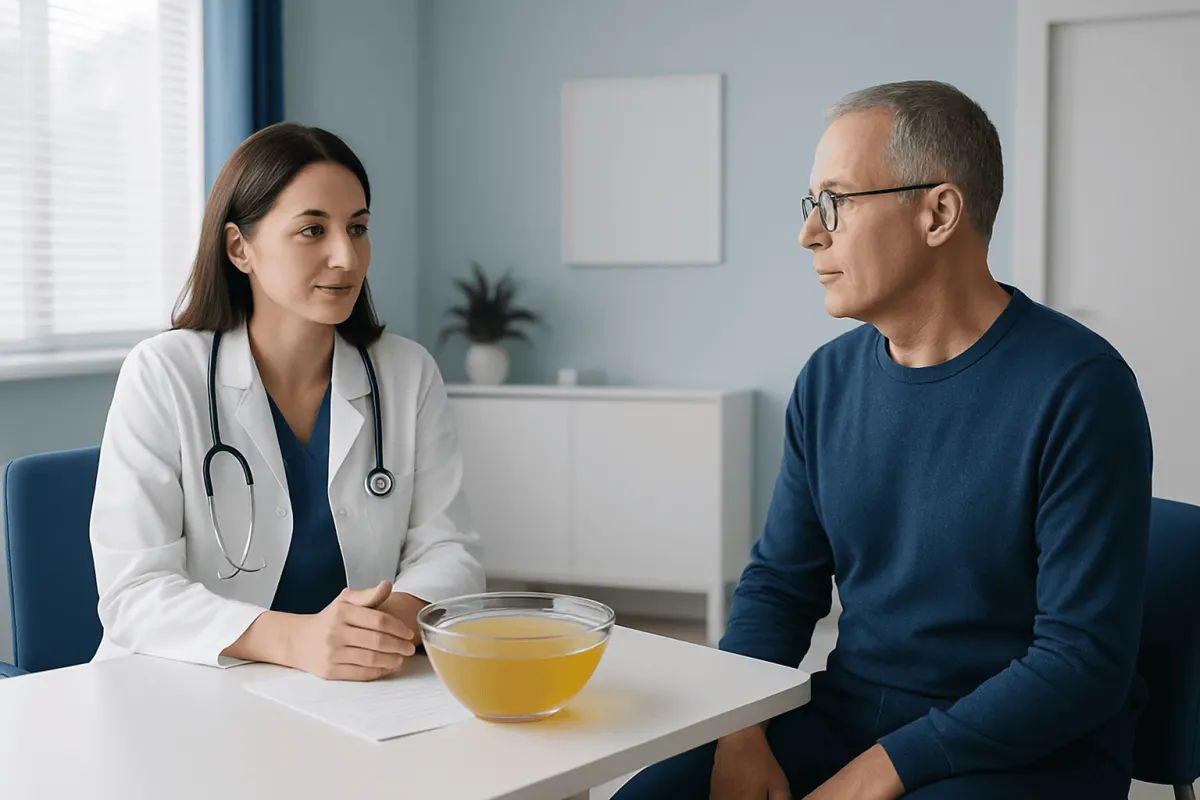
Clear broth should be transparent enough that a person can see through it, without suspended particles, cloudiness or an oily sheen. A practical comparison is clear tea, apple juice without pulp or a clear sports drink: the liquid should not look creamy, opaque or thick.
Small flecks of herbs, meat fibers or vegetable residue can remain in homemade stock even when it initially looks clear. Passing it through a fine strainer can help remove these particles. If the broth remains cloudy after straining or has a visible layer of fat, choosing a different clear liquid is usually the safer option.
Clear-liquid diets are temporary and are designed to support an effective bowel cleanse rather than provide complete nutrition. Clear broth can be one option alongside water, tea or coffee without milk or creamer, clear juice without pulp, gelatin that is not red or purple, and other options specifically permitted by the care team.
Can you still drink broth after starting colonoscopy prep?
In many bowel-preparation schedules, clear broth can still be consumed after the laxative preparation has started, provided it is allowed on the person’s clear-liquid diet and is taken before the clinic’s required fasting time. Broth may make the process more tolerable and can contribute to fluid intake, but it should not be used instead of the prescribed preparation solution.
The exact timing matters. Some people are instructed to stop all liquids several hours before arrival because sedation or anesthesia is planned; others may be permitted to drink certain clear liquids closer to the procedure. The correct cutoff is the one given by the endoscopy team, not a general rule from another clinic.
If a person is unsure whether a particular broth is allowed or whether it can be consumed at a certain time, they should call the endoscopy unit before having it. Eating solid food or drinking non-clear liquids after the stated deadline can increase procedural risk or require the appointment to be rescheduled.
What's the best broth for colonoscopy?
The best broth for colonoscopy is one that is clear, fat-free, thoroughly strained and easy to tolerate. Plain clear chicken, beef or vegetable broth is often practical, provided it has no solid ingredients and no red or purple coloring. A low-fat, lower-sodium option may be preferable for some people, although sodium-containing clear fluids can be useful during bowel preparation for those without a medical reason to restrict sodium.
For homemade broth, allow it to cool, remove the hardened fat layer and strain it carefully before reheating. For packaged products, review the ingredient list and prepare only the clear liquid portion. Products marketed as “bone broth” or “stock” vary widely, so their appearance matters more than the name on the package.
People with heart failure, kidney disease, liver disease, high blood pressure requiring sodium restriction, diabetes or fluid restrictions should ask their clinician which liquids are best. They may need adjustments to the preparation plan or advice about balancing broth, water and electrolyte-containing clear fluids.
Should I shower the morning of a colonoscopy?
Showering the morning of a colonoscopy is generally fine and may help a person feel more comfortable, unless the hospital has provided different instructions. A shower does not affect bowel cleansing. It is usually best to avoid applying lotions, oils, perfume or heavy cosmetics afterward, particularly when sedation, monitoring equipment or an intravenous line is planned.
People should wear loose, comfortable clothing and arrange for an adult escort if sedation will be used. Driving, operating machinery and making important decisions may not be safe for the rest of the day after sedating medicines. The endoscopy team will explain local discharge requirements.
Before leaving home, patients should review their medication instructions. Blood thinners, diabetes medicines, iron supplements and certain weight-management medicines may require individualized guidance. They should not stop or alter prescribed medication unless the clinician managing the procedure has advised it.
Procedure, recovery and results
During a colonoscopy, a clinician passes a flexible camera through the rectum to inspect the colon. Sedation is commonly offered, depending on the setting and the person’s health needs. The procedure itself often takes less than an hour, although appointment time is longer because of preparation, consent and recovery monitoring.
If polyps are found, they can often be removed during the same examination and sent for laboratory analysis. Tissue samples may also be taken when needed. A clean bowel is essential for detecting small polyps and subtle inflammation, which is why following the liquid diet and bowel preparation instructions closely is so important. Colonoscopy may be used to investigate symptoms linked to conditions such as Ulcerative Colitis, and Flares" class="ahp-ilk">inflammatory bowel disease.
Afterward, temporary bloating, gas or mild cramping can occur as air used during the examination leaves the bowel. Most people can return to eating as advised by their clinician, often starting with a light meal. Preliminary findings may be discussed on the day, while biopsy or polyp results can take longer and should be reviewed with the care team.
Acıbadem Health Point’s multidisciplinary specialists and JCI-accredited hospitals diagnose and treat digestive conditions for international patients, including through appropriate endoscopic assessment and follow-up care.
When to seek medical care
A person should contact the endoscopy team before the procedure if they cannot keep the bowel preparation down, are unable to complete it, have persistent vomiting, feel faint, or have questions about fasting and medications. The team may be able to suggest safe adjustments or decide whether the procedure should be postponed.
Urgent medical assessment is appropriate for severe or worsening abdominal pain, a swollen abdomen, chest pain, trouble breathing, fainting, confusion, or signs of a serious allergic reaction. These symptoms are not expected effects of a routine clear-liquid diet and should not be managed at home without professional advice.
After colonoscopy, mild gas discomfort is common, but severe pain, fever, persistent vomiting, significant rectal bleeding, black stools, dizziness or worsening weakness should be reported promptly. The discharge instructions from the procedure unit provide the most relevant contact details and guidance for that individual situation.
Frequently asked questions
01Is fat free broth allowed before a colonoscopy?
Fat free, clear and strained broth is commonly allowed during the clear-liquid phase before a colonoscopy. It should contain no meat, vegetables, noodles, oil, cream or other solid particles. The preparation instructions from the endoscopy unit should always be followed.
02Can I have chicken broth before a colonoscopy?
Clear chicken broth may be suitable if it is fat-free and thoroughly strained. It should be transparent rather than cloudy, with no visible fat droplets or food pieces. Avoid chicken soup that contains noodles, rice, chicken pieces or vegetables.
03Why should red and purple liquids be avoided before colonoscopy?
Red and purple dyes can discolor the bowel lining or resemble blood during the examination. This can make interpretation more difficult. Follow the clinic’s list of permitted colors, as instructions can vary slightly.
04Can broth replace the colonoscopy preparation drink?
No. Broth supports hydration and may provide some salt, but it does not clean the bowel in the same way as the prescribed laxative preparation. The bowel-cleansing solution should be taken exactly as directed unless the clinical team advises otherwise.
05What happens if I accidentally eat solid food before my colonoscopy?
Contact the endoscopy unit as soon as possible and explain what was eaten and when. The team can decide whether the examination can proceed safely and whether preparation instructions need to change. Do not assume that extra laxative or fasting will correct the issue without medical advice.
06When can I stop drinking broth before a colonoscopy?
The stopping time depends on the bowel-preparation and sedation instructions given by the clinic. Many people need to stop all liquids several hours before the procedure, but the exact timing varies. Use the written instructions from the endoscopy team and call them if the timing is unclear.
This article is for general information only and is not a substitute for professional medical advice. Please consult a qualified doctor about your individual situation.
Persistent digestive symptoms? Get evaluated in Turkey
JCI-accredited · board-certified surgeons · reply within 24h
Add us as a Preferred Source to see more of our trusted health content across Google Search, AI Overviews and Discover.