Flank Pain: Causes, Symptoms and Treatment

Key Takeaways
- Flank pain is a symptom, not a diagnosis, and the cause may be urinary, muscular, digestive, or related to another organ.
- Pain with fever, nausea, blood in the urine, or burning during urination deserves prompt medical evaluation.
- Doctors usually assess flank pain with a history, physical examination, urine tests, blood tests, and imaging when needed.
- Treatment depends on the cause and may range from rest and fluids to medication or procedures.
- People traveling for care can still be evaluated effectively with the right records, symptom details, and follow-up plan.
Flank pain is discomfort felt on one or both sides of the body between the ribs and the hip. It may be caused by a kidney problem, a muscle strain, or another condition, so the pattern of pain and associated symptoms help guide next steps.
Overview
Flank pain is the name for discomfort felt along the side of the body, typically between the lower ribs and the hip. It may stay on one side or appear on both, and it can feel dull, sharp, cramping, or constant. Because several organs and structures sit in this area, the symptom can come from the kidneys, urinary tract, muscles, spine, ribs, or even the digestive system.
For many people, the first question is not simply “Where does it hurt?” but “What other symptoms came with it?” That detail matters because flank pain from a kidney stone often behaves differently from pain after lifting a heavy bag, and the next steps are not the same. A careful description of timing, location, and triggers helps a clinician narrow the cause.
For international patients, flank pain sometimes becomes part of a larger care journey: symptoms begin at home, records are gathered, and an assessment is arranged after travel or during a planned medical visit. Clear communication about what has already been tested, what medicine has been taken, and whether there has been fever or urinary symptoms can make the evaluation more efficient and reassuring.
Symptoms
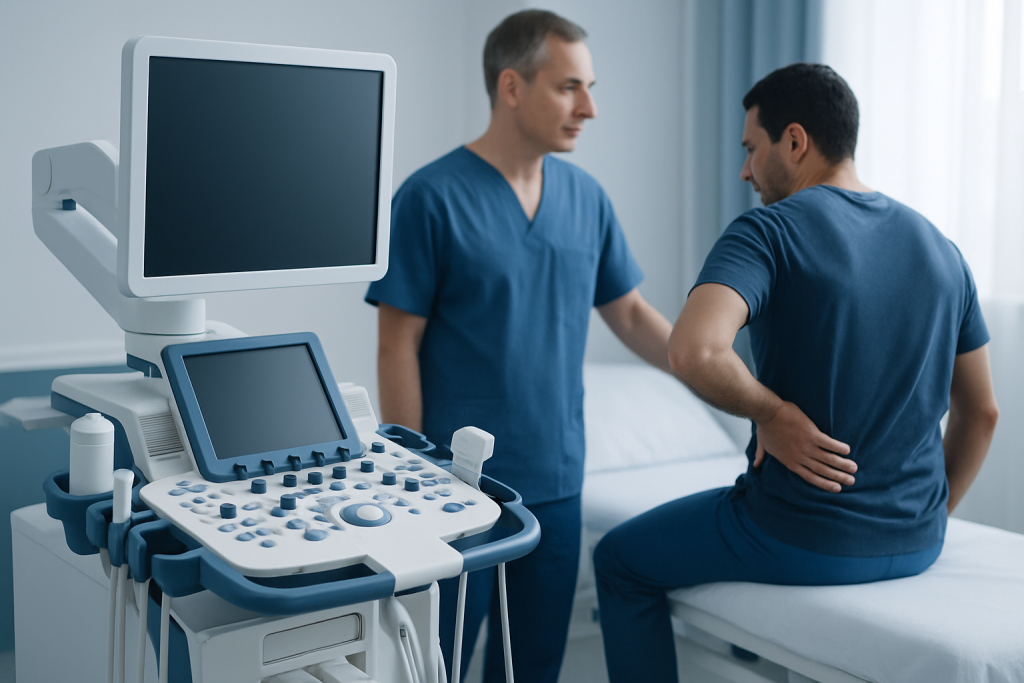
Flank pain can present in different ways depending on the underlying cause. Some people notice a steady ache in the side or back, while others feel waves of pain that come and go. Pain may stay localized, move toward the lower abdomen or groin, or worsen with movement, breathing, or pressure.
When the kidneys or urinary tract are involved, flank pain may appear with burning during urination, frequent urination, cloudy urine, blood in the urine, fever, chills, nausea, or vomiting. Kidney stone pain can be intense and may make it hard to sit still. A kidney infection often feels more like deep, persistent pain and is more likely to be accompanied by fever and general unwellness.
Muscle or rib-related pain often changes with posture, twisting, coughing, or touching the area. Digestive causes may bring bloating, abdominal discomfort, constipation, or changes in bowel habits. Because the experience is so varied, it helps to pay attention to what makes the pain better or worse and whether it is happening with other symptoms.
- Pain on one side or both sides
- Burning or urgency with urination
- Fever, chills, or feeling unwell
- Nausea, vomiting, or abdominal pain
- Pain that changes with movement or pressure
Causes & Risk Factors

Kidney and urinary causes are among the best-known reasons for flank pain. Kidney stones can block the flow of urine and trigger sudden, severe pain. Kidney infections and other urinary tract infections may cause flank discomfort along with fever or urinary symptoms. Less commonly, kidney swelling, cysts, or other kidney conditions may be involved.
Not every flank pain originates from the kidneys. A strained back muscle, irritated spinal joint, rib injury, or posture-related overuse can produce similar discomfort. Digestive conditions such as constipation, gallbladder problems, or inflammation in nearby organs may also create pain that is felt in the side or back.
Risk factors depend on the cause. Dehydration, prior kidney stones, a history of urinary infections, certain diet patterns, and some medical conditions can raise the chance of urinary-related pain. Recent lifting, exercise, long travel, or a new activity may point toward a musculoskeletal source. A doctor will usually look at the full picture rather than focusing on one possible explanation too early.
Diagnosis
Evaluation usually begins with a detailed conversation. A clinician may ask when the pain started, whether it is sharp or dull, whether it moves, and whether there are urinary, digestive, or fever-related symptoms. The medical history often reveals clues that are more useful than the pain location alone.
After the history, a physical examination helps check for tenderness, abdominal findings, back or rib strain, and signs of dehydration or infection. Urine testing is common because it can show blood, infection markers, or other abnormalities. Blood tests may help assess kidney function or inflammation when needed.
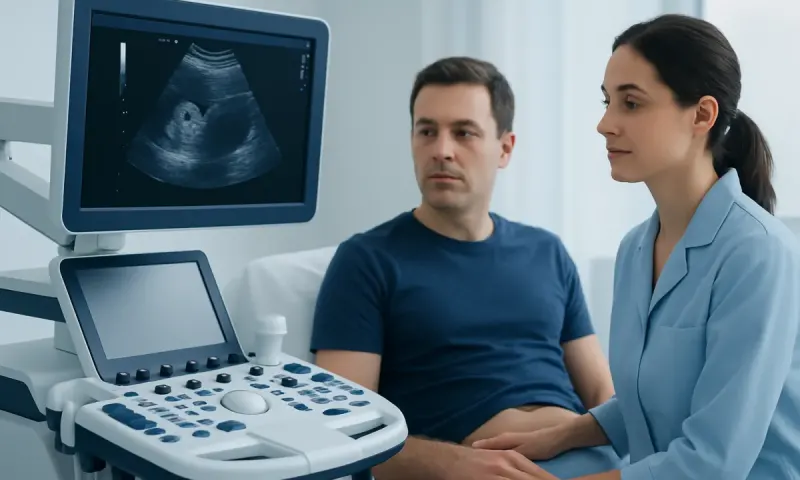
Imaging is sometimes used to look for stones, kidney swelling, or other structural causes. Ultrasound is often helpful in many settings, and a CT scan may be considered when a clearer view is needed. For people coming from another country, bringing previous test results, imaging discs or reports, and a list of medications can shorten the path to an accurate diagnosis.
Treatment Options
Treatment depends entirely on the cause. If a muscle strain is responsible, rest, gentle movement, heat or cold, and temporary activity modification may be recommended. For urinary infection, doctors typically use appropriate medication and follow-up to make sure symptoms are improving. Kidney stones may be managed with pain relief, fluids, observation, or a procedure if the stone is large or causing blockage.
When pain is linked to a more serious kidney problem, the treatment plan may involve closer monitoring, specialist care, or hospital treatment. The goal is not simply to reduce pain, but to address the underlying issue and protect kidney function. Doctors may also advise on hydration, dietary changes, or ways to reduce recurrence depending on the diagnosis.
People should avoid self-diagnosing flank pain as “just back pain” if urinary symptoms, fever, or severe one-sided pain are present. A safe plan is to seek medical assessment before assuming the cause, especially when the pain is new, unusual, or persistent. For international patients, treatment often works best when the evaluation, procedure if needed, and early follow-up are coordinated in advance so recovery can continue smoothly after returning home.
Prevention & Self-care
Not all flank pain can be prevented, but some causes are easier to reduce than others. Good hydration can lower the risk of some kidney stones in people who are prone to them, though fluid needs vary by health status and climate. Prompt treatment of urinary symptoms may also reduce the chance that a simple infection becomes more complicated.
For muscle-related pain, sensible lifting techniques, gradual return to exercise, and attention to posture may help. A short period of rest can be useful, but staying completely immobile for too long is usually not ideal for most strains. Gentle stretching or movement may be recommended once a clinician has ruled out a kidney or other internal cause.
Practical self-care also includes symptom tracking. Note whether the pain is constant or comes in waves, whether it moves, and whether there is fever, nausea, blood in the urine, or burning with urination. Those details can help a doctor decide whether urgent imaging, laboratory tests, or follow-up are needed.
When to See a Doctor
Medical evaluation should not be delayed if flank pain is severe, sudden, persistent, or accompanied by fever, vomiting, blood in the urine, or pain during urination. These features can point to a kidney stone, infection, or another condition that benefits from timely care. Trouble passing urine or feeling faint are also reasons to seek urgent attention.
Flank pain after a fall, a direct blow, or significant strain should also be assessed, especially if the pain is intense or worsening. People with one kidney, known kidney disease, pregnancy, or a weakened immune system should be more cautious and discuss symptoms earlier rather than later. Even when the pain seems manageable, an unexplained new symptom deserves review if it does not improve.
If the person is planning care abroad, it is helpful to arrange a clear pathway for assessment, whether that means an outpatient visit, imaging, or emergency evaluation. Acibadem Health Point offers access to multidisciplinary specialists and JCI-accredited hospitals for international patients who need diagnosis and treatment of flank pain-related conditions, with coordinated care and follow-up planning.
Frequently asked questions
01Is flank pain always related to the kidneys?
No. While kidney and urinary problems are common causes, flank pain can also come from muscles, ribs, the spine, or digestive organs. The pattern of pain and any accompanying symptoms help determine the most likely source.
02What symptoms suggest flank pain may be urgent?
Fever, vomiting, blood in the urine, burning with urination, trouble passing urine, or severe one-sided pain should be checked promptly. These symptoms can signal an infection, a stone, or another condition that should not be ignored.
03Can muscle strain feel like kidney pain?
Yes, muscle strain in the back or side can mimic kidney discomfort. Pain that worsens with movement, twisting, or pressing on the area is often more suggestive of a musculoskeletal cause, but a doctor may still need to rule out kidney-related problems.
04How do doctors usually test for the cause of flank pain?
They often start with a medical history, examination, urine testing, and sometimes blood work. Imaging such as ultrasound or CT may be used when a stone, infection complication, or other internal problem is suspected.
05What can a person do at home while waiting to be seen?
Rest, drink fluids if they are able to do so safely, and avoid heavy lifting until the cause is known. It is important not to rely on home care alone if there is fever, blood in the urine, severe pain, or vomiting.
06Can flank pain go away on its own?
Some mild muscle-related pain may improve with time and gentle care. However, pain that is new, persistent, or associated with urinary or fever symptoms should be evaluated so the cause is not missed.
This article is for general information only and is not a substitute for professional medical advice. Please consult a qualified doctor about your individual situation.
Persistent digestive symptoms? Get evaluated in Turkey
JCI-accredited · board-certified surgeons · reply within 24h
Add us as a Preferred Source to see more of our trusted health content across Google Search, AI Overviews and Discover.