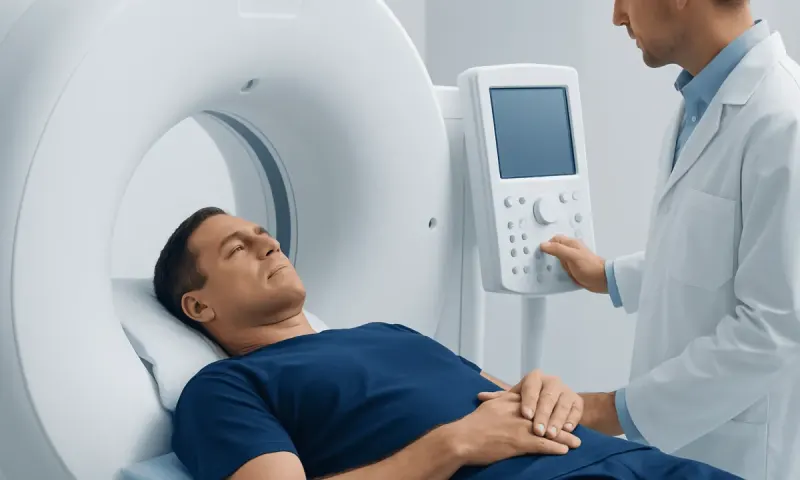
Final Stages of Brain Cancer Metastasis: What to Expect
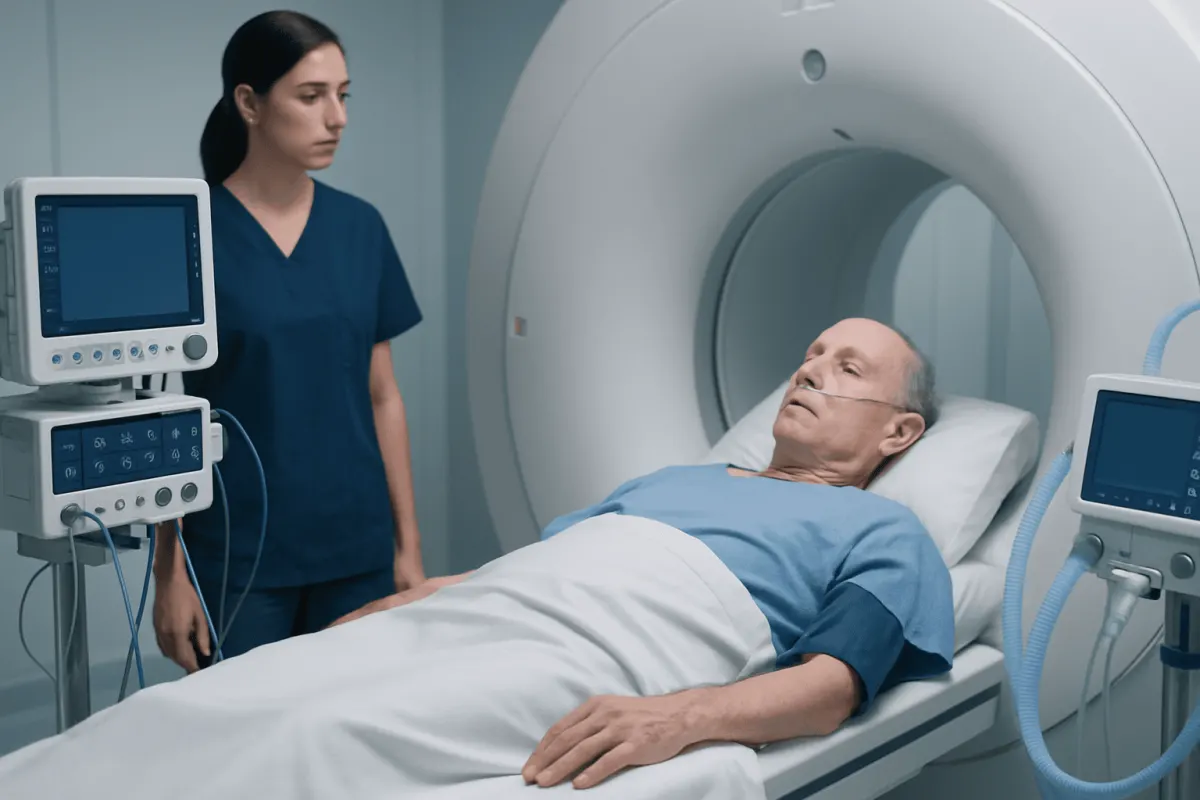
The final stages of brain cancer metastasis vary greatly from person to person. Although brain metastases are serious, treatment can often relieve symptoms, preserve independence for a time, and help patients and families focus on comfort, priorities, and quality of life.
Understanding the final stages of brain cancer metastasis
The final stages of brain cancer metastasis refer to the period when cancer that has spread to the brain is advancing despite treatment, or when treatment is no longer likely to offer meaningful benefit. Brain metastases most commonly develop from cancers that began in the lung, breast, skin melanoma, kidney, or bowel, although other cancers can also spread to the brain.
There is no single timetable for this stage. Some people have a gradual decline over weeks or months, while others have symptoms that change more quickly. A person’s experience is shaped by the type and extent of the original cancer, the number and position of brain metastases, swelling around tumors, general fitness, and whether treatments are still controlling the disease.
Care at this time is individualized. The goals may include treating distressing symptoms, maintaining function where possible, discussing wishes and practical support, and ensuring comfort. Honest conversations with the oncology, neurology, neurosurgery, and palliative care teams can help patients and families make decisions that reflect what matters most to the individual.
Symptoms and changes that can occur
Brain metastases can affect different functions depending on which area of the brain is involved. Symptoms may be caused by tumor growth, pressure within the skull, swelling around a metastasis, bleeding, seizures, or effects of treatment. Symptoms do not always mean that a person is in the final stage, but they should be discussed promptly with the clinical team.
Possible symptoms include headaches that are new or worsening, nausea or vomiting, seizures, weakness or numbness, difficulty walking, speech or vision changes, imbalance, personality changes, problems with memory, and increasing tiredness. Steroid medicines may sometimes reduce swelling and improve symptoms, while anti-seizure medicines can help prevent or manage seizures when appropriate.
- New confusion, slowed thinking, or difficulty following conversations
- Increasing need for help with washing, dressing, meals, or moving around
- Reduced appetite and thirst, with less interest in food or drink
- Longer periods of sleep and less interaction with surroundings
- Loss of bladder or bowel control in some people
These changes can be emotionally difficult for families to witness. The care team can explain which symptoms may be expected, identify treatable causes such as infection or medication effects, and provide a clear plan for managing symptoms at home, in hospital, or in hospice care.
How brain metastases are assessed and monitored

Doctors assess brain metastases using a combination of symptoms, physical and neurological examination, imaging, and information about the original cancer. Magnetic resonance imaging (MRI) with contrast is often the preferred scan for showing the number, size, and location of metastases. Computed tomography (CT) may be used urgently, especially if there is concern about bleeding, severe pressure symptoms, or when MRI is not suitable.
Assessment also considers daily functioning: whether the person can walk, look after themselves, communicate clearly, and tolerate treatment. Blood tests and scans of the rest of the body may help determine whether cancer is controlled elsewhere. In selected situations, surgery or biopsy is needed to confirm a diagnosis, particularly when imaging cannot clearly distinguish a metastasis from another brain condition.
Repeated scans are not always necessary in the final stages. When a person is becoming more frail and scan findings would not change the care plan, clinicians may place greater emphasis on symptoms and comfort. This approach is not giving up; it is a thoughtful choice to avoid burdensome investigations that are unlikely to help.
Modern treatment approaches and supportive care
Treatment for brain metastases is chosen according to the individual situation. Options may include corticosteroids to reduce swelling, anti-seizure medication, surgery for a suitable accessible tumor, focused radiation, whole-brain radiation in selected circumstances, and systemic cancer treatments such as immunotherapy, targeted therapy, chemotherapy, or hormone therapy. Some systemic medicines can control both the original cancer and brain metastases, depending on the cancer type and its molecular features.
Focused radiation, often called stereotactic radiosurgery, delivers highly precise radiation to one or more metastases and may be appropriate for selected patients. Brain tumor surgery may be considered when removing a lesion could relieve pressure, establish a diagnosis, or improve neurological function. The benefits and possible risks must be weighed carefully, particularly if disease is widespread or a person is medically frail.
Palliative care should be introduced early, not only at the end of life. It works alongside oncology treatment to address pain, headaches, nausea, anxiety, seizures, sleep problems, mobility needs, and support for caregivers. When cancer-directed therapy is no longer helpful or wanted, hospice services may provide coordinated comfort-focused care in the preferred setting.
Acıbadem Health Point’s multidisciplinary specialists and JCI-accredited hospitals support international patients with assessment, cancer treatment planning, symptom management, and palliative care coordination when needed.
What is the life expectancy for brain metastases with treatment?
Life expectancy for brain metastases with treatment varies widely, so no single number can accurately predict an individual outcome. Some people live only a few months, while others live for years, particularly when the original cancer responds well to modern targeted therapy or immunotherapy, there are limited brain metastases, and overall health remains good.
Doctors consider several factors when discussing prognosis: the primary cancer type and its biology, whether cancer is controlled outside the brain, the number and size of brain metastases, neurological symptoms, age, functional ability, and treatment options. Treatments such as surgery, focused radiation, and effective systemic therapy can improve symptom control and may extend survival for appropriately selected patients.
It is reasonable to ask the oncology team for an estimate in terms of best-case, typical, and worst-case scenarios. These estimates remain uncertain, but they can help with treatment decisions, family planning, work, travel, and advance care planning.
Can you live 10 years with metastatic cancer?
Yes, some people live 10 years or longer with metastatic cancer, although this is not possible for every cancer type or situation. Long-term survival is more likely when the cancer has treatments that can control it over time, including certain targeted therapies, hormone therapies, immunotherapies, or combinations of treatments.
Having brain metastases can make the outlook more complex, but it does not define every person’s course. Some cancers can remain controlled for extended periods after treatment of brain metastases, especially when metastases are limited and effective systemic treatment is available. Regular monitoring and reassessment are important because treatment choices may change as the disease changes.
Rather than relying on broad averages, patients can ask their specialist how the features of their own cancer affect the outlook. A discussion of goals is equally important: longer survival, preserving independence, minimizing hospital visits, and controlling symptoms may carry different priorities for different people.
What is the average life expectancy after brain tumor surgery?
There is no reliable average life expectancy after brain tumor surgery because surgery is performed for many different conditions. Outcomes differ substantially between a primary brain tumor and a brain metastasis, and among people with brain metastases they depend mainly on the original cancer and whether it can be controlled elsewhere in the body.
For selected people with a brain metastasis, surgery can reduce pressure on the brain, improve symptoms, provide tissue for testing, or remove a dominant lesion. It is often followed by focused radiation or another planned treatment to lower the chance of cancer returning at the surgical site. Surgery is not usually a cure for metastatic cancer, but it can be an important part of a broader treatment plan.
Recovery after surgery also varies. The neurosurgical team will discuss expected recovery, possible effects on speech, movement, thinking, or seizures, and whether rehabilitation may be helpful. Brain tumor evaluation and treatment can involve close collaboration between neurosurgeons, radiation oncologists, medical oncologists, and rehabilitation professionals.
What are the final signs someone is going to pass away from brain cancer?
In the last days or weeks of life, a person with advanced brain cancer may become progressively weaker and sleep for longer periods. They may speak less, be less aware of their surroundings, eat and drink very little, and need complete assistance with personal care. Some people develop increased confusion, restlessness, swallowing difficulty, or changes in breathing patterns.
These signs are not exact predictors of timing, and not every person will experience them in the same way. For many families, it is reassuring to know that reduced appetite and sleepiness are common natural changes as the body slows down; forcing food or fluids can sometimes cause discomfort. The palliative care team can advise on mouth care, positioning, medication administration, and ways to ease breathlessness, pain, agitation, or secretions.
Families should tell the care team about distressing symptoms promptly. A clear out-of-hours contact plan, access to prescribed comfort medicines, and support from hospice or home-care services can help relatives feel less alone and better prepared.
When to seek medical care
Urgent medical assessment is needed for a first seizure, a seizure lasting more than a few minutes, repeated seizures without recovery between them, sudden severe headache, new weakness or numbness, facial drooping, trouble speaking, sudden loss of vision, fainting, or severe new confusion. These symptoms may signal swelling, bleeding, a stroke-like event, or another complication that may require prompt treatment.
For someone receiving comfort-focused care at home, families should use their agreed urgent contact number if pain, breathlessness, agitation, vomiting, seizures, or inability to take essential medicines cannot be managed with the existing plan. Emergency services should be contacted when there is immediate danger or no palliative care advice line is available.
It can also be helpful to seek support earlier for less urgent changes, such as worsening headaches, falls, increasing drowsiness, mood changes, or caregiver exhaustion. Timely help can improve comfort and may prevent avoidable emergency visits.
Frequently asked questions
01Are brain metastases the same as a primary brain tumor?
No. Brain metastases are tumors that began in another part of the body and then spread to the brain. A primary brain tumor starts in the brain or nearby tissues, so its diagnosis and treatment approach may differ.
02Can treatment still help in the final stages of brain metastases?
Yes. Even when cancer cannot be cured, treatment can often relieve symptoms such as headaches, seizures, nausea, or weakness. The focus may shift toward comfort, daily function, and avoiding treatments that create more burden than benefit.
03Does a headache always mean brain metastases are worsening?
No. Headaches are common and may have many causes, including dehydration, stress, medication effects, or infection. However, a new, severe, persistent, or changing headache should be reported to the medical team, especially if it occurs with vomiting, weakness, confusion, or vision changes.
04How can families prepare for end-of-life care at home?
Families can ask for a written symptom plan, emergency contact numbers, medication instructions, and equipment such as a hospital bed or mobility aids if needed. Palliative care or hospice services can provide practical guidance, nursing support, and emotional support for both the patient and caregivers.
05Can a person with brain metastases make decisions about their care?
Many people can make their own decisions, particularly earlier in the course of illness. It is helpful to discuss treatment preferences, appoint a healthcare proxy where legally appropriate, and document wishes while communication and thinking are clear.
06What support is available for caregivers?
Caregivers may benefit from palliative care, hospice teams, counseling, social work support, and practical help from family and community services. They should also tell the medical team if caregiving is becoming physically or emotionally overwhelming, as additional support may be available.
This article is for general information only and is not a substitute for professional medical advice. Please consult a qualified doctor about your individual situation.
Persistent digestive symptoms? Get evaluated in Turkey
JCI-accredited · board-certified surgeons · reply within 24h
Add us as a Preferred Source to see more of our trusted health content across Google Search, AI Overviews and Discover.