Fat Tumor Removal: Procedure, Recovery and Aftercare
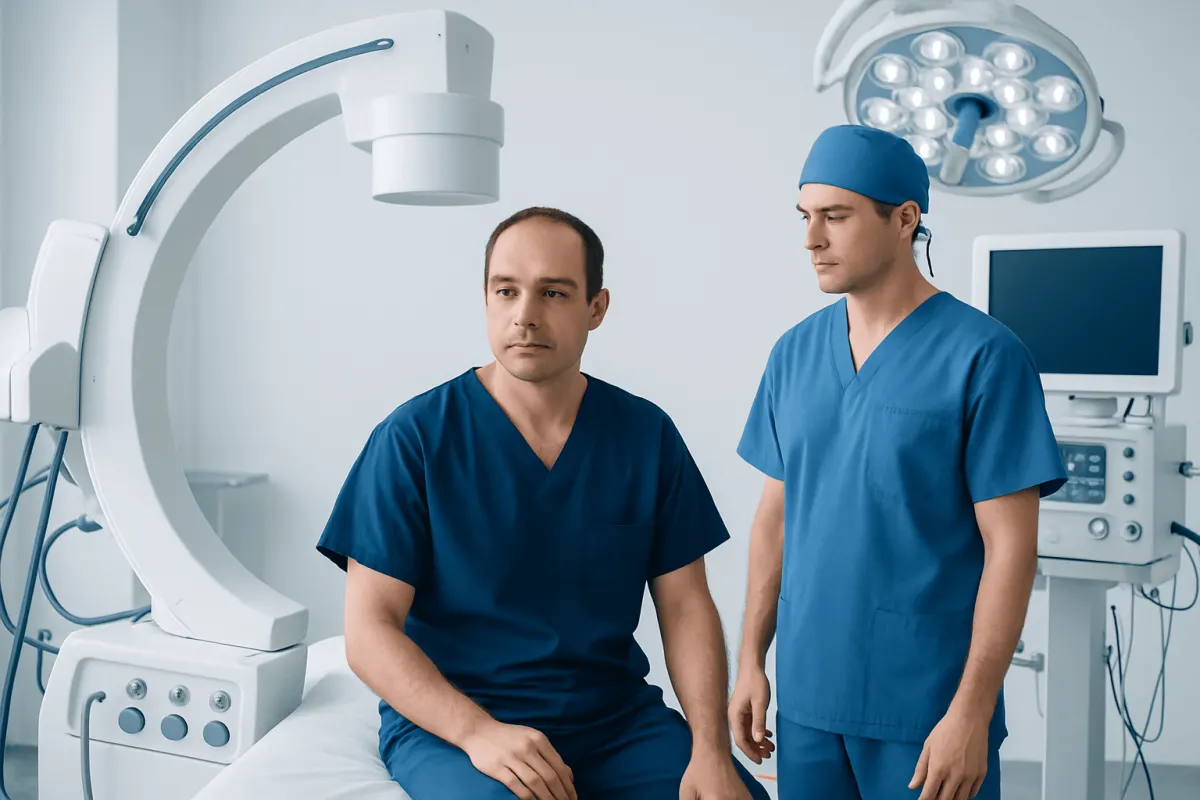
Fat tumor removal is most often performed to remove a lipoma, a common benign lump made of fatty tissue. The procedure is usually straightforward, but the right approach and recovery time depend on the lump’s size, location, depth, symptoms, and whether testing is needed.
Fat Tumor Removal: An Overview
Fat tumor removal usually refers to surgical removal of a lipoma, a soft, slow-growing lump of fatty tissue beneath the skin. Lipomas are benign, meaning they are not cancer. They commonly develop on the shoulders, back, neck, arms, thighs, or torso, and many do not need treatment if they are small and not causing symptoms.
A clinician may recommend removal when a lump causes pain, presses on nearby tissue, interferes with movement, grows noticeably, or creates cosmetic concern. Removal can also provide a tissue sample for laboratory examination when the diagnosis is not fully clear. A new or changing lump should be assessed rather than assumed to be a lipoma.
For many people, removal is an outpatient procedure. The surgeon makes an incision, separates the fatty lump from surrounding tissue, removes it, and closes the wound. The exact method, anesthesia, scar length, and recovery plan are individualized to the size, location, and depth of the growth.
Who May Be a Candidate for Lipoma Removal?
A person may be a candidate for fat tumor removal after a clinical assessment confirms that removal is appropriate. A clinician will ask when the lump appeared, whether it has changed, and whether it causes tenderness, numbness, restricted movement, or other symptoms. They will also examine its size, mobility, texture, and position beneath the skin.
Removal may be particularly helpful for a lipoma that is growing, painful, repeatedly irritated by clothing, located near a joint or nerve, or affecting a person’s comfort or confidence. Some people choose removal for cosmetic reasons even when the lipoma is not medically harmful.
Not every fatty lump needs surgery. Observation may be reasonable for a stable, typical lipoma that is small and symptom-free. However, imaging or referral may be needed for a lump that is large, deep, firm, fixed in place, rapidly enlarging, or associated with persistent pain. These features do not necessarily mean cancer, but they need careful evaluation.
- Medical history, medicines, allergies, and bleeding risk are reviewed before surgery.
- Ultrasound, MRI, or other imaging may be used for a deep or uncertain lump.
- A biopsy may be recommended in selected cases before or during removal.
How Fat Tumor Removal Is Performed
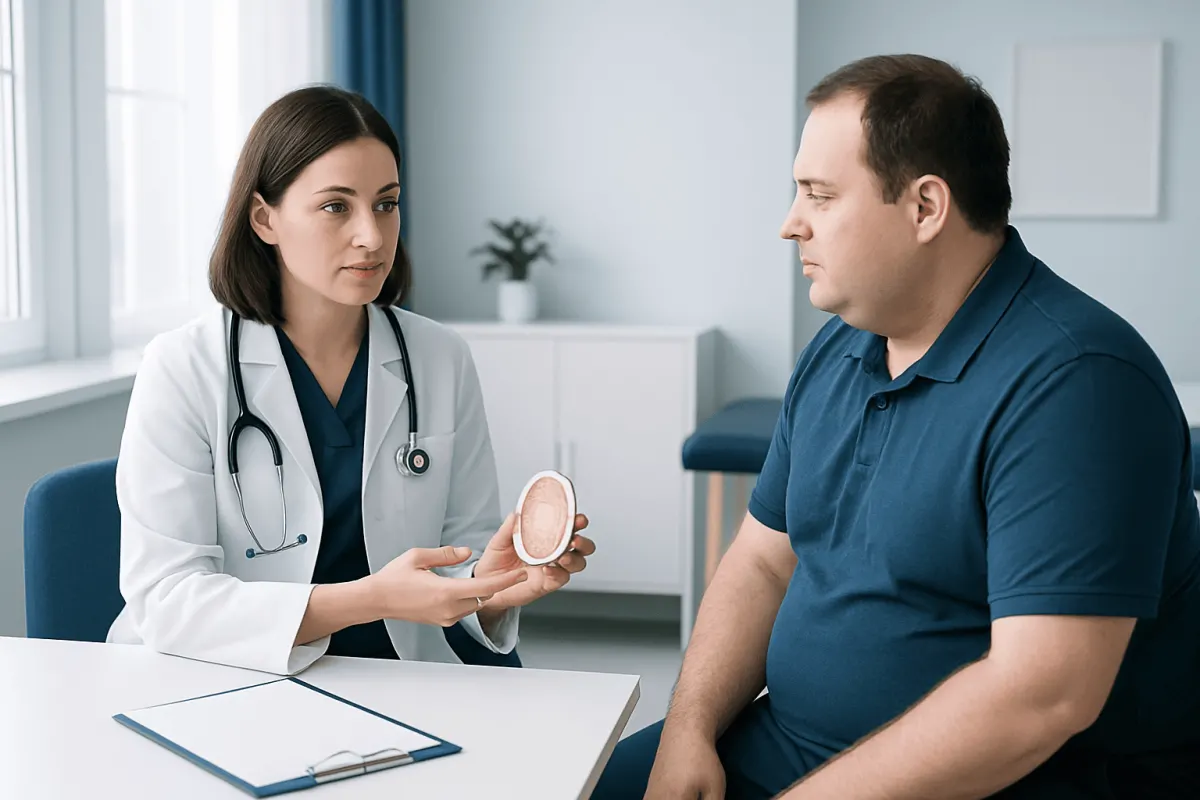
The procedure begins with planning the incision and confirming the location of the lump. Small, superficial lipomas can often be removed with local anesthesia, which numbs the area while the person remains awake. Larger, deeper, or multiple lipomas may require sedation or general anesthesia, depending on the clinical situation and the planned operation.
After the skin is cleaned and numbed, the surgeon makes an incision over or near the lump. The lipoma is carefully released from the surrounding tissue and removed as completely as possible. If the tissue is removed, it may be sent to a pathology laboratory to confirm the diagnosis.
The wound is then closed with stitches, adhesive strips, skin glue, or a combination of these methods. A dressing may be applied, and the care team explains how to keep the area clean, when to change the dressing, and when stitches should be removed if they are not dissolvable. Learn more about lipoma removal Lymphoma: Origins, Symptoms, and Diagnosis" class="ahp-ilk">Leukemia Treatment Options: How Doctors Choose the Right Plan" class="ahp-ilk">treatment options when discussing a personalized surgical plan with a specialist.
Procedure time varies. A small superficial lipoma may be removed relatively quickly, whereas a larger or deep lesion can take longer and may need a more detailed surgical approach. The clinician will explain what is expected before treatment.
Benefits and Possible Risks of Removal
The main benefit of fat tumor removal is that it removes the lump and can relieve pressure, discomfort, rubbing, or restriction caused by its location. For people concerned about appearance, removal may also improve comfort with the treated area. Pathology assessment of removed tissue can provide reassurance about the diagnosis when there has been uncertainty.
As with any procedure that breaks the skin, there are possible risks. These include bruising, swelling, bleeding, infection, delayed wound healing, temporary numbness, tenderness, fluid collection, and a scar. The likelihood and type of risk depend partly on the lipoma’s location, size, depth, and the person’s general health.
A lipoma can occasionally recur in the same area, particularly if complete removal is difficult because of its position. More commonly, a person who is prone to lipomas may develop a separate lipoma elsewhere. The surgeon can explain which risks are most relevant in an individual case and how they are reduced.
How Long Does It Take to Recover From Fatty Tumor Removal?
Recovery from fatty tumor removal is often gradual but uncomplicated. Many people feel well enough to return to desk work and other light activities within a few days, especially after removal of a small, superficial lipoma. The incision and deeper tissues, however, continue healing over the following weeks.
Bruising, mild swelling, and soreness are common early in recovery and generally improve over time. Larger lipomas, those removed from the back, shoulder, thigh, or other high-movement areas, and procedures involving deeper tissue may require a longer recovery. The final appearance of a scar can continue to improve for several months.
Follow the surgeon’s specific advice about bathing, dressings, driving, lifting, sports, and work. Recovery is not only about feeling comfortable; protecting the incision during the early healing period helps reduce the chance of bleeding, wound separation, and delayed healing.
How Painful Is It to Remove a Lipoma?
During lipoma removal, anesthesia is used to control pain. With local anesthesia, a brief stinging or burning sensation may be felt when the numbing medicine is injected. Once the area is numb, most people feel pressure or pulling rather than sharp pain during the procedure.
After surgery, it is common to have tenderness, tightness, or aching around the incision for several days. The intensity varies according to the size and location of the lipoma and whether deeper tissue was involved. The treating clinician can recommend appropriate pain relief based on the person’s medical history and other medications.
Pain that becomes severe, steadily worsens, or occurs with increasing redness, warmth, drainage, fever, or marked swelling should be reported to the surgical team. These symptoms can have several causes and should be assessed promptly rather than managed alone at home.
How Many Days Should I Rest After Lipoma Surgery?
Most people do not need strict bed rest after lipoma surgery. Gentle walking is usually encouraged as tolerated, while the treated body part should be protected from strain. For a minor procedure, one to several quieter days may be enough before resuming normal light routines.
More physically demanding work, heavy lifting, vigorous exercise, swimming, and activities that stretch the incision may need to wait until the wound is healing well and the surgeon gives clearance. This may take longer when the lipoma was large, deep, near a joint, or removed from an area that moves frequently.
Rest should be balanced with safe, gradual movement. Taking time away from strenuous activity can make it easier for discomfort and swelling to settle, but prolonged inactivity is usually not required unless specifically advised for another health reason.
What Not to Do After Lipoma Removal and When to Seek Medical Care
After lipoma removal, do not remove dressings early, soak the incision before the care team says it is safe, apply unapproved creams or products to the wound, or resume strenuous exercise too soon. Avoid heavy lifting and repetitive stretching that pulls at the incision. It is also important not to smoke or use nicotine products during healing, as they can impair blood flow and wound repair.
Attend follow-up appointments and contact the surgical team if instructions are unclear. If pathology was performed, the clinician will discuss the results and whether any further care is needed. Acıbadem Health Point’s multidisciplinary specialists and JCI-accredited hospitals can assess and treat lipomas for international patients when surgical evaluation is appropriate.
Seek medical care promptly for a lump that is rapidly growing, hard, deep, fixed, or persistently painful. After surgery, contact a clinician for fever, spreading redness, pus-like drainage, increasing swelling, uncontrolled bleeding, opening of the wound, worsening pain, or numbness or weakness beyond what was expected. Urgent evaluation is appropriate for severe symptoms or concerns about an allergic reaction.
Frequently asked questions
01Is fat tumor removal the same as lipoma removal?
In everyday use, fat tumor removal often refers to removal of a lipoma, a benign growth made of fatty tissue. However, not all lumps are lipomas, so a clinician should assess a new or changing mass before treatment is planned.
02Can a lipoma be removed without surgery?
Surgical excision is the most definitive way to remove a lipoma. In selected situations, a clinician may discuss other approaches, but suitability depends on the lump and these methods may not remove the full capsule. Observation is also an option for many symptom-free lipomas.
03Will a lipoma grow back after it is removed?
A completely removed lipoma is unlikely to return in the exact same location, though recurrence can occur. Some people also develop new lipomas in other areas over time. A changing or recurrent lump should be reviewed by a clinician.
04Do all removed fatty tumors need laboratory testing?
Many surgeons send removed tissue for pathology to confirm the diagnosis, especially when the lump has unusual features or there was diagnostic uncertainty. The decision depends on the clinical assessment and local practice. The care team will explain whether laboratory examination is planned.
05Can I shower after lipoma removal?
The timing depends on the closure method, dressing, and surgeon’s instructions. Some people may be allowed to shower after a short interval, while soaking in baths, pools, or hot tubs usually needs to wait longer. Keep the incision protected as directed and ask the surgical team if unsure.
06What kind of scar is left after lipoma surgery?
An incision scar is expected after surgical removal, and its size generally relates to the size and location of the lipoma. Scars often look more noticeable early on and fade gradually over months. Good wound care and sun protection after healing can support scar maturation.
This article is for general information only and is not a substitute for professional medical advice. Please consult a qualified doctor about your individual situation.
Joint and spine care in Turkey — expert assessment & treatment
JCI-accredited · board-certified surgeons · reply within 24h
Add us as a Preferred Source to see more of our trusted health content across Google Search, AI Overviews and Discover.