Gastric Tumor Symptoms, Diagnosis, and Treatment

Gastric tumor symptoms can be mild and nonspecific, such as persistent indigestion, feeling full quickly, nausea, or reduced appetite. Although many of these symptoms have noncancerous causes, ongoing or worsening symptoms should be assessed by a qualified clinician.
Gastric tumor symptoms: the first signs to notice
A gastric tumor is an abnormal growth in the stomach. Some gastric tumors are benign, while others are malignant. The term stomach cancer usually refers to gastric adenocarcinoma, which begins in the stomach lining. In its early stages, a gastric tumor may cause no symptoms at all, or it may resemble common conditions such as reflux, gastritis, or indigestion.
Possible gastric tumor symptoms include persistent upper abdominal discomfort, bloating after meals, heartburn, nausea, reduced appetite, and feeling full after eating a small amount. Some people notice trouble swallowing when a tumor is near the junction of the stomach and esophagus. Symptoms that continue, become more frequent, or change a person’s usual eating pattern deserve medical review.
More advanced disease can sometimes cause unintentional weight loss, fatigue, vomiting, abdominal swelling, or symptoms related to bleeding, such as black tar-like stools, vomiting blood, dizziness, or iron-deficiency anemia. These signs do not automatically mean cancer, but they should not be ignored. For an overview of this condition, see stomach cancer.
Can you feel well with stomach cancer?
Yes. A person can feel well with stomach cancer, particularly when the tumor is small or at an early stage. Early gastric cancer may not affect appetite, energy, weight, or daily activities. This is one reason why diagnosis can be delayed: mild symptoms may be mistaken for routine digestive upset or may come and go.
Feeling well does not rule out a gastric tumor, but it also does not mean that everyday digestive symptoms are likely to be cancer. Most indigestion has more common, noncancerous explanations. The important point is to seek assessment when symptoms are persistent, unexplained, progressive, or accompanied by warning signs such as anemia, weight loss, recurrent vomiting, or gastrointestinal bleeding.
People with a higher risk may need particular attention to new symptoms. Relevant factors can include a close family history of gastric cancer, longstanding infection with Helicobacter pylori, certain inherited cancer syndromes, previous stomach surgery, smoking, and diets high in heavily salted or preserved foods. A doctor can help determine whether testing is appropriate.
Why is stomach cancer so painful?
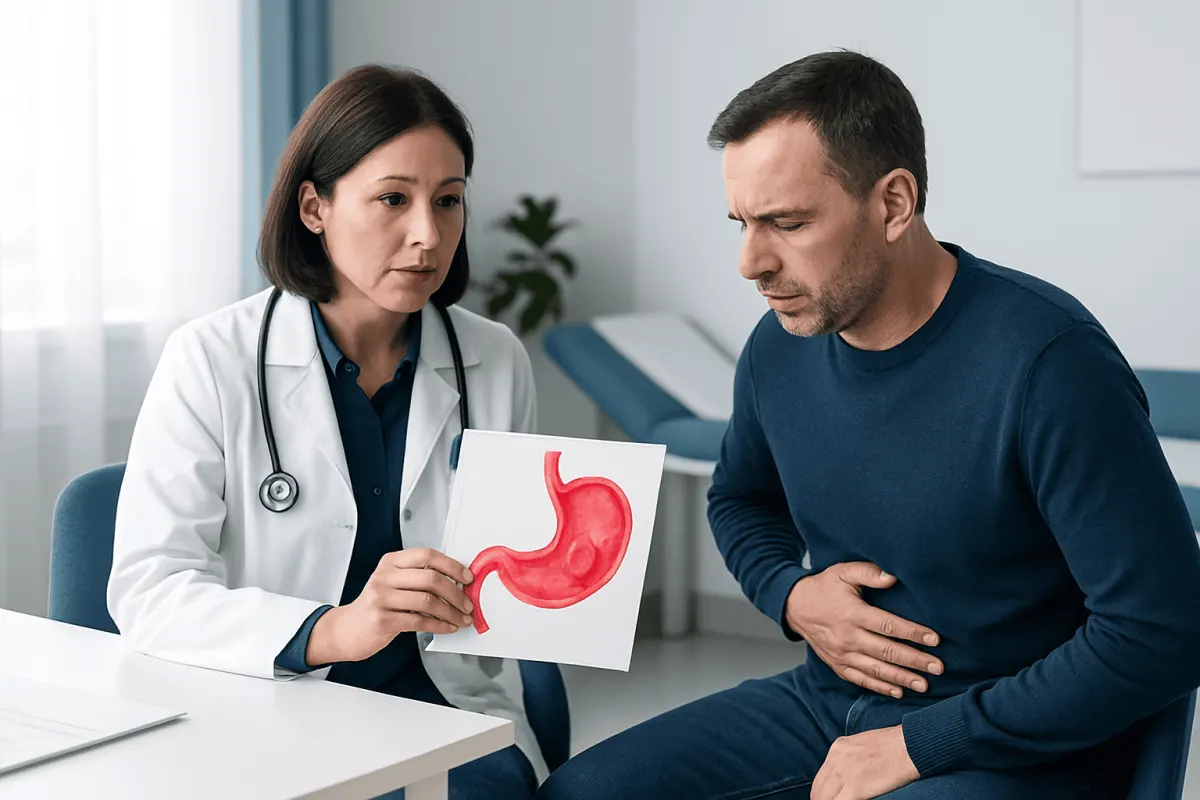
Stomach cancer is not always painful. When pain occurs, it may feel like persistent discomfort, pressure, burning, or aching in the upper abdomen. It can result from irritation or ulceration of the stomach lining, inflammation around the tumor, partial blockage of the stomach outlet, or changes in how the stomach stretches and empties after meals.
In some cases, pain develops because a larger tumor affects nearby tissues or organs. Pain may also be associated with nausea, early fullness, poor food intake, or constipation, which can make abdominal discomfort feel more significant. The severity of pain does not reliably show the stage of cancer; some early tumors may be painful, while some advanced tumors may cause little pain.
Ongoing upper abdominal pain should be evaluated, especially if it occurs with weight loss, vomiting, reduced appetite, anemia, or black stools. Clinicians can investigate the cause and offer symptom relief while testing is arranged. New severe pain, vomiting blood, fainting, or black stools warrants urgent medical care.
Does stomach cancer affect bowel movements?
Stomach cancer can affect bowel movements, although bowel changes are not usually the earliest or most specific symptom. Bleeding from a tumor in the stomach may be digested as it passes through the bowel, causing black, sticky, tar-like stools. Slow bleeding may not be visible but can lead to iron-deficiency anemia, tiredness, breathlessness, or dizziness.
Constipation may develop if food intake and fluid intake decrease, activity levels change, pain medicines are used, or the illness affects general wellbeing. Diarrhea is less typical as a direct sign of a gastric tumor, but it can occur for many unrelated reasons. Changes in bowel habits should be interpreted alongside the full clinical picture.
Bright red rectal bleeding is more often caused by a problem lower in the digestive tract, but any unexplained bleeding needs assessment. Black stools can occasionally result from iron supplements or certain medicines, yet medical advice is still important if the cause is uncertain, especially when there is weakness, light-headedness, or abdominal pain.
How gastric tumors are diagnosed and staged
Assessment begins with a medical history and physical examination. A clinician will ask about the timing and pattern of symptoms, appetite and weight changes, medicines, family history, smoking, and possible risk factors. Blood tests may look for anemia, nutritional concerns, or organ function, but blood tests alone cannot diagnose stomach cancer.
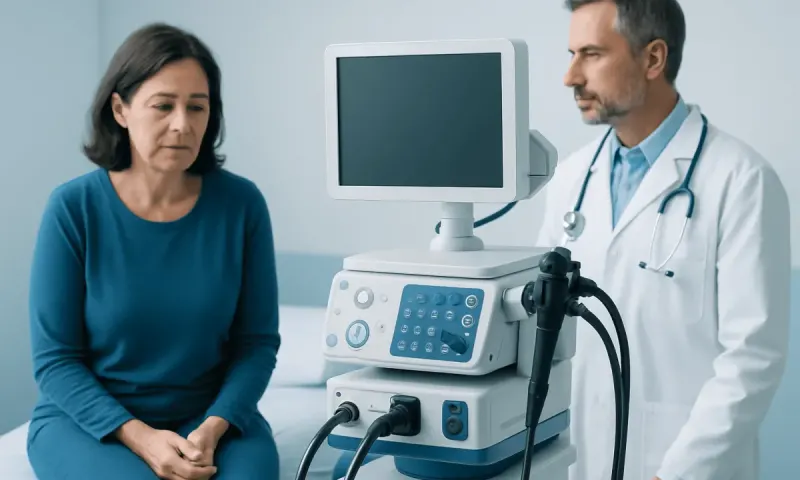
An upper endoscopy, also called gastroscopy, is the key test for investigating a suspected gastric tumor. A thin flexible camera is passed through the mouth to examine the esophagus, stomach, and first part of the small intestine. If an abnormal area is seen, small tissue samples are taken. A pathologist examines these biopsies to identify the tumor type and, where appropriate, test for features that can guide treatment.
Once cancer is confirmed, imaging such as CT, MRI, PET scanning in selected cases, endoscopic ultrasound, or staging laparoscopy may be used to determine whether the tumor has grown through the stomach wall or spread elsewhere. This process is called staging. Accurate staging supports informed decisions about surgery, medicines, radiation, nutrition, and symptom management.
What are the treatment options for stomach cancer?
Treatment options for stomach cancer depend on the tumor’s location, stage, type, molecular features, symptoms, and the person’s overall health and preferences. Care is usually planned by a multidisciplinary team that may include gastroenterologists, surgeons, medical oncologists, radiation oncologists, radiologists, pathologists, dietitians, and specialist nurses.
For early cancers, endoscopic removal may be possible in carefully selected cases. For tumors that can be removed surgically, treatment commonly includes partial or total removal of the stomach with nearby lymph nodes. Chemotherapy may be given before surgery, after surgery, or both, depending on the clinical situation. Learn more about stomach cancer surgery as part of a treatment plan.
For locally advanced or metastatic cancer, treatment may include chemotherapy, immunotherapy, targeted medicines, radiation therapy in selected situations, and procedures to relieve blockage or bleeding. Tumor testing can help identify whether specific targeted or immune-based therapies may be suitable. Chemotherapy and immunotherapy are not appropriate for every tumor, so recommendations should be individualized.
Supportive care is an important part of treatment at every stage. It may include nutrition support, treatment for anemia, pain control, management of nausea, emotional support, and help with eating after surgery. Palliative care focuses on quality of life and symptom relief and can be provided alongside cancer-directed treatment.
Outlook, follow-up, and everyday support
The outlook for a gastric tumor varies widely. It is influenced by whether the tumor is benign or malignant, how early it is found, whether it can be completely removed, lymph node involvement, spread to other organs, tumor biology, and response to treatment. It is best discussed with the clinical team using the details of the individual diagnosis rather than general predictions.
After treatment, follow-up appointments help monitor recovery, nutrition, treatment side effects, and any signs that need further investigation. People who have part or all of their stomach removed may need practical support with smaller meals, protein intake, hydration, vitamin and mineral monitoring, and adjustment to changes in digestion. A dietitian can provide individualized guidance.
There is no certain way to prevent all stomach cancers. Avoiding tobacco, limiting heavily salted and preserved foods, eating a balanced diet rich in plant foods, and seeking evaluation for possible H. pylori infection when clinically indicated may help reduce risk. Acıbadem Health Point’s multidisciplinary specialists and JCI-accredited hospitals diagnose and treat gastric tumors for international patients, with care plans tailored to clinical findings.
When to seek medical care
A person should arrange a medical appointment for indigestion, upper abdominal discomfort, early fullness, nausea, appetite loss, or bloating that lasts for several weeks, recurs often, or does not improve as expected. Medical assessment is also important for unexplained weight loss, worsening fatigue, persistent vomiting, new difficulty swallowing, or a known history of anemia.
Urgent medical attention is needed for vomiting blood, black tar-like stools, fainting, severe weakness, severe or rapidly worsening abdominal pain, or an inability to keep fluids down. These symptoms can have several causes, but they require prompt assessment because they may indicate bleeding, obstruction, or another serious digestive problem.
People should not self-diagnose based on symptoms alone. A qualified doctor can decide whether monitoring, blood tests, testing for infection, endoscopy, imaging, or referral to a specialist is the safest next step.
Frequently asked questions
01What are the earliest gastric tumor symptoms?
Early gastric tumor symptoms may be absent or may include indigestion, mild upper abdominal discomfort, bloating, nausea, and feeling full sooner than usual. These symptoms are common and often have noncancerous causes. Persistent or worsening symptoms should be discussed with a doctor.
02How is a gastric tumor confirmed?
A gastric tumor is usually confirmed with an upper endoscopy and biopsy. During endoscopy, a clinician views the stomach lining and takes small tissue samples from any suspicious area. Laboratory examination of the tissue determines whether cancer is present and identifies the tumor type.
03Can a gastric tumor be benign?
Yes, not every gastric tumor is cancerous. Some growths, such as certain polyps or stromal tumors, may be benign or have a lower risk of aggressive behavior. Biopsy, imaging, and specialist assessment are needed to determine the specific diagnosis and appropriate follow-up.
04Does stomach cancer always cause weight loss?
No. Weight loss can occur when stomach cancer reduces appetite, causes early fullness, affects digestion, or leads to nausea and vomiting, but it is not present in everyone. A person may have normal weight and appetite, especially early in the illness. Unexplained weight loss should nevertheless be medically assessed.
05Can stomach cancer be treated without surgery?
Some people can be treated without surgery, depending on the stage, location, and biology of the tumor and their general health. Options may include chemotherapy, immunotherapy, targeted therapy, radiation therapy, endoscopic treatment, and supportive procedures. Surgery is often considered when a cancer is localized and can be safely removed.
06Should persistent indigestion be checked for stomach cancer?
Persistent indigestion does not usually mean stomach cancer, but it is worth discussing with a clinician if it lasts, worsens, or occurs with warning signs. These include trouble swallowing, vomiting, anemia, black stools, unexplained weight loss, or early fullness. A doctor can determine whether endoscopy or other tests are needed.
This article is for general information only and is not a substitute for professional medical advice. Please consult a qualified doctor about your individual situation.
Medical weight-loss options in Turkey — costs & eligibility
JCI-accredited · board-certified surgeons · reply within 24h
Add us as a Preferred Source to see more of our trusted health content across Google Search, AI Overviews and Discover.