Falling Down the Stairs: When to Seek Medical Care
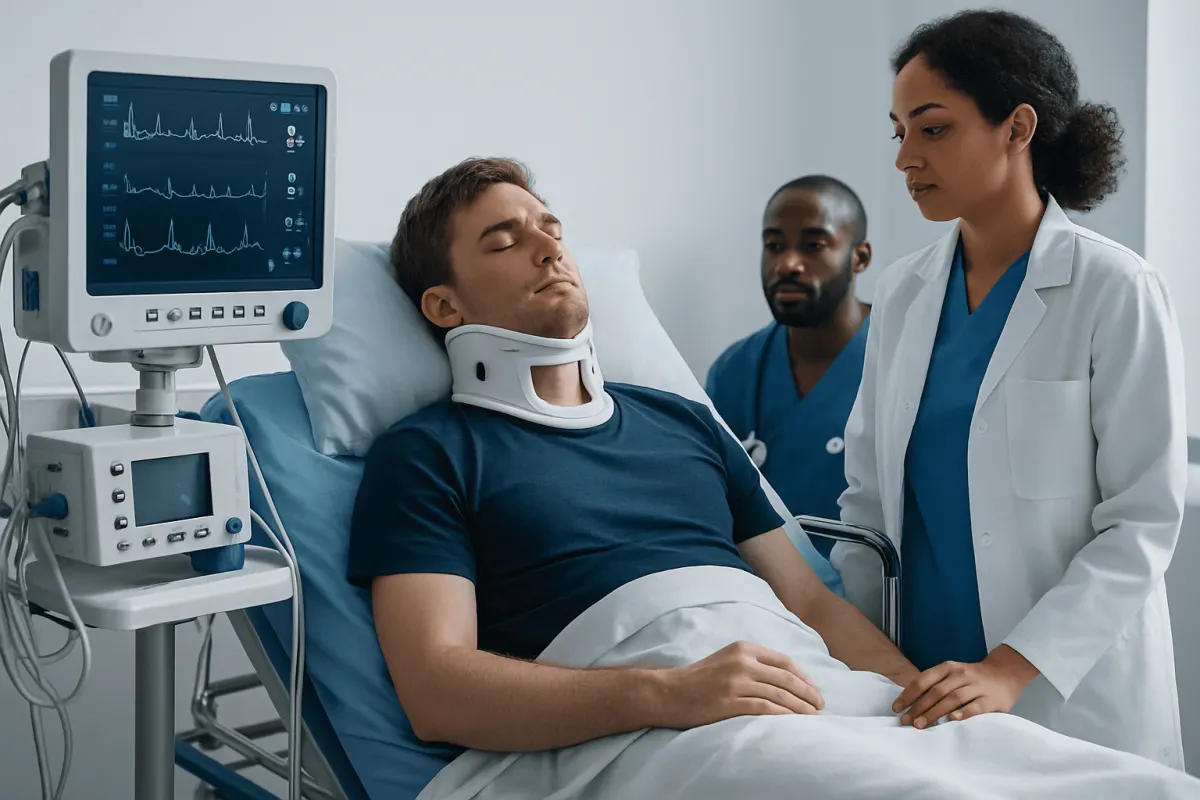
Falling down the stairs may cause anything from minor bruising to a serious head, neck, spine or bone injury. The safest next step depends on symptoms, the height and force of the fall, a person's age, and whether blood-thinning medicines or other health conditions are involved.
Overview: what to do after falling down the stairs
Falling down the stairs can lead to a wide range of injuries, from a temporary bruise or strained muscle to a fracture, concussion, or injury affecting the neck or spine. Immediately after a fall, the person should pause, check for severe pain or bleeding, and avoid trying to stand if there is neck or back pain, numbness, weakness, deformity, or an inability to bear weight.
If there was a blow to the head, it is important to monitor the person closely, even when they initially seem well. New or worsening headache, confusion, unusual sleepiness, vomiting, poor balance, seizure, or changes in vision can signal a potentially serious injury and require urgent assessment.
A calm approach is helpful. If the person is alert, comfortable enough to move, and has no warning signs, rest, cold packs and gentle protection of the painful area may be appropriate while symptoms are watched. When there is any doubt about the severity of an injury, contacting a qualified clinician is the safer option.
Possible injuries and symptoms after a stair fall
The force of falling down the stairs may affect more than one part of the body. Bruising, cuts, muscle strains and ligament sprains are common. People may also injure a wrist or arm while trying to break the fall, twist an ankle or knee, or strike the ribs, hip, shoulder, face or tailbone.
Fractures may cause severe localized pain, swelling, bruising, loss of function, an abnormal shape, or a grating sensation with movement. However, not all fractures are obvious. In particular, hip, rib, wrist, ankle and spinal fractures can sometimes be difficult to recognize without an examination and imaging.
Head injuries range from a scalp bruise to concussion or bleeding around the brain. A concussion may cause headache, dizziness, nausea, sensitivity to light or noise, difficulty concentrating, memory gaps, irritability, or sleep changes. For more information on symptoms and assessment, see concussion.
Neck and back injuries deserve particular care. Pain over the spine, tingling, numbness, weakness, new difficulty walking, or loss of bladder or bowel control should be treated as urgent symptoms. The person should not be moved unnecessarily unless there is immediate danger.
Why stair falls happen and who may be at higher risk

Stair falls often happen because of a missed step, hurried movement, poor lighting, slippery or uneven surfaces, clutter, loose rugs near stairs, or footwear without secure grip. Carrying large objects, using a phone while walking, and using stairs when tired or unwell can also make it harder to judge steps and maintain balance.
Some medical factors can increase fall risk. These include vision problems, dizziness, low blood pressure on standing, nerve disorders, muscle weakness, arthritis, balance conditions, alcohol or substance use, and medication side effects such as drowsiness. A clinician can review recurrent falls to identify potentially treatable contributors.
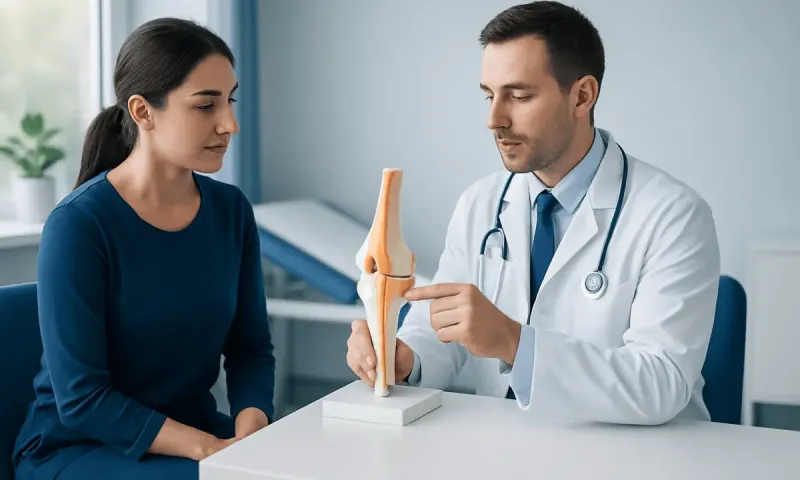
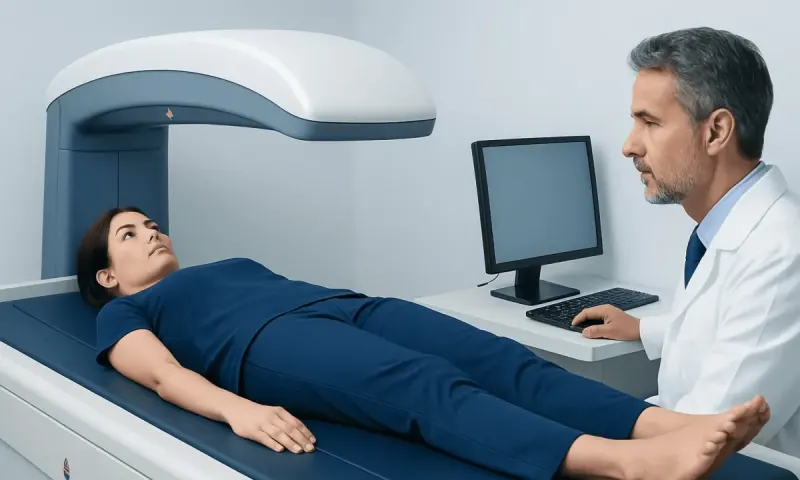
Older adults may be more likely to sustain serious injury because bone density and balance can change with age. Children can be injured because of their smaller size and developing coordination. People with osteoporosis may fracture a bone after relatively low-impact trauma; information about osteoporosis may be useful when discussing bone health with a doctor.
People taking anticoagulants or antiplatelet medicines should be especially cautious after a head impact, as these medicines can increase the risk of bleeding. They should seek timely medical advice after a significant fall or any head injury, even if symptoms appear mild.
When to seek medical care
Emergency care is needed after falling down the stairs if there is loss of consciousness, confusion, seizure, repeated vomiting, a worsening headache, unusual drowsiness, weakness, numbness, trouble speaking, unequal pupils, or fluid or blood coming from the nose or ears. Emergency evaluation is also important for severe breathing difficulty, chest pain, heavy bleeding, a visibly deformed limb, an open wound over a suspected fracture, or inability to move safely.
Call emergency services rather than attempting to drive if a head, neck, back, pelvic or major leg injury is suspected. Keep the person still and comfortable while waiting for help. Do not attempt to straighten a deformed limb or give food and drink to someone who may need urgent surgery or who is drowsy.
Same-day medical advice is sensible for persistent or increasing pain, inability to put weight through an arm or leg, marked swelling, a deep cut, rib pain with painful breathing, or symptoms of concussion. Medical review is also appropriate for an older adult, young child, pregnant person, or anyone using blood-thinning medication after a meaningful fall.
Even when emergency signs are absent, symptoms that do not improve over the next day or two should be assessed. Delayed pain, stiffness, dizziness and bruising can occur, but persistent symptoms should not simply be assumed to be minor.
Medical assessment and tests
Assessment begins with details of how the fall happened, which areas were struck, whether there was a head impact or loss of consciousness, and what symptoms developed afterward. A clinician will examine the painful areas and may check alertness, memory, pupils, balance, strength, sensation, circulation and range of movement.
Imaging is not necessary after every fall. It may be recommended when a fracture, internal injury, or significant head or spinal injury is suspected. X-rays are commonly used for bones, while CT or MRI scans may be considered for certain head, spine, chest or abdominal injuries based on symptoms and examination findings.
After a minor head injury, clinicians may provide observation advice for the first 24 to 48 hours. A responsible adult may be asked to monitor for changing behavior, worsening headache, vomiting, confusion or other warning signs. The individual should follow the specific discharge instructions provided by their care team.
Repeated falls should prompt a broader review. This may include medication review, vision testing, blood pressure assessment, balance and mobility evaluation, and discussion of bone health. Identifying the cause can help reduce future injuries.
Treatment and recovery
Treatment depends on the injury. Minor soft-tissue injuries often improve with relative rest, cold packs wrapped in a cloth for short periods, elevation when practical, and gradual return to activity as pain allows. Over-the-counter pain relief may be suitable for some people, but a pharmacist or clinician can advise on safe options, particularly for those with kidney disease, stomach ulcers, liver disease, pregnancy, or regular medications.
Sprains may need supportive bracing and guided exercises. Fractures can require a splint, cast, brace, reduction, surgery or rehabilitation, depending on the bone and injury pattern. Appropriate orthopedic trauma care helps ensure injuries are correctly diagnosed and treated.
Recovery after a concussion involves physical and mental rest initially, followed by a gradual return to school, work, exercise and driving under clinical guidance. Alcohol, recreational drugs and activities with a risk of another head impact should be avoided until recovery is complete and a clinician advises that return is appropriate.
Physiotherapy may support recovery after injuries involving joints, muscle strength, balance or confidence on stairs. physical therapy and rehabilitation can provide individualized exercises and mobility advice when pain or reduced function persists.
Preventing another fall on the stairs
Many stair falls can be prevented with practical changes at home and work. Stairs should be clear of objects, well lit at both the top and bottom, and kept in good repair. Secure handrails on both sides can offer additional support, especially for older adults and people with mobility difficulties.
Non-slip surfaces, contrasting edge markings where appropriate, and securely fixed carpeting can improve step visibility and grip. Shoes or slippers should fit well and have slip-resistant soles. Socks alone, loose sandals and footwear with worn soles can make stairs less safe.
People should use the handrail, take one step at a time when needed, and avoid carrying items that block their view. Keeping frequently used belongings on the main level may reduce unnecessary trips. Children should be supervised around stairs, and safety gates may be appropriate for younger children.
If dizziness, unsteadiness or repeated falls are occurring, medical assessment is important rather than relying only on environmental changes. Acıbadem Health Point’s multidisciplinary specialists and JCI-accredited hospitals can assess injuries and fall-related concerns for international patients.
Frequently asked questions
01Should a person sleep after falling down the stairs and hitting their head?
Sleep itself is not necessarily harmful after a minor head injury, but the person should first be assessed for emergency warning signs. If a clinician recommends home observation, a responsible adult should monitor for worsening headache, vomiting, confusion, unusual difficulty waking, or other changes. Anyone with concerning symptoms should receive urgent medical care.
02How long can pain last after falling down the stairs?
Bruising and soft-tissue soreness may become more noticeable during the first day or two and can take days to several weeks to settle. Persistent, worsening or sharply localized pain may indicate a more significant injury such as a fracture or ligament injury. Medical assessment is appropriate if pain limits normal movement or does not improve.
03Can a person have a fracture and still walk after a stair fall?
Yes. Some fractures, including certain wrist, rib, ankle, hip and foot fractures, may still allow limited movement or walking. Pain, swelling, bruising and tenderness over a bone should be assessed, especially if weight-bearing is difficult. An X-ray or other imaging may be needed to confirm the diagnosis.
04What should be avoided after a suspected concussion?
The person should avoid alcohol, recreational drugs, driving, contact sports, strenuous exercise and activities that could lead to another head injury until medically cleared. They should also avoid pushing through symptoms such as headache, dizziness or concentration problems. A gradual return to daily activities should follow clinical advice.
05Is a fall down the stairs more serious for older adults?
It can be, because older adults may have lower bone density, reduced balance, medical conditions or medicines that affect recovery and bleeding risk. A fall can also be a sign of an underlying balance, vision or medication problem. Prompt medical advice is particularly important after head impact, severe pain, or reduced mobility.
06When can someone return to exercise after a stair fall?
Return depends on the injury and symptom recovery. Light activity may be possible once pain is improving and normal movement is comfortable, but strenuous exercise should be delayed if there is a suspected fracture, significant sprain, head injury or ongoing dizziness. A clinician can give individualized clearance for work, sport and rehabilitation.
This article is for general information only and is not a substitute for professional medical advice. Please consult a qualified doctor about your individual situation.
Hair transplant in Turkey — costs, graft counts & a free assessment
JCI-accredited · board-certified surgeons · reply within 24h
Add us as a Preferred Source to see more of our trusted health content across Google Search, AI Overviews and Discover.