What Is the Safest Osteoporosis Treatment?
The best and safest treatment for osteoporosis is not one medicine for everyone. It is a personalized plan based on fracture risk, bone density, age, kidney health, other medical conditions and personal preferences, combining lifestyle measures with medication when fracture risk is high.
Overview: Choosing the Best and Safest Osteoporosis Treatment
For people asking what is the best and safest treatment for osteoporosis, the answer is an individualized treatment plan rather than a single best medicine. The plan should reduce the person’s chance of fractures while considering their bone density, previous fractures, age, sex, kidney function, other health conditions, medicines and ability to take or continue treatment safely.
Osteoporosis makes bones less dense and more fragile, so fractures can happen after a minor fall or, sometimes, ordinary movements. Hip, spine and wrist fractures are common concerns. A low-trauma fracture, especially of the hip or spine, can be an important sign that active treatment is needed even if bone-density results are not severely low.
Effective care usually brings together adequate calcium and vitamin D, regular weight-bearing and muscle-strengthening activity, measures to prevent falls, and medicine when fracture risk is moderate to high. The goal is to protect independence and bone health over time, not to promise that bone will return fully to its earlier state.
How Doctors Match Treatment to Fracture Risk
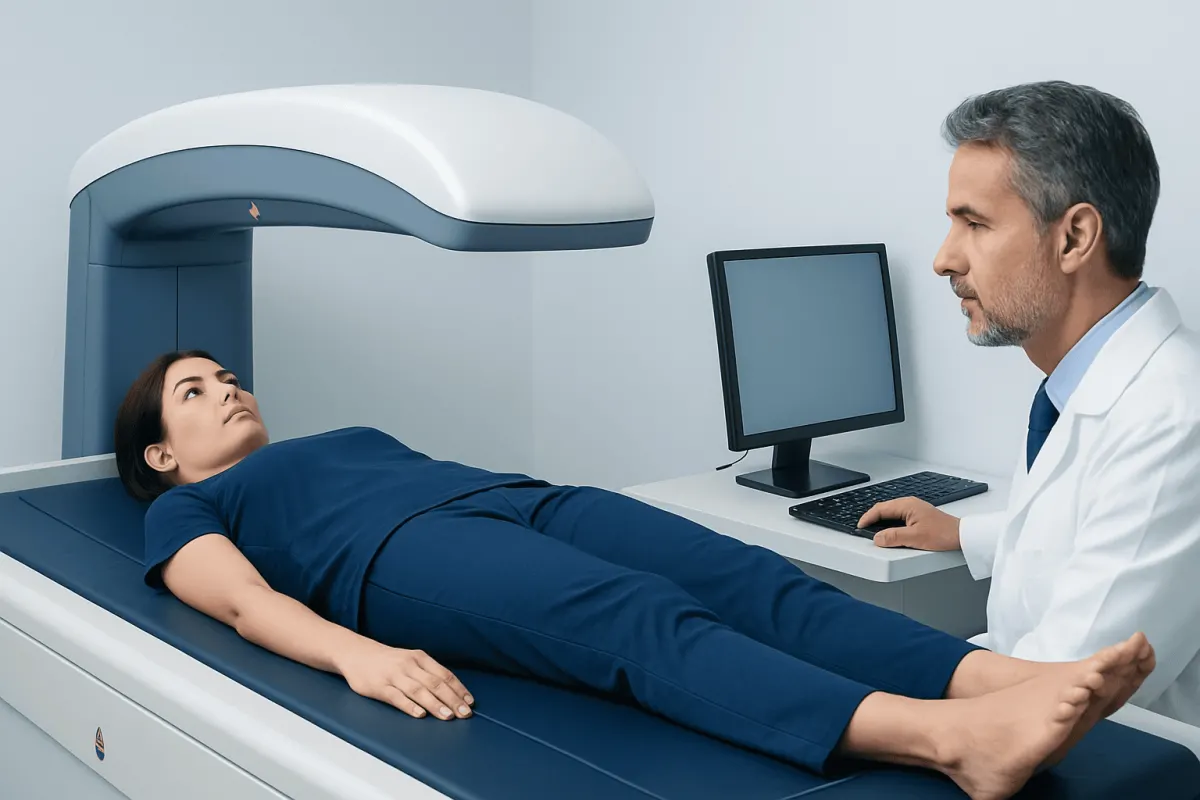
Before selecting treatment, a clinician confirms the diagnosis and estimates fracture risk. A dual-energy X-ray absorptiometry, or DXA, scan measures bone mineral density, usually at the hip and spine. Results are considered alongside age, menopause status, family history, smoking, alcohol use, body weight, prior fractures, use of corticosteroids and conditions that affect bone metabolism.
Blood and urine tests may be used to look for contributing causes, such as vitamin D deficiency, thyroid disease, parathyroid disorders, kidney disease, malabsorption or medication effects. This is especially important in men, younger adults, people with unexpectedly severe bone loss, and those who develop osteoporosis without an obvious reason.
People at lower risk may initially focus on lifestyle measures and repeat assessment at an interval set by their clinician. Those with a prior hip or vertebral fracture, multiple fractures, very low bone density, or a high calculated fracture risk usually benefit from prescription medicine in addition to lifestyle support. Treatment selection should also include a plan for monitoring and for safely changing or stopping medicine when appropriate.
What Is the Best Drug for Osteoporosis With the Least Side Effects?
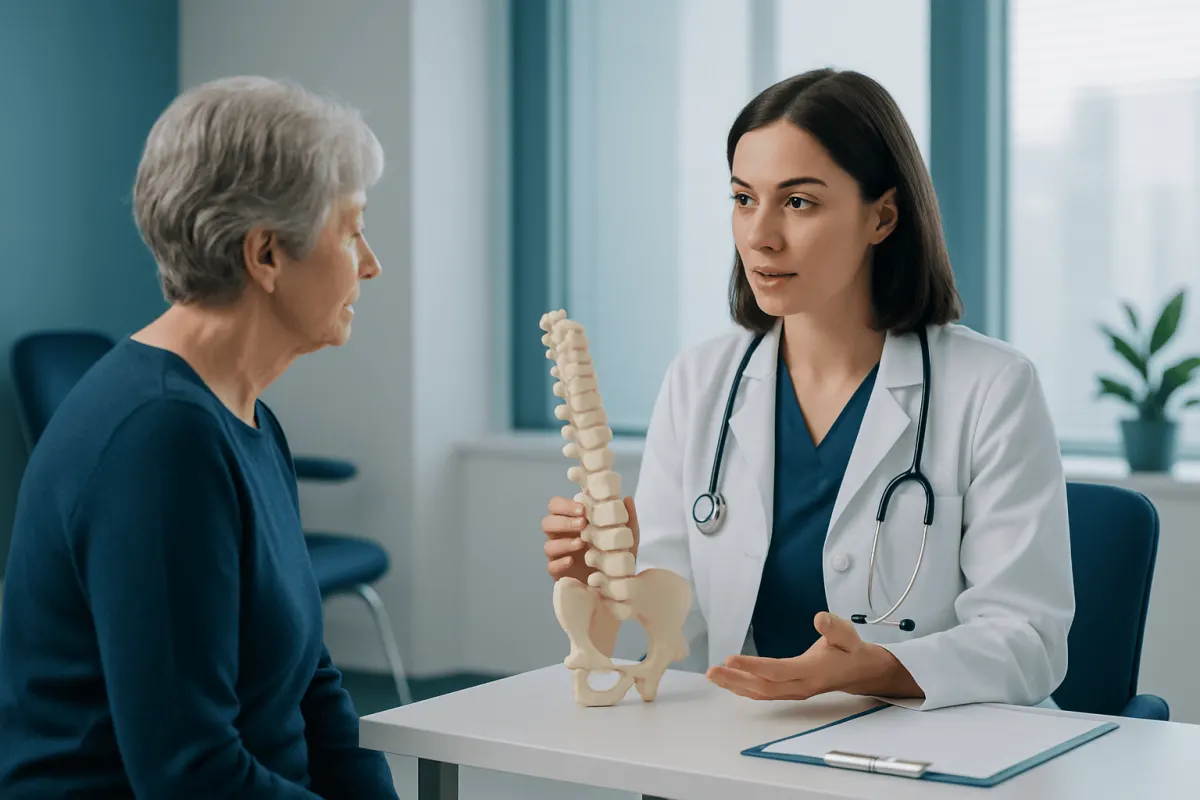
There is no osteoporosis drug with the least side effects for every person. For many adults at high fracture risk, oral bisphosphonates, such as alendronate or risedronate, are commonly used first because they are effective at lowering fracture risk and have substantial long-term clinical experience. They may not be suitable for people with certain swallowing problems, significant upper digestive conditions, inability to remain upright after taking a tablet, or some levels of kidney impairment.
Other antiresorptive options include intravenous bisphosphonates, denosumab injections and selective estrogen receptor modulators for selected patients. An intravenous bisphosphonate can avoid stomach irritation but may cause short-lived flu-like symptoms after infusion. Denosumab can be useful when other options are unsuitable, but it must be given on schedule and should not be stopped without a clinician-directed transition plan because bone loss and vertebral-fracture risk can rise after discontinuation.
Rare but important risks, including jawbone problems and unusual thigh-bone fractures, should be discussed in context. They are uncommon, while fractures from untreated high-risk osteoporosis can be serious. Good dental care, reporting thigh or groin pain, reviewing kidney health and attending follow-up appointments help clinicians use these medicines as safely as possible.
- Best choice: depends on fracture risk and medical history.
- Safest use: includes correct administration, monitoring and a planned review of duration.
- Important: medication should not be stopped or changed without medical advice.
What Is the New Drug That Rebuilds the Bone?
Some osteoporosis medicines are called anabolic, or bone-building, treatments because they stimulate new bone formation. These include teriparatide and abaloparatide, which are given by injection, and romosozumab, an injection typically administered by a healthcare professional. They are generally considered for people at very high risk of fracture, such as those with recent vertebral fractures, multiple fractures or very low bone density.
Romosozumab both promotes bone formation and reduces bone breakdown. It is used for a limited course and is commonly followed by an antiresorptive medicine to help maintain the bone gained. Because it may not be appropriate for people with a recent heart attack or stroke, cardiovascular history needs careful review before it is considered.
These treatments can increase bone density more rapidly than many standard antiresorptive medicines, but they are not automatically the best first choice for everyone. The right sequence of treatment matters: after a bone-building medicine, follow-on therapy is usually needed to preserve benefit. A bone specialist can help determine whether an anabolic medicine is appropriate.
What Is the Fastest Way to Increase Bone Density?
The fastest medically supported way to increase bone density for someone at very high fracture risk is often a clinician-selected bone-building medicine, followed by treatment that slows bone breakdown. However, speed is only one factor. The first priority is preventing fractures safely, and the most suitable treatment depends on the person’s overall risks and medical history.
Weight-bearing exercise, resistance training and balance work are valuable for bone and muscle health. Examples may include brisk walking, stair climbing, supervised resistance exercises and tai chi. Exercise programmes should be tailored for people with severe osteoporosis or previous spinal fractures, since forceful bending, twisting or high-impact activity may not be safe for everyone.
Nutrition also supports treatment. Adults should aim to meet calcium needs mainly through foods where possible and ensure adequate vitamin D, as advised by a clinician. Protein intake, avoiding smoking, limiting excess alcohol and correcting reversible medical causes can all contribute to bone health. These measures work alongside, rather than replace, medication in people who have high fracture risk.
Can You Reverse Osteoporosis Without Taking Medication?
Healthy lifestyle changes can slow bone loss, support bone strength and reduce falls, but they may not fully reverse osteoporosis or provide enough fracture protection for people at high risk. Calcium-rich foods, adequate vitamin D, regular safe exercise, smoking cessation and alcohol moderation remain important for everyone, whether or not they take medicine.
For people with mild bone loss, sometimes called osteopenia, and a low overall fracture risk, a clinician may recommend lifestyle measures and monitoring before starting prescription treatment. In contrast, people with osteoporosis plus a previous fragility fracture, very low bone density or other major risk factors are often advised to consider medicine because natural approaches alone have not been shown to provide the same level of fracture-risk reduction.
The phrase “best and safest natural treatment for osteoporosis” can be misleading if it suggests supplements alone are enough. Some supplements can interact with medicines or be unsuitable in kidney disease and other conditions. It is sensible to discuss supplements and dietary changes with a doctor or pharmacist, especially before using high-dose vitamin D, calcium or herbal products.
Daily Protection, Follow-Up and When to Seek Medical Care
Fall prevention is a central part of osteoporosis care. Practical steps include reviewing medicines that cause dizziness, having vision checked, using supportive footwear, improving home lighting, removing trip hazards and discussing balance or strength training. People with frequent falls may benefit from a broader assessment of mobility, vision, blood pressure and neurological health.
Follow-up helps confirm that treatment remains appropriate. A clinician may repeat a DXA scan after an interval based on the treatment plan, review adherence and side effects, check vitamin D or calcium when indicated, and decide whether a pause, switch or continuation of treatment is appropriate. Some medicines require particular planning if they are discontinued.
When to seek medical care: A person should arrange medical assessment after a fracture caused by a minor fall or everyday activity, new persistent back pain, noticeable loss of height, a new stooped posture, or sudden thigh or groin pain while taking osteoporosis medicine. Urgent care is appropriate after a suspected hip fracture, severe pain after a fall, inability to bear weight, or symptoms suggesting a serious injury.
For international patients, Acıbadem Health Point’s multidisciplinary specialists and JCI-accredited hospitals can assess osteoporosis, investigate contributing conditions and discuss evidence-based treatment options. Decisions should always be made with a qualified clinician who understands the individual’s fracture risk and health history.
Frequently asked questions
01What is the best and safest treatment for osteoporosis in 2025?
The best and safest treatment for osteoporosis in 2025 remains individualized care based on fracture risk, prior fractures, bone density and overall health. Lifestyle measures are important for all patients, while medicines such as bisphosphonates, denosumab or bone-building treatments may be appropriate depending on risk. There is no single treatment that is safest for every person.
02What is the best and safest treatment for osteoporosis injection?
Injectable options include denosumab, intravenous bisphosphonates and bone-building medicines such as teriparatide or romosozumab. The safest injection depends on kidney function, fracture risk, heart health, treatment history and whether follow-up can be maintained reliably. A clinician should explain benefits, side effects and what happens if the injection is delayed or stopped.
03What is the best and safest treatment for osteoporosis in men?
Osteoporosis in men should be assessed carefully because an underlying cause is more common than in postmenopausal osteoporosis. Treatment may include correcting vitamin D deficiency or hormonal and medical causes, plus osteoporosis medicines when fracture risk is high. Several medicines used in women can also be appropriate for men, depending on local approval and individual circumstances.
04Is the best osteoporosis treatment different in Australia, the United States or other countries?
Core treatment principles are similar internationally: assess fracture risk, support bone health, prevent falls and use medication when the expected benefit is meaningful. Medicine availability, reimbursement rules and guideline details can vary between countries, including Australia. A local clinician can advise which options are approved and suitable.
05How long do osteoporosis medicines need to be taken?
Treatment duration varies by medicine and fracture risk. Some bisphosphonate users may be reviewed after several years to see whether a monitored treatment break is appropriate, while other medicines should not be stopped abruptly. Regular reviews help balance continued fracture protection with long-term safety.
06Do calcium and vitamin D supplements treat osteoporosis?
Calcium and vitamin D help support normal bone health, particularly when dietary intake or vitamin D levels are low. They are usually supportive measures rather than complete treatment for someone with established osteoporosis and a high fracture risk. The appropriate amount should be discussed with a clinician, particularly for people with kidney stones or kidney disease.
This article is for general information only and is not a substitute for professional medical advice. Please consult a qualified doctor about your individual situation.
Medical weight-loss options in Turkey — costs & eligibility
JCI-accredited · board-certified surgeons · reply within 24h
Add us as a Preferred Source to see more of our trusted health content across Google Search, AI Overviews and Discover.