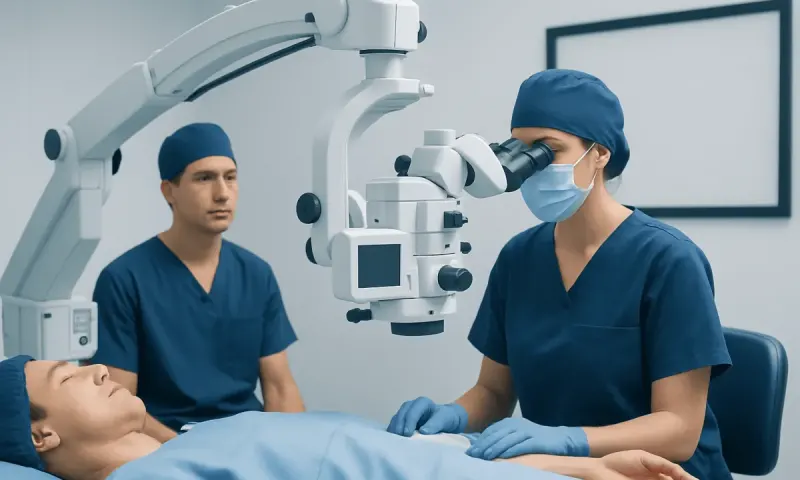
Facial Surgery Before and After: Changes Over Time
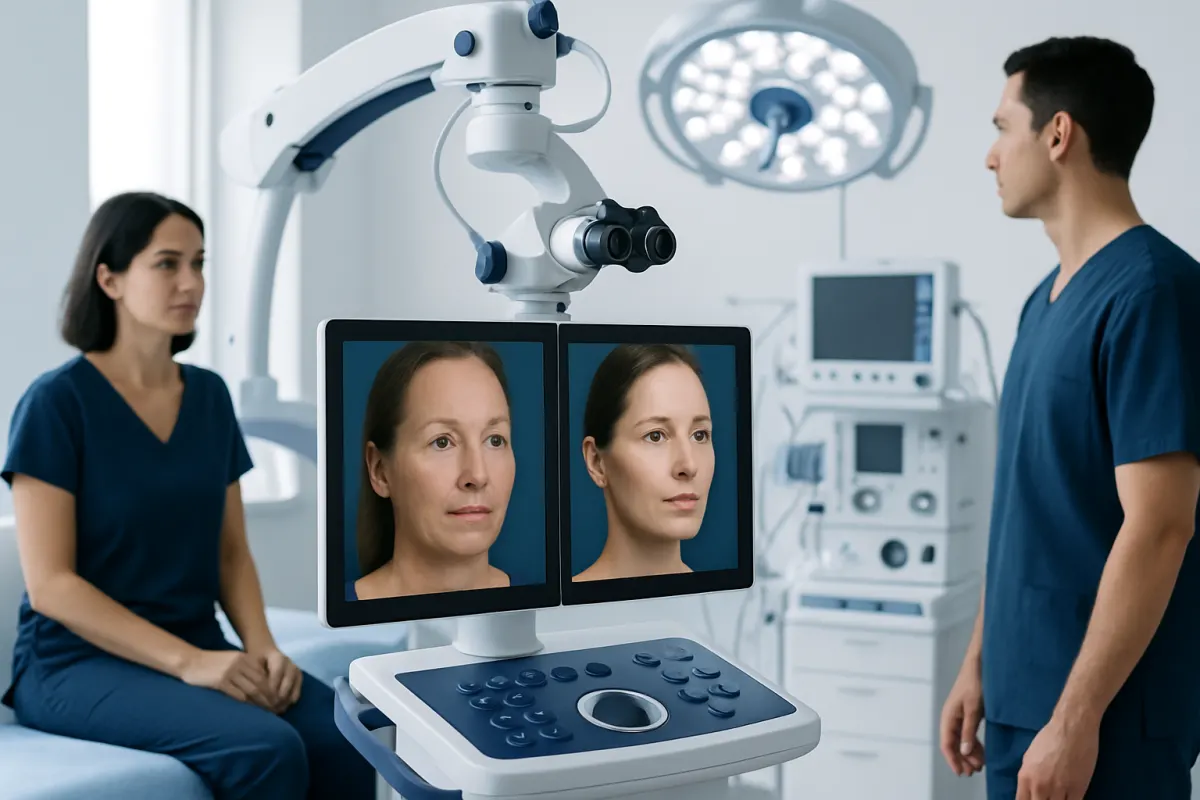
Facial surgery before after results can show meaningful changes in facial contour, skin laxity, balance or features, but the final outcome is not visible immediately. Swelling, bruising and tissue healing can temporarily change appearance, so results should be assessed over weeks to months with guidance from a qualified facial plastic surgeon.
Facial surgery before after: what results can be expected?
Facial surgery before after results usually become clearer gradually rather than immediately after an operation. In the first days and weeks, swelling, bruising, dressings and changes in facial expression can make the face look different from the eventual outcome. Most people see progressive improvement as healing continues, while subtle settling of scars and soft tissues may take several months.
Facial surgery is a broad term. It may include facelift surgery to address laxity in the cheeks, jawline and neck; eyelid surgery; rhinoplasty; chin or jaw surgery; facial fat grafting; or procedures that change facial proportions. Each operation affects different tissues, so the expected before-and-after change, recovery period and long-term maintenance differ.
A well-planned result should aim to preserve the person’s natural identity while addressing agreed concerns. Surgeons assess facial proportions, skin elasticity, bone structure, medical history and personal preferences. Digital imaging or carefully selected clinical photographs may help communication, but they are planning tools rather than guarantees of an exact result.
How facial surgery works and who may be a candidate
The approach depends on the operation. A facelift may reposition deeper facial tissues and remove or redistribute limited excess skin. Rhinoplasty reshapes nasal bone, cartilage or both. Chin and jaw procedures may alter the underlying bone or use an implant, while fat grafting transfers a person’s own fat to restore volume in selected areas.
Suitable candidates are generally adults in good overall health who understand the benefits, limitations and recovery involved. They should have concerns that can reasonably be addressed by surgery and should be prepared to follow instructions about medications, nicotine use, wound care and follow-up visits. Nicotine can impair wound healing, so surgeons commonly advise stopping smoking and other nicotine products well before and after surgery.
Emotional readiness is also important. Facial surgery cannot reliably resolve relationship difficulties, workplace pressures or distress about appearance that is out of proportion to a physical feature. A surgeon may recommend more discussion, counseling or postponing surgery when expectations are not realistic or when a health condition needs better control first.
- Good candidates have specific, achievable goals.
- Medical conditions and medications should be reviewed carefully before surgery.
- People considering surgery should understand that symmetry is never perfect, even in an untreated face.
What happens during facial surgery?
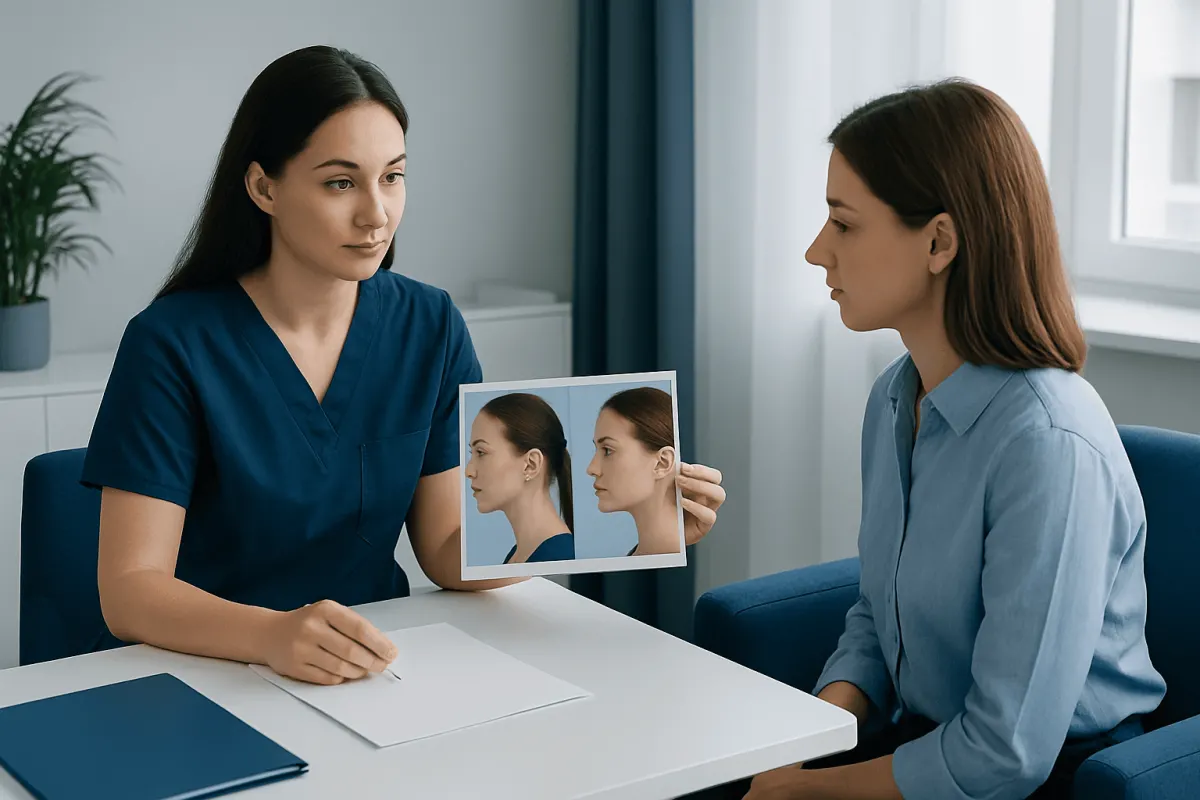
The process begins with a detailed consultation. The surgeon asks about health history, allergies, previous procedures, medications and supplements, as well as concerns about appearance and function. Examination may include skin quality, facial movement, bite or nasal breathing, depending on the planned procedure. Photographs are commonly taken as part of clinical planning and follow-up.
Before the operation, the care team provides instructions about fasting, transport home, activity restrictions and medicines that may need adjustment. It is important not to stop prescribed medication without advice from the prescribing clinician and surgeon. The anesthesia plan may involve local anesthesia with sedation or general anesthesia, depending on the procedure and its extent.
During surgery, the surgeon makes incisions in locations selected to balance access and scar concealment. Tissue is reshaped, repositioned, removed or added according to the surgical plan, and incisions are closed with sutures or other appropriate methods. Some procedures use temporary drains or dressings. After monitoring in recovery, many people return home the same day, while more extensive procedures may require an overnight stay.
For people exploring a procedure aimed at lifting facial and neck tissues, facelift surgery information can provide a useful starting point for discussing options with a qualified surgeon.
Recovery timeline: when do before-and-after changes become visible?
Recovery varies substantially by procedure and by the individual. In the first several days, swelling, bruising, tightness, numbness and tiredness are common after many forms of facial surgery. Keeping the head elevated, resting, using cold compresses when advised and attending follow-up appointments can support recovery. Pain control plans are individualized by the surgical team.
During the first one to two weeks, dressings, drains or sutures may be removed according to the procedure. Some people feel comfortable returning to quiet daily activities or non-strenuous work during this period, but visible bruising and swelling can persist. Makeup may be permitted after incisions have healed adequately, but this should be confirmed with the surgeon.
At several weeks, most obvious bruising usually improves and the face often begins to look more like the intended result. Residual swelling, altered sensation and firmness can continue. Exercise, heavy lifting, contact sports, sun exposure and other activities may need to be limited until the surgeon confirms it is safe.
Final refinement commonly takes months. Scar color and texture can continue to mature for up to a year or longer. Comparing photos too early can be misleading; consistent lighting, angle, facial expression and timing are essential for a fair before-and-after comparison.
Benefits, limitations and risks of facial surgery
The potential benefits of facial surgery depend on the operation. These may include a more defined jawline or neck, improved facial balance, correction of a structural concern, restoration of volume, or a more rested appearance. Some procedures can also improve function, such as nasal surgery performed to address airflow problems.
Results are influenced by healing, aging, gravity, sun exposure, weight changes and skin quality. Surgery does not stop natural aging, and no operation can guarantee a particular appearance. A careful surgeon will explain what can be improved, what will remain unchanged and whether non-surgical alternatives may be suitable.
All operations carry risks. These include anesthesia-related complications, bleeding or hematoma, infection, delayed wound healing, visible or unfavorable scars, fluid collection, asymmetry, contour irregularities, prolonged swelling, changes in skin sensation and the need for revision surgery. Depending on the procedure, there may also be risks to facial nerve function, breathing, eyelid position or hair-bearing skin.
Risk can be reduced, though never eliminated, by choosing an appropriately trained surgeon, sharing a complete medical history, avoiding nicotine, following aftercare directions and keeping all scheduled reviews. New or worsening symptoms should always be discussed promptly with the surgical team.
Can you show me pictures of face shape surgery before and after?
Before-and-after photographs of face shape surgery are best reviewed during a consultation with a qualified surgeon. A clinician can show properly consented images of patients who had comparable procedures, such as chin augmentation, jaw contouring, facial fat grafting or orthognathic surgery, while explaining differences in anatomy, lighting, swelling and healing stage.
Online images can be useful for learning broad concepts, but they cannot predict an individual result. Photographs may be edited, taken at different angles or captured at different points in recovery. A reliable comparison uses the same pose, lighting, expression and camera distance, with clear information about how long after surgery each image was taken.
People considering facial shape changes should ask whether the proposed procedure alters bone, soft tissue, fat distribution or all of these. This helps set appropriate expectations about permanence, scar placement, recovery and the degree of change that can be achieved safely.
What is the regret rate for face lifts?
There is no single reliable regret rate for facelifts that applies to every patient, surgeon, technique or definition of regret. Research often measures satisfaction rather than regret, and results differ based on follow-up length, patient selection and the questions asked. It is more accurate to discuss personal factors that may affect satisfaction than to rely on one percentage.
People may feel disappointed when expectations were unrealistic, the healing process was more difficult than expected, scars or asymmetry are noticeable, or the result does not match the image they had in mind. Some concerns improve as swelling settles, while others may require observation, non-surgical treatment or, in selected cases, revision surgery after healing is complete.
A thorough consultation helps reduce avoidable dissatisfaction. Useful questions include what changes are realistic, where scars will be, how long recovery may take, what complications are most relevant, and how the practice manages concerns after surgery. Taking time to decide and seeking a second opinion can also be appropriate.
What is the hardest plastic surgery to recover from?
There is no universal answer because recovery difficulty depends on the type and extent of surgery, the anesthesia used, a person’s health, pain tolerance, support at home and whether several procedures are performed together. Operations involving large areas of tissue, major body contouring, reconstruction, jaw bones or multiple surgical sites may require more prolonged recovery than smaller, localized procedures.
Among facial procedures, operations that involve the jaw, facial bones or complex reconstruction can have a longer functional recovery because eating, speaking, swelling and sensation may be affected. Extensive combined facial surgery may also involve more swelling and activity restrictions than a single limited procedure. However, a procedure that is medically straightforward for one person may still feel demanding for another.
The best way to prepare is to ask the surgical team about expected pain, sleep, diet, mobility, time away from work, need for a caregiver and warning signs. A realistic recovery plan is as important as preparation for the operation itself.
How painful is facial surgery?
Facial surgery is usually associated with discomfort, tightness, pressure and swelling rather than severe pain for many patients, but experiences vary by procedure. Some operations, especially those involving bone or the jaw, can cause more substantial pain and may affect chewing or speaking temporarily. The surgeon and anesthesia team will create an individualized pain-management plan.
Discomfort is often most noticeable in the first few days and typically improves as swelling settles. Prescribed and non-prescription pain medicines may be used when appropriate, but patients should only take medications recommended by their care team. Applying ice, elevating the head and avoiding strenuous activity may also help when advised.
Severe pain that is sudden, increasing, one-sided or not controlled by the recommended plan is not something to ignore. It may need urgent review, especially if it occurs with rapidly increasing swelling, bleeding, fever, redness or drainage from an incision.
When to seek medical care
Anyone considering facial surgery should arrange an assessment with a qualified plastic, facial plastic or maxillofacial surgeon. Medical evaluation is particularly important for people with heart or lung disease, diabetes, bleeding disorders, previous facial surgery, sleep apnea, a history of poor scarring, or regular use of blood-thinning medicines. A surgeon can explain whether surgery, a less invasive option or no procedure is the safest choice.
After surgery, contact the surgical team promptly for increasing redness, warmth, drainage, fever, persistent vomiting, worsening pain, a new rash or concerns about wound healing. Seek emergency care for trouble breathing, chest pain, fainting, sudden major swelling, uncontrolled bleeding, confusion or signs of a severe allergic reaction.
Acıbadem Health Point’s multidisciplinary specialists and JCI-accredited hospitals support diagnosis and treatment planning for international patients considering facial surgery. A consultation should always include individualized discussion of goals, safety, recovery and appropriate follow-up care.
Frequently asked questions
01How long does it take to see final facial surgery before and after results?
Initial changes may be visible after early swelling and bruising improve, often over the first few weeks. However, subtle swelling, tissue settling and scar maturation can continue for several months and sometimes up to a year, depending on the procedure. The surgeon can provide a more specific timeline for the planned operation.
02Why do I look uneven after facial surgery?
Temporary unevenness can occur because swelling and bruising do not always develop or resolve equally on both sides. Healing tissues can also feel firm or look irregular early on. Persistent or worsening asymmetry should be assessed by the surgeon, particularly if it is accompanied by pain, redness or sudden swelling.
03Are before-and-after photos a guarantee of my result?
No. Photos show what occurred for a particular patient under particular conditions and cannot guarantee the same result for someone else. Facial anatomy, skin elasticity, health factors, surgical technique and healing response all influence outcomes.
04When can I return to work after facial surgery?
The timing depends on the procedure, the physical demands of work and how comfortable the person feels with visible swelling or bruising. Some people return to desk-based work within one to two weeks, while others need longer, especially after more extensive surgery. The treating surgeon should give individualized guidance.
05Can facial surgery scars be hidden?
Surgeons generally place incisions in natural creases, hair-bearing areas or other less noticeable locations when possible. Every incision creates a scar, and scars vary between individuals. Scar appearance usually improves over time, but it cannot be completely guaranteed or eliminated.
06Can I exercise after facial surgery?
Light walking is often encouraged early if the surgeon agrees, but strenuous exercise, bending, heavy lifting and contact activities are usually restricted initially because they can increase swelling or bleeding risk. The timeline for returning to activity varies by procedure. Patients should follow their surgeon’s specific instructions rather than using a general schedule.
This article is for general information only and is not a substitute for professional medical advice. Please consult a qualified doctor about your individual situation.
Explore treatments in Turkey — costs, top hospitals & a free quote
JCI-accredited · board-certified surgeons · reply within 24h
Add us as a Preferred Source to see more of our trusted health content across Google Search, AI Overviews and Discover.