Ice or Heat After Surgery: Which Is Better?
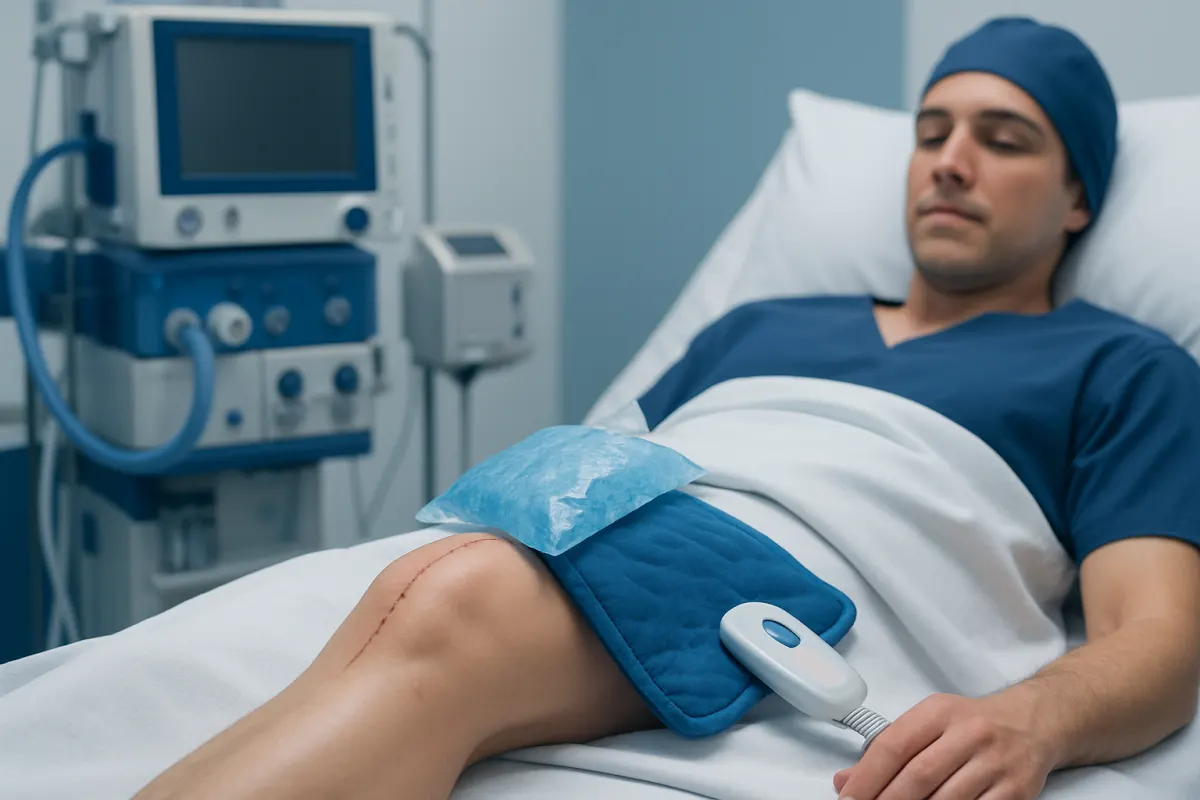
Ice is often helpful during the first days after surgery to ease localized swelling and discomfort, but it must be used safely and only if the surgical team approves it. Heat is generally avoided over a fresh incision because it can increase swelling or bleeding, though it may be recommended later for muscle stiffness or soreness.
Ice or Heat After Surgery: The Practical Answer
For most people, the choice between ice or heat after surgery depends on the type of operation, the location of the surgical site, and how far recovery has progressed. In the early phase, cold therapy is more commonly recommended for localized swelling, bruising, and discomfort. Heat is usually delayed because warmth can increase blood flow and may worsen swelling around a fresh surgical area.
There is no single rule that applies to every operation. A cold pack may be appropriate after some joint, muscle, dental, or soft-tissue procedures, while it may not be suitable near certain wounds, grafts, areas with reduced sensation, or where circulation is impaired. The discharge plan provided by the surgeon is the safest guide.
Ice or heat for post surgery should be viewed as a comfort measure rather than a replacement for prescribed pain medicine, wound care, walking instructions, or rehabilitation. If the patient is uncertain whether a pack can be used, it is sensible to contact the surgical team before applying it.
How Cold and Heat Affect Surgical Recovery
Cold therapy causes blood vessels near the skin to narrow temporarily. This can help limit early swelling and may reduce pain signals from the area. An ice pack can be particularly useful after procedures where swelling is expected around a joint or superficial soft tissues, provided the surgeon has approved it.
Heat has a different effect. It relaxes muscles and increases local blood flow, which can relieve stiffness, tightness, and aching in surrounding muscles. However, greater blood flow is not usually desirable directly over a fresh incision, where swelling, bleeding, or inflammation may still be present. For this reason, heat is commonly considered later in recovery, not immediately after surgery.
The phrase ice or heat for after surgery can be misleading because the answer is not simply one or the other. A patient may use cold near the surgical region early on and later be advised to use gentle warmth on nearby tight muscles, such as the back, shoulder, or thigh. The timing and placement should be individualized by the treating clinician.
Candidacy and Safe Use of Ice or Heat

People may be candidates for cold therapy when their surgeon expects temporary swelling and has confirmed that the incision and surrounding skin can safely be cooled. Ice is often applied over a dressing or clothing layer rather than directly onto the incision. It should never be used as a way to ignore worsening pain or other possible complications.
Extra caution is needed for people with reduced skin sensation, diabetes with nerve damage, peripheral artery disease, Raynaud phenomenon, circulation problems, fragile skin, or a history of cold-related skin injury. In these circumstances, even a normally safe cold pack may cause tissue damage without the person realizing it quickly. A clinician can suggest safer alternatives.
Heat may be considered when a wound is closed and healing appropriately, and when the main issue is muscular tightness rather than swelling. It should not be applied over an open wound, a drain site, a fresh incision, an area of numbness, or skin that is red, hot, or infected. A clinician should confirm whether a heating pad, warm compress, or warm shower is appropriate.
- Use a cloth barrier between the skin and a cold or heat source.
- Apply for brief periods, often around 15 to 20 minutes unless instructed otherwise.
- Check the skin before and after use for excessive redness, paleness, blotching, numbness, or blistering.
- Do not sleep with an ice pack or heating pad in place.
Step-by-Step: Using Ice or Heat Safely After an Operation
Before using either therapy, the patient should review their discharge instructions and confirm that the area is suitable. If cold is permitted, a reusable gel pack, bag of ice, or cold therapy device can be wrapped in a thin towel. It should be placed gently near, rather than directly on, the incision unless the surgical team has provided different instructions.
A typical session is short, followed by time for the skin and tissues to return to normal temperature. The patient should remove the pack sooner if there is burning, marked numbness, intense discomfort, skin color change, or moisture reaching the dressing. Compression devices or circulating cold machines should be used exactly as prescribed because their instructions may differ from those for a standard cold pack.
If heat is later approved, a warm—not hot—compress or low-setting heating pad may be used for a limited time on intact skin away from the incision. The patient should avoid high temperatures and should not use heat while sleeping. A warm shower may also ease generalized muscle tension if the surgeon has confirmed that showering is safe.
For ice or heat after abdominal surgery or ice or heat after laparoscopic surgery, packs should not be used to pressure the abdomen or cover incision sites without specific approval. Mild walking, supported coughing or movement as instructed, and prescribed pain control are often more important for comfortable recovery after abdominal procedures.
Can Too Much Ice Be Bad After Surgery?
Yes. Too much ice can be harmful after surgery. Prolonged cold exposure may cause skin irritation, frostbite-like injury, nerve irritation, or reduced blood flow to the tissues. Risk is higher when ice is placed directly on bare skin, left in place for too long, used while asleep, or applied to areas with reduced sensation or poor circulation.
Cold should provide mild numbing comfort, not pain or burning. If the skin becomes very pale, blue, blotchy, unusually red, hard, numb for a prolonged period, or blistered, the pack should be removed and medical advice should be sought. The patient should also call the surgical team if increased swelling or pain develops despite using cold as instructed.
More ice is not necessarily better. Following the care plan, protecting the skin with a towel, and taking breaks between applications are safer than continuous cooling. If swelling remains significant, the surgeon may recommend other approaches, such as elevation, a brace, compression, or a review of the wound.
Can You Leave Ice On Too Long After Surgery?
Yes. Ice should not be left on continuously after surgery. Many postoperative instructions recommend brief sessions, commonly up to about 15 to 20 minutes at a time, but the exact duration can vary by procedure, body area, and device. A surgeon’s instructions should always override general timing guidance.
Leaving ice on too long can damage skin and superficial nerves, especially when there is little protective tissue beneath the skin or when a person cannot feel temperature normally. Direct contact between ice and skin creates the highest risk. Patients should use a cloth barrier and allow the area to warm fully between sessions.
Ice packs and heating pads should never be worn overnight. If pain is making sleep difficult, the safer option is to follow the prescribed pain-management plan and contact the surgical team if medication is not providing adequate relief.
Recovery Timeline, Benefits, and Possible Risks
During the first several days, recovery is usually focused on protecting the surgical site, managing pain, controlling swelling, and gradually resuming safe movement. If cold therapy is advised, it is generally most useful in this early phase. The amount of swelling and the time needed for improvement vary widely between procedures and individuals.
As healing progresses, a clinician may focus more on mobility, range-of-motion exercises, physical therapy, and gradual return to daily activities. Some people develop stiffness in muscles around the operation site because they are moving differently or resting more than usual. In selected cases, gentle heat can help these surrounding muscles relax after the surgeon confirms it is safe.
The potential benefit of cold is short-term relief of swelling and discomfort. The main risks are cold injury, skin damage, excessive numbness, and masking symptoms that should be assessed. The potential benefit of heat is relief of muscle stiffness; its risks include burns, increased swelling, and delayed recognition of infection or bleeding if used too early or inappropriately.
For surgery involving bones, joints, or tendons, a tailored rehabilitation plan may be part of recovery. Physical therapy and rehabilitation can help patients restore movement, strength, and confidence while respecting the healing tissues.
What Helps Speed Up Healing After Surgery?
Healing cannot be rushed beyond the body’s normal biological process, but several steps support the best possible recovery. Patients should follow wound-care instructions, take prescribed medicines as directed, attend follow-up appointments, and avoid smoking or nicotine products, which can interfere with blood flow and tissue repair. They should also ask their clinician before taking supplements, anti-inflammatory medicines, or herbal products.
Nutritious meals with enough protein, fluids, fruits, vegetables, and other balanced foods support tissue healing. Early, safe movement is also important after many procedures because it can improve circulation, protect lung function, and reduce stiffness. However, patients should not lift, exercise, drive, or return to work beyond the limits recommended for their specific operation.
Good sleep, gradual activity, and realistic expectations are valuable parts of recovery. It is normal for recovery to have good and more difficult days. If pain, fatigue, or swelling is preventing daily progress, the patient should speak with the surgeon rather than trying to push through symptoms.
Acıbadem Health Point’s multidisciplinary specialists and JCI-accredited hospitals support international patients with individualized surgical care and recovery planning when treatment is needed.
Why Is Ice No Longer Recommended for Injuries?
Ice has not been completely abandoned for injuries. It can still provide short-term pain relief and may help some people manage early swelling. However, advice has evolved because inflammation is part of the body’s normal repair response, and prolonged or aggressive icing may theoretically interfere with aspects of healing while offering limited long-term benefit.
Current thinking often emphasizes using cold mainly for comfort rather than attempting to eliminate all inflammation. For many uncomplicated injuries, relative rest, gradual return to movement, compression or elevation when appropriate, and rehabilitation may be more important than repeated icing. The best approach depends on the injury, the person’s health, and professional guidance.
After surgery, the same principle applies: ice may be helpful when specifically recommended, but it is only one part of care. A postoperative wound and a sports injury are not identical, so patients should not apply general injury advice to a surgical site without checking their instructions.
When to Seek Medical Care
Patients should contact their surgeon promptly for increasing rather than improving pain, rapidly worsening swelling, persistent bleeding, new drainage from the wound, spreading redness, foul odor, fever, or an incision that opens. These symptoms may need assessment and should not be treated at home with ice or heat alone.
Urgent medical care is needed for chest pain, trouble breathing, fainting, confusion, coughing up blood, sudden severe headache, or a painful swollen calf or leg. These can be signs of serious postoperative complications and require immediate evaluation.
It is also sensible to seek advice if cold or heat causes a burn, blistering, lasting numbness, unusual skin color, or severe discomfort. When in doubt, the patient should contact the surgical clinic or an appropriate urgent-care service for individualized guidance.
Frequently asked questions
01Is ice or heat better after surgery?
Ice is more commonly used early after surgery when a surgeon wants to help manage localized swelling and discomfort. Heat is usually reserved for later recovery, when swelling has settled and muscle tightness is the main concern. The surgical team’s instructions are the most reliable guide.
02Can I put an ice pack directly on a surgical incision?
An ice pack should generally not be placed directly on bare skin or directly on an incision unless the surgeon has specifically instructed otherwise. A cloth barrier helps protect the skin from cold injury. The pack should be used for limited sessions and removed if there is burning, numbness, or skin color change.
03Is heat safe after abdominal or laparoscopic surgery?
Heat is usually avoided directly over fresh abdominal or laparoscopic incisions because it can increase blood flow and swelling. Some patients may later use gentle warmth for surrounding muscle tension if their clinician approves it. Heating pads should not be used over wounds, drains, numb areas, or while sleeping.
04Can too much ice be bad after surgery?
Yes. Too much ice can cause skin injury, nerve irritation, excessive numbness, or frostbite-like damage, particularly if it is applied directly to the skin or left in place too long. Short, protected sessions are safer than continuous icing.
05What helps speed up healing after surgery?
Following wound-care and activity instructions, taking prescribed medicines properly, eating balanced meals with adequate protein, avoiding nicotine, and attending follow-up appointments all support recovery. Safe walking or rehabilitation may also be important, depending on the surgery. Patients should contact their clinician if symptoms are worsening rather than gradually improving.
06Why is ice no longer recommended for injuries?
Ice is still sometimes used for short-term comfort, but it is no longer viewed as essential for every injury or as a way to stop all inflammation. Inflammation contributes to normal tissue repair, and prolonged icing may not improve long-term healing. Gradual movement and appropriate rehabilitation are often central to recovery.
This article is for general information only and is not a substitute for professional medical advice. Please consult a qualified doctor about your individual situation.
Joint and spine care in Turkey — expert assessment & treatment
JCI-accredited · board-certified surgeons · reply within 24h
Add us as a Preferred Source to see more of our trusted health content across Google Search, AI Overviews and Discover.