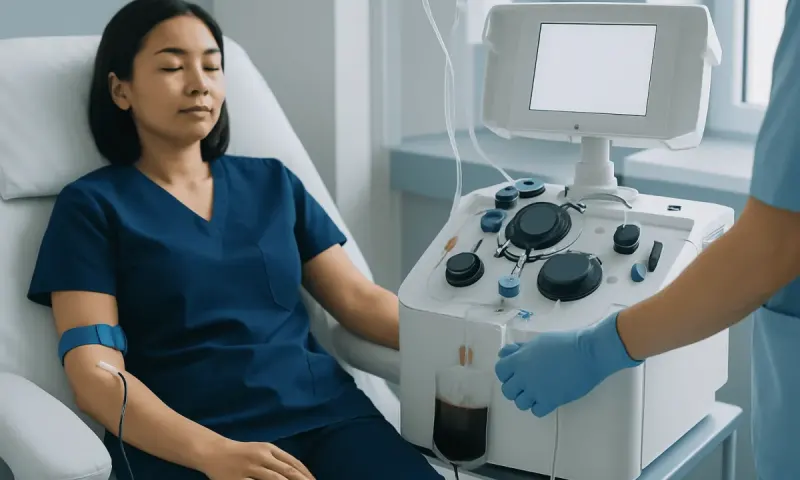
Hematoma vs bruise: How to Tell the Difference and When It Matters
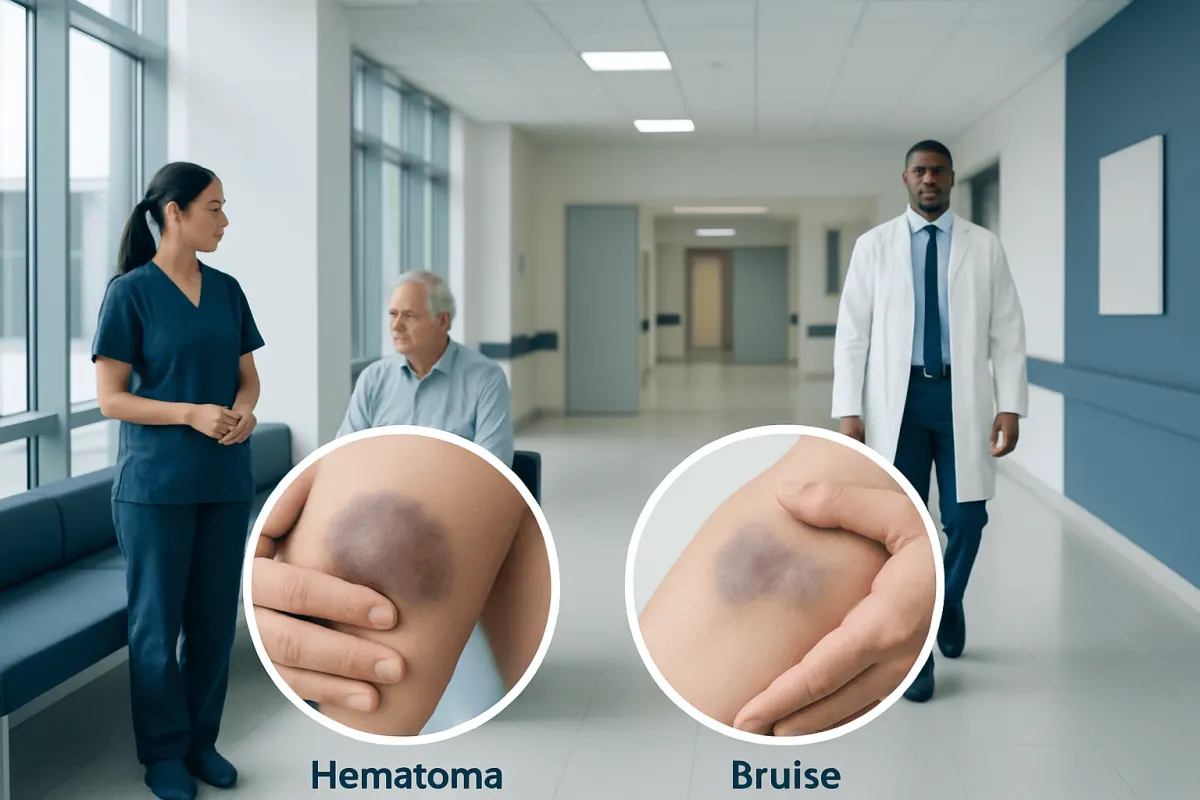
You bump your leg on a table, and a few days later there’s a dark mark. Is that a bruise, or something more? People often use the words interchangeably, and honestly, it can be confusing — both happen when blood leaks from damaged blood vessels after an injury.
Here’s the simple way to think about it: a bruise is usually a flatter, more superficial discoloration. A hematoma is a more localized collection of blood that often causes a lump, deeper pain, or swelling.
Overview: hematoma vs bruise at a glance
The real difference comes down to depth — and what the leaked blood does once it’s out of the vessel. A bruise, also called a contusion, happens when small blood vessels break and blood seeps into the skin or tissues close to the surface. A hematoma forms when blood collects in a more defined pocket within tissue, muscle, or another body space.
Both can happen after a bump, fall, sports injury, blood draw, or procedure. Both may cause discoloration, tenderness, and swelling. A hematoma, though, tends to feel raised, firm, or deeper — and it can hurt more, because the trapped blood puts pressure on the tissue around it.
Here’s how they compare, side by side:
- Appearance: A bruise is often flat or only mildly swollen; a hematoma may look more swollen or form a noticeable lump.
- Depth: A bruise is usually closer to the skin surface; a hematoma is often deeper in soft tissue or muscle.
- Pain: Bruises are commonly sore to touch; hematomas may cause stronger aching, pressure, or throbbing.
- Color changes: Bruises often change from red-blue-purple to green-yellow as they heal; hematomas may also discolor the skin but can remain darker and swollen longer.
- Healing time: Small bruises often improve over days to 2 weeks; hematomas may take longer, especially if large or deep.
- Medical concern: A simple bruise is usually minor; a hematoma is more likely to need evaluation if it is large, painful, or affects movement.
In daily life, the term “bruise” is often used for both. Clinically, the distinction matters because a hematoma can sometimes signal a deeper injury, ongoing bleeding, or pressure on nearby structures.
How a clinician tells them apart
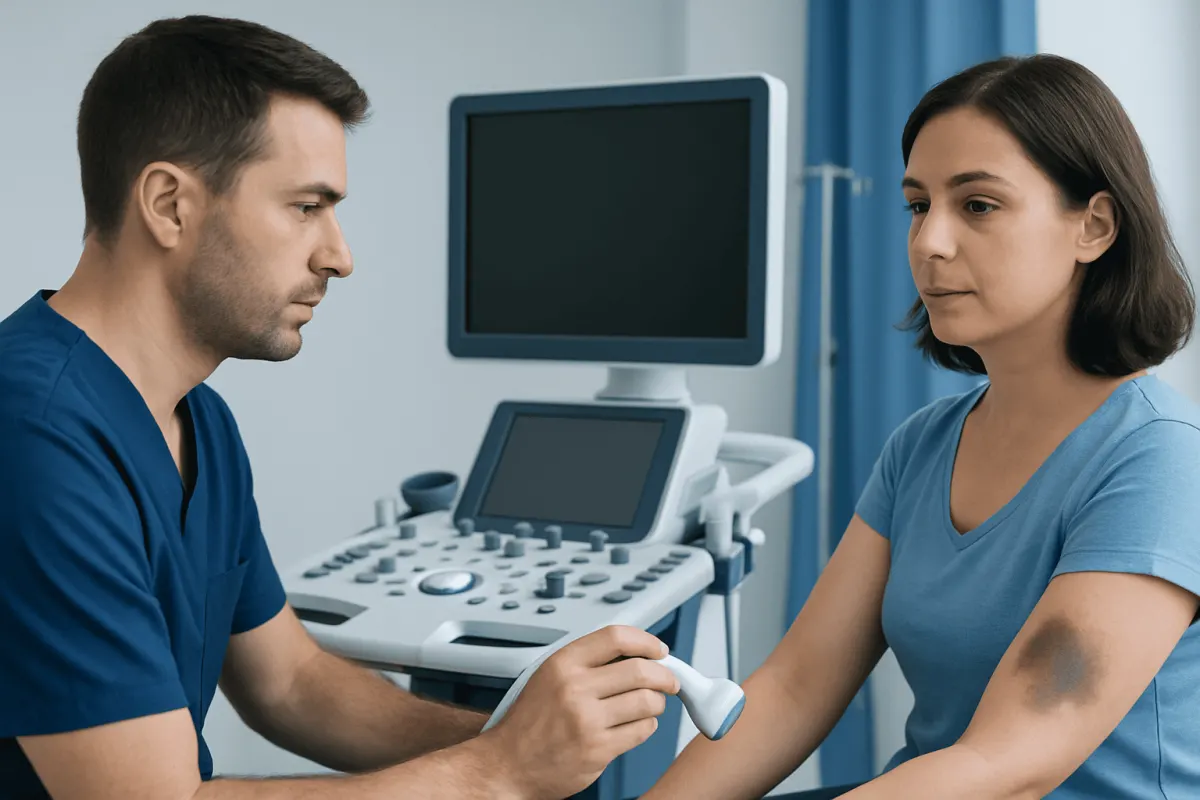
When I examine a patient, color is only part of the picture. What I really want to know is the story: how the injury happened, where it is, how fast the swelling came up, and whether there’s a lump or deeper tenderness. A small mark after a minor bump is usually straightforward, but symptoms that seem out of proportion to the injury deserve closer attention.
On physical exam, a bruise is often spread over a broader area and feels soft or mildly tender. A hematoma may feel more localized, firmer, or fluctuant, meaning it may seem like a pocket under the skin. If it sits within a muscle, the skin discoloration may be limited at first, while pain and tightness are more prominent.
Doctors also consider whether the area affects function. Trouble bending a joint, difficulty walking, numbness, severe pain, or increasing swelling can suggest a larger hematoma or another injury such as a muscle tear, fracture, or vascular problem. In some cases, symptoms overlap with other soft-tissue conditions, and clinicians may consider imaging if there is concern for a deeper injury.
If the swelling follows a significant trauma, surgery, or an anticoagulant medication, the threshold for evaluation is lower. Depending on the body area involved, a doctor may arrange an ultrasound, X-ray, CT, or MRI to look more closely, especially if there is concern about bleeding into muscle, around a joint, or inside the body.
Symptoms and signs: what each one feels like

A typical bruise causes tenderness, skin discoloration, and mild swelling. It may start red or purple and gradually turn blue, green, and yellow as the blood breaks down and is reabsorbed by the body. Most bruises are sore when pressed but become less painful over several days.
A hematoma can share these features, but it more often causes a distinct swollen area, firmness, warmth, or a deeper ache. Some people describe a sense of pressure or tightness rather than only surface soreness. If the hematoma is inside a muscle, pain may increase when the muscle is used or stretched.
Where it happens matters a great deal. A small skin bruise on your shin is a very different thing from a large hematoma in the thigh, abdomen, or scalp. Certain hematomas can be more serious because they happen in enclosed spaces or near important structures. For example, a collection of blood under the nail can be very painful, and bleeding inside the head is a medical emergency rather than a routine bruise.
If symptoms include fainting, severe headache, vomiting, confusion, shortness of breath, abdominal pain, or rapidly worsening swelling, the problem may be more than a simple bruise. Don’t wait these out — get seen urgently so a doctor can rule out internal bleeding or other complications.
Causes and risk factors
The most common cause of both bruises and hematomas is injury. Falls, sports collisions, direct blows, lifting injuries, and minor accidents can all break small blood vessels. Medical procedures such as injections, blood tests, IV placement, and surgery may also lead to localized bleeding under the skin or deeper in tissue.
Some people bruise or bleed more easily than others. Blood-thinning medicines, antiplatelet drugs, corticosteroids, and certain supplements can increase the chance of larger bruises or hematomas. Aging also makes bruising more common because the skin becomes thinner and blood vessels more fragile.
Bleeding or clotting disorders can raise the risk of more frequent or unexplained bruising. A clinician may consider underlying conditions if bruises appear often, develop without clear injury, or come with gum bleeding, nosebleeds, or unusual fatigue. In that setting, a person may need evaluation for a bleeding disorder such as hemophilia or another blood-related condition.
Deeper hematomas may also happen with muscle tears, fractures, or more significant trauma. Sometimes what seems like a simple bruise is actually part of a larger injury. If there is marked swelling, inability to bear weight, or significant loss of movement, doctors may also look for a fracture or soft tissue injury that needs specific care.
Diagnosis and when tests are needed
Most ordinary bruises do not need tests. A doctor can usually diagnose them by asking what happened and examining the area. The pattern of color change, mild tenderness, and gradual improvement is often enough to confirm a simple contusion.
Testing becomes more likely when the injury is severe, the swelling is large, the pain is significant, or symptoms are not improving as expected. If a deeper collection of blood is suspected, ultrasound can help identify a hematoma and show its size and location. X-rays may be used if there is concern about a broken bone, while CT or MRI may be needed for certain head, abdominal, or muscle injuries.
Blood tests may be considered if bruising is frequent, unexplained, or excessive compared with the level of injury. These tests can help assess blood counts and clotting function. In some cases, bruising may be part of a broader picture involving platelets or other blood disorders that deserve medical follow-up.
If the concern is not limited to the skin, clinicians may evaluate for related conditions such as deep vein thrombosis when swelling, pain, and asymmetry suggest a clot rather than simple bruising. The right test depends on the body area, medical history, and the doctor’s findings during the exam.
What to do for each case
For a minor bruise, home care is often enough. Resting the area, applying a cold pack for short periods during the first 24 to 48 hours, using gentle compression if appropriate, and elevating the limb can help reduce swelling and discomfort. Most bruises fade on their own, and pain usually improves gradually.
A small, uncomplicated hematoma may also be managed conservatively at first, especially if a doctor has confirmed there are no signs of deeper injury. Resist the urge to massage it hard, strain it repeatedly, or rush back to sports — that can restart the bleeding or slow the healing. Warmth is sometimes used later in recovery, but early care typically focuses on limiting swelling.
If symptoms are more significant, treatment depends on the size and location of the blood collection. A doctor may monitor it, adjust blood-thinning medications under supervision, or recommend imaging and follow-up. Some larger or persistent hematomas need drainage or treatment of the underlying injury. If the area is associated with a major impact, evaluation may include MRI imaging or ultrasound assessment to clarify what is happening beneath the skin.
When bruising or hematoma occurs after an injury with severe pain, instability, or suspected fracture, management may expand beyond bruise care alone. In these cases, specialists may use tests such as X-ray imaging and create a treatment plan based on the injured bone, joint, or soft tissue. The goal is not only to manage the visible discoloration, but also to identify and treat the cause.
When to seek medical care
Medical attention is advisable if a bruise or suspected hematoma is unusually large, becomes more painful instead of improving, or limits movement in a limb or joint. A person should also seek care if swelling appears quickly, the area feels very tight, or numbness and tingling develop, as these may suggest pressure on nearby nerves or vessels.
Urgent care is especially important after a head injury, even if the outside bruise seems minor. Head trauma followed by headache, vomiting, confusion, drowsiness, weakness, seizures, or changes in vision requires prompt evaluation because internal bleeding can be dangerous. Similarly, abdominal pain, chest pain, shortness of breath, or fainting after trauma should not be dismissed as simple bruising.
People who take anticoagulants or have a known bleeding disorder should have a lower threshold for contacting a doctor. Repeated unexplained bruises, bruises in unusual places, or bleeding from the gums or nose may point to a medical issue rather than an isolated injury. And if the healing just doesn’t feel right to you, ask for an assessment. That’s a perfectly good reason to see a doctor.
If you’re an international patient with a significant soft-tissue injury or a bleeding concern, Acıbadem Health Point’s multidisciplinary specialists and JCI-accredited hospitals can diagnose and treat these conditions with the right imaging and medical care. Whatever you do, don’t sit on warning signs — timely assessment by a qualified clinician is what matters most.
Prevention and self-care during recovery
Not all bruises or hematomas can be prevented, but practical steps can lower risk. Using protective sports equipment, improving balance and home safety to reduce falls, and following safe lifting techniques can help prevent trauma. People who take blood thinners should use extra caution during physical activity and discuss any concerns about bruising with their doctor.
During recovery, it helps to monitor the area over time rather than focusing on color alone. A bruise may look dramatic but still be healing normally if pain and swelling are steadily improving. Taking occasional photos can be useful if a clinician later needs to judge whether the area is expanding or fading.
Self-care should stay gentle. Avoid repeatedly pressing on the area, intense stretching, or returning to contact sports too soon. If a healthcare professional recommends pain relief, it should be used as directed, especially in people with bleeding risks or other medical conditions.
Above all, trust the overall pattern. Gradual improvement is a good sign. But worsening pain, increasing firmness, fever, growing size, or loss of function? Stop treating it yourself and get medical advice.
Frequently asked questions
01Is a hematoma worse than a bruise?
Not always, but a hematoma is generally more likely to reflect deeper bleeding and may cause more swelling or pain than a simple bruise. Small hematomas can still heal on their own, while larger or painful ones may need medical evaluation.
02Can a bruise turn into a hematoma?
The terms overlap in everyday use, but a simple superficial bruise does not usually “turn into” a hematoma later. Rather, some injuries cause a deeper blood collection from the start, and the swelling or lump becomes clearer over time.
03How long does it take for a hematoma or bruise to heal?
Many minor bruises improve within days and fade over 1 to 2 weeks. Hematomas often take longer, especially if they are larger, deeper, or located in muscle, and some may persist for several weeks.
04Should a hematoma be massaged?
In general, vigorous massage is not recommended early on because it may irritate the tissue and potentially worsen bleeding or pain. It is safer to follow gentle self-care and ask a clinician for advice if the area is large or not improving.
05When is bruising a sign of something more serious?
Bruising deserves medical review if it happens often without clear injury, is unusually large, or comes with other bleeding symptoms such as nosebleeds or gum bleeding. It is also important to seek care if bruising follows a head injury or comes with severe pain, fainting, or trouble moving a limb.
06Do blood thinners make hematomas more likely?
Yes, anticoagulants and some other medicines can increase bleeding under the skin or in deeper tissues after even minor trauma. Anyone taking these medications should contact a doctor if swelling is rapidly increasing, pain is significant, or bruising seems out of proportion.
This article is for general information only and is not a substitute for professional medical advice. Please consult a qualified doctor about your individual situation.
Explore treatments in Turkey — costs, top hospitals & a free quote
JCI-accredited · board-certified surgeons · reply within 24h
Add us as a Preferred Source to see more of our trusted health content across Google Search, AI Overviews and Discover.