Facial Scar Care, Healing Timelines and Options

Scars for face are very common after acne, injuries, surgery or skin infections, and most are harmless as they gradually mature and fade. Good wound care, daily sun protection and timely medical advice for concerning changes can support the best possible healing.
Scars for Face: what to expect
Scars for face are common and are usually harmless signs that the skin has repaired itself after an acne spot, cut, burn, surgical incision or infection. They often look red, pink, brown or darker than surrounding skin at first, and may feel firm, raised, indented, itchy or tight. Most gradually become flatter, softer and less noticeable with time.
There is no single “normal” appearance because scars vary with the cause and depth of injury, skin tone, age, location and individual healing response. Facial skin has a good blood supply, which can support healing, but it is also frequently exposed to sunlight and movement, both of which can influence scar color and shape.
A scar cannot always be removed completely, but many scars can improve in color, texture, thickness or symptoms. The safest plan begins with allowing a wound to heal properly, protecting the area from ultraviolet light and seeking professional guidance when a scar is distressing, changing or causing functional problems.
The facial scar healing timeline
Healing takes place in stages. In the first days to weeks after an injury, the body closes the wound and inflammation may cause redness, swelling and tenderness. A new scar can then look more prominent for several weeks because collagen, a structural protein in the skin, is being produced.
During the following months, the scar usually enters a remodeling phase. It may become less red, less raised and more flexible, although this happens gradually rather than from one day to the next. Many scars show substantial improvement over 3 to 12 months. Deeper wounds, burns, complicated wounds and some surgical scars may continue to mature for 12 to 18 months or longer.
Acne scars follow a different pattern because they often result from inflammation and loss or excess of skin collagen rather than a single cut. Dark marks left after acne are not always true scars; they may be post-inflammatory pigment changes that fade over time. Persistent indentations, thickened scars or discoloration can be assessed as part of care for acne and its effects on the skin.
- Early scars: often red, dark, firm or mildly itchy.
- Developing scars: may change in thickness, color and sensitivity over several months.
- Mature scars: are typically paler, flatter and softer, though they can remain visible.
Why facial scars look different

Facial scars are described by their appearance and behavior. Flat scars may be lighter or darker than nearby skin. Atrophic scars are sunken or depressed, and are commonly associated with acne or chickenpox. Hypertrophic scars are raised but remain within the boundary of the original injury. Keloids are raised scars that extend beyond the original wound and may continue growing.
Skin pigment can also change after inflammation. In some people, a healing area becomes darker, while in others it becomes lighter. Sun exposure can make color differences more noticeable and can prolong uneven pigmentation. This is why consistent broad-spectrum sun protection is an important part of care for scars on exposed areas of the face.
Several factors may increase the chance of a more noticeable scar: a deep or contaminated wound, delayed healing, infection, repeated trauma or picking, high tension across a healing wound, severe inflammatory acne, burns, and a personal or family tendency to form raised scars. None of these factors means a troublesome scar is inevitable, but they can help guide prevention and follow-up.
Everyday care for a healing facial scar
Care depends on whether the skin is still open or has fully closed. An open wound should be kept clean and managed according to advice from a clinician. It should not be scrubbed, picked or treated with strong cosmetic products. Once the wound has fully closed and there is no drainage or scab, a clinician may advise simple scar-care measures appropriate to the individual situation.
Daily use of a broad-spectrum sunscreen with an SPF of 30 or higher can help limit darkening of a scar. Hats and shade offer additional protection. A plain moisturizer can reduce dryness and improve comfort. Silicone gel or silicone sheets are commonly recommended for certain raised or surgical scars, but they should be used only on intact skin and according to a clinician’s instructions.
It is best to avoid squeezing acne lesions, peeling scabs, using harsh exfoliants on healing skin, or applying irritants such as undiluted essential oils. Vitamin E and many home remedies have not reliably been shown to improve scars and may cause irritation or contact dermatitis. A gentle routine and patience are often more helpful than frequent changes in products.
Scar massage is sometimes suggested after surgery or injury, but timing and technique matter. It should only begin after the wound is completely healed and after the treating clinician confirms that massage is suitable, particularly near the eyelids, lips or nose.
How doctors assess and treat facial scars
A doctor usually begins by asking how the scar developed, how long it has been present, whether the original wound healed normally and whether there is pain, itch, drainage or continued growth. They examine the scar’s color, depth, firmness, location and effect on nearby structures. They may also ask about acne, previous treatments, medications, skin conditions and a history of raised scars in the person or family.
Testing is rarely needed for an uncomplicated scar. However, a clinician may investigate persistent inflammation, infection, an unusual lesion or a non-healing area. A close examination is especially important if an apparent scar changes rapidly, bleeds repeatedly or does not fit the history of a prior injury.
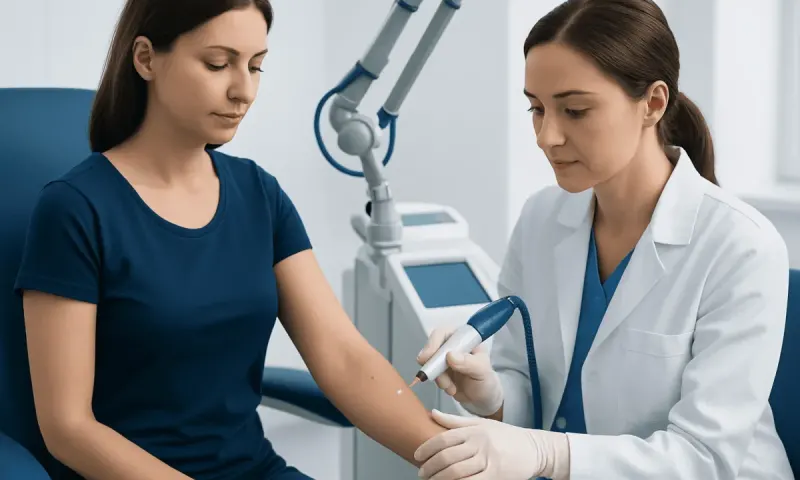
Treatment is individualized and may be delayed until a scar has had time to mature, unless it is causing symptoms or affecting function. Options can include silicone therapy, prescription topical treatment for pigment changes or acne, corticosteroid injections for selected raised scars, and carefully planned procedures such as laser treatment, microneedling, chemical reconstruction techniques, subcision, dermabrasion or scar revision surgery. laser treatment may help selected concerns involving redness, pigment or texture, but the right laser and timing depend on skin tone and scar type.
For deep, complex or functionally restrictive scars, a referral to dermatology, plastic surgery or another appropriate specialist may be recommended. Combining treatments is common, particularly for acne scars, because different scar types respond differently. Treatment goals should be realistic: improvement is often achievable, while complete disappearance is not always possible.
When to seek medical care
Most scars for face can be monitored while they mature. Medical review is advisable if a wound becomes increasingly painful, warm, swollen or red; produces pus or persistent drainage; opens after closing; or is accompanied by fever or feeling unwell. These features can suggest infection or delayed wound healing and should not be managed with cosmetic scar products alone.
A person should also arrange an assessment if a scar rapidly thickens, spreads beyond the original injury, becomes persistently painful or very itchy, limits movement around the mouth or eyelids, pulls on the nose, or affects vision. A facial injury from an animal or human bite, a deep cut, a burn, or a wound with embedded debris also deserves timely clinical evaluation.
Any new or changing spot that bleeds, crusts repeatedly, ulcerates or does not heal should be checked rather than assumed to be a scar. For non-urgent cosmetic concerns, an appointment can be helpful once the scar is healed and the person wants advice on expected progress or suitable treatments.
Support and specialist care
A noticeable facial scar can affect confidence, social comfort and emotional well-being. These reactions are understandable. Discussing concerns with a qualified clinician can clarify what changes are likely with time and whether treatment may help. Psychological support can also be valuable when appearance-related distress is affecting daily life.
Before pursuing a procedure, patients can ask what scar type is being treated, what improvement is realistic, how many sessions may be needed, what recovery involves and what side effects are possible. This is particularly important for people with darker skin tones or a history of pigment changes or raised scars, as treatment plans need careful tailoring.
Acıbadem Health Point’s multidisciplinary specialists and JCI-accredited hospitals diagnose and treat facial scar concerns for international patients, with care plans based on scar type, skin health and individual goals. A qualified clinician can help determine whether observation, skin care or a procedure is the most appropriate next step.
Frequently asked questions
01How long do scars for face take to fade?
Many facial scars become less red, flatter and softer over 3 to 12 months. Some deeper scars, burns and surgical scars can keep changing for 12 to 18 months or longer. The final appearance depends on the original injury, skin type, location and healing process.
02Can facial scars be removed completely?
Complete removal is not always possible because a scar is part of the skin’s repair process. However, appropriate care and professional treatments can often improve a scar’s color, thickness, texture or visibility. A clinician can explain what improvement is realistic for a particular scar type.
03What is the best cream for scars on the face?
There is no one cream that works best for every scar. Once the skin is fully healed, sunscreen, gentle moisturizing and, in some situations, silicone products may be useful. Prescription products or procedures may be more appropriate for acne scars, pigment changes or raised scars.
04Does sunscreen help facial scars?
Yes. Ultraviolet exposure can darken healing scars and make uneven color last longer, especially on the face. Broad-spectrum SPF 30 or higher sunscreen, along with hats and shade, helps protect the area while it matures.
05When can a scar be treated with a procedure?
The timing depends on the cause, location and behavior of the scar. Some concerns can be treated early, while others are best reassessed after several months of healing. A dermatologist or plastic surgeon can recommend a safe timeframe and treatment approach.
06Are acne marks the same as acne scars?
Not always. Red, pink, brown or dark marks after acne may be temporary pigment or vascular changes rather than permanent structural scars. Indented, raised or thickened areas are more likely to represent true scars and may benefit from a professional assessment.
This article is for general information only and is not a substitute for professional medical advice. Please consult a qualified doctor about your individual situation.
Explore treatments in Turkey — costs, top hospitals & a free quote
JCI-accredited · board-certified surgeons · reply within 24h
Add us as a Preferred Source to see more of our trusted health content across Google Search, AI Overviews and Discover.