Large Blackheads on the Back: Causes and Care
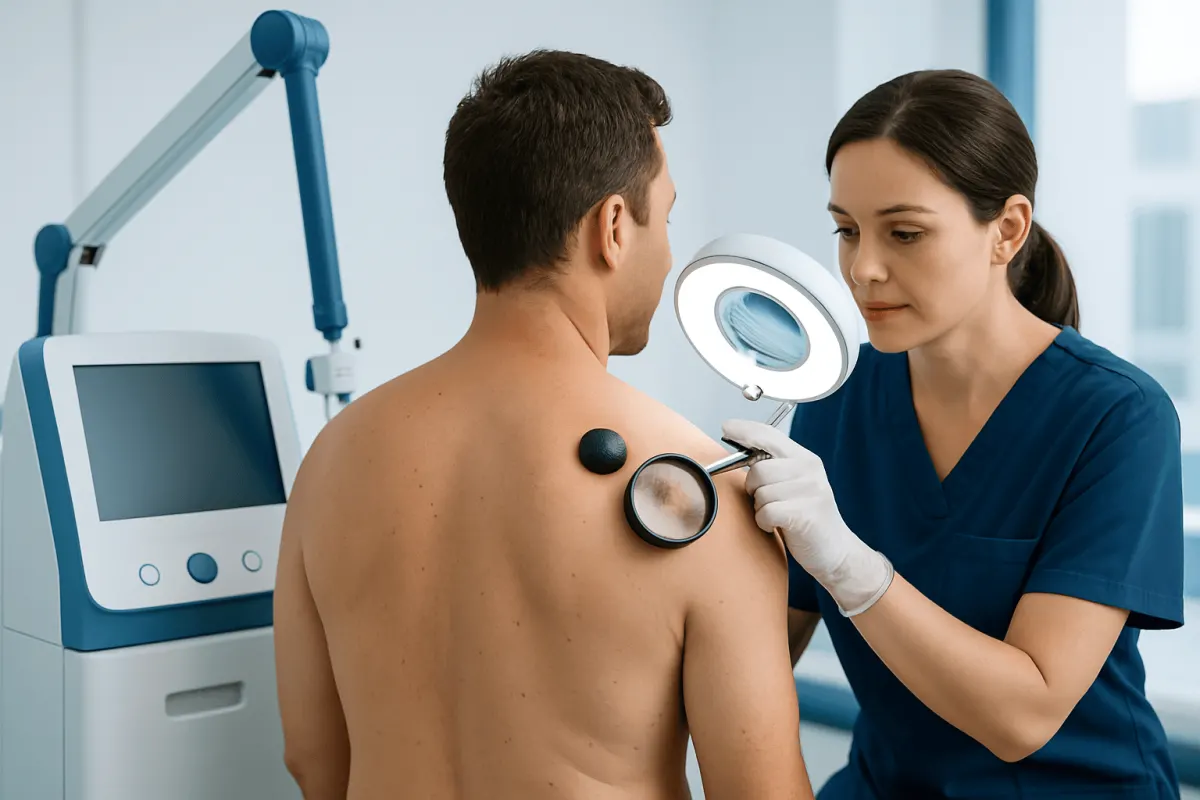
Super giant blackheads on back are usually unusually large open comedones: pores filled with oil and shed skin cells that darken when exposed to air. Although they are commonly harmless, a very large or persistent lesion may resemble a dilated pore or cyst and is best assessed by a dermatologist rather than squeezed at home.
Overview: What Are Super Giant Blackheads on Back?
Super giant blackheads on back is an informal term for very large, dark plugs in pores on the back. In most cases, these are open comedones, commonly called blackheads. They form when sebum (skin oil), dead skin cells, and sometimes hair or debris collect inside a pore. The material appears black because its surface oxidizes after contact with air; it is not a sign of poor hygiene.
Back skin has many oil glands and can be prone to acne-related clogged pores. A blackhead may look more noticeable there because the area is hard to inspect, cleanse, and treat consistently. Some people develop multiple blackheads, while others notice one unusually large, longstanding opening with a dark central plug.
Very large solitary lesions are not always ordinary acne. They may be a dilated pore of Winer, a benign enlarged pore containing keratin, or occasionally another condition that needs examination. A clinician can usually distinguish these possibilities by looking closely at the skin and discussing how long the lesion has been present.
Why Blackheads Become Large on the Back
A blackhead begins with blockage at the opening of a hair follicle. Oil production, buildup of dead surface cells, and changes in how skin cells shed can create a plug. When the follicle opening remains open, the top of the plug darkens through oxidation. This differs from a whitehead, where the opening is covered by skin.
Blackheads can enlarge gradually when the pore repeatedly fills or stays blocked for a long time. Friction and pressure from tight clothing, backpacks, sports equipment, or heavy sweating may aggravate acne-prone skin. Oil-based or pore-clogging body products can also contribute in some people. Hormonal changes, family tendency, and certain medicines may increase acne activity.
A large black plug does not necessarily mean the pore is infected. However, inflammation can develop if the follicle wall becomes irritated or breaks. This may lead to a tender red bump, pustule, nodule, or cyst-like lesion. The back can also develop acne with a mixture of blackheads and inflammatory spots.
It is important not to assume every dark spot is a blackhead. Some moles, cyst openings, enlarged pores, or healing lesions can look similar. A skin assessment is especially useful when a spot is new, unusual, changing, or repeatedly refilling after it has been removed.
What It May Look and Feel Like
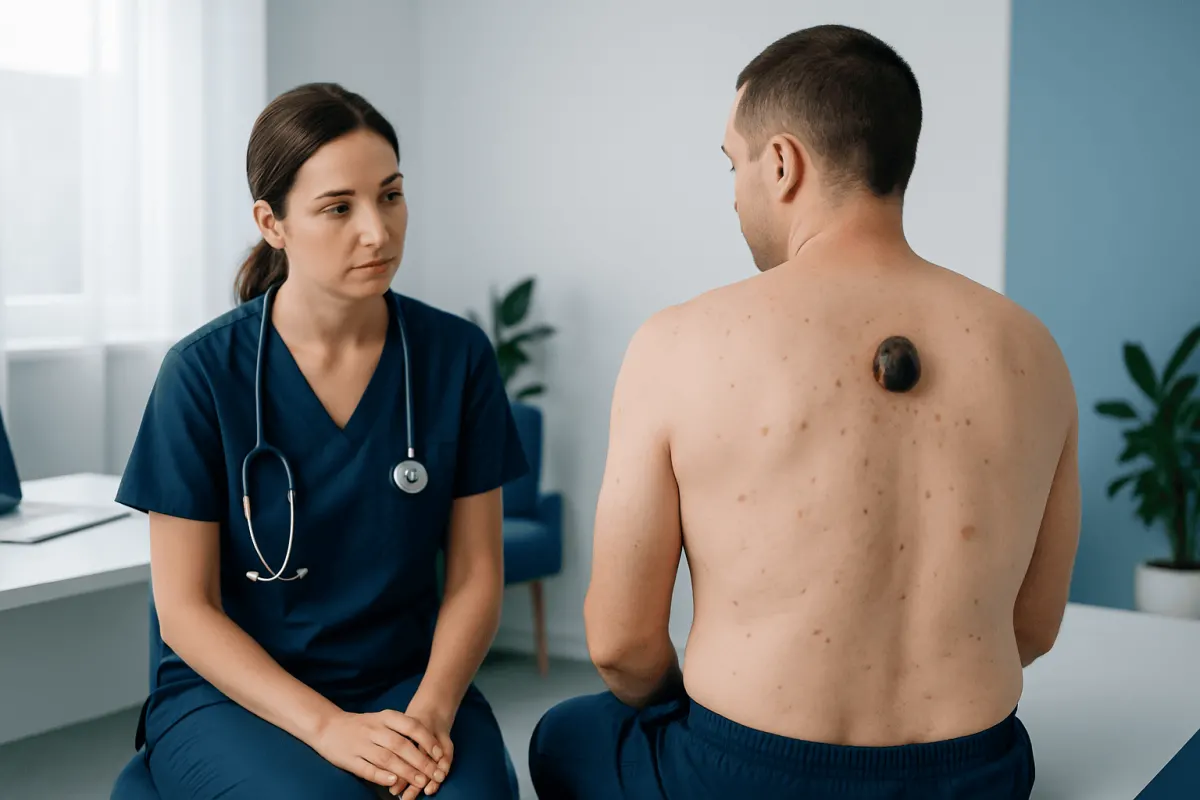
Large blackheads on the back often appear as a round, dark central plug within a visible pore. They may be flat or slightly raised and are often painless. When the surrounding skin is otherwise calm, a blackhead is generally not urgent. The size can range from a small pinpoint to a noticeably widened opening.
A dilated pore of Winer typically occurs as a single enlarged pore with a dark keratin plug, often on the trunk, face, or neck. It is benign but may persist because the pore structure itself has become enlarged. Removing only the plug may provide a temporary cosmetic improvement, but the pore can fill again.
Features that suggest inflammation include warmth, increasing redness, swelling, tenderness, drainage, or a soft lump beneath the skin. These changes can occur with inflammatory acne, an epidermoid cyst, folliculitis, or a skin infection. A healthcare professional should examine lesions with these features rather than relying on self-treatment.
- Typical blackhead: dark plug, open pore, little or no pain.
- Inflamed acne lesion: red, tender, swollen, sometimes with pus.
- Cyst-like lesion: deeper bump that may have a central opening and may drain.
- Changing pigmented spot: irregular color, shape, border, or growth requiring medical review.
How Clinicians Diagnose Large Back Blackheads
Diagnosis is usually clinical, meaning a dermatologist or other qualified clinician examines the lesion directly. They may ask when it appeared, whether it has changed, whether it hurts or drains, what skin products are used, and whether there is a history of acne or similar lesions. Good lighting and magnification can help identify a comedone and distinguish it from other skin conditions.
Most blackheads do not require blood tests, scans, or biopsy. If the appearance is atypical, the lesion repeatedly bleeds, or there is concern that it is not a simple clogged pore, the clinician may recommend further assessment. A biopsy is considered only when needed to clarify the diagnosis.
For widespread back acne, the assessment also considers the number and type of lesions, scarring, skin sensitivity, and possible triggers. This allows treatment to be matched to the person’s needs. The aim is not only to clear existing plugs but also to reduce formation of new ones and lower the risk of lasting marks.
Treatment Options and Safe Removal
For an isolated large blackhead that is not inflamed, a clinician may advise observation, topical acne treatment, or professional extraction. Professional extraction uses sterile instruments and appropriate technique to reduce trauma to the pore and surrounding skin. In some cases of a persistent dilated pore, a dermatologist may discuss a minor procedure to remove the enlarged pore structure, helping reduce recurrence.
For multiple blackheads or acne on the back, topical products that help normalize skin-cell shedding may be recommended. Options can include retinoid-based treatments, salicylic acid, or other acne therapies chosen according to skin sensitivity and whether inflammatory acne is also present. A clinician may recommend acne treatment when lesions are extensive, recurrent, painful, or causing scars.
Inflamed or infected-looking lesions need a different approach from routine extraction. Treatment may involve prescription medicines or a procedure to drain an abscess when clinically indicated. It is best not to use over-the-counter acids or acne products on broken, severely irritated, or draining skin without professional advice.
People should avoid squeezing a large blackhead, cutting it, or using needles, tweezers, and unsterile extraction tools. These methods can push material deeper, damage the skin, introduce bacteria, and lead to scars or dark marks. A dermatologist can discuss safe options, including dermatology assessment and treatment, when the diagnosis or removal method is uncertain.
Back-Skin Care to Help Prevent Recurrence
Regular, gentle skin care can help reduce blocked pores. Showering after heavy sweating, using a mild non-comedogenic cleanser, and changing out of damp workout clothing are practical measures. Vigorous scrubbing, rough exfoliating tools, and frequent picking can irritate the skin and may worsen breakouts.
When choosing lotions, sunscreens, and body products, products labeled non-comedogenic or oil-free may be useful for acne-prone skin. Loose, breathable clothing may reduce friction, particularly during exercise. Laundering shirts, bedding, and sports gear regularly can also help limit sweat and oil buildup against the back.
Results from acne-prevention products often take several weeks of consistent use. If dryness or stinging occurs, reducing frequency and using a gentle moisturizer may improve tolerability. Pregnant, trying to conceive, or breastfeeding individuals should ask a clinician before using retinoid-containing products.
Home care cannot reliably remove every large, longstanding plug or correct a structurally enlarged pore. When a lesion keeps returning, it is reasonable to seek dermatology advice rather than repeatedly attempting extraction.
When to Seek Medical Care
Medical care is advisable when a large back lesion is painful, increasingly red, warm, swollen, or draining pus or blood. Prompt review is also important if there is fever or the redness is spreading, as these symptoms can indicate infection. People with diabetes, immune suppression, or a history of severe skin infections should have concerning lesions assessed early.
A clinician should also examine a spot that changes in size, shape, or color; has uneven borders; repeatedly crusts or bleeds; or does not heal. These features do not mean a serious condition is present, but they should not be assumed to be a blackhead without an examination.
For persistent acne, frequent large blackheads, emotional distress about the skin, or scars, dermatology support can make a meaningful difference. Acıbadem Health Point’s multidisciplinary specialists and JCI-accredited hospitals diagnose and treat skin concerns for international patients.
Living With Back Blackheads: Practical Expectations
Blackheads are common and manageable, but they can be stubborn because pores naturally produce oil and shed cells. Treatment is usually focused on prevention and steady improvement rather than immediate, permanent pore closure. A single extraction may remove visible material, but it cannot guarantee that the pore will never refill.
It can help to take occasional photographs in consistent lighting if a lesion is being monitored, especially in a hard-to-see area such as the back. This may make changes easier to notice and describe during a medical appointment. Avoid repeatedly checking, touching, or picking the area, since mechanical irritation can prolong inflammation.
A personalized plan is most useful when large blackheads coexist with acne, cysts, scars, sensitive skin, or repeated infections. A qualified clinician can confirm the diagnosis and recommend treatments that balance effectiveness with skin safety.
Frequently asked questions
01Are super giant blackheads on the back dangerous?
Most large blackheads are not dangerous and represent an open pore blocked with oil and dead skin cells. However, a very large, changing, painful, or draining lesion may not be a simple blackhead. A clinician can confirm the cause and advise whether treatment is needed.
02Why is a blackhead black if it is not dirt?
The dark color occurs when material within an open clogged pore is exposed to air and oxidizes. It is not caused by dirt being trapped in the skin. Scrubbing harder will not remove the cause and may irritate the area.
03Can a giant blackhead be squeezed out at home?
Squeezing is not recommended, especially on a large or deep lesion. Pressure and unsterile tools can injure the skin, cause infection, and leave scars or dark marks. Professional assessment and extraction are safer when removal is appropriate.
04What is a dilated pore of Winer?
A dilated pore of Winer is a benign, enlarged pore that contains a dark keratin plug. It may look like a very large blackhead and commonly persists or refills after the plug is removed. A dermatologist can diagnose it and discuss treatment if it is bothersome.
05How can blackheads on the back be prevented?
Gentle cleansing after sweating, non-comedogenic body products, and avoiding tight or rubbing clothing may help. Consistent use of clinician-recommended acne products can reduce new clogged pores. Avoid picking or harsh physical exfoliation, which can worsen irritation.
06When should a back blackhead be checked by a doctor?
Seek medical advice if it becomes painful, red, warm, swollen, or starts draining. It should also be assessed if it rapidly changes, bleeds, has irregular color or borders, or does not heal. Persistent or recurrent large lesions are also reasonable reasons to book a dermatology visit.
This article is for general information only and is not a substitute for professional medical advice. Please consult a qualified doctor about your individual situation.
Hair transplant in Turkey — costs, graft counts & a free assessment
JCI-accredited · board-certified surgeons · reply within 24h
Add us as a Preferred Source to see more of our trusted health content across Google Search, AI Overviews and Discover.