Facial Redness: Finding the Best Treatment
The best treatment for redness on face is not one product or procedure: it is identifying the cause, protecting the skin barrier and using targeted treatment when needed. Temporary flushing may improve with gentle care and avoiding triggers, while persistent or recurring redness should be assessed by a qualified clinician.
Overview: Choosing the Best Treatment for Redness on Face
The best treatment for redness on face depends on why the skin is red. A simple, safe starting point is to pause irritating products, use a mild fragrance-free cleanser and moisturizer, apply broad-spectrum sunscreen daily, and seek medical advice if redness persists, returns often, or comes with bumps, burning, swelling, scaling, or eye symptoms.
Redness can be temporary, such as after exercise, emotional stress, sun exposure, hot weather, or a hot drink. It can also be a feature of skin conditions including rosacea, acne, contact dermatitis, eczema, seborrheic dermatitis, or infection. Because these conditions can look similar, the best treatment for redness in the face should be based on a careful history and skin examination rather than trialling multiple strong products.
Many people notice redness mainly on the cheeks, nose, forehead, or chin. The best treatment for redness on cheeks may include avoiding known triggers and protecting sensitive skin, but persistent cheek redness can also need prescription treatment. A dermatologist can help distinguish common causes and create a plan that fits the person’s skin type, symptoms, medical history, and preferences.
What Is the Difference Between Rosacea and Redness?
Redness is a visible skin sign, not a diagnosis. It occurs when blood flow near the surface of the skin increases or when inflammation affects the skin. It may be brief and harmless, or it may signal irritation, an allergic reaction, a chronic inflammatory condition, or another health concern.
Rosacea is one possible cause of facial redness. It is a long-term inflammatory skin condition that often affects the central face and may cause persistent redness, easy flushing, visible small blood vessels, burning or stinging, acne-like bumps, and sometimes thickening of the skin. Some people with rosacea also develop dry, gritty, watery, or irritated eyes.
Not everyone with red skin on the face has rosacea. For example, contact dermatitis may follow use of a new cosmetic or hair product; eczema often causes itch and dryness; acne can produce red inflamed spots; and sunburn follows ultraviolet exposure. A clinician can identify whether symptoms fit rosacea or another condition and can rule out less common causes when necessary.
Common Causes and Clues to Facial Redness

The pattern of redness can provide helpful clues. Flushing that comes and goes after heat, exercise, alcohol, spicy meals, stress, or hot beverages may occur in rosacea-prone or sensitive skin. Redness with dry scale or itching may suggest eczema, seborrheic dermatitis, or irritation from skin-care products. Redness with pimples, blackheads, or tender bumps may be related to acne or rosacea-like inflammation.
Skin products are a frequent, overlooked cause. Fragrance, essential oils, alcohol-based toners, abrasive scrubs, strong exfoliating acids, retinoids, and some acne products can damage a sensitive skin barrier and worsen redness. Cosmetic products, hair dye, shaving products, and topical medicines may also cause allergic or irritant contact dermatitis.
Sun exposure can trigger or intensify redness, particularly in people with rosacea or fair, sensitive skin. Less commonly, redness may be associated with bacterial, viral, or fungal infection, autoimmune disease, or reactions to medicines. This is why new, persistent, painful, or changing redness should be evaluated rather than assumed to be a cosmetic issue.
- Note when the redness starts, where it appears, and how long it lasts.
- Record potential triggers, including foods, beverages, weather, exercise, stress, and skin products.
- Take clear photographs during flare-ups if symptoms are intermittent.
What Is the Best Thing to Reduce Redness in a Face?
For many people, the best immediate approach is a simple skin-care routine that minimizes irritation. Wash with lukewarm rather than hot water and a gentle, soap-free cleanser. Pat the face dry instead of rubbing it, then apply a bland, fragrance-free moisturizer to support the skin barrier. Choose products labeled for sensitive skin, but stop using any product that stings, burns, or worsens redness.
Daily sun protection is particularly important. A broad-spectrum sunscreen with SPF 30 or higher can help prevent ultraviolet-related inflammation and may reduce flare-ups over time. Mineral sunscreens containing zinc oxide or titanium dioxide are often better tolerated by sensitive skin, although individual responses vary. Hats and shade provide additional protection.
Cool—not icy—compresses can briefly soothe warmth and discomfort. Avoid placing ice directly on the skin, vigorous rubbing, facial scrubs, and frequent use of masks or peels. If makeup is used, non-comedogenic and fragrance-free formulas may be less irritating, and green-tinted cosmetic products can temporarily neutralize visible redness without treating the underlying cause.
When redness is persistent or clearly linked to a diagnosed condition, prescription medicines or procedures may be more effective than over-the-counter products. A clinician can explain whether topical anti-inflammatory treatment, treatment for acne-like lesions, or another approach is appropriate.
How to Cure Redness on Face?
Whether facial redness can be cured depends on its cause. Redness from a short-lived irritant reaction, mild sun exposure, or a product that does not suit the skin may settle after the trigger is removed and the skin barrier recovers. In contrast, rosacea is usually a chronic condition. It may not have a permanent cure, but many people achieve good control with consistent skin care, trigger management, and medical treatment when needed.
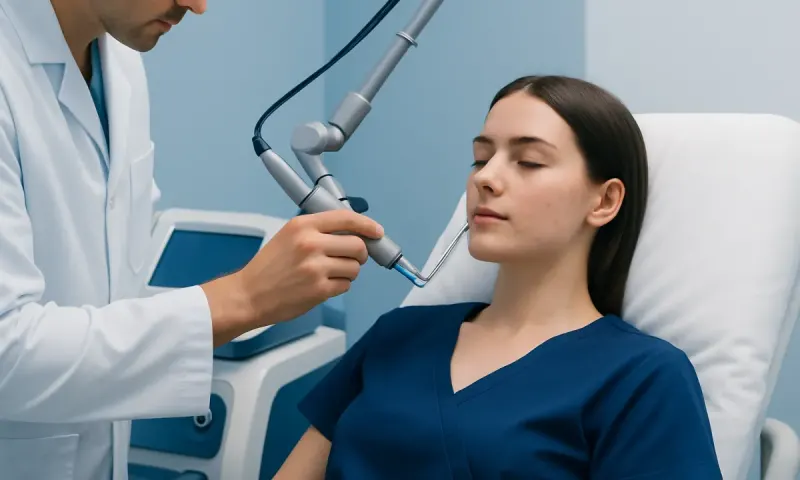
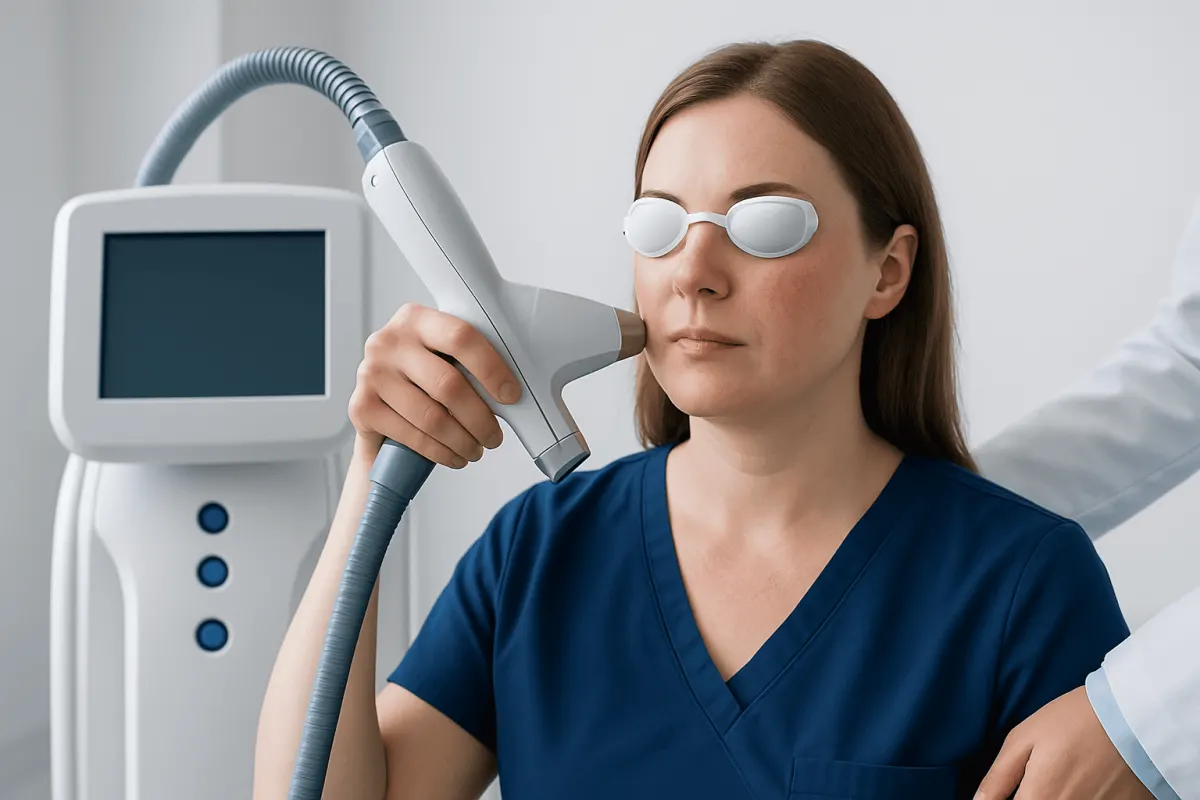
A clinician may recommend prescription topical medicines to reduce inflammation or acne-like bumps, and in selected cases oral medicines for more extensive inflammation. Visible blood vessels and persistent background redness may be treated with carefully selected light- or laser-based procedures in suitable patients. These options should be planned by an experienced dermatologist because treatment choice depends on skin type, symptoms, and the diagnosis.
It is important not to self-treat prolonged facial redness with topical corticosteroid creams unless a clinician specifically recommends them. Steroid products can be useful for some conditions for limited periods, but inappropriate use on the face can thin the skin and may worsen rosacea-like symptoms or perioral dermatitis.
A successful long-term plan often combines medical care with practical habits: gentle products, consistent sunscreen, realistic trigger avoidance, and follow-up if symptoms change. Improvement may be gradual, so treatment should be reviewed with a clinician rather than changed repeatedly after only a few days.
What Calms Rosacea Quickly?
During a rosacea flare, the quickest safe measures are usually to cool the skin gently, stop new or irritating products, and avoid personal triggers for the time being. A cool compress, a bland moisturizer, and time in a cooler environment may reduce the sensation of heat or stinging. Ice, harsh astringents, scrubs, and strong active ingredients can aggravate the skin and are best avoided.
Common triggers include sun exposure, high temperatures, hot showers, wind, spicy food, alcohol, hot drinks, intense exercise, and emotional stress. Triggers vary between individuals, so there is no need to avoid every possible trigger permanently. A diary can help identify repeat patterns and support practical changes that do not unnecessarily restrict daily life.
Some prescription treatments can temporarily reduce visible redness for certain people, while other treatments aim to control inflammation and bumps over time. A dermatologist should recommend these options because they are not suitable for every type of facial redness. If rosacea affects the eyes, prompt assessment is especially important, as eye-focused treatment may be needed.
For people seeking specialist assessment, Acıbadem Health Point’s multidisciplinary specialists and JCI-accredited hospitals diagnose and treat rosacea and other causes of facial redness for international patients.
When to Seek Medical Care
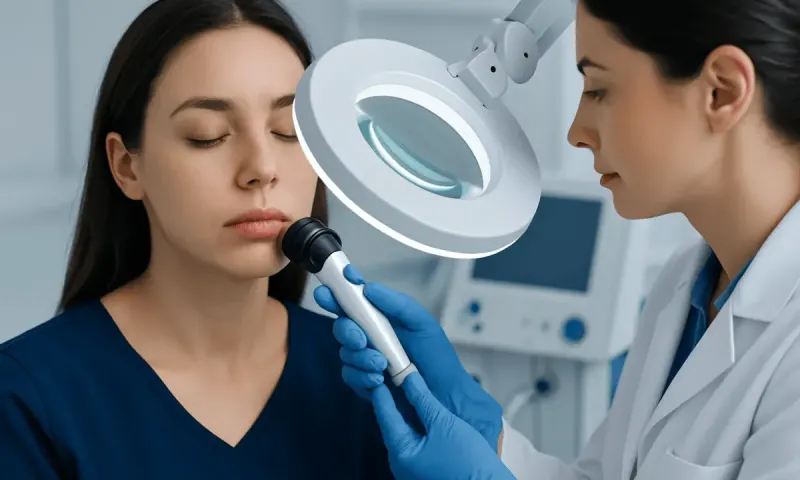
Medical assessment is appropriate when facial redness lasts longer than a few weeks, recurs frequently, causes burning, pain, itching, scaling, or acne-like bumps, or affects confidence and daily comfort. A doctor or dermatologist can assess the skin, review medicines and products, and recommend treatment that addresses the likely cause rather than only covering the redness.
Seek prompt medical care for redness with swelling of the lips, tongue, face, or throat; trouble breathing; widespread hives; high fever; severe pain; blisters; a rapidly spreading rash; or a red, warm, swollen area that may indicate infection. These symptoms can require urgent evaluation.
Eye symptoms should not be ignored. Arrange timely medical advice for red or painful eyes, persistent dryness or grittiness, sensitivity to light, blurred vision, eyelid swelling, or recurrent styes, particularly when these occur alongside facial flushing or rosacea symptoms.
A consultation is also useful before starting strong acne treatments, steroid creams, chemical peels, or energy-based procedures for red facial skin. Correct diagnosis helps ensure that treatment is safe and appropriate.
Frequently asked questions
01What is the best treatment for redness on face?
The best treatment depends on the cause of the redness. Gentle fragrance-free skin care, daily sun protection, and avoiding personal triggers are useful first steps, but persistent redness should be assessed by a dermatologist. Treatments may include prescription medicines or procedures when a condition such as rosacea is diagnosed.
02Can moisturizer reduce facial redness?
A gentle, fragrance-free moisturizer can help if dryness, irritation, or a weakened skin barrier is contributing to redness. It does not treat every underlying cause, but it may reduce stinging and improve skin comfort. Products that burn or sting should be stopped.
03Is redness on cheeks always rosacea?
No. Cheek redness can be caused by sun exposure, sensitive skin, eczema, acne, contact dermatitis, flushing, or other conditions. Rosacea is more likely when redness is persistent or recurrent and occurs with flushing, visible blood vessels, burning, or acne-like bumps.
04Should people with facial redness avoid exfoliation?
During active redness or irritation, physical scrubs and strong chemical exfoliants can worsen inflammation. Some people may later tolerate carefully selected products, but this should be introduced slowly and ideally discussed with a dermatologist if redness is ongoing. A simple routine is usually safer while the cause is unclear.
05How long does it take for facial redness to improve?
Temporary redness from mild irritation may improve within days after the trigger is removed. Chronic conditions such as rosacea often improve gradually over several weeks with a suitable treatment plan. The timeline depends on the cause, severity, and consistency of skin care and medical treatment.
06When is facial redness an emergency?
Emergency assessment is needed if redness occurs with difficulty breathing, swelling of the lips or tongue, severe facial swelling, widespread hives, high fever, rapidly spreading rash, or severe pain. Urgent care is also important for significant eye pain, vision changes, or marked light sensitivity.
This article is for general information only and is not a substitute for professional medical advice. Please consult a qualified doctor about your individual situation.
Explore treatments in Turkey — costs, top hospitals & a free quote
JCI-accredited · board-certified surgeons · reply within 24h
Add us as a Preferred Source to see more of our trusted health content across Google Search, AI Overviews and Discover.