Laser Treatment for Pimples: Benefits and Recovery
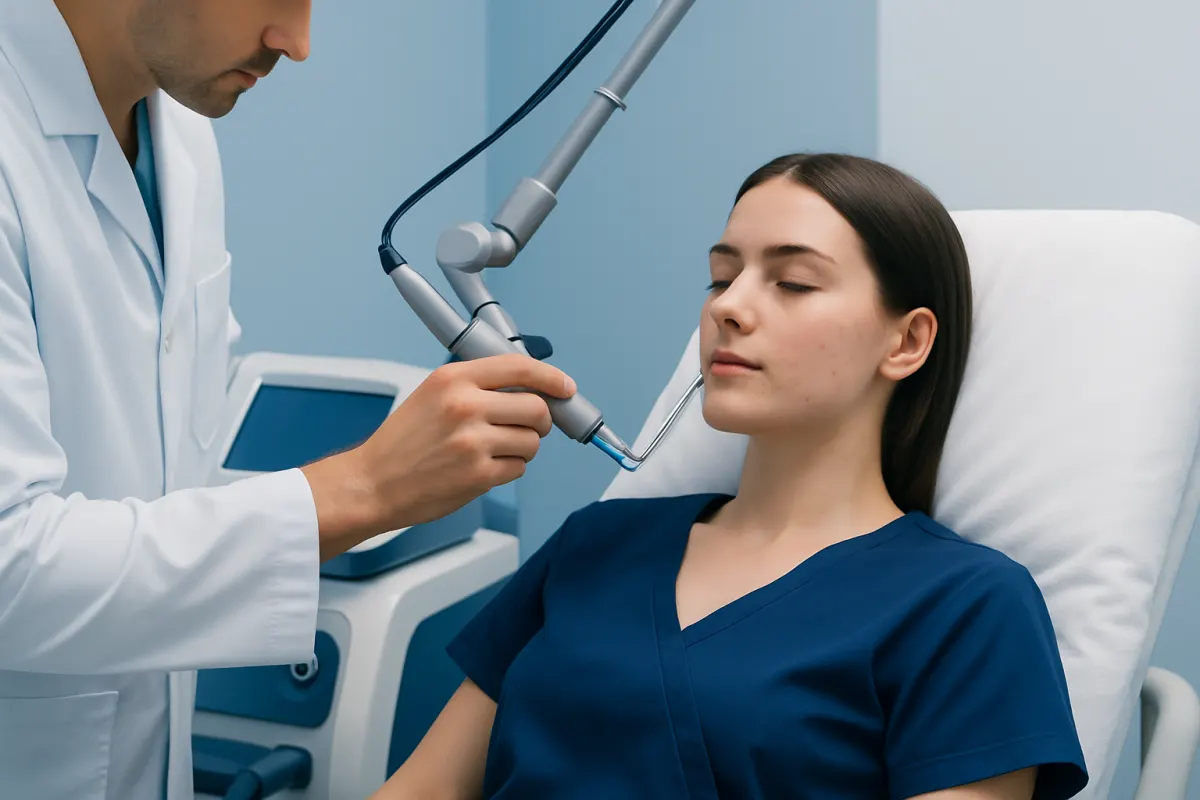
Laser treatment for pimples uses targeted light energy to help reduce acne-related inflammation, bacteria and oil production in some patients. It may improve active breakouts as part of a broader dermatology plan, but it does not guarantee permanent acne clearance or replace appropriate skin care and medication when these are needed.
Overview: Laser Treatment for Pimples
Laser treatment for pimples is an in-office dermatology procedure that uses focused light energy to target processes involved in acne. Depending on the device, treatment may reduce inflammation, affect acne-associated bacteria, decrease activity in oil glands, or improve redness left by healing spots. It is most often considered for inflammatory acne, such as red papules and pustules, rather than as a first-line treatment for every type of pimple.
There is no single “acne laser.” Lasers, intense pulsed light (IPL), photodynamic therapy and other energy-based treatments differ in their wavelengths, intensity and intended effects. A dermatologist chooses an approach after assessing the severity and pattern of acne, skin tone, tendency to pigment changes or scarring, current medicines and previous treatment response.
For many people, laser treatment is an adjunct rather than a stand-alone cure. A plan may also include non-comedogenic skin care, topical medicines, oral medicines or hormonal treatment where appropriate. Active acne can also coexist with marks and scars, which may need different management than current breakouts.
Who May Benefit and How the Procedure Is Planned
A clinician may discuss laser treatment when acne remains active despite consistent topical care, when standard medicines are poorly tolerated, or when a person needs an additional option for inflammatory breakouts. It can also be considered for people who have acne-related redness. Comedonal acne, which mainly causes blackheads and whiteheads, may respond better to medicines that unclog pores, such as topical retinoids.
Before treatment, the dermatologist reviews skin type, recent tanning, history of cold sores, pregnancy status where relevant, and medicines that can increase light sensitivity. People using or recently having used certain acne medicines may need special timing or a different approach. A patch test or conservative settings may be used in people with darker skin tones or a history of post-inflammatory hyperpigmentation.
During a session, the skin is cleansed and protective eyewear is worn. Some devices use cooling, and a topical anesthetic may be offered for more intensive treatments. The procedure commonly lasts minutes to about an hour, depending on the area and technology used. Most treatment plans involve a series of visits spaced over several weeks, with follow-up based on response.
For a complete assessment of persistent breakouts, a dermatologist may also evaluate whether the symptoms fit a related skin condition, including acne vulgaris, and whether medical treatment should accompany a procedure.
What Does Skin Look Like Immediately After Laser?
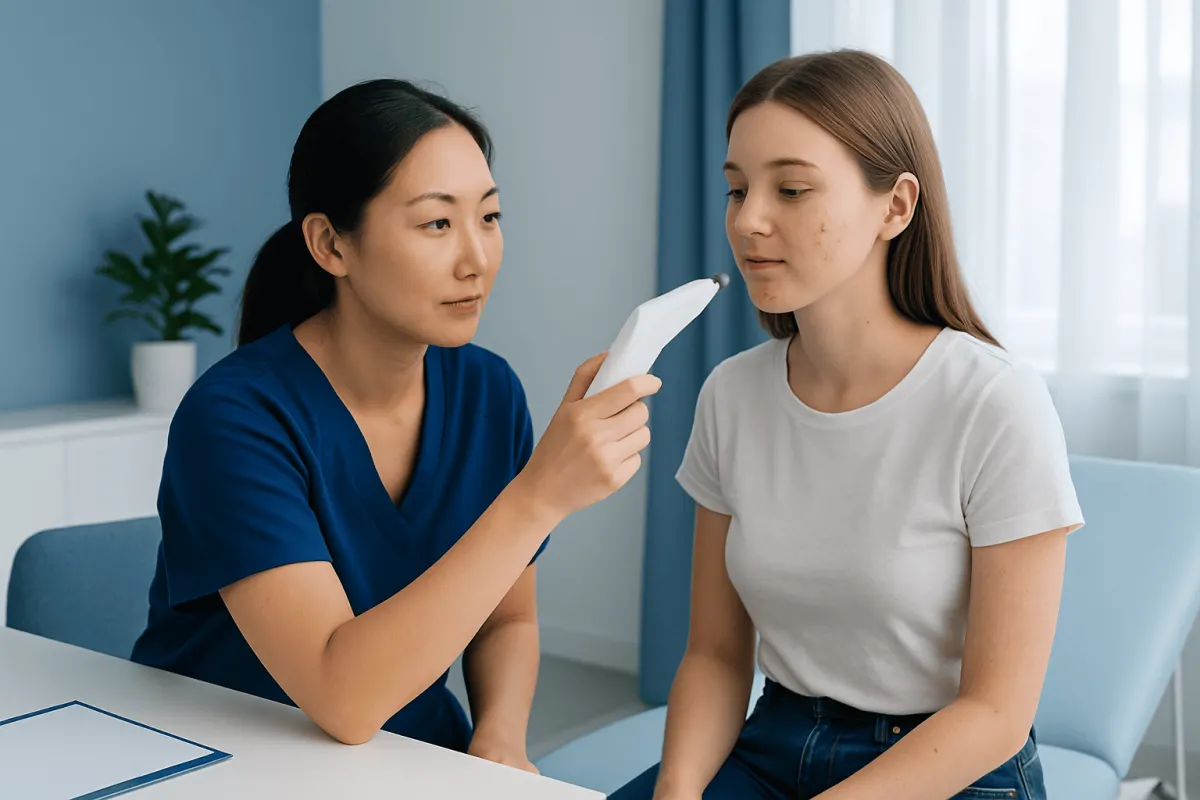
Immediately after laser treatment, the skin commonly looks pink or red and may feel warm, similar to a mild sunburn. Mild swelling, tenderness or a tight sensation can also occur, especially in acne-prone areas that were already inflamed. These effects usually settle over hours to a few days, but the timeline depends on the device and treatment intensity.
Some treatments may cause temporary darkening of existing spots, pinpoint crusting, flaking or small areas of bruising. These changes should not be picked or scrubbed. After more intensive resurfacing procedures, redness and peeling can last longer, and the clinician will provide more detailed wound-care instructions.
In people with deeper skin tones, irritation can sometimes be followed by temporary darkening or lightening of the skin. Careful device selection, appropriate settings and strict sun protection help reduce this risk. Blistering, increasing pain, spreading swelling, pus, fever or rapidly worsening redness are not expected recovery effects and should be reported promptly to the treating clinic.
How Painful Is Acne Laser?
Acne laser treatment is usually described as tolerable rather than severely painful, but comfort varies by device, treatment setting and individual sensitivity. Many people feel brief warmth, prickling or a snapping sensation as the laser pulses. Cooling systems, cold air or a cooled treatment tip can make sessions more comfortable.
More intensive laser procedures can cause stronger heat and stinging sensations. In these cases, a clinician may use topical numbing cream and discuss the expected level of discomfort before treatment. The skin may remain sensitive for a short time afterward, but significant or escalating pain should be assessed rather than managed without medical advice.
It is important to tell the treatment team about a history of facial pain, anxiety during procedures, cold sores or reactions to topical anesthetics. They can adjust the plan, provide comfort measures and advise whether a particular laser approach is suitable.
Does Laser Get Rid of Pimples?
Laser treatment can reduce pimples for some people, especially inflamed acne lesions, but it does not reliably eliminate acne permanently. Acne is influenced by blocked pores, oil production, inflammation, bacteria, hormones and genetics. Because several factors can contribute at once, ongoing skin care or medication may still be needed after a course of laser sessions.
Improvement is usually gradual rather than immediate. Some people notice fewer inflamed spots or less redness after several treatments, while others experience modest benefit or need another approach. A clinician will assess progress over time and may revise the plan if new breakouts continue.
Acne scars are different from active pimples. Once active acne is controlled, procedures such as laser skin resurfacing may be considered for selected scar types. Resurfacing is not automatically appropriate during active, irritated acne, so timing should be decided with a dermatologist.
What Is the Success Rate of Acne Laser Treatment?
There is no single reliable success rate for acne laser treatment. Research uses different devices, treatment schedules and definitions of improvement, while acne severity and skin type vary widely between patients. For this reason, a percentage from one study or clinic cannot accurately predict an individual’s outcome.
Clinical studies suggest that some laser and light-based approaches can reduce inflammatory lesions for a period of time, particularly when used alongside standard acne care. However, responses range from substantial improvement to little noticeable change, and maintenance treatment may be needed. Stronger evidence supports established topical and oral acne medicines for many patients, while device-based care can be a useful complementary option in selected circumstances.
A helpful conversation with a dermatologist focuses on realistic goals: reducing active inflammation, decreasing the frequency of flares, improving redness, or preparing the skin for later scar treatment. They can explain the expected response for the proposed device, likely number of sessions, possible adverse effects and alternative treatments.
Recovery, Skin Care and Safety After Treatment
After laser treatment, gentle care is important. Patients are commonly advised to use a mild cleanser, a bland moisturizer and broad-spectrum sunscreen with appropriate sun protection. Makeup, fragranced products, exfoliating acids, retinoids, benzoyl peroxide and scrubs may need to be paused temporarily, depending on the procedure and the clinician’s instructions.
Avoid tanning, direct sun exposure, heat-heavy exercise, saunas and picking at flakes or crusts until the skin has recovered as advised. Cool compresses may ease warmth or mild swelling if recommended by the treatment team. Patients should not apply leftover prescription creams or home remedies to treated skin without checking first, as these can cause irritation.
Potential risks include burns, blistering, infection, acne flare, scarring and temporary or persistent pigment changes. These complications are uncommon when treatment is appropriately selected and performed, but no procedure is risk-free. Promptly contact the clinician if there is severe pain, blisters, rapidly spreading redness, drainage, fever or a concerning change in skin color.
Acıbadem Health Point’s multidisciplinary specialists and JCI-accredited hospitals can assess acne and discuss appropriate dermatology treatments for international patients.
When to Seek Medical Care
A person should arrange a dermatology assessment when pimples are painful, deep, widespread, leaving scars or dark marks, or not improving with appropriate over-the-counter care. Early treatment of nodules and cyst-like lesions can help reduce the risk of lasting scars. Acne that is causing distress, low confidence or avoidance of daily activities also deserves professional support.
Medical review is particularly important when acne begins suddenly in adulthood, becomes markedly worse, is associated with irregular periods or excess facial hair, or starts after a new medicine or supplement. These patterns may indicate factors that need evaluation beyond skin-directed treatment alone.
Urgent medical advice is appropriate for facial swelling, severe skin pain, fever, a rapidly spreading rash, signs of infection or a suspected severe reaction after a procedure. A qualified clinician can determine whether laser treatment is appropriate and help develop a safe, sustainable acne-management plan.
Frequently asked questions
01How many laser sessions are needed for pimples?
The number of sessions depends on the device, acne severity and the treatment goal. Many approaches are delivered as a series of treatments over several weeks, followed by a review of the response. A dermatologist can recommend a schedule after examining the skin.
02Can laser treatment make acne worse at first?
Temporary redness and irritation are common after treatment, and some people may notice a short-lived flare of breakouts. Persistent worsening, painful lesions, blisters or drainage should be discussed with the treating clinician. The treatment plan may need adjustment if acne continues to progress.
03Is laser treatment for pimples safe for dark skin?
It can be safe when the device and settings are selected carefully by an experienced clinician. Darker skin may have a higher risk of pigment changes after heat or inflammation, so pre-treatment assessment and sun protection are especially important. Not every laser or light device is equally suitable for every skin tone.
04Can someone use acne medicine and have laser treatment?
Often yes, but the combination must be planned by a dermatologist. Some topical products and oral medicines can increase irritation or light sensitivity and may need to be stopped temporarily. Patients should provide a full list of prescriptions, over-the-counter products and supplements before treatment.
05How long does it take to see results from acne laser treatment?
Results are usually gradual and may become clearer over several weeks or after a course of sessions. The timing depends on the type of treatment and whether it is being combined with medicines or skin care changes. Laser treatment does not usually make all pimples disappear immediately.
06Can laser treatment prevent acne scars?
By helping control active inflammatory acne in selected patients, treatment may indirectly reduce the chance of new acne scars. However, no laser procedure can guarantee scar prevention, and prompt management of deep or painful lesions remains important. Existing scars generally require a separate assessment once active acne is controlled.
This article is for general information only and is not a substitute for professional medical advice. Please consult a qualified doctor about your individual situation.
Explore treatments in Turkey — costs, top hospitals & a free quote
JCI-accredited · board-certified surgeons · reply within 24h
Add us as a Preferred Source to see more of our trusted health content across Google Search, AI Overviews and Discover.