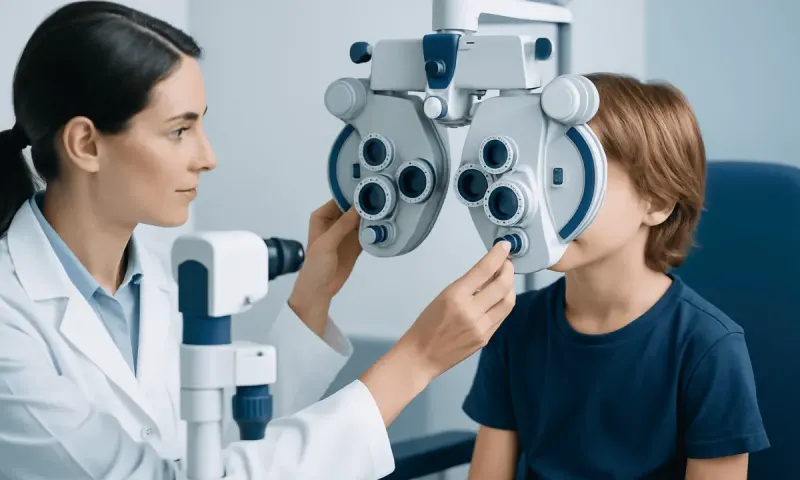
Eyesight Therapy: Symptoms, Causes, and Treatment Options
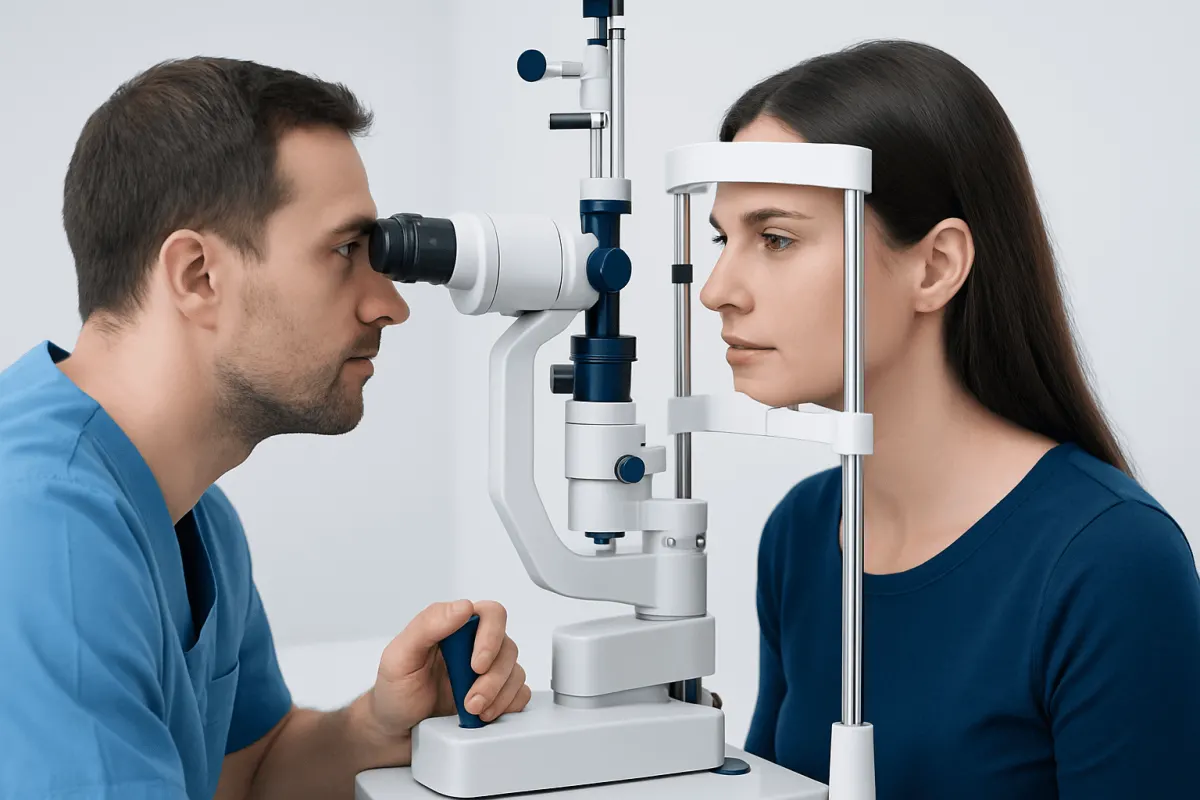
You have your glasses. Your prescription is up to date. And yet, twenty minutes into reading or working at a screen, your eyes ache, the words start drifting, and a headache settles behind your brow. Sound familiar?
Eyesight therapy is a structured approach used to improve specific visual skills such as focusing, eye teaming, tracking, and visual processing when these functions are reduced. It is not a cure-all for every eye condition. But for selected patients, after a full eye examination, it can be a helpful part of treatment.
Overview: What eyesight therapy means
You may hear it called vision therapy or visual rehabilitation. Whatever the name, it is a treatment plan built around you, aimed at improving how your eyes and brain work together. It is usually recommended for people with specific functional vision problems, such as difficulty focusing, poor eye alignment, reduced tracking, or symptoms that continue even after glasses are prescribed. The goal is not only to help a person see more clearly, but also to help the visual system work more comfortably and efficiently.
This type of therapy is different from routine eye care. Glasses or contact lenses correct refractive errors like nearsightedness or farsightedness, while eyesight therapy targets visual skills and visual comfort. Depending on the diagnosis, treatment may include supervised office-based exercises, structured home practice, special lenses, prisms, or rehabilitation techniques after illness or injury.
Eyesight therapy is not appropriate for every vision complaint, and it does not replace medical or surgical treatment when an eye disease is present. A full assessment by an ophthalmologist, orthoptist, optometrist, or neuro-ophthalmology team helps determine whether symptoms are caused by a functional issue, an eye disease, or a broader neurological condition. That distinction matters, because the right treatment always follows the cause.
Symptoms that may suggest a need for eyesight therapy
People who may benefit from eyesight therapy often report symptoms related to visual effort rather than just blurry sight. Common examples include eye strain while reading, headaches during near work, words appearing to move on the page, losing one’s place while reading, poor concentration during visual tasks, and difficulty shifting focus from near to far. Some patients also describe intermittent double vision or a sense that the eyes are not working together comfortably.
Children may show signs that are easy to mistake for learning or attention problems. They may avoid reading, use a finger to keep their place, tilt the head, close one eye, complain that schoolwork causes tired eyes, or perform below expectation on tasks that require sustained visual attention. In adults, symptoms may become more noticeable during screen use, driving, or work that involves prolonged close focus.
Symptoms can vary widely depending on the underlying problem. For example, eye coordination disorders may cause double vision or visual fatigue, while focusing problems may cause blur at near distances. Visual rehabilitation may also be considered after certain neurological events that affect eye movements or visual processing. Because some symptoms overlap with conditions such as cataract or retinal disorders, an examination is important before starting any program.
- Eye strain or headaches with reading
- Double vision or intermittent blurred vision
- Difficulty tracking moving objects or lines of text
- Trouble focusing between near and distant objects
- Poor depth perception or hand-eye coordination
- Visual problems after concussion, stroke, or other neurological illness
Causes and risk factors

Eyesight therapy is usually used when symptoms come from problems in visual function rather than a simple need for stronger glasses. Examples include convergence insufficiency, accommodative dysfunction, certain eye movement disorders, and visual processing difficulties. It may also be part of rehabilitation when vision symptoms continue after head injury or neurological disease. In these situations, the eyes themselves may be healthy, but the visual system is not coordinating normally.
Risk factors depend on the specific diagnosis. Some people are born with or develop subtle eye alignment problems that become noticeable during school years or adulthood. Long periods of near work can make symptoms more obvious in people who already have focusing or coordination weakness. Previous eye muscle imbalance, developmental factors, and neurological conditions can also contribute. In some cases, visual symptoms appear after surgery, trauma, or prolonged illness.
Some conditions will not respond to eyesight therapy on its own, and these need to be picked up early. Refractive error, amblyopia, glaucoma, cataract, diabetic eye disease, and retinal problems may require medical, laser, or surgical management. For example, cloudy vision from cataract may improve with cataract surgery rather than exercises, while vision loss from retinal disease may need specialized retinal care. The presence of an underlying disease does not always rule out rehabilitation, but it changes the treatment plan.
How doctors diagnose the underlying problem
Diagnosis begins with a detailed history. The specialist asks when symptoms occur, whether they are worse during reading or screen use, whether there is double vision, and whether there has been any injury, neurological event, or previous eye disease. For children, questions may include reading habits, school performance, and behavior during close work. A careful history often gives important clues about whether the problem is optical, muscular, neurological, or related to eye disease.
The eye examination may include visual acuity testing, refraction, assessment of eye alignment, focusing ability, eye movement control, depth perception, binocular vision, and examination of the front and back of the eye. If needed, imaging or neurological assessment may be added. This helps distinguish functional visual disorders from structural conditions such as retinal detachment or optic nerve disease, which require urgent or targeted medical attention.
When rehabilitation is being considered, the evaluation may also explore how visual symptoms affect daily life. Reading endurance, work performance, balance, visual comfort, and coordination may all be discussed. The result is a diagnosis-driven treatment plan rather than a one-size-fits-all set of exercises. That is one reason professional assessment is safer and more useful than unsupervised internet-based eye exercise programs.
Treatment options for eyesight therapy
Treatment depends on the diagnosis and the person’s age, symptoms, and visual demands. In some cases, the first step is simply correcting refractive error with glasses or contact lenses. In others, specially prescribed lenses or prism glasses are used to reduce strain, support eye alignment, or make binocular vision more comfortable. When a functional visual disorder is confirmed, a structured vision therapy or orthoptic program may be recommended.
Vision therapy typically involves a series of targeted activities designed to improve specific skills such as convergence, accommodation, tracking, fixation, and eye-hand coordination. These activities may be done in clinic under supervision and continued at home in a planned way. Progress is usually monitored over time, with exercises adjusted according to symptoms and measured improvement. For some patients with more complex eye alignment problems, treatment may also involve strabismus surgery if muscle imbalance cannot be managed adequately with nonsurgical methods alone.
If a medical eye condition is found, treating the underlying disease comes first. For example, some people with severe refractive or corneal problems may be evaluated for Eye Surgery: What It Treats and How It Works" class="ahp-ilk">laser eye surgery, while others need cataract or retinal treatment before any rehabilitation can be considered. Patients whose symptoms follow neurological injury may benefit from a multidisciplinary approach that combines visual rehabilitation with neurology or rehabilitation medicine. When advanced eye or neuro-visual assessment is needed, Acıbadem Health Point’s multidisciplinary specialists and JCI-accredited hospitals provide diagnosis and treatment for international patients.
- Prescription glasses or contact lenses
- Prism lenses for selected binocular vision problems
- Supervised vision therapy or orthoptic exercises
- Home-based visual practice as part of a specialist plan
- Treatment of underlying eye disease or neurological causes
- Surgery when structural or alignment problems require it
Self-care, daily habits, and realistic expectations
Self-care can support treatment, especially for people whose symptoms worsen during long periods of near work. Helpful habits include taking regular breaks during screen time, maintaining good lighting, using an appropriate reading distance, and following any home program exactly as prescribed. These measures can reduce strain, but they are supportive rather than curative when a diagnosed visual disorder is present.
Be honest with yourself about the timeline. Eyesight therapy is designed to improve specific visual skills over time, and progress may be gradual. Some people notice reduced strain and better visual endurance within weeks, while others require a longer course of care. Success depends on the accuracy of the diagnosis, the suitability of the treatment plan, and consistent participation in therapy.
Be wary of anyone promising that one simple exercise will naturally cure every vision problem. Evidence supports structured treatment for some conditions, but not for every complaint that causes blurred or tired vision. If symptoms change, worsen, or fail to improve, the treatment plan should be reviewed by the specialist rather than expanded without reassessment.
When to seek medical care
Prompt medical assessment is important for any sudden or unexplained change in vision. This includes sudden double vision, a rapid drop in sight, flashes of light, new floaters, a curtain-like shadow, severe eye pain, eye redness with reduced vision, or visual symptoms after head injury. These signs can point to urgent problems that should not be treated as routine eye strain.
A non-urgent appointment is also advisable when visual discomfort interferes with reading, school, work, driving, or screen use. Frequent headaches during visual tasks, persistent eye fatigue, or poor focusing despite up-to-date glasses deserve evaluation. Children should be assessed if they avoid reading, complain of visual discomfort, or show signs that suggest a vision-related learning difficulty.
If you already have an eye condition or a systemic disease such as diabetes, do not assume every new symptom is just tired eyes. Regular eye examinations remain important, especially if there is a history of eye disease, surgery, or neurological illness. Seeking timely care helps ensure that eyesight therapy is used appropriately and that serious causes are not missed.
Frequently asked questions
01What is eyesight therapy used for?
Eyesight therapy is used to improve certain visual skills, such as focusing, eye teaming, tracking, and visual comfort. It is usually recommended when these functions are reduced and are causing symptoms like eye strain, reading difficulty, or double vision.
02Is eyesight therapy the same as wearing glasses?
No. Glasses correct refractive errors such as nearsightedness, farsightedness, or astigmatism, while eyesight therapy works on how the eyes and brain coordinate visual tasks. Some people need both glasses and therapy as part of the same treatment plan.
03Can eyesight therapy help adults, or is it only for children?
Both adults and children may benefit, depending on the diagnosis. Adults often seek care for eye strain, double vision, or visual problems after injury, while children may be assessed for reading-related symptoms or eye coordination problems.
04Does eyesight therapy cure all vision problems?
No. It can be helpful for selected functional vision disorders, but it does not treat every cause of blurred or reduced vision. Conditions such as cataracts, glaucoma, retinal disease, or sudden vision loss require medical or surgical evaluation and treatment.
05How long does eyesight therapy usually take?
The length of treatment varies according to the condition being treated, the severity of symptoms, and how consistently the program is followed. Some people improve within weeks, while others need a longer period of supervised care and follow-up.
06Are home eye exercises enough on their own?
Home exercises may be useful when they are part of a professional treatment plan. However, doing unsupervised exercises without a diagnosis can delay proper treatment, especially if the real cause is an eye disease or neurological problem.
This article is for general information only and is not a substitute for professional medical advice. Please consult a qualified doctor about your individual situation.
Explore treatments in Turkey — costs, top hospitals & a free quote
JCI-accredited · board-certified surgeons · reply within 24h
Add us as a Preferred Source to see more of our trusted health content across Google Search, AI Overviews and Discover.