Crow’s Feet Around the Eyes: Treatment Options

Crows feet eyes are fine lines that develop at the outer corners of the eyes, commonly from repeated facial expressions, sun exposure and gradual skin changes. Non-surgical treatments can soften dynamic lines, while selected surgical procedures may help when loose skin or deeper folds are also present.
Overview: What Are Crows Feet Eyes?
Crows feet eyes, also called lateral canthal lines, are small lines that fan outward from the outer corners of the eyes. They become most noticeable during smiling, squinting or laughing because the muscles around the eyes repeatedly contract. These expression lines are a normal part of facial movement and ageing.
When the skin is young and resilient, it usually smooths after the expression ends. Over time, collagen and elastin decline, and lines may remain visible even when the face is at rest. Sun exposure, smoking, frequent squinting, inherited skin characteristics and environmental factors can all influence how early and how prominently they develop.
Crows feet procedures range from non-surgical treatments that relax active facial muscles or improve skin texture to surgery for associated loose skin or facial sagging. The most suitable option depends on whether the lines are mainly dynamic, meaning visible with expression, or static, meaning present at rest.
Symptoms, Appearance and Why These Lines Develop
Crow’s feet usually appear as fine, radiating lines beside one or both eyes. At first, they may be visible only with a broad smile or squint. Later, the lines can become deeper and remain visible in a relaxed face. The area may also develop uneven texture, sun-related pigment changes or reduced firmness.
The circular muscle around the eye, called the orbicularis oculi, is responsible for blinking and many facial expressions. Repeated movement folds the overlying skin. With age, the skin becomes thinner and less able to spring back, so these temporary folds can gradually become established wrinkles.
These lines are generally harmless and do not affect vision. However, sudden eyelid drooping, new facial weakness, eye pain, a red eye, marked swelling or visual change should not be assumed to be cosmetic ageing and needs medical assessment.
- Ultraviolet exposure can break down collagen and contribute to premature photoageing.
- Smoking is associated with reduced skin repair and more pronounced wrinkles.
- Dryness, allergies and uncorrected vision problems may encourage rubbing or squinting.
- Genetics, skin tone, facial expressions and lifestyle all affect the pattern of lines.
At What Age Do Most People Get Crow's Feet?

Many people first notice subtle crow’s feet in their late 20s or 30s, but there is no single age at which they begin. Some people develop them earlier because of strong facial expressions, substantial sun exposure, smoking, naturally thinner skin or family traits. Others may not notice them until their 40s or later.
The change is usually gradual. Dynamic lines during smiling are often the first sign, followed over years by lines that are visible at rest. Pregnancy, illness, weight changes, stress and changes in skin care can sometimes make existing lines look temporarily more noticeable, but they are not usually the sole cause.
Age alone does not determine whether treatment is appropriate. A clinician should consider the person’s skin quality, muscle activity, medical history, eye-area anatomy and goals. Preventive treatment is not medically necessary, and a conservative approach is often preferred when lines are mild.
Crows Feet Procedures: Non-Surgical and Surgical Options
The best crows feet procedure is individualized. For lines that mainly appear with smiling or squinting, botulinum toxin injections are commonly used to temporarily reduce activity in the outer eye muscle. Treatment is performed in a clinic and often takes only a short time. Results usually develop gradually over several days to two weeks and commonly last for several months, after which repeat treatment may be considered.
For lines that remain at rest, procedures that improve skin surface and collagen support may be useful. Depending on skin type and goals, options can include retinoid-based skin care, superficial or medium-depth chemical peels, microneedling, radiofrequency-based treatments or laser resurfacing. These treatments can improve texture and fine lines, but they require a tailored plan because the eyelid and eye area are delicate.
Dermal fillers are sometimes used cautiously to support volume loss in nearby areas, such as the temples or upper cheek, rather than directly filling every fine line. Injections around the eyes require particular expertise because this region has thin skin and important blood vessels. A clinician should explain benefits, limitations and uncommon but serious injection-related risks before treatment.
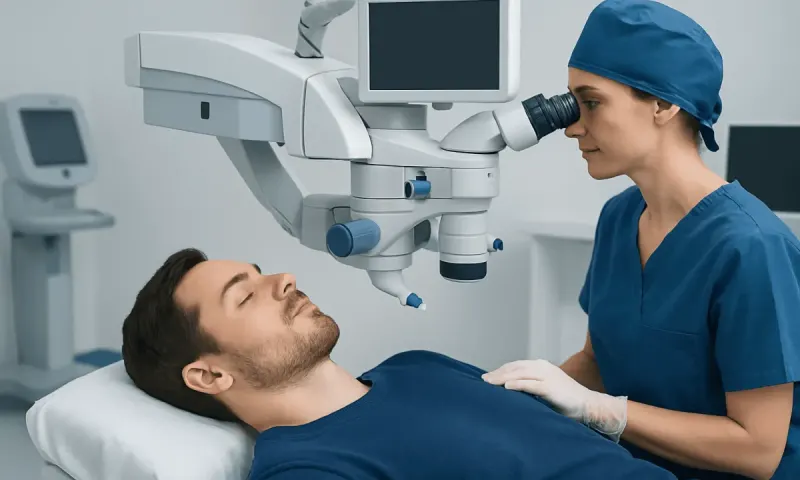
Crows feet reduction surgery or crows feet removal surgery is not usually a single, standard operation. Upper or lower eyelid surgery, called blepharoplasty, may address excess eyelid skin or lower-lid bags. A facelift or temple lift may be considered when broader facial laxity contributes to folds beside the eyes. Surgery can improve tissue position and loose skin but may not fully erase movement-related crow’s feet, so expectations should be realistic.
Is It Worth Getting Botox for Crows Feet?
For suitable adults, botulinum toxin treatment can be worth considering when crow’s feet are mainly caused by repeated muscle movement and the person would like a temporary, non-surgical improvement. It is one of the most established approaches for dynamic lines around the eyes. The goal is typically a softened, natural-looking expression rather than complete immobility.
Whether it is worthwhile depends on personal priorities, tolerance for temporary treatment and the likely balance of benefit and risk. A qualified injector assesses facial movement, eyelid position, eyebrow shape, existing asymmetry and eye-area anatomy. Over-treatment may create an unnatural appearance or affect nearby muscle function.
Common short-term effects include small injection-site marks, tenderness, swelling or bruising. Less commonly, there may be headache, uneven results, temporary eyelid or eyebrow drooping, dry Pink Eye Symptoms: Causes and Treatment" class="ahp-ilk">eye symptoms or changes in facial expression. Treatment should be postponed or reviewed carefully in people with certain neuromuscular conditions, active skin infection, pregnancy or breastfeeding, or a relevant allergy; a clinician can provide individualized guidance.
Botulinum toxin does not remove sun damage, loose skin or deep static creases by itself. Some people benefit from combining it with sun protection and a clinician-guided skin renewal treatment, provided the timing and suitability are carefully planned.
What Procedure Takes 10 Years Off Your Face?
No procedure can reliably or objectively take a fixed number of years off every face. Facial ageing involves skin texture, volume changes, bone structure, muscle activity, pigmentation and tissue descent, so results vary considerably. Advertising language about looking a certain number of years younger should be approached with caution.
When a person has substantial facial laxity, a facelift may produce a more noticeable and longer-lasting change than treatments directed only at crow’s feet. Eyelid surgery can also make the eye area look less heavy when excess skin or under-eye bags are contributing concerns. These are surgical decisions that require an in-person consultation, discussion of scars and recovery, and careful review of general health.
For early lines or isolated crow’s feet, less invasive options may be more appropriate and involve less downtime. Combining modest treatments, such as wrinkle-relaxing injections for movement and skin-directed care for texture, may produce balanced results without pursuing a dramatic change. The most appropriate plan is one that fits the person’s anatomy and preferences rather than a promised age reduction.
Recovery, Results and Crows Feet Surgery Before and After Expectations
Recovery depends greatly on the procedure. After wrinkle-relaxing injections, most people can resume usual activities promptly, though clinicians often advise avoiding rubbing the area and following individualized aftercare instructions. Bruising, if it occurs, typically settles over days. Effects are temporary and generally become apparent within about two weeks.
After resurfacing treatments, redness, sensitivity, dryness or peeling can occur. Recovery may range from a few days for a light treatment to longer for more intensive laser or peel procedures. Strict sun protection and clinician-recommended skin care are important while the skin heals, particularly to reduce the risk of pigmentation changes.
For crows feet surgery before and after expectations, swelling and bruising are common after blepharoplasty or lifting surgery and usually improve gradually over weeks. Incisions continue to mature over months. A surgeon can explain the expected recovery pattern, activity restrictions, scar care and warning signs based on the exact operation.
Before-and-after photographs can be useful for understanding the typical aim of a treatment, but they cannot predict an individual outcome. Images should be interpreted carefully because lighting, facial expression, makeup, healing stage and photo angle can make changes look greater or smaller.
Crows Feet Eyes Prevention and When to Seek Medical Care
Crows feet eyes prevention focuses on protecting skin and reducing avoidable contributors. Daily broad-spectrum sunscreen, sunglasses with UV protection, hats and avoiding deliberate tanning can reduce ultraviolet-related skin damage. Not smoking, maintaining adequate hydration, treating allergies that cause rubbing and using prescribed corrective lenses when needed may also help.
A gentle routine may include fragrance-free moisturizer and a retinoid or retinol product if appropriate for the person’s skin and medical circumstances. Retinoids can irritate the thin eye area, so products should not be placed too close to the eyelid margin, and professional advice is sensible for people with sensitive skin, eczema or eye conditions. Pregnant or breastfeeding individuals should ask a clinician before using retinoids.
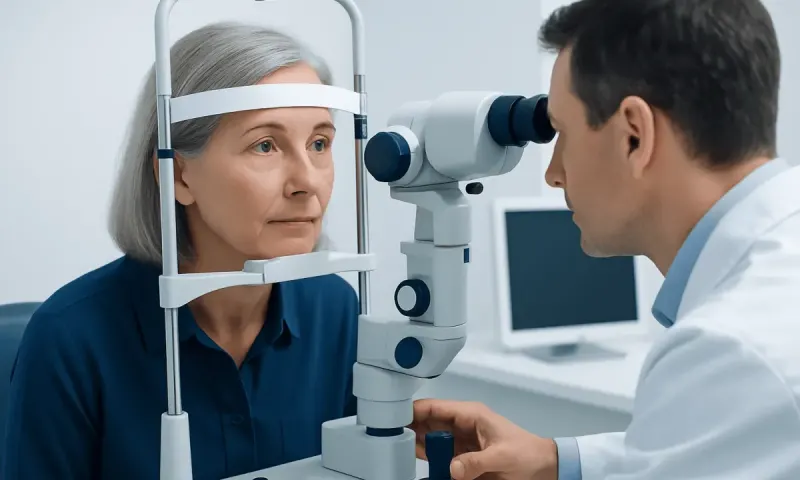
Medical care is appropriate for persistent eye irritation, pain, loss of vision, double vision, sudden eyelid drooping, a new lump, marked asymmetry, facial weakness or swelling that does not settle. For cosmetic concerns, consultation with a board-qualified dermatologist, plastic surgeon or oculoplastic surgeon can help distinguish normal ageing from problems requiring eye evaluation.
Acıbadem Health Point’s multidisciplinary specialists and JCI-accredited hospitals can assess eye-area ageing concerns and discuss appropriate treatment options for international patients.
Frequently asked questions
01What is the best procedure to get rid of crows feet?
There is no single best procedure for everyone. Wrinkle-relaxing injections are often used for dynamic lines that appear with smiling, while resurfacing treatments may help texture and fine lines at rest. Surgery may be considered when excess eyelid skin or facial laxity is also present, but it does not eliminate every expression line.
02How long do Botox results for crow’s feet last?
Results commonly last for several months, although the duration varies by person, treatment technique and muscle activity. Effects generally begin gradually and are usually most apparent by about two weeks. Repeat treatment is needed to maintain the effect.
03Can crow’s feet be removed permanently?
No treatment permanently stops facial movement or the natural skin ageing process. Surgery can provide long-lasting improvement in loose skin or tissue position, while injections and resurfacing treatments have temporary or variable-duration effects. Sun protection and healthy lifestyle habits may help maintain results.
04Does laser treatment work for crow’s feet?
Laser resurfacing can improve fine lines, skin texture and sun-related changes around the eyes in appropriately selected patients. It is generally more helpful for static lines than for wrinkles caused mainly by muscle movement. The eye area requires careful protection and treatment by an experienced clinician.
05Is crow’s feet surgery safe?
Surgical procedures such as blepharoplasty can be safe when performed by a qualified surgeon in an appropriate setting, but all operations carry risks. These can include bleeding, infection, scarring, dry eye symptoms, asymmetry and changes in eyelid position. A pre-operative assessment helps determine whether surgery is suitable.
06Can skin care prevent crow’s feet?
Skin care cannot completely prevent crow’s feet because facial expressions and natural ageing are unavoidable. However, daily sunscreen, UV-protective eyewear, not smoking and appropriate moisturization can help reduce avoidable skin damage. Clinician-guided topical treatments may also support skin quality.
This article is for general information only and is not a substitute for professional medical advice. Please consult a qualified doctor about your individual situation.
Explore treatments in Turkey — costs, top hospitals & a free quote
JCI-accredited · board-certified surgeons · reply within 24h
Add us as a Preferred Source to see more of our trusted health content across Google Search, AI Overviews and Discover.