Eye Surgery Covers Many Procedures, From Cataract to Retina
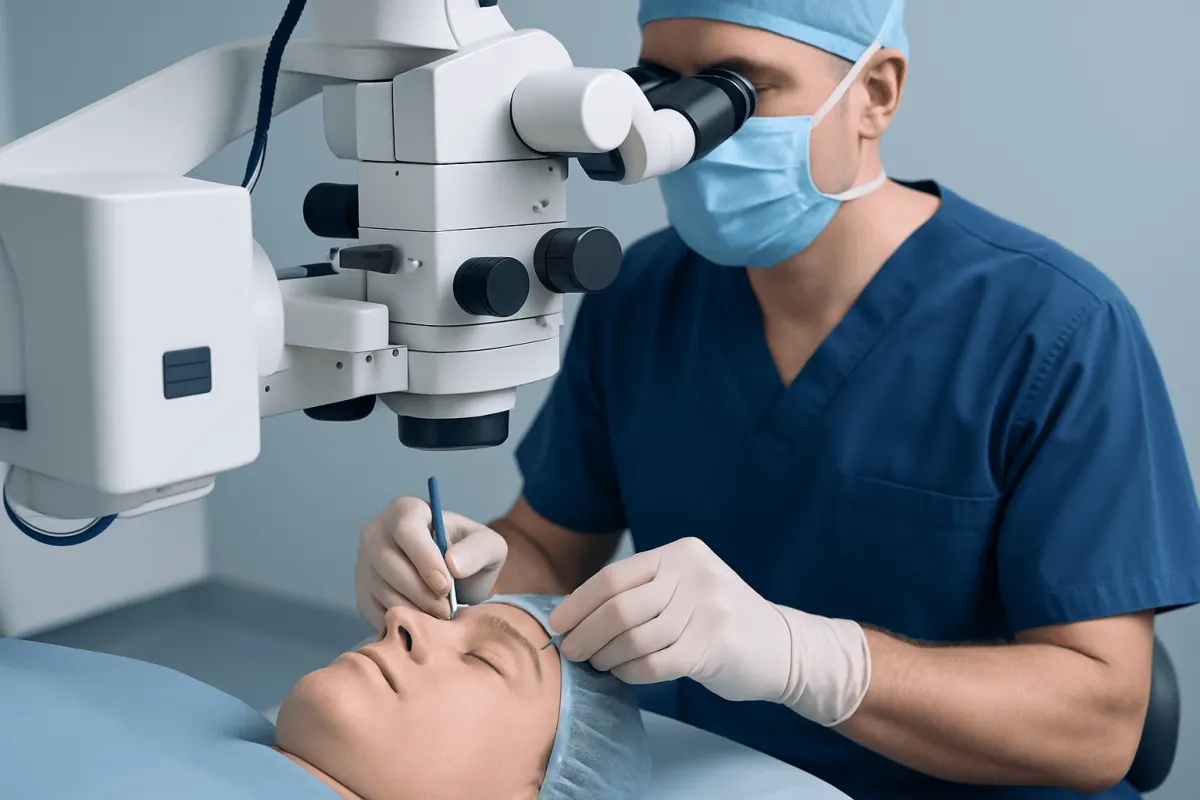
Being told you need surgery on your eye is unsettling — most people’s first thought is simply, “Will I still be able to see?”
“Eyeball operation” is a broad, non-medical term for surgery performed on the eye or the tissues around it. It covers a lot of ground. The exact procedure, the recovery time and the results you can expect all depend on what is being treated, ranging from repair of an eye injury to surgery for retinal disease, cataract, glaucoma or removal of a severely damaged eye.
Eyeball operation: what it means and why it is performed
An eyeball operation is an informal phrase for surgery involving the eye itself or, in some cases, the surrounding structures such as the eyelids, eye muscles or eye socket. It is not one single procedure. An ophthalmologist first identifies the part of the eye involved and then explains the specific operation, its purpose, alternatives, likely recovery and possible risks.
Eye surgery may be recommended to improve vision, preserve remaining sight, repair an injury, remove a cataract, treat retinal detachment, control glaucoma-related pressure, correct eye alignment, remove a growth, or relieve pain in an eye that can no longer function. In some situations, surgery is urgent; in others, it can be planned after discussion and testing.
The word “operation” sounds frightening, yet many eye procedures are done with local anaesthetic, sedation or short general anaesthesia, and you go home the same day. The best outcome depends on the underlying diagnosis, the health of the eye before treatment and careful follow-up after surgery.
What does “eyeball” mean in slang?
In everyday English, “eyeball” can mean the visible round structure of the eye. As slang, it may also mean to look closely at someone or something, as in “to eyeball” an object or person. It can sometimes imply staring, which may be unwelcome depending on the setting.
In medical discussions, clinicians usually avoid slang and use precise terms such as eye, globe, cornea, retina or orbit. This precision matters because surgery on the front surface of the eye is very different from surgery inside the eye or in the bony eye socket.
If you are preparing for surgery, ask your ophthalmologist for the formal name of the operation and which part of the eye it treats. Knowing that makes the consent form, the recovery instructions and the follow-up plan far easier to follow.
What is an eye ball called? What is eyeball anatomy?

Medically, the eyeball is often called the globe. The globe is a roughly spherical organ that receives light and sends visual information to the brain through the optic nerve. The eye sits within the orbit, the protective bony socket surrounded by muscles, nerves, blood vessels and soft tissue.
The front clear window is the cornea. Behind it are the iris, which gives the eye its colour, and the pupil, the opening that controls how much light enters. The lens sits behind the iris and focuses light. The eye is filled with clear fluids and gel-like vitreous that help it keep its shape.
At the back of the eye, the retina is a light-sensitive layer that converts light into nerve signals. The macula is the central retinal area used for sharp, detailed vision. The sclera is the tough white outer coat of the globe. Because these structures have different jobs, an eyeball procedure must be tailored carefully to the affected area.
What is the difference between eye and eyeball?
The eyeball, or globe, refers specifically to the round visual organ. The broader term eye may include the eyeball as well as the eyelids, eyelashes, tear ducts, eye muscles, conjunctiva, optic nerve and surrounding orbital tissues.
This distinction is useful when discussing surgery. Cataract surgery, corneal transplantation and retinal repair involve the globe. Eyelid repair, tear-duct surgery and orbital fracture treatment involve structures around the globe. Some complex injuries require coordinated treatment of both the eyeball and its supporting tissues.
So a surgeon may call something eye surgery even when the globe itself is never opened. Ask whether your procedure involves the surface of the eye, the inside of the globe, the eyelids, the orbit, or more than one of these.
How an eyeball procedure works: candidacy and step-by-step care
Candidacy for an eyeball operation depends on the diagnosis, symptoms, examination findings, vision in both eyes, general health and the person’s treatment goals. An ophthalmologist may measure vision and eye pressure, examine the cornea and retina after dilating the pupils, and use imaging such as optical coherence tomography or ultrasound when needed. Blood tests or medical clearance may be requested before some operations.
The steps differ by procedure, but most follow a similar pathway. Before surgery, the team reviews medicines, allergies, fasting instructions and transport home. On the day, the eye is cleaned and numbed with drops, local anaesthetic injection, sedation or general anaesthesia as appropriate. The surgeon then performs the planned repair, removal or reconstruction using microsurgical instruments and closes or protects the area when necessary.
Examples include repairing a corneal wound, removing a cloudy lens during cataract surgery, treating a detached retina, removing scar tissue, or repairing tissues after trauma. In selected cases, an eyeball reconstruction may involve restoring the shape or support of the eye after injury. The surgeon will explain whether the goal is visual improvement, structural repair, comfort, appearance, or a combination of these.
Not every condition needs surgery. Depending on the cause, watchful waiting, eye drops, laser treatment, glasses or injections may suit you just as well. Once you understand what the operation can and cannot do, the decision becomes yours to make.
Eyeball recovery time, expected results and aftercare
Eyeball recovery time varies widely. Mild irritation, tearing, blurred vision and light sensitivity are common for a short period after many procedures, but the duration depends on the operation. Surface procedures may settle over days to a few weeks, while retinal surgery, major injury repair and complex reconstruction can require several weeks or months of monitoring and visual recovery.
Aftercare commonly includes prescribed eye drops, a protective shield while sleeping, avoiding rubbing or pressure on the eye, and attending scheduled reviews. Some procedures require temporary limits on strenuous activity, swimming, heavy lifting, air travel or certain head positions. Patients should follow their own surgeon’s instructions, as restrictions are not the same for every surgery.
What you gain depends on what is being treated. Surgery may sharpen vision, preserve the sight you have, reduce pain, stabilize the eye or improve appearance. But no operation can reliably bring back vision lost to severe retinal, optic nerve or long-standing corneal damage. Your care team should talk this through honestly with you beforehand.
Acıbadem Health Point’s multidisciplinary specialists and JCI-accredited hospitals provide assessment and treatment for international patients who need coordinated ophthalmic care.
Eyeball repair, removal and reconstruction: benefits and risks
Eyeball repair may be needed after a penetrating injury, ruptured globe, corneal laceration, retinal detachment or other serious damage. The immediate priorities are usually to protect the eye, reduce the risk of infection and preserve as much vision and structure as possible. Severe injuries may require more than one operation and may involve retinal, corneal, oculoplastic and trauma specialists.
An eyeball removal procedure is considered only when an eye is irreversibly damaged, painful, affected by certain tumors, or cannot be safely preserved. Depending on the situation, the surgeon may remove the contents of the eye while keeping the outer scleral shell, or remove the entire globe. An orbital implant and later a custom artificial eye may help restore volume and appearance; an artificial eye does not restore sight.
Eye surgery carries risks: infection, bleeding, inflammation, raised or low eye pressure, scarring, lasting discomfort, double vision, retinal problems, anaesthetic complications and reduced vision. How likely and how serious any of these are varies enormously. Getting unexpected symptoms checked quickly, and keeping your follow-up appointments, helps protect the result.
When to seek medical care
Urgent eye assessment is important after an injury, particularly if there is a cut or puncture near the eye, a chemical splash, a foreign object that cannot be removed easily, sudden loss of vision, severe pain, a misshapen pupil or blood visible in the eye. A person should avoid pressing on an injured eye or attempting to remove an embedded object.
After an eye operation, prompt medical advice is needed for worsening pain, rapidly increasing redness or swelling, pus-like discharge, fever, sudden decrease in vision, a curtain or shadow across vision, new flashes or a sudden shower of floaters. None of these necessarily means something has gone wrong — but do not sit on them.
Less urgent but important review is appropriate for gradual vision changes, persistent dryness or discomfort, recurrent redness, double vision or concern about the appearance or movement of the eye. Regular eye examinations are especially valuable for people with diabetes, glaucoma risk, previous eye trauma or a family history of serious eye disease.
Frequently asked questions
01Is an eyeball operation painful?
Anaesthesia is used to prevent pain during an eye operation, although the type varies from numbing drops and local anaesthetic to general anaesthesia. Mild soreness, grittiness or irritation can occur afterward and is usually managed with the prescribed plan. Severe or worsening pain should be reported promptly.
02How long does it take to recover from an eyeball operation?
Recovery can range from several days to months depending on the procedure and the condition being treated. Vision may be blurry during early healing, and some operations require activity restrictions or special positioning. The operating ophthalmologist can provide the most accurate timeline for an individual case.
03Can vision return after eyeball repair?
Vision may improve after repair when treatable structures such as the cornea, lens or retina heal successfully. However, the result depends on the extent and location of the damage, how quickly treatment occurs and whether the optic nerve or central retina has been affected. The surgeon can discuss the expected outlook after examination.
04What happens after an eyeball removal procedure?
After removal surgery, the socket is allowed to heal and an implant may be used to maintain its shape and volume. Once healing is sufficient, a custom-made ocular prosthesis may be fitted to improve appearance and movement with the other eye. The removed eye cannot regain vision, but many people adapt well with support and follow-up care.
05Can a person live normally with one eye?
Many people lead independent, active lives with vision in one eye. Depth perception and side vision may be reduced, and adapting to some tasks can take time. Protective eyewear is particularly important to safeguard the remaining seeing eye.
06What should someone avoid after eye surgery?
People are commonly advised not to rub or press on the operated eye and to use all prescribed drops as directed. Depending on the procedure, they may need to avoid swimming, dusty environments, strenuous exercise, heavy lifting or particular sleeping positions for a period. Individual postoperative instructions should always take priority.
This article is for general information only and is not a substitute for professional medical advice. Please consult a qualified doctor about your individual situation.
Explore treatments in Turkey — costs, top hospitals & a free quote
JCI-accredited · board-certified surgeons · reply within 24h
Add us as a Preferred Source to see more of our trusted health content across Google Search, AI Overviews and Discover.