Eye Surgery Lens Replacement: Procedure and Recovery
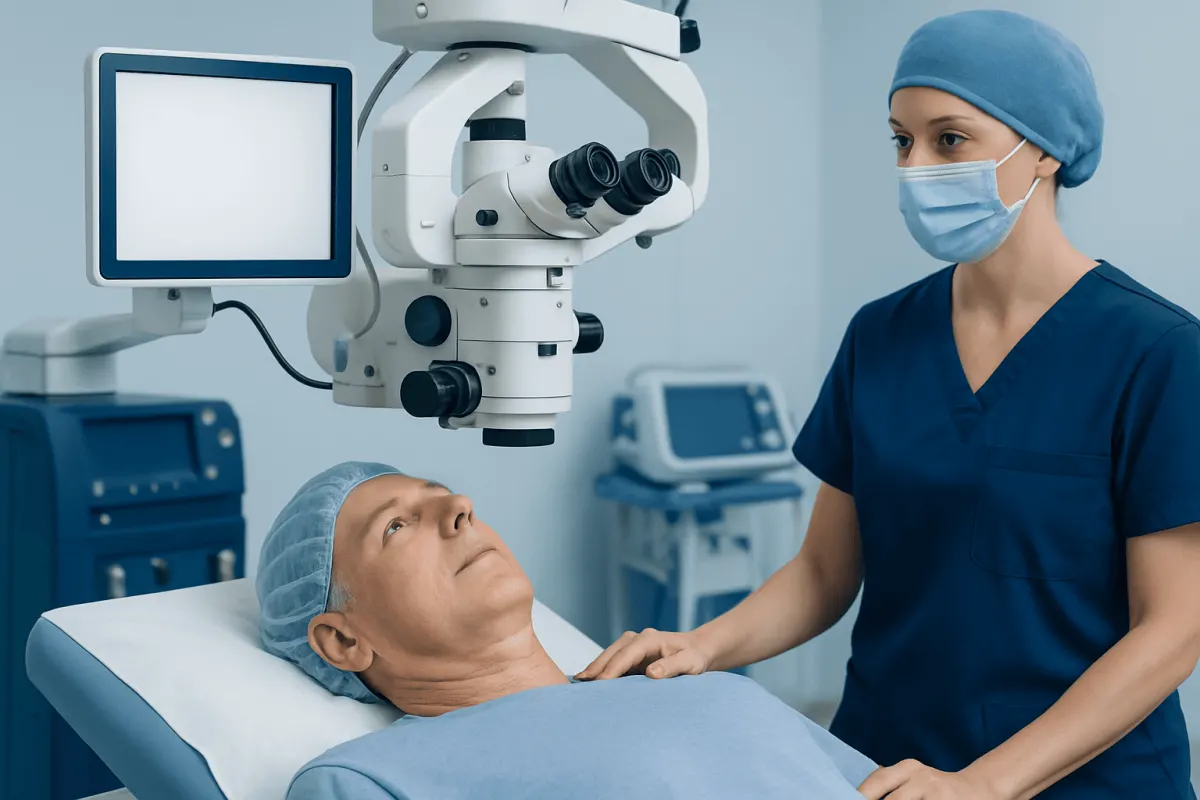
Eye surgery lens replacement is a procedure in which the eye’s natural lens is removed and replaced with a clear artificial intraocular lens. It is most commonly used to treat cataracts, and may also be considered to reduce dependence on glasses or contact lenses in selected adults.
How eye surgery lens replacement works
Eye surgery lens replacement involves removing the eye’s natural crystalline lens and placing a clear artificial lens, called an intraocular lens (IOL), in its place. The most familiar form is cataract surgery, where the natural lens has become cloudy. The same surgical approach may also be called refractive lens exchange when it is performed primarily to correct long-sightedness, short-sightedness, astigmatism, or age-related loss of near focus before a significant cataract develops.
The implanted lens is selected to match the person’s eye measurements and visual priorities. Some IOLs are designed mainly for clear distance vision, while others may provide a broader range of focus. The most appropriate option depends on eye health, prescription, daily activities, and willingness to use glasses for certain tasks. Lens replacement surgery should always begin with a detailed assessment and discussion with an ophthalmologist.
Unlike laser vision correction, which reshapes the cornea, lens replacement changes the lens inside the eye. Once the natural lens has been removed, a cataract cannot develop in that lens again. However, other eye conditions can still affect vision over time.
Who may be a candidate for lens replacement surgery?
People are often considered for lens replacement when a cataract is making everyday activities more difficult, such as reading, driving, recognising faces, or seeing clearly in bright light. Cataracts can cause blurred or dim vision, glare and halos around lights, faded colours, and frequent changes to a glasses prescription. A clinician can assess whether symptoms are likely to be related to a cataract or another eye condition.
Refractive lens exchange may be discussed with adults who want to reduce their reliance on glasses or contact lenses and are not ideal candidates for laser eye surgery. It is more often considered after the mid-40s, when the natural lens becomes less flexible and near vision typically changes. High prescriptions, thin corneas, dry eye, and early lens changes may also influence the discussion.
Not everyone is suitable. Conditions affecting the cornea, retina, optic nerve, or eye pressure may change the expected benefit or require treatment first. The ophthalmologist will review medical history, medications, previous eye surgery, pupil size, corneal shape, retina health, and the measurements used to calculate IOL power.
Lens replacement procedure steps

Before surgery, the eye is measured carefully to help select the IOL. The person will receive instructions about regular medicines, fasting if sedation is planned, and arranging transport home. On the day, eye drops are used to widen the pupil and numb the surface of the eye. Some people also receive light sedative medication to help them feel relaxed.
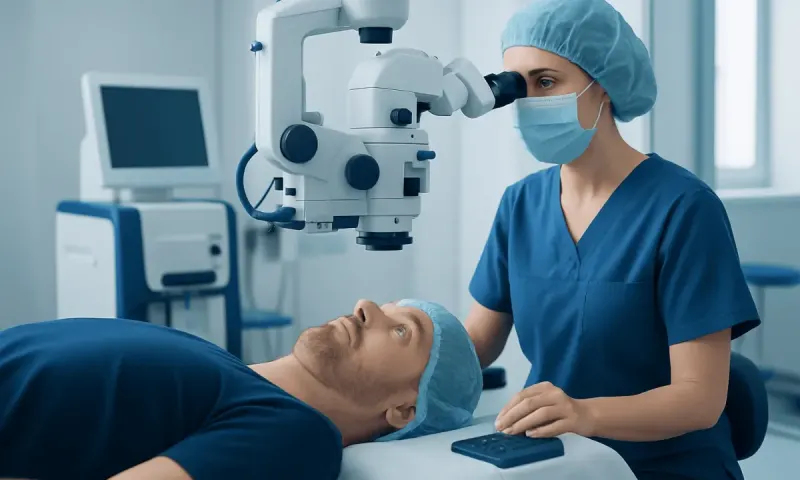
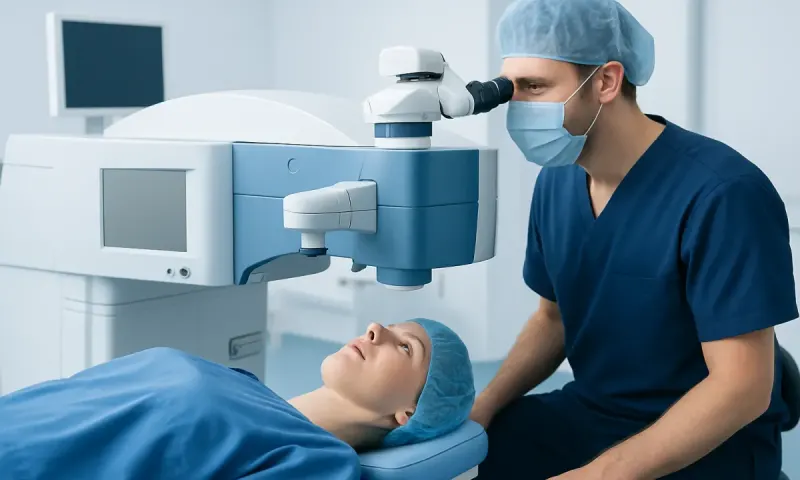
The surgeon makes a very small incision at the edge of the cornea. Using ultrasound energy in a technique called phacoemulsification, the natural lens is gently broken into tiny pieces and removed. The folded artificial lens is then inserted through the small opening and positioned inside the lens capsule. The incision often seals without stitches.
The procedure commonly takes a short time, although preparation and recovery in the surgical centre take longer. One eye is generally treated at a time. The second eye, if needed, is scheduled separately so the first eye can be assessed as it heals. Most people return home the same day with a protective shield and prescription eye drops.
Recovery timeline after lens replacement surgery
Vision may seem blurry, watery, or unusually bright immediately after surgery. This is expected while the anaesthetic wears off and the eye begins to heal. Many people notice an improvement in vision within the first few days, although the pace of recovery varies depending on the eye, the original lens condition, and the type of IOL used.
During the first week, mild scratchiness, light sensitivity, redness, or a feeling that something is in the eye can occur. These symptoms should gradually improve. Follow-up appointments allow the surgeon to check healing, eye pressure, and vision. Eye drops are usually prescribed for several weeks to prevent infection and control inflammation.
Most routine activities can be resumed within days if the person feels comfortable, but clearer and more stable vision may take several weeks. The final glasses prescription, if one is needed, is often assessed after the eye has settled. People who receive multifocal or extended-depth-of-focus lenses may take longer to adapt to new visual effects, especially in dim light.
How long does it take to fully recover from lens replacement surgery?
Many people feel able to return to light daily activities within a few days after lens replacement surgery. Vision often improves quickly, especially when a cataract had been causing significant clouding. However, “full recovery” includes more than seeing better: the eye must heal, inflammation must settle, and vision may need time to stabilise.
For many patients, healing is largely complete within four to six weeks. Recovery can take longer if there was significant cataract density, pre-existing dry eye, retinal disease, glaucoma, corneal disease, or a complication during or after surgery. Each eye can recover at a different pace.
The ophthalmologist will advise when it is safe to drive, return to work, exercise, travel, or update glasses. People should not make decisions based only on how clearly they can see on a particular day; scheduled follow-up visits remain an important part of recovery.
What not to do after lens replacement?
After lens replacement, it is important not to rub, press, or get unwashed hands near the operated eye. The eye shield should be worn as directed, particularly while sleeping during the early recovery period. Patients should use eye drops exactly as prescribed and avoid putting non-prescribed drops, cosmetics, or water directly into the eye unless the surgeon has confirmed it is safe.
For the first days to weeks, people are commonly advised to avoid heavy lifting, strenuous exercise, bending with the head low for prolonged periods, swimming, hot tubs, dusty environments, and contact sports. These restrictions vary, so the surgeon’s individual instructions should take priority. Showering may be possible, but care is needed to keep soap and water out of the eye.
Driving should be avoided until vision meets local legal requirements and the ophthalmologist says it is appropriate. People should also avoid missing follow-up appointments, even if the eye feels comfortable. Early review can identify issues that may not yet cause obvious symptoms.
Benefits, possible downsides, and risks
The main benefit of lens replacement is the potential for clearer vision through a lens that will not become cloudy in the way a natural lens can. In cataract surgery, this can improve quality of vision and reduce glare. Depending on the selected IOL, some people may also have less dependence on distance, reading, or intermediate glasses.
What is the downside of lens replacement surgery? The procedure is permanent because the natural lens is removed. No IOL recreates every feature of a young natural lens, and some people still need glasses for certain activities. Multifocal lenses can be associated with halos, glare, or reduced contrast in low light, which may be bothersome for some people. Choosing an IOL involves balancing visual goals with these possible trade-offs.
Complications are uncommon but can include infection, inflammation, raised eye pressure, swelling of the cornea or retina, bleeding, retinal detachment, lens position changes, or ongoing refractive error. A cloudy film can sometimes form behind the artificial lens months or years later; this is usually treatable with a brief laser procedure. The surgeon will explain personal risks based on the individual eye examination.
How painful is lens replacement surgery and when to seek care
How painful is lens replacement surgery? The operation itself is usually not painful because numbing eye drops or local anaesthetic are used. A person may notice bright lights, gentle pressure, or fluid around the eye during the procedure. Afterwards, mild discomfort, grittiness, tearing, or sensitivity to light can occur, but severe pain is not expected.
Medical advice should be sought promptly after surgery if there is increasing or severe eye pain, rapidly worsening vision, increasing redness, marked swelling, flashes of light, a sudden increase in floaters, nausea or vomiting with eye pain, or discharge from the eye. These symptoms do not always mean a serious problem, but they need urgent assessment.
Anyone considering surgery should seek an eye examination if vision changes are affecting daily life, especially if changes occur suddenly. Acıbadem Health Point’s multidisciplinary eye specialists at JCI-accredited hospitals can assess lens-related vision problems and discuss appropriate treatment options for international patients.
Frequently asked questions
01Is eye surgery lens replacement the same as cataract surgery?
The surgical technique is very similar because both procedures remove the natural lens and insert an intraocular lens. Cataract surgery is performed to remove a cloudy lens, while refractive lens exchange may be performed to reduce refractive error before a cataract is significantly affecting vision.
02How long does it take to fully recover from lens replacement surgery?
Many people notice better vision within several days and can return to light activities soon afterwards. The eye commonly takes around four to six weeks to heal and for vision to stabilise, although recovery can be longer for some individuals.
03What not to do after lens replacement?
Patients should avoid rubbing the eye, getting water or cosmetics into it, heavy lifting, strenuous activity, swimming, and dusty environments until their surgeon advises otherwise. They should also use prescribed drops, attend follow-up visits, and avoid driving until they have been cleared to do so.
04What is the downside of lens replacement surgery?
Lens replacement is permanent because the natural lens cannot be put back. Some people still need glasses, and certain premium lens designs may cause halos, glare, or reduced contrast in low light. As with any eye operation, there is also a small risk of complications.
05How painful is lens replacement surgery?
Lens replacement surgery is usually not painful because the eye is numbed with drops or local anaesthetic. Mild pressure may be felt during surgery, followed by temporary grittiness, watering, or light sensitivity while the eye heals.
06Can both eyes have lens replacement surgery on the same day?
In many settings, surgeons operate on one eye first and treat the other eye later. This allows them to monitor early healing and adjust the plan if needed. The timing of surgery for the second eye depends on clinical practice, eye health, and the individual’s recovery.
This article is for general information only and is not a substitute for professional medical advice. Please consult a qualified doctor about your individual situation.
Explore treatments in Turkey — costs, top hospitals & a free quote
JCI-accredited · board-certified surgeons · reply within 24h
Add us as a Preferred Source to see more of our trusted health content across Google Search, AI Overviews and Discover.