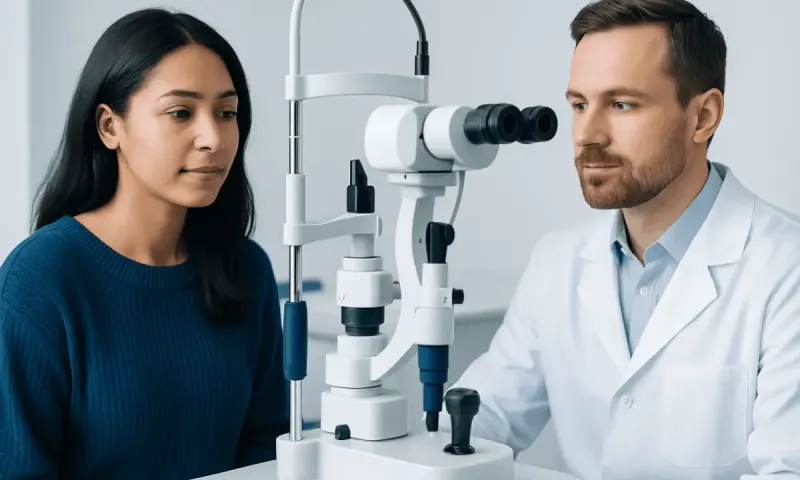
Eye Doctor vs Optometrist vs Ophthalmologist: What’s the Difference?

Many people use the term “eye doctor” for any vision specialist, but it can refer to different professionals. Understanding the roles of an optometrist, ophthalmologist, and other eye care providers can help patients choose the right care for routine exams, glasses, eye disease, or surgery.
Overview: who is an eye doctor?
The phrase “eye doctor” is a broad, everyday term rather than one specific job title. In most cases, it refers either to an optometrist or an ophthalmologist. Both are trained to care for eye health, but their education, scope of practice, and the treatments they provide are different.
An optometrist is a primary eye care professional who performs vision testing, prescribes glasses and contact lenses, and diagnoses and manages many common eye conditions. An ophthalmologist is a medical doctor specializing in eye and vision care, including medical treatment and surgery for eye disease. In some settings, patients may also meet an optician, who fits and dispenses glasses and contact lenses but does not diagnose or treat eye disease.
For many people, routine care starts with an optometrist. If a more complex problem is found, the optometrist may treat it directly if appropriate or refer the patient to an ophthalmologist. This team-based approach helps patients receive the right level of care at the right time.
What an optometrist does
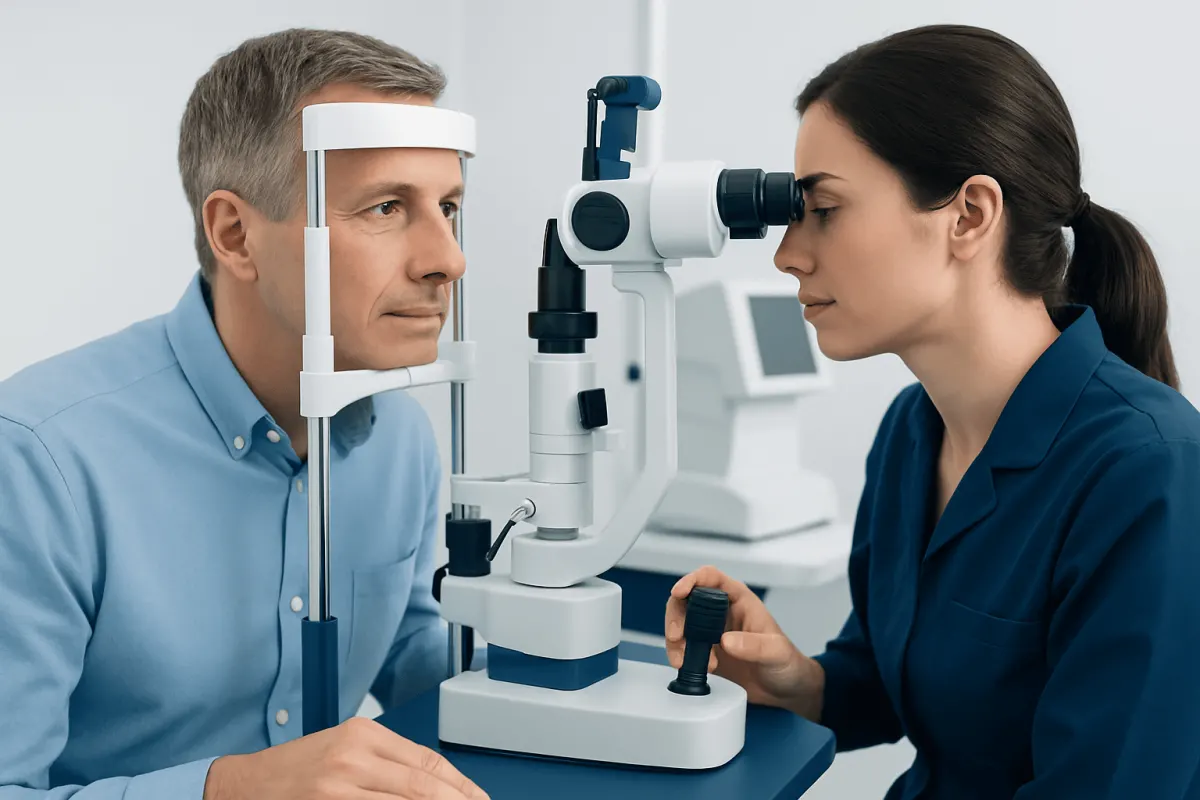
Optometrists are licensed eye care professionals who focus on vision, eye exams, and the detection and management of many common eye problems. They usually provide primary eye care, which means they are often the first professional a person sees for blurred vision, headaches related to eyestrain, difficulty reading, or a need for updated glasses or contact lenses.
A routine visit with an optometrist may include checking visual acuity, testing how the eyes work together, screening for signs of eye disease, and measuring whether glasses or contact lens prescriptions need to be updated. Optometrists may also identify health conditions that affect the eyes, such as diabetes or high blood pressure, and advise further medical evaluation.
Depending on local regulations and the individual practitioner’s training, optometrists may also manage certain conditions with medications and follow-up care. These may include dry eye, allergies, eye infections, and some forms of glaucoma. If surgery or highly specialized medical treatment is needed, referral to an ophthalmologist is usually the next step.
- Performs comprehensive eye exams
- Prescribes glasses and contact lenses
- Detects common eye conditions early
- Manages selected non-surgical eye problems
- Refers patients for advanced medical or surgical care when needed
What an ophthalmologist does

Ophthalmologists are physicians who complete medical training followed by specialist training in eye diseases and surgery. Because they are medical doctors, they can diagnose and treat the full range of eye conditions, prescribe medications, perform procedures, and carry out surgery when necessary.
Patients may see an ophthalmologist for cataracts, glaucoma, retinal disease, corneal conditions, eye injuries, or unexplained vision loss. Ophthalmologists also manage eye problems linked to other medical conditions, such as diabetes, autoimmune disorders, and neurological disease. In many cases, they work closely with optometrists and other specialists to provide coordinated care.
Surgical and advanced treatment options are within the ophthalmologist’s role. This may include laser vision correction, cataract surgery, injections or laser procedures for retinal disease, and operations for complex eye disorders. Patients with sight-threatening symptoms or conditions that may require surgery generally benefit from evaluation by an ophthalmologist.
Optometrist vs ophthalmologist: the main differences
The biggest difference between an optometrist and an ophthalmologist is the depth and type of training. Optometrists are highly trained eye care professionals focused on primary eye care and vision correction. Ophthalmologists are medical doctors with specialist training in the diagnosis, medical treatment, and surgical treatment of eye disease.
In practical terms, an optometrist is often the right choice for regular eye exams, glasses or contact lens prescriptions, and many common eye concerns. An ophthalmologist is usually the best choice for complex disease, significant eye injury, sudden changes in vision, or when a procedure or surgery may be needed.
There is also some overlap. Both professionals can detect eye disease, monitor chronic conditions, and help patients protect long-term vision. The most suitable provider depends on the patient’s symptoms, medical history, age, and whether the issue is routine, urgent, or potentially surgical.
- Optometrist: primary eye care, vision testing, glasses and contact lenses, many common conditions
- Ophthalmologist: full medical and surgical eye care
- Optician: fits and dispenses corrective lenses based on a prescription
When to see an optometrist
An optometrist is often the right first step for routine eye care. This includes regular eye exams, vision screening, updating glasses or contact lenses, and assessing everyday symptoms such as mild blurred vision, digital eye strain, trouble focusing, or discomfort related to dry eyes.
Children, adults, and older people can all benefit from periodic eye checks even when vision seems normal. Eye exams do more than measure eyesight. They can also detect signs of common conditions before symptoms become obvious, including glaucoma, cataracts, and diabetic eye disease. Early detection may help protect vision over time.
Patients already diagnosed with some stable conditions may continue follow-up with an optometrist, depending on the condition and local practice. For example, someone with dry eye or simple refractive error may be managed entirely in optometric care, while those with more complex concerns may be referred to a medical eye specialist for additional evaluation.
When to see an ophthalmologist urgently or for specialist care
Some symptoms should be assessed promptly by an ophthalmologist or an emergency service. These include sudden vision loss, flashes of light, a sudden increase in floaters, severe eye pain, significant redness with vision changes, double vision, eye trauma, or chemical injury. These symptoms do not always mean a serious condition, but they should not be ignored.
An ophthalmologist is also the appropriate specialist for confirmed or suspected eye disease that may need advanced testing or procedures. Examples include glaucoma, cataracts, retinal tears or detachment, corneal disease, diabetic retinopathy, and certain inflammatory conditions. Patients may be referred for assessment of glaucoma or cataracts after a routine eye exam finds concerning changes.
If surgery is being considered, an ophthalmologist leads that part of care. This may include operations for cataracts, retinal disease, eyelid problems, or conditions affecting the front surface of the eye such as corneal transplant in selected cases. Specialist care may also be needed for chronic conditions that require regular imaging, injections, or pressure-lowering treatment.
How eye problems are diagnosed
Diagnosis begins with a detailed history of symptoms, vision changes, medications, general health, and family history. The clinician will usually ask when symptoms started, whether one or both eyes are affected, and whether there is pain, light sensitivity, flashes, floaters, or headache. This information helps guide which tests are most useful.
Common eye tests include visual acuity measurement, refraction, slit-lamp examination, and checking eye pressure. The back of the eye may be examined after dilating the pupils. Some patients also need imaging tests, such as optical coherence tomography, corneal measurements, visual field testing, or retinal photography.
These tests help distinguish routine refractive problems from medical eye conditions. For example, blurred vision may be caused by a need for new glasses, but it can also be linked to cataracts, glaucoma, retinal disease, or other problems. Accurate diagnosis is important because timely treatment can often slow progression and preserve sight.
Choosing the right eye care provider and protecting eye health
For most people, the best starting point is routine eye care with a qualified optometrist or ophthalmologist, depending on availability and personal needs. People with chronic conditions such as diabetes, a strong family history of eye disease, prior eye surgery, or ongoing vision changes may benefit from more specialized follow-up. If there is any doubt about the urgency of symptoms, seeking medical advice promptly is the safest approach.
Good eye health also depends on daily habits. Wearing prescribed glasses, using contact lenses safely, protecting the eyes from injury, and attending regular check-ups all support long-term vision. General health matters too: controlling blood sugar and blood pressure, not smoking, eating a balanced diet, and using sunglasses with UV protection can all help reduce risk.
Near the end of the care pathway, some patients may need coordinated specialist services for diagnosis, treatment, and surgery. Acıbadem Health Point’s multidisciplinary specialists and JCI-accredited hospitals care for international patients with a wide range of eye conditions, from routine assessment to advanced ophthalmic treatment. Whatever the setting, choosing a licensed professional and following individualized medical advice are the most important steps.
Frequently asked questions
01Is an optometrist a real doctor?
An optometrist is a licensed eye care professional with advanced training in vision and primary eye care. However, an optometrist is not a medical doctor in the same way an ophthalmologist is. They play an important role in routine eye exams, prescriptions, and managing many common eye conditions.
02Should a person see an optometrist or an ophthalmologist first?
For routine eye exams, glasses, contact lenses, and many common vision concerns, an optometrist is often the right first step. If symptoms are severe, sudden, or suggest a medical eye disease, an ophthalmologist may be more appropriate. Many patients move between both professionals as part of coordinated care.
03Can an optometrist diagnose eye diseases?
Yes, optometrists can detect and diagnose many eye conditions during a comprehensive eye exam. They may manage certain problems directly, depending on the condition and local regulations. If a disease is complex or surgery may be needed, they usually refer the patient to an ophthalmologist.
04Can an ophthalmologist prescribe glasses or contact lenses?
Yes, ophthalmologists can assess vision and prescribe glasses or contact lenses. In practice, many people choose optometrists for this routine care because it is a central part of optometric practice. Ophthalmologists often focus more on medical and surgical eye problems, especially in specialist settings.
05What symptoms mean urgent eye care is needed?
Urgent assessment is recommended for sudden vision loss, severe eye pain, flashes, a sudden shower of floaters, eye injury, chemical exposure, or significant redness with reduced vision. These symptoms can have different causes, but prompt medical review is important. If the symptoms are severe or rapidly worsening, emergency care may be appropriate.
06How often should eye exams be done?
The right schedule depends on age, vision needs, and general health. People with diabetes, glaucoma risk, previous eye disease, or prescription changes may need more frequent exams. A qualified eye care professional can recommend a screening interval based on individual risk.
This article is for general information only and is not a substitute for professional medical advice. Please consult a qualified doctor about your individual situation.
Oncology care in Turkey — second opinion and treatment plan
JCI-accredited · board-certified surgeons · reply within 24h
Add us as a Preferred Source to see more of our trusted health content across Google Search, AI Overviews and Discover.