Eye Care in Turkey: What International Patients Should Know

Eye care in Turkey is a common option for international patients seeking specialist consultations, diagnostic testing, medical treatment, or eye surgery. Careful planning, verified credentials, and a clear understanding of follow-up needs can help patients make safe and informed decisions.
Overview
Eye care in Turkey includes a wide range of services for international patients, from routine eye examinations to advanced medical and surgical treatment. People may travel for cataract care, refractive procedures, corneal disease management, glaucoma assessment, retinal treatment, or a second opinion on a complex diagnosis. Turkey is known for modern hospitals, specialist ophthalmology teams, and coordinated care for people arriving from abroad.
Even so, choosing eye treatment in another country should be approached thoughtfully. The most important questions are not only where care is available, but whether the diagnosis is clear, whether the treatment is truly necessary, and whether follow-up can be managed safely after the patient returns home. Good outcomes depend on correct patient selection, careful planning, and close communication between the patient and the medical team.
International patients usually benefit from hospitals that can organize pre-travel communication, interpreter support, laboratory and imaging services, and post-treatment instructions in clear language. When comparing options, it helps to look beyond convenience and focus on specialist expertise, hospital accreditation, infection control standards, and continuity of care.
Who May Seek Eye Care in Turkey

People travel for eye care for many reasons. Some want faster access to specialist appointments or surgery. Others are looking for a comprehensive diagnostic work-up, especially if they have symptoms such as blurred vision, eye pain, glare, floaters, or progressive vision loss. Some patients also seek treatment while combining healthcare with travel logistics that are easier for them and their families.
Common reasons for ophthalmology travel include cataracts, refractive errors, dry eye problems, corneal disease, retinal disorders, and concerns about glaucoma. Patients may also need evaluation for age-related changes in vision or for conditions linked to diabetes, autoimmune disease, or previous eye injury. In these situations, a specialist exam is essential because similar symptoms can have very different causes.
Not every patient is an ideal candidate for treatment during a short international visit. People with unstable medical conditions, recent eye infection, uncontrolled diabetes, severe hypertension, or complicated retinal disease may need longer evaluation or staged treatment. The safest plan is one that matches the person’s overall health, eye condition, and ability to attend follow-up appointments.
What Evaluation Usually Includes
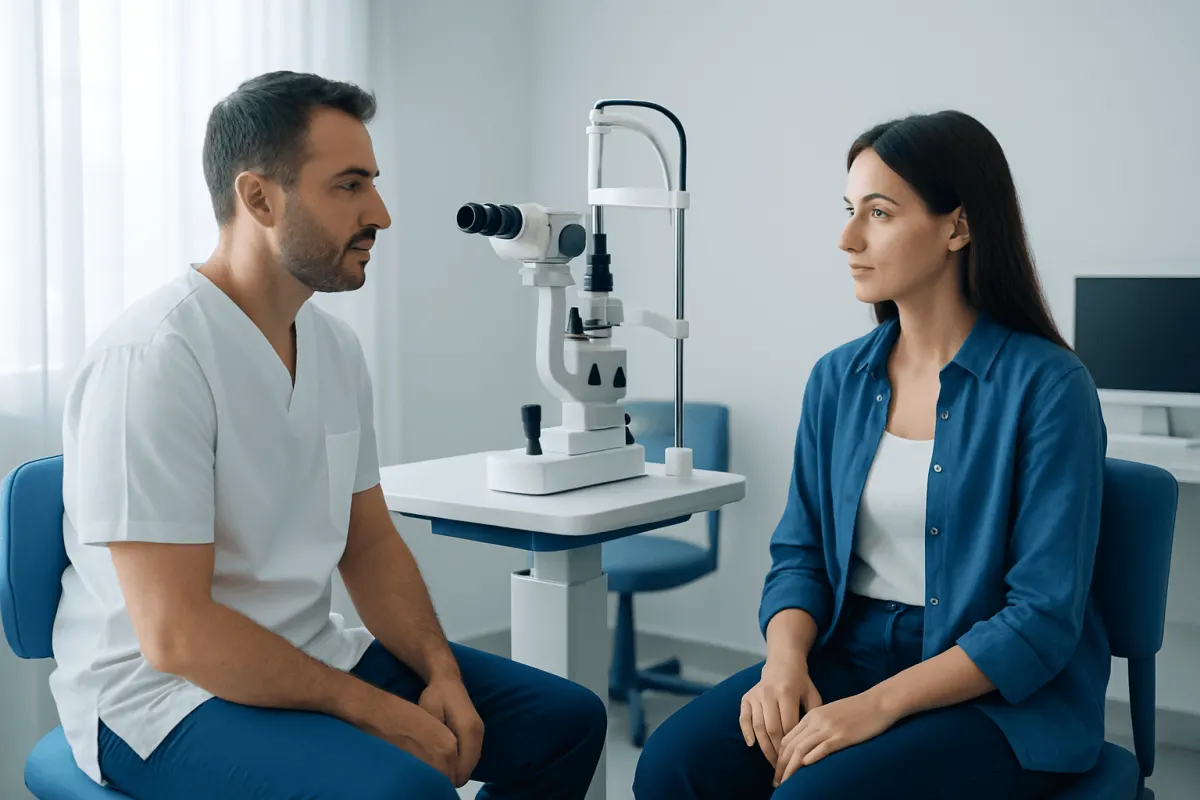
A proper eye assessment usually starts with a detailed medical history. The ophthalmologist may ask about current symptoms, past eye surgery, use of glasses or contact lenses, medications, allergies, trauma, and chronic conditions such as diabetes or high blood pressure. This information helps place test results in context and reduces the risk of choosing the wrong treatment.
Most patients then have a full eye examination. This may include visual acuity testing, measurement of eye pressure, slit-lamp examination of the front of the eye, pupil dilation, and a careful look at the retina and optic nerve. Depending on the problem, doctors may also use imaging such as corneal topography, optical coherence tomography, retinal photography, ultrasound, or visual field testing.
These tests are especially important before surgery. For example, someone considering laser eye surgery needs more than a basic prescription check. The shape and thickness of the cornea, tear film quality, pupil size, and overall eye health all affect whether treatment is suitable. In the same way, planning cataract surgery depends on detailed measurements of the eye and a discussion about lens options, visual goals, and any coexisting eye disease.
Patients should feel comfortable asking for their diagnosis in simple terms, the reason a procedure is recommended, the expected benefits, the limits of treatment, and the possible risks. A trustworthy team explains these clearly and allows time for questions.
Common Treatments and Procedures
Eye care in Turkey may involve medical treatment, laser treatment, or surgery, depending on the diagnosis. Some conditions improve with prescription drops, oral medication, eyelid care, or monitoring over time. Others require a procedure to preserve vision, reduce symptoms, or improve visual function. The right option depends on the cause of the problem, not only on the patient’s travel plans.
Frequently requested procedures include cataract surgery, refractive surgery, treatment for glaucoma, and retinal interventions. Patients with clouding of the natural lens may benefit from cataract surgery when vision problems begin to affect reading, driving, or daily activities. Those interested in reducing dependence on glasses may be assessed for laser eye surgery, although candidacy must be confirmed by examination rather than assumed from age or prescription alone.
Some patients need treatment for elevated eye pressure or optic nerve risk, which may involve medicines, laser therapy, or glaucoma surgery in selected cases. Others need specialist care for retinal disease, inflammation, corneal disorders, or complications of diabetes. Because many eye conditions can progress silently, timely diagnosis is often as important as the treatment itself.
No procedure can guarantee perfect vision. Outcomes depend on the underlying condition, eye anatomy, healing response, and whether other eye diseases are present. A balanced discussion of realistic expectations is a key part of ethical eye care.
How International Patients Can Choose a Clinic Safely
Safety should be the first priority when choosing where to receive eye care abroad. Patients should look for a licensed hospital or eye center, an ophthalmologist with relevant subspecialty experience, and a facility that follows recognized quality and infection control standards. It is also reasonable to ask whether the surgeon regularly treats the specific condition in question.
Before booking travel, patients should request a clear treatment plan in writing. This should include the likely diagnosis, the tests that will be needed, whether treatment may happen on the same trip, the expected recovery period, and how follow-up will be managed. If a procedure is elective, the patient should also understand what happens if the examination shows they are not a suitable candidate.
Good communication is essential. Patients should ask whether interpreter support is available, what documents they need to bring, and how urgent questions will be handled after discharge. They should also share copies of previous eye records, operation notes, imaging, and a list of current medicines. This reduces delays and can prevent unnecessary repeat testing.
Near the end of the decision process, some international patients choose large multidisciplinary centers for convenience, especially if they have diabetes, cardiovascular disease, or other medical issues that may affect eye treatment. Acıbadem Health Point’s multidisciplinary specialists and JCI-accredited hospitals diagnose and treat eye conditions for international patients, with coordinated assessment and follow-up planning.
Travel Planning, Recovery, and Follow-Up
Travel planning is an important part of eye treatment abroad. Patients should ask how long they need to stay after examination or surgery, whether they will be able to fly soon afterward, and what restrictions may apply. Recovery time varies greatly between treatments. A consultation for dry eye or glasses is very different from the aftercare needed following cataract, retinal, or glaucoma procedures.
After surgery, patients may need eye drops, protective shields, temporary limits on exercise, and repeat checks before they travel home. Vision can fluctuate during healing, and some mild discomfort, tearing, or light sensitivity may be expected depending on the procedure. However, worsening pain, sudden drop in vision, heavy discharge, or increasing redness should always be reported urgently.
Follow-up deserves special attention. A patient returning home soon after treatment should know exactly when to have the next eye examination, who will provide it, and what signs should prompt emergency review. Written discharge instructions are helpful, especially if the home doctor will continue care. Coordination between the treating surgeon and the local ophthalmologist can support safer recovery.
Patients should also plan practical details such as accommodation near the hospital, transport after procedures that affect vision, and whether a companion is needed. Being prepared reduces stress and makes it easier to focus on healing.
Questions to Ask Before Traveling
Asking detailed questions before travel can help patients avoid misunderstandings. A reputable clinic should welcome these questions and answer them clearly. If information is vague or pressure is used to encourage fast booking, it may be wise to pause and seek another opinion.
Useful topics to discuss include:
- What is the likely diagnosis, and what tests are needed to confirm it?
- Is the recommended treatment urgent, optional, or one of several reasonable choices?
- What benefits, limitations, and possible complications should be expected?
- How long should the patient stay in Turkey before and after treatment?
- What medications, follow-up visits, and activity restrictions will be needed?
- How will care be handled if a problem develops after the patient returns home?
- What is included in the quoted cost, and what might create extra charges?
It can also help to ask whether the treatment plan might change after the in-person examination. In eye care, final decisions often depend on measurements and findings that cannot be confirmed from messages or photos alone. Knowing this in advance helps patients plan realistically.
When to Seek Urgent Eye Care
Some eye symptoms need prompt medical attention whether a person is at home or traveling. Sudden vision loss, severe eye pain, flashes of light with a shower of new floaters, double vision, or eye injury should not be delayed for routine scheduling. These symptoms can be linked to conditions that need urgent assessment to protect vision.
Patients should also seek prompt help for a red eye with significant pain, marked light sensitivity, nausea with eye pain, or swelling after a recent procedure. Anyone with diabetes, a weakened immune system, or a recent eye operation should be especially cautious if symptoms worsen quickly.
For non-urgent issues such as slowly changing glasses prescription, mild dry eye, or gradual cataract symptoms, patients usually have time to compare options and plan care carefully. The key is to understand which problems can wait and which require immediate review by an eye specialist. When in doubt, medical advice should be sought without delay.
Frequently asked questions
01Is eye care in Turkey suitable for international patients?
It can be suitable for many international patients, especially when the hospital has experienced ophthalmologists, modern diagnostics, and strong coordination for visitors from abroad. The best choice depends on the patient’s diagnosis, overall health, and ability to attend follow-up after returning home.
02What eye conditions are commonly treated?
Commonly treated conditions include cataracts, refractive errors, glaucoma, dry eye disease, corneal problems, and some retinal disorders. However, the exact treatment plan should only be decided after a full eye examination and any necessary imaging tests.
03How long should a patient stay in Turkey for eye treatment?
The required stay depends on the type of care. Some consultations and tests can be done quickly, while surgery may require several days or longer for checks before safe travel. Patients should confirm the expected timeline before booking flights.
04Can a patient travel home soon after eye surgery?
Sometimes yes, but it depends on the procedure, the healing process, and the surgeon’s advice. Some patients can travel relatively soon, while others need extra follow-up visits before flying. Clear discharge instructions and a plan for care at home are very important.
05What records should be brought to the appointment?
It helps to bring previous eye exam results, surgery notes, imaging reports, glasses prescriptions, and a list of all current medications and allergies. These records can help the ophthalmologist understand the problem more accurately and may reduce unnecessary repeat testing.
06What are signs that need urgent eye assessment?
Urgent warning signs include sudden vision loss, severe eye pain, flashes and many new floaters, eye injury, or a painful red eye with major light sensitivity. These symptoms should be assessed promptly because some causes can threaten vision if treatment is delayed.
This article is for general information only and is not a substitute for professional medical advice. Please consult a qualified doctor about your individual situation.
Explore treatments in Turkey — costs, top hospitals & a free quote
JCI-accredited · board-certified surgeons · reply within 24h
Add us as a Preferred Source to see more of our trusted health content across Google Search, AI Overviews and Discover.