Does Health Insurance Cover Eye Exams? What Patients Should Know

Whether health insurance covers eye exams depends on why the exam is needed and what type of plan a person has. Routine vision checks are often handled differently from eye exams for symptoms, injuries, or medical eye conditions.
Overview
Many patients ask whether health insurance covers eye exams, and the answer is often yes, but not always in the same way. Coverage usually depends on the reason for the visit. A routine eye exam to update glasses or contact lens prescriptions may be treated differently from an eye exam for pain, blurred vision, injury, infection, or monitoring of a known medical condition.
In many health systems, there are two common types of coverage to understand: medical insurance and vision benefits. Medical insurance generally focuses on diagnosing and treating disease, while vision plans often help pay for preventive or routine eye care and corrective lenses. Some people have both, while others may have only one or neither.
This distinction matters because the same eye clinic can provide different types of services during the same visit. For example, a person may come in for a routine check but also mention new symptoms such as flashes, floaters, or eye pain. If the visit becomes focused on a medical concern, the billing and insurance pathway may change.
What Types of Eye Exams May Be Covered?

Insurance coverage is often based on the purpose of the eye exam. A routine vision exam is usually performed to assess eyesight, update a glasses or contact lens prescription, and screen for common changes in visual acuity. These exams may be covered by a vision plan, employer benefit, school or pediatric benefit, or a preventive care package, depending on the policy.
A medical eye exam is different. It is typically used when a patient has symptoms or a known condition that needs evaluation or follow-up. Examples include eye redness, sudden blurred vision, double vision, dry eye symptoms, headaches related to vision, eye injuries, or monitoring chronic diseases such as glaucoma or diabetic eye disease. These visits are more commonly processed through standard health insurance.
Coverage may also differ for specialized testing performed during the exam. Tests such as retinal imaging, visual field testing, corneal measurements, or scans for optic nerve or retinal disease may be covered when medically necessary. If they are performed as part of screening without symptoms or risk factors, coverage may be more limited.
- Routine exam: checks vision and prescription needs
- Medical exam: evaluates symptoms, injury, or disease
- Specialized tests: often covered only when medically indicated
- Glasses and contact lenses: often covered separately, if at all
Routine Vision Coverage vs Medical Insurance
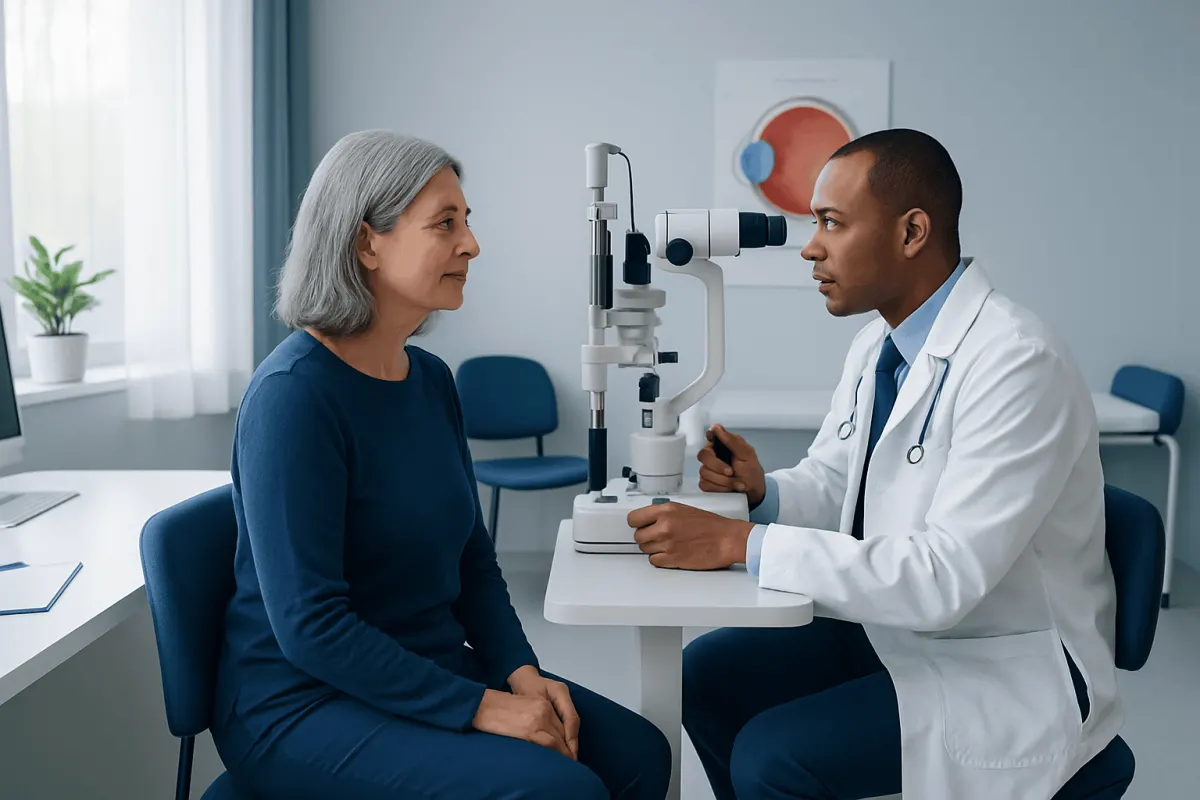
Routine vision coverage often includes periodic eye exams, basic refraction testing, and sometimes an allowance for eyeglass frames, lenses, or contact lenses. These benefits are commonly subject to limits, such as one exam every 12 or 24 months, a fixed financial allowance, or the use of selected in-network optical providers.
Medical insurance, in contrast, is designed to cover care related to illness, injury, or chronic disease. If a person sees an ophthalmologist or optometrist because of eye pain, infection, trauma, vision loss, or changes associated with diabetes, high blood pressure, or autoimmune conditions, the visit may be billed as medical care. Evaluation for glaucoma, cataracts, retinal problems, or significant dry eye may also fall under medical insurance.
Even when medical insurance covers the exam, out-of-pocket costs can still apply. Deductibles, copays, coinsurance, and out-of-network fees may affect the final bill. It is also important to know that a refraction test, which measures the prescription for glasses, is not always covered by medical insurance even when the rest of the eye exam is.
Because policies vary, patients should ask the clinic and insurer how the visit will be categorized before the appointment. This can be especially helpful if the visit includes both a general vision check and an assessment of symptoms.
When Health Insurance Is More Likely to Cover an Eye Exam
Health insurance is generally more likely to cover an eye exam when there is a medical reason for the visit. This includes new symptoms such as pain, light sensitivity, redness, discharge, sudden vision changes, flashes, floaters, or a feeling that something is stuck in the eye. These concerns may signal inflammation, infection, retinal problems, or other conditions that need prompt assessment.
Coverage is also more likely when a patient has an established diagnosis requiring ongoing monitoring. Examples include diabetes, high blood pressure affecting the eyes, thyroid eye disease, glaucoma, cataracts, macular degeneration, or inflammatory disorders. Monitoring for cataracts or diabetic retinal changes is usually considered medical care rather than a routine vision service.
Children and older adults may have special considerations. In some countries or insurance systems, pediatric eye exams are included as essential benefits, and older adults may have access to screening or follow-up coverage linked to age-related eye disease risk. However, the exact rules still depend on the plan and local regulations.
Eye exams may also be covered before or after a procedure when they are necessary for diagnosis, surgical planning, or follow-up. For instance, evaluation related to Laser Eye Surgery Candidacy: Why Thin Corneas, Dry Eyes, and Stable Prescriptions Matter" class="ahp-ilk">laser eye surgery candidacy or post-treatment follow-up may have different coverage rules depending on whether the purpose is refractive correction or treatment of a medical condition.
How to Check Your Benefits Before an Appointment
Reviewing benefits in advance can help prevent surprise charges. The most useful first step is to contact the insurer and ask whether the planned visit is covered as a routine vision exam, a medical eye exam, or both. Patients should also ask whether the clinic, doctor, and any testing facility are in network.
It is helpful to have a short list of practical questions ready. These may include whether a referral is needed, whether pre-authorization applies, how often routine eye exams are covered, whether refraction is included, and what cost-sharing is expected. Patients who wear contact lenses should also ask whether contact lens fitting fees are covered, since these are often billed separately from the eye exam.
If the visit is for symptoms, patients should describe those symptoms clearly when booking. This helps the clinic determine the likely type of appointment and may reduce confusion later. If a person has a chronic health condition such as diabetes or a history of eye disease, mentioning it can also help clarify coverage and the need for specialized testing.
- Confirm whether the exam is routine or medical
- Check network status for the doctor and clinic
- Ask about deductibles, copays, and coinsurance
- Find out whether refraction and contact lens fitting are covered
- Ask if a referral or pre-authorization is required
Common Costs That May Not Be Fully Covered
Even when an eye exam is covered, certain parts of care may not be fully included. One common example is refraction, the test used to determine a glasses prescription. Some medical insurance plans consider this a non-covered routine service, even if the rest of the examination is medically necessary.
Eyeglasses, frames, premium lens coatings, and contact lenses are also frequently subject to limits or exclusions. A vision plan may offer a basic allowance, but upgrades can lead to additional out-of-pocket costs. Contact lens evaluations and fittings often carry separate fees because they require extra measurements, training, and follow-up.
Advanced imaging or specialized diagnostic tests may also have separate cost-sharing requirements. If these tests are ordered because of symptoms or a suspected condition such as retinal disease, they are more likely to be covered, but a deductible or coinsurance may still apply. If they are offered as optional screening, insurance may not pay for them.
Patients considering surgery or procedure-based care should ask which steps are covered individually. For example, consultations, scans, and follow-up visits related to cataract surgery or treatment planning for cornea transplant may each have their own coverage terms depending on the insurer and clinical reason.
Tips for Patients, Families, and International Visitors
Keeping records organized can make the insurance process easier. Patients should bring their insurance card, a list of current medications, prior eye prescriptions if available, and details of any previous eye diagnoses or procedures. Families booking appointments for children or older relatives may also want to note school concerns, falls, headaches, diabetes history, or vision changes that could influence the type of exam needed.
International visitors may find that coverage rules are different from what they are used to at home. Travel insurance, private international health plans, and employer-sponsored insurance may all define eye care differently. Before traveling or booking treatment abroad, it is sensible to ask whether outpatient consultations, urgent eye symptoms, imaging, and follow-up care are covered.
If a person does not have eye care coverage, asking about transparent self-pay pricing can still be useful. Some clinics offer separate prices for routine exams, urgent assessments, imaging, or contact lens services. Understanding these differences helps patients plan care without delaying an important evaluation.
Near the end of the care journey, some patients may choose a center that can coordinate several specialties in one place. Acıbadem Health Point’s multidisciplinary specialists and JCI-accredited hospitals diagnose and treat eye conditions for international patients, which can be helpful when eye symptoms are linked to broader health issues.
When to Seek Prompt Eye Care
Insurance questions are important, but urgent symptoms should not be ignored while a patient waits for benefit details. Prompt medical attention is recommended for sudden loss of vision, a curtain-like shadow over vision, severe eye pain, significant trauma, chemical exposure, sudden flashes and many new floaters, or marked swelling and redness with reduced vision.
Patients should also seek timely evaluation for persistent blurred vision, double vision, severe headache with eye symptoms, or symptoms after eye surgery. These problems may require urgent assessment to protect sight and address the underlying cause. In many systems, urgent medical eye issues are handled through health insurance rather than routine vision benefits.
For non-urgent concerns, arranging a standard eye appointment is still worthwhile. Regular eye examinations can help detect common conditions early, especially in people with diabetes, a family history of eye disease, or age-related risk factors. If coverage is unclear, the clinic and insurer can often help explain the most appropriate billing pathway.
Frequently asked questions
01Does health insurance usually cover routine eye exams?
Sometimes, but not always through standard medical insurance. Routine eye exams are often covered by a separate vision plan or a preventive benefit, while medical insurance is more commonly used for eye symptoms, injuries, or disease.
02What is the difference between a routine eye exam and a medical eye exam?
A routine eye exam mainly checks visual acuity and whether glasses or contact lens prescriptions need updating. A medical eye exam is performed to investigate symptoms, monitor an eye condition, or evaluate how a general health problem such as diabetes may be affecting the eyes.
03Are glasses and contact lenses covered by insurance?
They may be partly covered under a vision plan, but coverage is usually limited. Many plans offer a set allowance for frames or lenses, while contact lens fittings, upgrades, and premium lens options may cost extra.
04If I have diabetes, will my eye exam be covered?
In many cases, yes, because diabetic eye monitoring is generally considered medically necessary. Coverage still depends on the specific insurance plan, network rules, and whether any special imaging or testing is required.
05Can one appointment include both routine and medical services?
Yes, this can happen if a patient comes for a vision check but also has symptoms or a known eye condition. In that case, some parts of the visit may be billed differently, so it is wise to ask the clinic how the appointment will be coded.
06How can a patient avoid unexpected eye exam costs?
Before the appointment, patients should contact the insurer and confirm whether the visit is routine or medical, whether the provider is in network, and what out-of-pocket costs apply. Asking specifically about refraction, contact lens fitting, imaging, and referrals can also help prevent billing surprises.
This article is for general information only and is not a substitute for professional medical advice. Please consult a qualified doctor about your individual situation.
Explore treatments in Turkey — costs, top hospitals & a free quote
JCI-accredited · board-certified surgeons · reply within 24h
Add us as a Preferred Source to see more of our trusted health content across Google Search, AI Overviews and Discover.