ESG vs Gastric Sleeve: Which Procedure Fits?
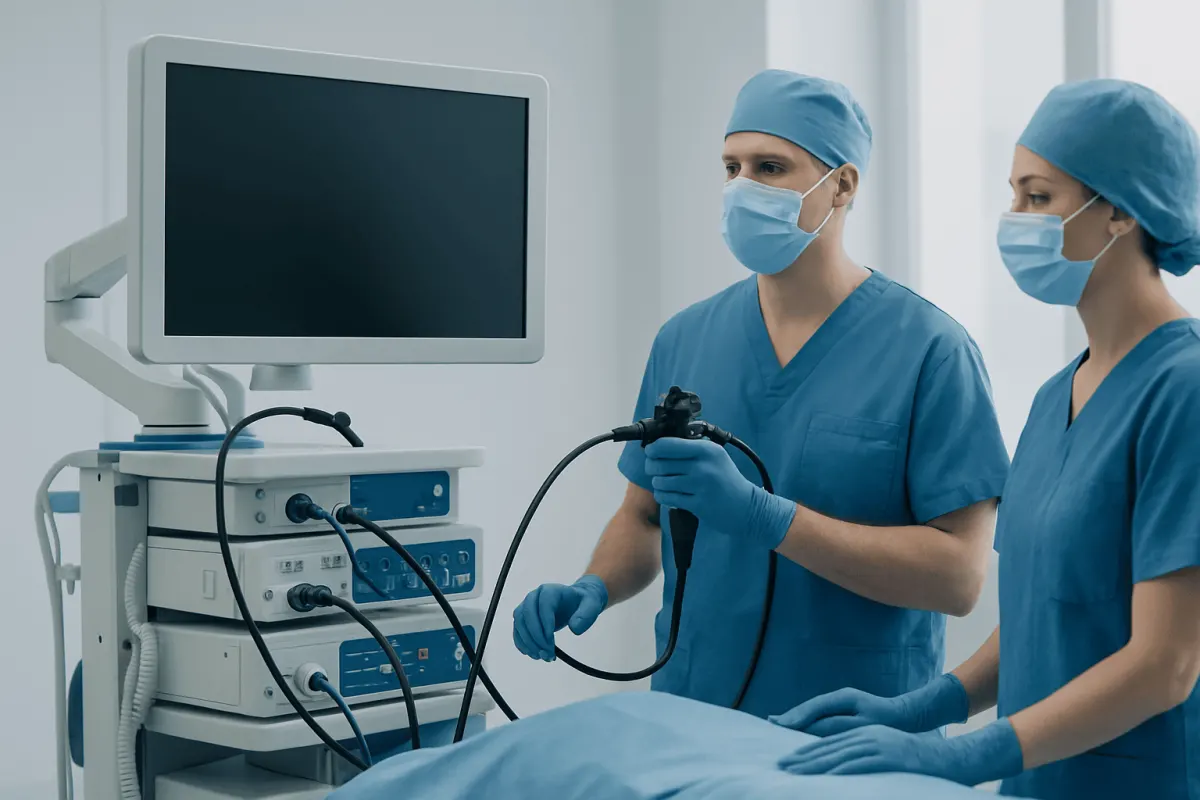
ESG and gastric sleeve are weight-loss procedures that reduce stomach capacity, but they differ in how they are performed, expected weight loss, recovery and long-term evidence. ESG is an endoscopic, incision-free procedure, while vertical sleeve gastrectomy (VSG) is an operation that permanently removes part of the stomach.
ESG vs Gastric Sleeve: Side-by-Side Comparison
ESG vs gastric sleeve is a comparison between two procedures designed to help people with obesity lose weight by limiting how much food the stomach can hold. Endoscopic sleeve gastroplasty (ESG) is performed through the mouth using a flexible endoscope, while gastric sleeve surgery, also called vertical sleeve gastrectomy (VSG), is a laparoscopic operation in which a substantial part of the stomach is removed.
| Feature | ESG | Gastric sleeve (VSG) |
|---|---|---|
| How it is performed | Endoscope passed through the mouth; internal stitches reshape the stomach | Keyhole surgery; part of the stomach is surgically removed |
| Abdominal incisions | No | Yes, usually small laparoscopic incisions |
| Reversibility | Potentially revisable in selected circumstances, although not simply reversible | Permanent removal of stomach tissue; not reversible |
| Expected weight loss | Meaningful weight loss, often less than surgical sleeve on average | Usually greater average weight loss than ESG |
| Recovery | Often shorter, with many people returning to light activities within days | Usually requires a longer recovery period after surgery |
| Evidence over time | Growing evidence, with less long-term data than surgery | Extensive long-term bariatric surgery evidence |
| Effect on reflux | May cause or worsen reflux in some people | Can worsen or newly cause reflux in some people |
Neither option is a shortcut or a stand-alone cure for obesity. They are tools that support smaller portions and changes in appetite and eating behavior. A clinician will discuss whether medical nutrition therapy, weight-management medicines, an endoscopic procedure or bariatric surgery is most appropriate.
How Clinicians Tell ESG and Gastric Sleeve Apart
The fundamental difference is anatomical. During ESG, a specialist uses an endoscope and a suturing device to fold and narrow the stomach from the inside. The stomach is left in place, but it takes on a smaller, tube-like shape. No tissue is removed, and there are no surgical cuts on the abdomen.
During gastric sleeve surgery, a bariatric surgeon removes much of the outer portion of the stomach and creates a narrow sleeve. This limits meal size and may also alter gut hormones involved in appetite and metabolism. Because the removed stomach tissue cannot be replaced, VSG is considered a permanent anatomical change.
Both procedures require sedation or anesthesia and careful assessment before treatment. This commonly includes medical history, physical examination, laboratory testing, nutritional review and discussion of mental health, medications, alcohol use, smoking and readiness for long-term follow-up. People with troublesome heartburn, a hiatal hernia, prior stomach surgery or certain eating disorders may need particularly individualized advice.
Which Is Better, ESG or VSG?

There is no single best choice for every person. VSG may be more suitable for someone who needs greater weight loss, has obesity-related medical conditions that could improve with more substantial weight reduction, or meets criteria for metabolic and bariatric surgery. It also has a longer history of follow-up data than ESG.
ESG may be considered for adults who prefer an incision-free approach, are not ready for surgery, do not qualify for or do not wish to have bariatric surgery, or want a less invasive procedural option alongside a comprehensive weight-management plan. It may also be an option after careful evaluation when structured lifestyle treatment and medicines have not provided enough benefit.
A decision should not be based on weight alone. A multidisciplinary team considers body mass index, waist-related health risks, type 2 diabetes, sleep apnea, high blood pressure, Liver Disease: Symptoms, Causes and Treatment" class="ahp-ilk">fatty liver disease, mobility, reflux, surgical history and individual goals. For people living with obesity, a clinician can explain the full range of obesity care options and the likely follow-up needed for each approach.
Is ESG Safer Than Gastric Sleeve?
ESG avoids abdominal incisions and removal of stomach tissue, so it may have a lower risk of some surgery-related complications and may allow a quicker initial recovery. However, it is still a medical procedure and should only be performed by appropriately trained clinicians in a setting equipped to manage complications.
Possible ESG complications include nausea, pain, bleeding, infection, injury to the stomach or nearby organs, blood clots and a need for additional treatment. Most people have temporary nausea, cramping or fatigue during the early recovery period, but severe or persistent symptoms should be assessed promptly.
Gastric sleeve also has important risks, including bleeding, infection, blood clots, leaks along the staple line, narrowing of the stomach and long-term nutritional concerns. Reflux can occur or worsen after either procedure, particularly after VSG in some patients. Safety depends not only on the procedure but also on appropriate patient selection, team experience, preparation and follow-up care.
How Much Weight Can You Lose With an ESG Procedure?
Weight loss after ESG varies considerably. It depends on starting weight, nutrition, activity, sleep, medications, medical conditions and engagement with follow-up. Studies commonly describe total body weight loss rather than a single fixed number, and results tend to be greater when ESG is combined with regular dietitian support, behavioral care and, when appropriate, weight-management medication.
On average, ESG generally results in less weight loss than gastric sleeve surgery, although it can still lead to clinically meaningful improvements in weight and obesity-related health measures. It is more helpful to discuss an expected range with a bariatric or endoscopy team than to rely on a promised target. Individual outcomes cannot be guaranteed.
Weight change usually develops over months rather than days. Early dietary stages focus on hydration and healing, followed by gradual introduction of nutrient-rich foods in small portions. Long-term success depends on sustainable eating patterns, physical activity appropriate to the person’s health and ongoing monitoring.
What Are the Cons of ESG Surgery?
Although people sometimes call it “ESG surgery,” ESG is generally an endoscopic procedure rather than an operation involving abdominal incisions. Its limitations include less average weight loss than surgical sleeve, fewer long-term data than established bariatric operations and the possibility of weight regain if lifestyle and follow-up support are not maintained.
ESG does not remove stomach tissue, but it still changes the way a person eats. Meals need to be smaller, eating slowly becomes important and high-calorie liquids or frequent grazing can reduce the benefit. Some people may experience reflux, nausea, abdominal discomfort or difficulty tolerating foods during recovery.
It may not be appropriate for everyone. Large hiatal hernias, certain stomach conditions, uncontrolled bleeding risks, pregnancy, active substance use or untreated eating disorders may affect eligibility. A person should also understand that revision, repeat procedures or later surgery can occasionally be needed if results are inadequate or complications occur.
What to Do for Each Situation
For a person considering ESG, the next step is an assessment with a qualified obesity medicine, gastroenterology or bariatric team. They can review whether the person’s anatomy and health history are suitable, explain preparation and recovery, and arrange nutrition and behavioral support. Endoscopic approaches should be part of a long-term care plan rather than a one-time intervention.
For a person considering gastric sleeve, a formal bariatric surgical evaluation is appropriate. The team will assess operative fitness, reflux symptoms, nutritional status and medical conditions that may influence the preferred operation. Some people may be better served by a different bariatric procedure, medicines or non-procedural treatment.
After either option, patients typically follow staged dietary guidance and attend scheduled visits to monitor weight, symptoms, nutritional intake and medical conditions. Structured bariatric surgery care and obesity treatment can help people understand available approaches and the importance of long-term follow-up.
When to Seek Medical Care
Anyone considering ESG or gastric sleeve should arrange a non-urgent consultation with a qualified clinician before choosing a procedure. Medical advice is especially important for people with diabetes, heart or lung disease, sleep apnea, liver disease, frequent heartburn, prior abdominal surgery, pregnancy plans or a history of eating disorder symptoms.
After ESG or gastric sleeve, urgent medical assessment is needed for severe or worsening abdominal or chest pain, fever, repeated vomiting, inability to keep fluids down, black stools, vomiting blood, fainting, shortness of breath or a rapid heartbeat. These symptoms do not always indicate a serious problem, but they require prompt evaluation.
Acıbadem Health Point’s multidisciplinary specialists and JCI-accredited hospitals assess and treat obesity-related conditions for international patients, with care plans tailored to clinical needs. Ongoing follow-up with the treating team remains important after any weight-loss procedure.
Frequently asked questions
01Is ESG permanent?
ESG changes the shape of the stomach using internal sutures and is intended to be a durable procedure. Unlike gastric sleeve surgery, no stomach tissue is removed. However, the stomach can adapt over time, and weight regain is possible without long-term nutrition, activity and clinical follow-up.
02Is gastric sleeve the same as VSG?
Yes. Gastric sleeve is commonly called vertical sleeve gastrectomy, or VSG. It is a bariatric operation in which a large portion of the stomach is removed to create a narrow sleeve-shaped stomach.
03Does ESG require general anesthesia?
ESG is commonly performed with anesthesia so that the patient is comfortable and still during the procedure. The specific anesthesia approach depends on the treatment center, the person’s medical history and the anesthesiology assessment. The care team will explain preparation and safety considerations in advance.
04Can ESG or gastric sleeve improve diabetes?
Weight loss after either procedure may improve blood sugar control and other obesity-related conditions in some people. Gastric sleeve has more extensive evidence for metabolic improvements, but results vary. Diabetes medicines should only be adjusted under the guidance of the treating clinician.
05Can a person have gastric sleeve after ESG?
In selected cases, bariatric surgery may still be possible after ESG. The decision depends on stomach anatomy, the reason for further treatment, weight and health goals, and the experience of the surgical team. Detailed assessment is needed before planning any revision or conversion procedure.
06What diet is needed after ESG or gastric sleeve?
Both procedures require a staged diet that usually begins with fluids and gradually progresses to soft foods and then small portions of solid, nutrient-dense foods. The exact schedule differs by procedure and clinical team. A dietitian can help patients meet protein, fluid and vitamin or mineral needs while healing.
This article is for general information only and is not a substitute for professional medical advice. Please consult a qualified doctor about your individual situation.
Medical weight-loss options in Turkey — costs & eligibility
JCI-accredited · board-certified surgeons · reply within 24h
Add us as a Preferred Source to see more of our trusted health content across Google Search, AI Overviews and Discover.