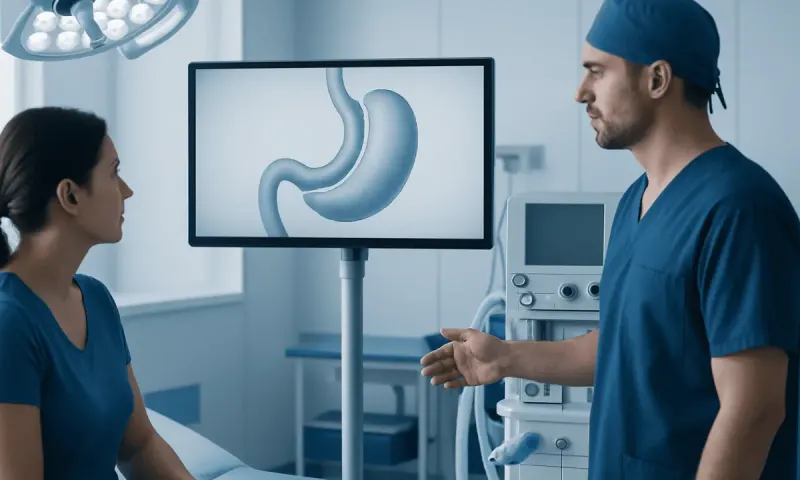
Stomach Stretching After Gastric Sleeve: Myth or Real Cause of Weight Regain?

Many people worry that stomach stretching after gastric sleeve is the main reason for weight regain. In reality, the sleeve can expand somewhat over time, but weight changes are usually influenced by eating patterns, hormones, lifestyle habits, and the body’s natural adaptation after surgery.
Overview
Stomach stretching after gastric sleeve is a common concern, especially for people who notice increased hunger or some weight regain months or years after surgery. Sleeve gastrectomy works by removing a large portion of the stomach, leaving a narrow tube-shaped stomach or “sleeve.” This smaller stomach helps people feel full sooner and also affects hormones involved in appetite.
Over time, the sleeve is not completely rigid. Like other tissues in the body, it can relax and adapt to regular food intake. However, this does not usually mean the stomach has returned to its original size. In most cases, weight regain is more complex than a simple mechanical problem. It often reflects a combination of biological, behavioral, and lifestyle factors.
That is why the question is best framed as: can the stomach stretch somewhat after gastric sleeve, and can that contribute to regain? The answer is yes, to a degree. But for most patients, it is only one part of the picture. A careful review with a bariatric specialist can help identify the true causes and the most appropriate next steps.
Can the stomach really stretch after gastric sleeve?
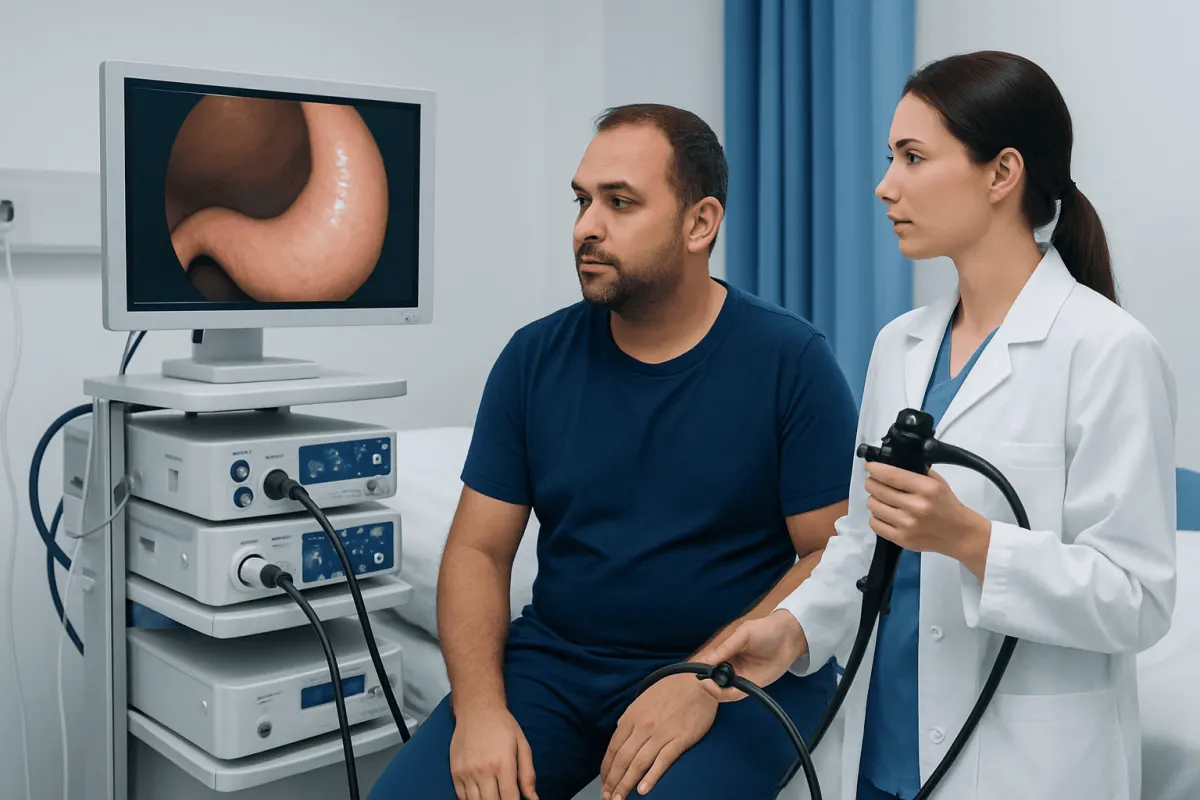
Yes, some expansion can happen after sleeve gastrectomy. In the early period after surgery, the stomach is swollen and relatively tight. As healing progresses, inflammation settles and the sleeve becomes more flexible. Later, regular eating and normal tissue adaptation can allow a modest increase in capacity. This is expected to some extent and does not automatically mean the operation has failed.
What matters is the degree of change and whether it is enough to affect fullness and long-term weight control. A small increase in stomach volume is common. A much larger sleeve, a dilated upper pouch area, or technical differences from the original procedure may play a role in selected patients, but these issues are not present in everyone with weight regain.
It is also important to separate “feeling able to eat more” from true anatomical stretching. People may tolerate larger portions over time because they eat more slowly, choose softer foods, drink high-calorie liquids, or snack frequently. These patterns can increase calorie intake even when the sleeve itself has not changed dramatically.
Why weight regain happens after gastric sleeve
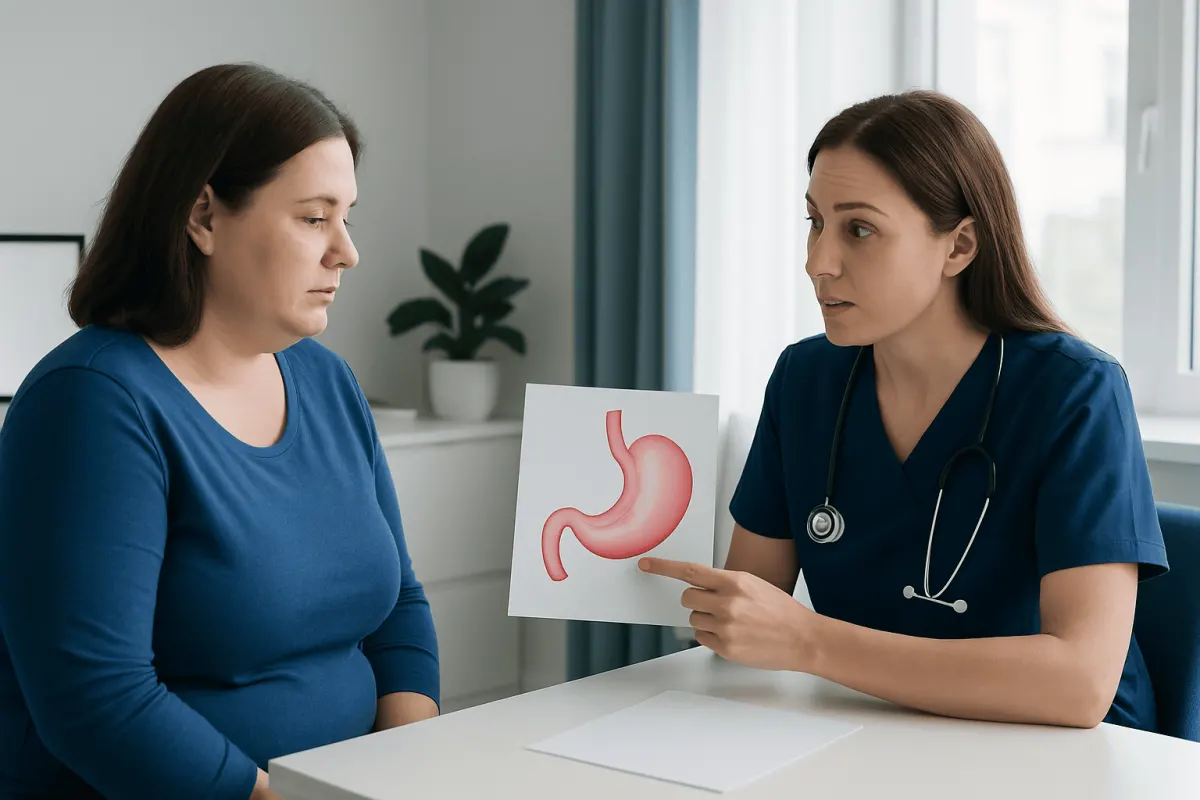
Weight regain after bariatric surgery is usually multifactorial. The body naturally adapts to Acid Reflux Weight Loss: A Complete Medical Overview" class="ahp-ilk">weight loss by increasing hunger signals and reducing energy expenditure. This makes long-term weight maintenance challenging even when surgery has been successful. Hormonal changes, stress, mood, and sleep can all influence appetite and food choices.
Behavioral patterns are also very important. Common contributors include grazing throughout the day, frequent sweets, emotional eating, low protein intake, calorie-dense snacks, and sugary or high-calorie drinks that pass through the sleeve quickly. Reduced physical activity and loss of regular follow-up can further increase the chance of regain.
In some cases, medical issues may contribute. These can include poorly controlled hypothyroidism, certain medications, pregnancy-related changes, depression, or reflux that leads a person to choose softer, more frequent foods. A bariatric team may also consider whether another condition is present, such as obesity or metabolic problems that need broader management.
- Increased portion sizes over time
- Frequent snacking or grazing
- Liquid calories such as sweetened coffee drinks, juice, or alcohol
- Stress, anxiety, depression, or emotional eating
- Sleep deprivation and reduced exercise
- Loss of follow-up with the bariatric care team
Symptoms and signs that deserve attention
Weight regain itself does not prove that the stomach has stretched. However, certain changes may be worth discussing with a doctor. These include eating much larger meals than before, feeling less fullness after meals, frequent hunger soon after eating, or return of obesity-related health problems such as high blood pressure or high blood sugar.
Some people also notice worsening acid reflux, nausea, or discomfort after meals. These symptoms do not always point to sleeve enlargement, but they may suggest another issue such as sleeve anatomy changes, a hiatal hernia, or irritation of the upper digestive tract. Reflux in particular deserves medical review because it can affect quality of life and may need treatment.
Another sign is a change in eating behavior that feels hard to control, such as repetitive snacking, nighttime eating, or using food to cope with emotions. These patterns are common and treatable, but they are easy to overlook if the focus stays only on stomach size. A supportive, non-judgmental assessment is often the most useful starting point.
How doctors evaluate possible stomach stretching
Assessment usually begins with a detailed history rather than immediate testing. A bariatric specialist or dietitian may ask about meal structure, protein intake, fluid habits, portion sizes, reflux symptoms, medications, exercise, sleep, and emotional health. This review can reveal important causes of regain that are not visible on a scan.
If there are concerns about the anatomy of the sleeve, doctors may use imaging or endoscopy. An upper gastrointestinal contrast study can show the general shape and size of the sleeve. An Colonoscopy: Which Test Looks at What?" class="ahp-ilk">upper endoscopy allows the doctor to look directly at the inside of the esophagus and stomach and check for problems such as dilation, narrowing, reflux-related irritation, or a hiatal hernia.
Laboratory tests may also be helpful. Blood work can check for nutritional deficiencies, thyroid function, blood sugar changes, and other issues that may affect energy balance or eating behavior. If a structural concern is identified, the team may discuss whether lifestyle treatment is enough or whether another intervention should be considered, including options related to obesity surgery.
Treatment options if weight regain occurs
Treatment depends on the cause. For many patients, the first step is renewed nutritional and behavioral support. This may include structured meals, higher protein intake, avoiding liquid calories, mindful eating, regular activity, and treatment for emotional eating or sleep problems. Returning to consistent follow-up can be very effective, especially when regain is recognized early.
Medications for weight management may be appropriate for some people after gastric sleeve. A doctor can decide whether anti-obesity medication is suitable based on overall health, weight pattern, and any related conditions. These medicines are not a shortcut, but they can support appetite control and long-term maintenance when used as part of a comprehensive plan.
When there is clear anatomical change, severe reflux, or substantial regain despite appropriate non-surgical care, revisional procedures may be discussed. Depending on the individual situation, options can include conversion to another bariatric operation such as gastric bypass or selected endoscopic or surgical approaches. If reflux or upper stomach anatomy is involved, evaluation may also overlap with gastroenterology care. The right choice depends on symptoms, anatomy, previous results, and the person’s long-term goals.
Prevention and self-care after gastric sleeve
Long-term success after sleeve gastrectomy usually depends on daily habits as much as on the surgery itself. Regular meals centered on protein, vegetables, and fiber-rich foods can help fullness last longer. Eating slowly, chewing thoroughly, and stopping at the first signs of satisfaction may reduce the chance of routinely overfilling the sleeve.
It can also help to separate eating and drinking, avoid frequent high-calorie beverages, and limit grazing. Routine physical activity supports weight maintenance and preserves muscle mass. Good sleep and stress management matter as well, because appetite often rises when a person is tired or under emotional strain.
Follow-up remains one of the most important protective steps. Regular visits with the bariatric team allow early identification of weight changes, reflux, nutritional deficiencies, and behavior patterns that may need attention. Near the end of the care pathway, some international patients choose centers such as Acıbadem Health Point, where multidisciplinary specialists in JCI-accredited hospitals evaluate and treat bariatric concerns in a coordinated way.
When to see a doctor
A person should speak with a doctor if there is noticeable or persistent weight regain, especially if old health problems are returning. Medical review is also important when hunger has changed significantly, eating feels out of control, or there is concern that the surgery is no longer working as expected. Early advice is often more helpful than waiting until regain becomes substantial.
Urgent assessment is appropriate for severe reflux, repeated vomiting, trouble swallowing, dehydration, black stools, or ongoing abdominal pain. These symptoms are not typical signs of simple stretching and may point to another digestive problem that needs prompt care.
Even when symptoms are less dramatic, a professional evaluation can be reassuring. Many causes of regain are manageable, and support is available. The goal is not blame, but understanding what has changed and creating a practical plan for health, nutrition, and sustainable weight control.
Frequently asked questions
01Is stomach stretching after gastric sleeve a myth?
No. The stomach sleeve can expand somewhat over time, because body tissues naturally adapt after healing. However, this is usually only one possible factor in weight regain, not the whole explanation.
02How much stretching is normal after gastric sleeve?
A modest increase in capacity is expected as swelling settles and the stomach becomes more flexible. This does not mean the stomach has returned to its pre-surgery size. If there is concern about a major anatomical change, a doctor may recommend imaging or endoscopy.
03Does weight regain always mean the sleeve has stretched?
No. Weight regain can happen for many reasons, including grazing, liquid calories, reduced exercise, stress, poor sleep, hormonal adaptation, or certain medications. That is why a full bariatric review is more useful than assuming stomach stretching is the cause.
04Can a stretched gastric sleeve shrink again?
A stomach that has adapted over time does not usually return completely to its immediate post-surgery tightness on its own. Still, symptoms and weight control can often improve with structured eating, behavioral support, exercise, and medical treatment. In selected cases, revisional procedures may be considered.
05What tests show whether the stomach sleeve has stretched?
Doctors may use an upper gastrointestinal contrast study or an upper endoscopy to assess the shape and size of the sleeve and to look for reflux-related changes or a hiatal hernia. The evaluation often also includes a detailed nutrition and lifestyle review, because anatomy is only one part of the picture.
06Can people lose weight again after regaining weight post-sleeve?
Yes, many people can lose weight again with the right support. The best approach depends on the reason for the regain and may include nutrition counseling, activity changes, psychological support, medications, or revisional bariatric treatment. A personalized plan from a qualified team is usually the most effective option.
This article is for general information only and is not a substitute for professional medical advice. Please consult a qualified doctor about your individual situation.
Medical weight-loss options in Turkey — costs & eligibility
JCI-accredited · board-certified surgeons · reply within 24h
Add us as a Preferred Source to see more of our trusted health content across Google Search, AI Overviews and Discover.