The Epididymis Matures, Stores, and Transports Sperm
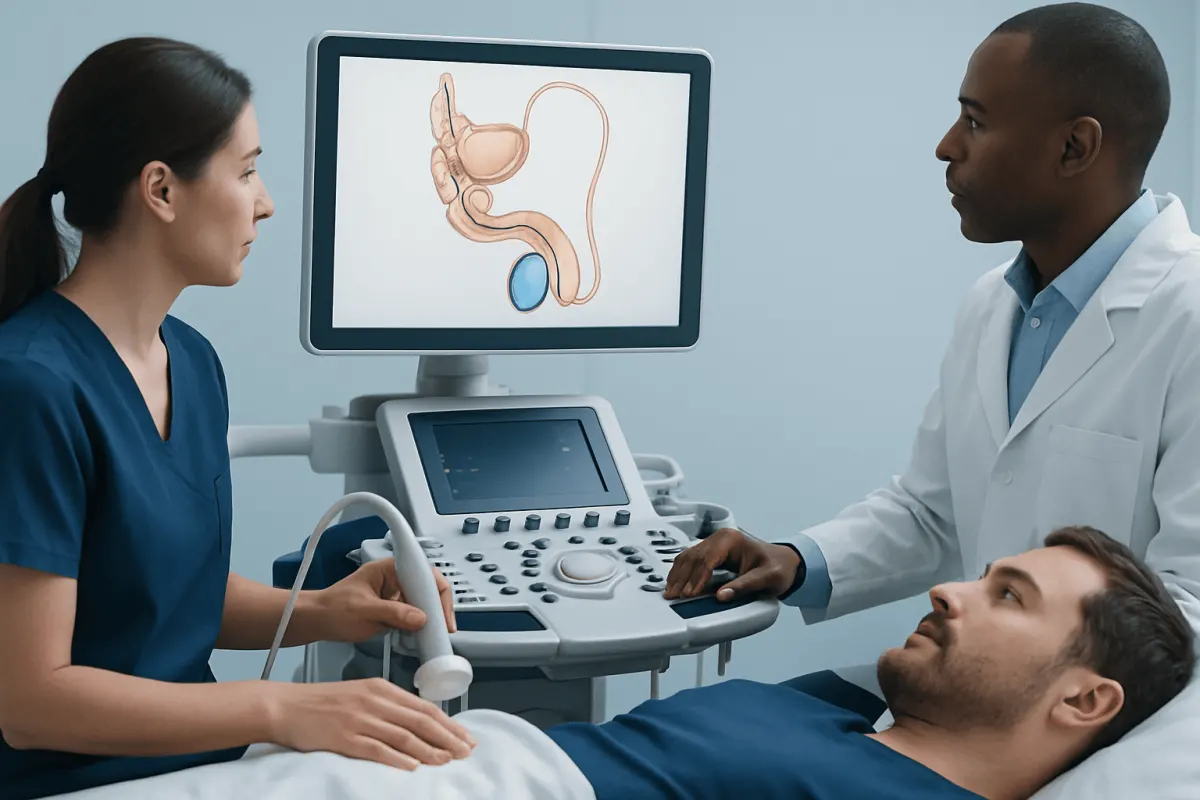
Ever felt a small, tender lump at the back of one testicle and wondered what it even is? That soft, coiled tube is the epididymis, and it does three jobs: it helps sperm mature, stores them, and moves them from the testicle toward the vas deferens.
Knowing what this small but important structure does makes it easier to recognize normal reproductive anatomy, spot common symptoms, and know when it is time to ask a doctor.
Overview: what epididymis function means
The epididymis is a long, tightly coiled tube that lies along the back and upper part of each testicle. Its main role is not to make sperm, but to help sperm mature after they are produced in the testicle. In simple terms, epididymis function includes maturing sperm, storing them until ejaculation, and transporting them into the next part of the reproductive tract.
This matters because sperm leaving the testicle are not yet fully capable of moving effectively or fertilizing an egg. As they pass through the epididymis, they undergo changes that improve motility and function. The epididymis also helps create an environment that protects sperm and keeps them viable until they are needed.
People often mix the epididymis up with the testicle itself, or assume it just sits there as a passive tube. It does not. It is an active, highly specialized structure, and normal male fertility depends on it. When it becomes inflamed, blocked, or injured, symptoms can develop and fertility may be affected.
Where the epididymis is and how it works
Each epididymis connects to a testicle and continues into the vas deferens, the tube that carries sperm during ejaculation. It is usually divided into three parts: the head, body, and tail. Sperm enter through the head, continue maturing through the body, and are mainly stored in the tail before moving onward.
The epididymis works by exposing sperm to a carefully regulated fluid environment. Cells lining the tube absorb and secrete substances that support sperm development. This helps sperm gain the ability to swim properly and prepares them for later steps in fertilization.
Its functions can be summarized as:
- Maturing sperm after they leave the testicle
- Storing sperm until ejaculation
- Transporting sperm toward the vas deferens
- Protecting sperm through a controlled chemical environment
- Removing damaged or nonfunctional sperm cells
The epididymis sits so close to the testicle that most people cannot tell exactly where their pain is coming from. So do not write off testicular or scrotal discomfort as a pulled muscle or passing irritation — have a clinician look at it.
Why epididymis function matters for fertility and reproductive health
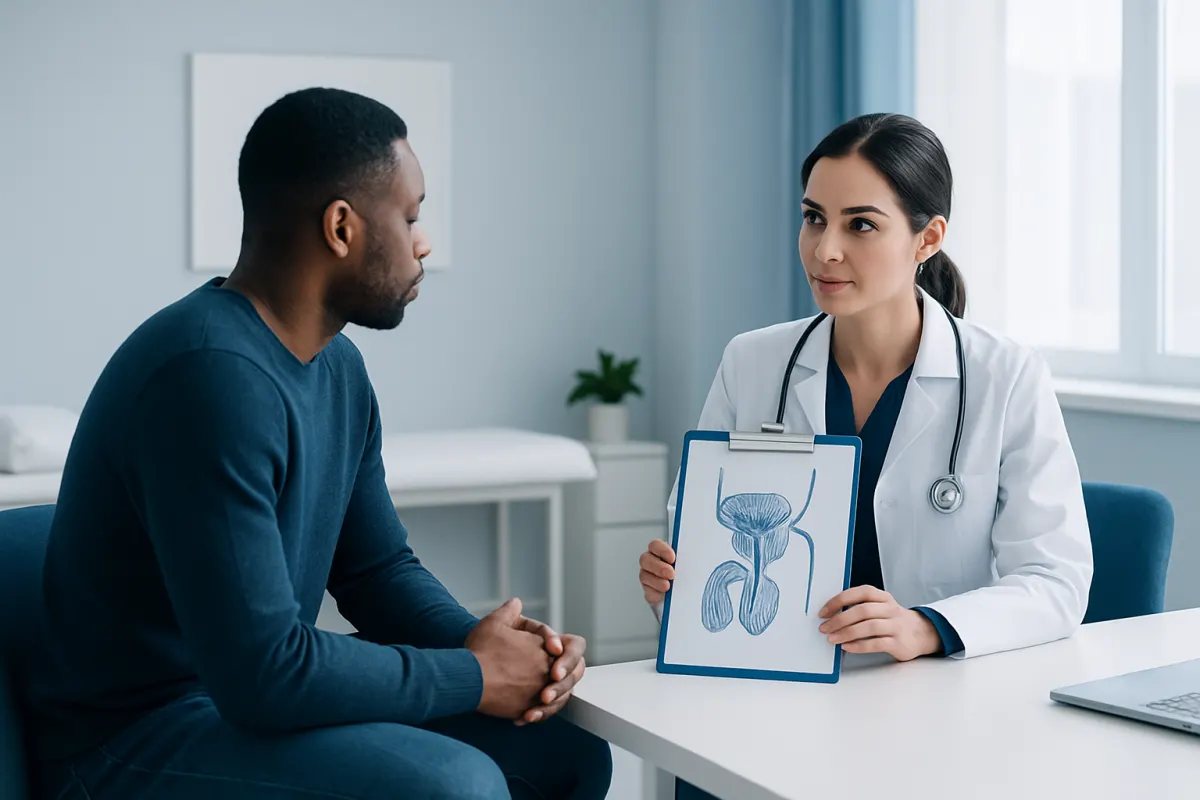
The testicles produce sperm, but sperm quality depends heavily on what happens afterward in the epididymis. Without normal epididymis function, sperm may remain immature, have reduced movement, or be unable to survive long enough to support conception. For this reason, the epididymis is closely linked to male fertility even though it does not produce testosterone or create sperm directly.
Problems affecting the epididymis may contribute to pain, swelling, or changes seen on a fertility evaluation. In some cases, a blockage can interfere with sperm transport. In others, inflammation from infection or noninfectious causes can alter the local environment and affect sperm health.
When fertility is a concern, doctors may evaluate the epididymis as part of a broader workup that also considers the testicles, hormones, and semen analysis. Related conditions in the male reproductive tract, including varicocele, may also influence sperm quality and need separate assessment.
Common symptoms and problems involving the epididymis
Symptoms related to the epididymis often involve the scrotum and may affect one side more than the other. Common concerns include pain, tenderness, swelling, a feeling of heaviness, or a small lump near the back of the testicle. Some people also notice redness, warmth, discomfort during urination, or pain after ejaculation.
One of the best-known conditions is epididymitis, which means inflammation of the epididymis. It can be caused by infection, including sexually transmitted infections in some adults, or by other noninfectious triggers such as urine reflux, recent procedures, or irritation. Chronic discomfort can occur in some people even after the original cause improves.
Other epididymal problems include cysts, spermatocele, blockage, injury, or scarring. Although many lumps in this region turn out to be benign, a new mass, persistent swelling, or severe pain should never be ignored. Some symptoms that seem similar may come from a different condition, such as testicular cancer or an urgent issue like torsion, which requires rapid medical attention.
Not every symptom means something serious, but the pattern tells us a lot. Sudden severe pain is a very different story from a mild fullness that has not changed in years. A clinician can help distinguish among inflammation, fluid collections, hernia, vascular causes, and other conditions affecting the scrotum.
Causes, risk factors, and what can affect epididymis function
Several factors can interfere with normal epididymis function. Infections are a common cause of inflammation, especially bacterial infections affecting the urinary tract or reproductive tract. Sexually transmitted infections may be involved in some age groups, while in others the cause may relate more to urinary reflux, prostate issues, catheter use, or recent urologic procedures.
Physical injury can also affect the epididymis. Sports trauma, accidental impact, or surgery in the groin or scrotal area may lead to pain, swelling, or scar tissue. In some cases, prior surgery such as vasectomy changes the way sperm move through the reproductive tract and may contribute to pressure-related discomfort or cyst formation.
Additional risk factors include:
- Unprotected sex and exposure to sexually transmitted infections
- Urinary tract infection or prostatitis
- Anatomical abnormalities or obstruction
- Recent urologic instrumentation or surgery
- Repeated strain or local trauma
- History of infertility evaluation or prior scrotal disease
Sometimes we never find a clear cause, especially with long-standing discomfort. It is still worth being examined: the first job is to rule out anything urgent or treatable, and to protect your comfort, your fertility, and your day-to-day life.
How doctors diagnose epididymal conditions
Diagnosis starts with a medical history and physical examination. A doctor will usually ask when symptoms began, whether pain came on suddenly or gradually, and whether there are urinary symptoms, fever, injury, or sexual health concerns. The exam helps identify where tenderness is located and whether the epididymis, testicle, or nearby structures are involved.
Depending on the symptoms, tests may include a urine test, testing for infection, and blood work. Imaging is commonly used when there is swelling, pain, or uncertainty on examination. Ultrasound is especially helpful because it can show the epididymis, testicle, blood flow, cysts, fluid collections, and signs suggesting inflammation or torsion.
If fertility is a concern, a doctor may also recommend semen analysis and, when appropriate, hormone testing. In selected cases, further evaluation by a urologist is needed to assess obstruction, chronic pain, or structural abnormalities. The goal is not only to name the problem but to separate common inflammatory causes from conditions that require urgent treatment.
Treatment options and self-care
Treatment depends on the cause. If infection is suspected, a doctor may prescribe appropriate antibiotics based on likely organisms and test results. Supportive measures often include rest, scrotal support, anti-inflammatory pain relief if medically suitable, hydration, and limiting activities that worsen discomfort. Symptoms frequently improve over days to weeks, but follow-up is important if pain persists.
Noninfectious inflammation may be managed with symptom control, activity modification, and treatment of any contributing urinary or prostate issues. Cysts or spermatoceles that are small and not bothersome may only need observation. When pain is significant, a mass is enlarging, or there is concern about blockage or another structural problem, referral to urology is appropriate.
In some situations, procedures or surgery may be considered, especially if there is persistent pain, obstruction, or another confirmed condition needing intervention. More specialized management may overlap with broader urology care, and imaging or tissue evaluation can be important when the diagnosis is uncertain.
Some patients need several specialists working together, especially when fertility, chronic pain, or a possible tumor all have to be sorted out at once. Acıbadem Health Point’s multidisciplinary specialists in JCI-accredited hospitals diagnose and treat male reproductive conditions for international patients, including cases that may require robotic surgery or testicular cancer treatment when clinically indicated.
When to seek medical care
Medical review is recommended for any new scrotal pain, swelling, or lump, especially if symptoms do not improve quickly or keep coming back. Even when the cause is ultimately minor, it is important to confirm that the testicle itself is healthy and that there is no urgent problem.
Urgent care is needed if pain starts suddenly, becomes severe, or is accompanied by nausea, vomiting, marked swelling, fever, or a high-riding testicle. These features can suggest testicular torsion or another emergency in which treatment should not be delayed. A new hard lump in or around the testicle also needs prompt assessment.
People trying to conceive should also speak with a doctor if they have a history of epididymal infection, surgery, injury, or long-standing scrotal symptoms. Early evaluation can help guide testing, protect fertility where possible, and reduce uncertainty. Do not try to work this out on your own — in this part of the body, very different conditions can feel almost identical.
Frequently asked questions
01What does the epididymis do?
The epididymis helps sperm mature after they are made in the testicle. It also stores sperm and transports them toward the vas deferens during ejaculation.
02Can the epididymis affect fertility?
Yes. Normal epididymis function is important because sperm need to mature there before they can move effectively and support fertilization. Inflammation, scarring, or blockage may reduce sperm transport or quality.
03Is epididymis pain always an infection?
No. Infection is one possible cause, but pain can also come from injury, cysts, chronic inflammation, torsion, or problems involving nearby structures. Because symptoms can overlap, medical assessment is the safest way to find the cause.
04How can someone tell the difference between epididymis pain and testicle pain?
It is often difficult to tell without an examination because the structures sit very close together. Epididymal discomfort may be felt more at the back of the testicle, but pain location alone is not enough to make a diagnosis.
05Does a lump near the epididymis mean cancer?
Not necessarily. Some lumps are benign, such as epididymal cysts or spermatoceles. However, any new or changing lump in the scrotum should be checked promptly to rule out testicular cancer or other important conditions.
06When should sudden scrotal pain be treated as an emergency?
Sudden, severe scrotal pain should be treated as urgent, especially if it comes with nausea, swelling, or a change in testicle position. These symptoms can suggest testicular torsion, which needs rapid treatment to protect the testicle.
This article is for general information only and is not a substitute for professional medical advice. Please consult a qualified doctor about your individual situation.
IVF & fertility treatment in Turkey — success rates and costs
JCI-accredited · board-certified surgeons · reply within 24h
Add us as a Preferred Source to see more of our trusted health content across Google Search, AI Overviews and Discover.