How the Bladder Stores Urine and What Symptoms Mean
Ever had to plan your day around where the nearest bathroom is? Or woken up twice in one night to pass urine? Your bladder is a hollow organ that stores urine until your body is ready to let it go, and most of the time you never think about it at all.
Knowing how the bladder works, which symptoms are common, and which changes need a doctor’s attention can help you protect your urinary health and get care at the right time.
Overview: what the bladder does
The bladder is a flexible, muscular organ in the lower abdomen that stores urine before it leaves the body. Urine is made by the kidneys, travels through the ureters to the bladder, and is then passed through the urethra during urination. In simple terms, the bladder acts as a storage reservoir and emptying pump, helping the body remove waste and maintain fluid balance.
A healthy bladder expands as it fills and then contracts when a person urinates. This process depends on good coordination between the bladder muscle, the urinary sphincters, and the nerves that send signals between the bladder and brain. Most of us never give this system a thought until urgency, leakage, burning, or pain starts getting in the way of daily life.
When people say “bladder,” they may mean the organ itself or one of the many conditions that affect it. Some are short-term and easy to treat, like a urinary tract infection. Others are longer-lasting, such as overactive bladder or bladder outlet obstruction. Since the symptoms overlap so much, it is worth getting checked if changes stick around.
How the bladder works
The bladder wall contains a smooth muscle called the detrusor. As urine enters, the bladder stretches to hold it at low pressure. When it is socially appropriate to urinate, the brain signals the detrusor muscle to contract while the urinary sphincters relax. This coordinated action allows the bladder to empty in a controlled way.
Normal bladder control depends on several parts of the body working together. The kidneys make urine, the ureters deliver it, the bladder stores it, and the urethra carries it out. Pelvic floor muscles also provide support, especially during coughing, laughing, lifting, or exercise.
With age, pregnancy, prostate enlargement, certain medications, constipation, neurological conditions, and other health issues, this system may become less efficient. The result may be symptoms such as needing to urinate more often, leaking urine, trouble starting the stream, or feeling that the bladder does not fully empty.
- Storage symptoms: urgency, frequent urination, nighttime urination, leakage
- Emptying symptoms: weak stream, straining, hesitancy, incomplete emptying
- Irritative symptoms: burning, discomfort, pressure, bladder pain
Common bladder symptoms and what they may mean

Bladder symptoms are common and can have many causes. Urinary frequency means needing to urinate more often than usual. Urgency is a sudden, hard-to-delay need to urinate. Nocturia refers to waking at night to pass urine. These symptoms may occur with high fluid intake, caffeine use, urinary tract infection, diabetes, pregnancy, enlarged prostate, or overactive bladder.
Burning during urination may suggest infection or inflammation. Pelvic pressure, lower abdominal pain, or discomfort when the bladder fills can occur with infection, bladder irritation, or conditions such as interstitial cystitis. Leakage can happen when the pelvic floor is weak, when the bladder contracts too strongly, or when there is an obstruction affecting normal emptying.
Take blood in the urine seriously, even if you see it just once and it does not hurt. It can occur with infection, kidney or bladder stones, injury, enlarged prostate, certain kidney conditions, or cancer. Difficulty urinating, a very weak stream, or the inability to pass urine may point to blockage or nerve-related bladder dysfunction and deserves prompt evaluation.
Causes and risk factors for bladder problems
Bladder symptoms do not always come from the bladder. They may reflect changes elsewhere in the urinary tract or nervous system. One of the most common causes is urinary tract infection, which can irritate the bladder lining and cause burning, urgency, and frequency. Doctors may also evaluate for urinary tract infection when symptoms come on suddenly.
Other common causes include bladder stones, kidney stones passing into the lower urinary tract, constipation, pelvic floor dysfunction, and obstruction from prostate enlargement or pelvic organ prolapse. In some people, the bladder muscle becomes overactive and contracts too soon, causing urgency and leakage. Neurological conditions such as stroke, multiple sclerosis, spinal cord disease, or diabetes-related nerve damage can also affect bladder control.
Risk factors differ from one condition to the next, but they commonly include older age, smoking, repeated infections, low fluid intake, pregnancy and childbirth, obesity, menopause, prostate enlargement, prior pelvic surgery, radiation treatment, and use of bladder-irritating substances such as caffeine or alcohol. Some medications can also change bladder function by increasing urine production, causing retention, or affecting muscle contraction.
Less commonly, persistent bladder symptoms may be related to tumors or structural abnormalities. That is one reason not to shrug off recurring symptoms, especially blood in the urine or unexplained weight loss. A careful medical review helps separate harmless triggers from conditions that need treatment.
How bladder conditions are diagnosed
Diagnosis begins with a history and physical examination. A doctor usually asks about the timing of symptoms, fluid intake, urination pattern, pain, leakage, medications, bowel habits, and any neurological or gynecological or prostate-related issues. Keeping a bladder diary for a few days can be useful because it shows how often a person urinates, how much they drink, and when symptoms occur.
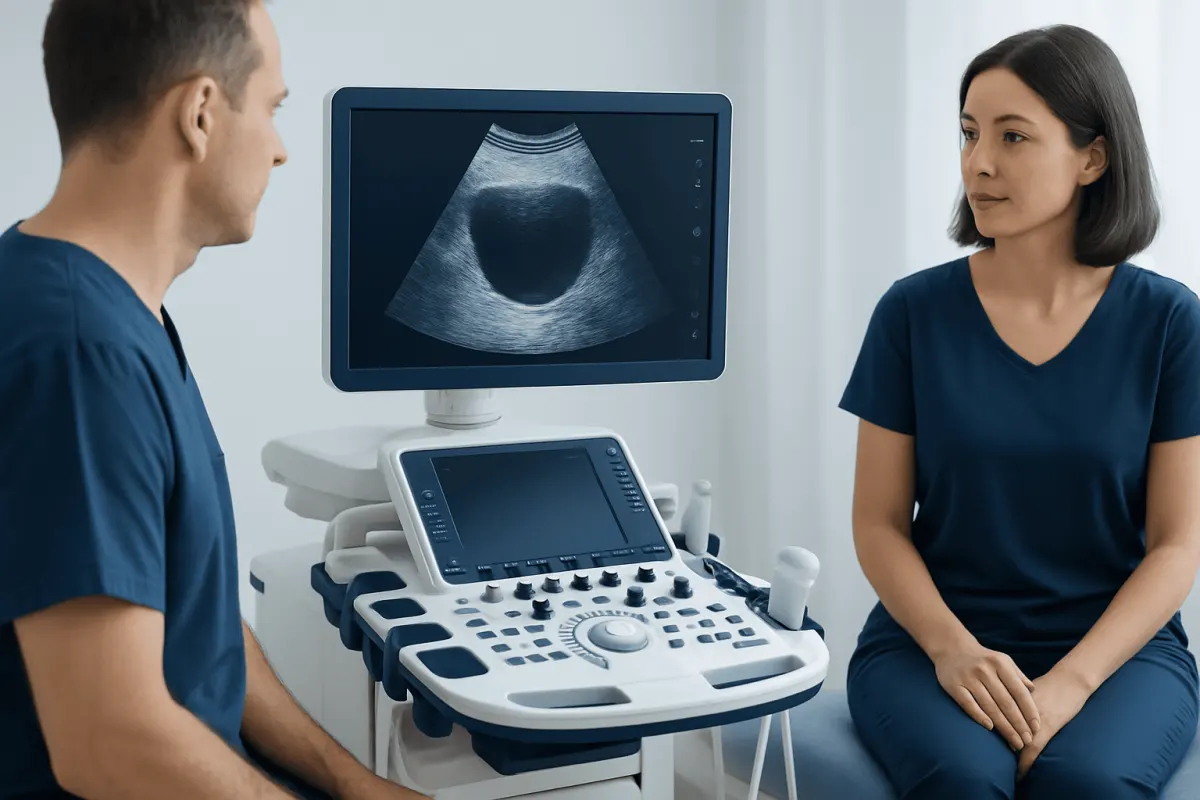
Urine testing is often the first step. A urinalysis can look for blood, infection, sugar, or signs of inflammation, and a urine culture may be done if infection is suspected. Blood tests may be recommended to assess kidney function or other related concerns. If a person has difficulty emptying the bladder, the doctor may measure post-void residual urine with ultrasound.
Further testing depends on the clinical picture. Imaging such as ultrasound or CT may help identify stones, blockage, structural problems, or masses. Cystoscopy allows a specialist to look inside the bladder with a small camera. In selected patients, urodynamic testing measures how well the bladder stores and releases urine. When treatment is being considered, this assessment may be paired with urology evaluation and management to guide the most appropriate next step.
Treatment options for bladder disorders
Treatment depends on the cause rather than the symptom alone. For infection, doctors may prescribe antimicrobial treatment after appropriate testing. For overactive bladder, treatment often starts with bladder training, timed voiding, pelvic floor exercises, reducing irritants such as caffeine, and reviewing medications. If symptoms continue, medicines or other therapies may be recommended.
When leakage is related to pelvic floor weakness, pelvic floor rehabilitation can help improve support and control. Some patients benefit from procedures designed to support the urinary tract, while others need treatment for obstruction, stones, or nerve-related dysfunction. If a bladder stone or urinary tract stone is contributing to symptoms, a specialist may discuss stone treatment options when relevant.
More advanced treatment may be needed for persistent retention, severe urgency, or structural disease. This can include catheter-based management, minimally invasive procedures, Botox injections for selected overactive bladder cases, or surgery for prolapse, prostate obstruction, or tumors. If there is concern about a bladder growth, a specialist may evaluate for bladder cancer and recommend biopsy or further treatment when necessary.
If your symptoms are long-standing or complicated, having several specialists look at the same problem usually helps. At Acıbadem Health Point, our JCI-accredited hospitals diagnose and treat bladder conditions for international patients, bringing in urology, imaging, oncology, and rehabilitation teams as needed.
Prevention and self-care for bladder health
Good bladder habits can reduce irritation and may lower the risk of some urinary problems. Staying adequately hydrated helps keep urine less concentrated, although drinking excessive amounts may worsen frequency. It is usually helpful to spread fluids through the day rather than drinking large volumes at once. Limiting caffeine, alcohol, and carbonated drinks may reduce urgency in sensitive individuals.
Regular bathroom habits also matter. It is generally better not to hold urine for very long and not to strain repeatedly when trying to empty the bladder. Managing constipation can improve bladder symptoms because a full bowel can put pressure on the bladder. Eating fiber-rich foods, staying active, and drinking enough fluids may support both bowel and bladder function.
Pelvic floor exercises can help some people with urgency or leakage, especially after pregnancy or with age-related weakness. Maintaining a healthy weight, stopping smoking, and controlling blood sugar in diabetes may also protect long-term bladder function. People who develop recurrent infections or ongoing urinary changes should not rely on home remedies alone; they should seek medical advice for a clearer diagnosis.
When to seek medical care
Medical care is appropriate if bladder symptoms last more than a few days, keep coming back, or interfere with sleep, work, travel, or exercise. A doctor should also assess leakage that is new, worsening, or affecting quality of life. Early evaluation can help identify simple and treatable causes before complications develop.
Prompt medical attention is especially important for visible blood in the urine, fever with urinary symptoms, flank pain, severe lower abdominal pain, vomiting, confusion, or the inability to pass urine. These symptoms can suggest infection that is spreading, a stone causing obstruction, or acute urinary retention.
Children, older adults, pregnant people, and anyone with weakened immunity or known kidney disease may need earlier assessment because urinary problems can become more serious in these groups. As a rule, if a bladder change lasts or you cannot explain it, talk to a clinician instead of waiting it out.
Frequently asked questions
01What is the bladder and what does it do?
The bladder is a hollow muscular organ that stores urine until the body is ready to pass it. It works with the kidneys, ureters, urethra, pelvic floor, and nervous system to control urination.
02What are the most common bladder symptoms?
Common symptoms include frequent urination, sudden urgency, burning, leaking urine, waking at night to urinate, weak stream, pelvic pressure, and blood in the urine. These symptoms can have many causes, so persistent changes should be assessed by a doctor.
03Can bladder problems go away on their own?
Some mild symptoms related to temporary irritation, dehydration, or short-lived triggers may improve. However, symptoms that last, recur, or are severe should not be ignored because they may reflect infection, stones, obstruction, or another condition that needs treatment.
04Does blood in the urine always mean cancer?
No, blood in the urine can happen for many reasons, including infection, stones, inflammation, exercise, or prostate-related conditions. Still, it always deserves medical evaluation because bladder or kidney cancer is one of the possible causes.
05How do doctors test bladder function?
Doctors often begin with a medical history, physical exam, and urine testing. Depending on symptoms, they may also use ultrasound, post-void residual measurement, cystoscopy, or urodynamic testing to understand how the bladder stores and empties urine.
06What lifestyle changes support bladder health?
Helpful steps may include drinking enough water, reducing caffeine and alcohol if they trigger symptoms, avoiding constipation, maintaining a healthy weight, and practicing pelvic floor exercises when recommended. Smoking cessation is also important, especially because smoking increases the risk of bladder cancer.
This article is for general information only and is not a substitute for professional medical advice. Please consult a qualified doctor about your individual situation.
Explore treatments in Turkey — costs, top hospitals & a free quote
JCI-accredited · board-certified surgeons · reply within 24h
Add us as a Preferred Source to see more of our trusted health content across Google Search, AI Overviews and Discover.