

Enucleation: Procedure, Reasons and Recovery
- 9 min read
- Published November 28, 2026
Key Takeaways
- Enucleation removes the eyeball but leaves the eye socket tissues in place to support healing and a prosthetic eye.
- It may be recommended for severe trauma, painful blind eyes, infections that do not improve, or some eye tumors.
- Recovery often includes socket healing, temporary medications, and later fitting of an ocular prosthesis.
- Emotional adjustment is a normal part of the process, and support from the surgical team, prosthetist, and loved ones can help.
- Prompt medical evaluation is important when there is major eye injury, sudden vision loss, severe pain, or signs of a serious eye condition.
Enucleation is a surgical procedure in which the eyeball is removed while the surrounding eye socket structures are preserved as much as possible. It is usually considered when an eye cannot be saved because of severe injury, uncontrolled pain, advanced disease, or certain cancers.
Overview
Enucleation is a type of eye surgery performed when the eyeball itself needs to be removed. The goal is not only to address the underlying medical problem, but also to protect the surrounding tissues so the socket can heal and later hold an ocular prosthesis, or artificial eye.
For many people, the term sounds stark at first. In practice, the procedure is carefully planned, usually by an eye specialist with support from other doctors when cancer, trauma, or infection is involved. The decision is based on whether the eye can still be preserved safely and whether removing it offers the most reliable path to pain relief, disease control, or both.
Enucleation is different from other eye-removal procedures, such as evisceration or exenteration. In enucleation, only the eyeball is removed. The eyelids, eye muscles, and much of the socket remain, which helps support later reconstruction and prosthetic fitting.
When Enucleation Is Considered

Enucleation is usually reserved for situations where keeping the eye would not provide meaningful function or would leave a person with ongoing pain or risk. A common reason is a severe eye injury that has destroyed the globe beyond repair. Another is a painful, blind eye that has not improved with other treatments.
It may also be recommended for some eye cancers, particularly when the tumor cannot be safely treated while preserving the eye. In these cases, the operation is part of a broader treatment plan that may include imaging, pathology review, and follow-up care to monitor healing and disease control.
Less commonly, enucleation may be discussed for advanced infection or other destructive eye conditions when the structure of the eye is no longer salvageable. The ophthalmologist will explain why this option is being considered and whether any eye-sparing approach is still realistic.
Symptoms and Signs That Prompt Evaluation

Enucleation itself is a treatment, not a symptom. However, the conditions that lead to it often produce warning signs that deserve prompt medical attention. These can include severe eye pain, marked swelling, major trauma, sudden loss of vision, a visibly distorted eye, or a mass within or around the eye.
Some people notice a long-standing eye that has become increasingly uncomfortable, red, or sensitive to light. Others learn about a serious diagnosis after an exam performed for blurred vision, a shadow in the vision, or a change in the appearance of the eye.
Any sudden change in the eye after injury, or any rapid worsening of pain, vision, or redness, should be assessed urgently. Early evaluation helps specialists determine whether the eye can be treated in another way or whether a more definitive surgical approach is needed.
Causes and Risk Factors
The reasons behind enucleation vary, but they usually fall into a few broad categories. Severe trauma is one of the most common. A penetrating injury, a blast injury, or a globe rupture can leave the eye irreparably damaged.
Eye cancers are another important cause. Some tumors can be treated with surgery, laser, radiation, or medicines that preserve the eye, but not all can. When the tumor is large, invasive, or refractory to other care, removing the eye may be the safest option.
Other risk factors include advanced infections, long-term uncontrolled eye disease, or conditions that have already caused irreversible vision loss and chronic pain. A person’s overall health, the status of the other eye, and the presence of surrounding tissue involvement all influence the recommendation.
- Penetrating or crushing eye injury
- Advanced intraocular tumor
- Painful blind eye
- Severe, treatment-resistant infection
- Previous eye disease with irreversible damage
Diagnosis and Preoperative Evaluation
Before enucleation is recommended, the ophthalmology team usually performs a careful examination and reviews the person’s medical history. If there has been trauma, the doctor will look for signs that the eye wall is open, the contents of the eye are damaged, or the socket tissues are affected.
If cancer is suspected, imaging studies such as ultrasound, MRI, or CT may be used to understand the size and extent of the lesion. The care team may also discuss whether any tests are needed to evaluate the other eye or to plan for reconstruction and prosthetic fitting.
For international patients, this stage often includes coordination between ophthalmologists, anesthesiologists, and, when needed, oncologists or oculoplastic surgeons. Clear communication is important so the patient understands the reason for surgery, the expected healing sequence, and how follow-up will work after returning home.
Treatment Options and the Surgical Process
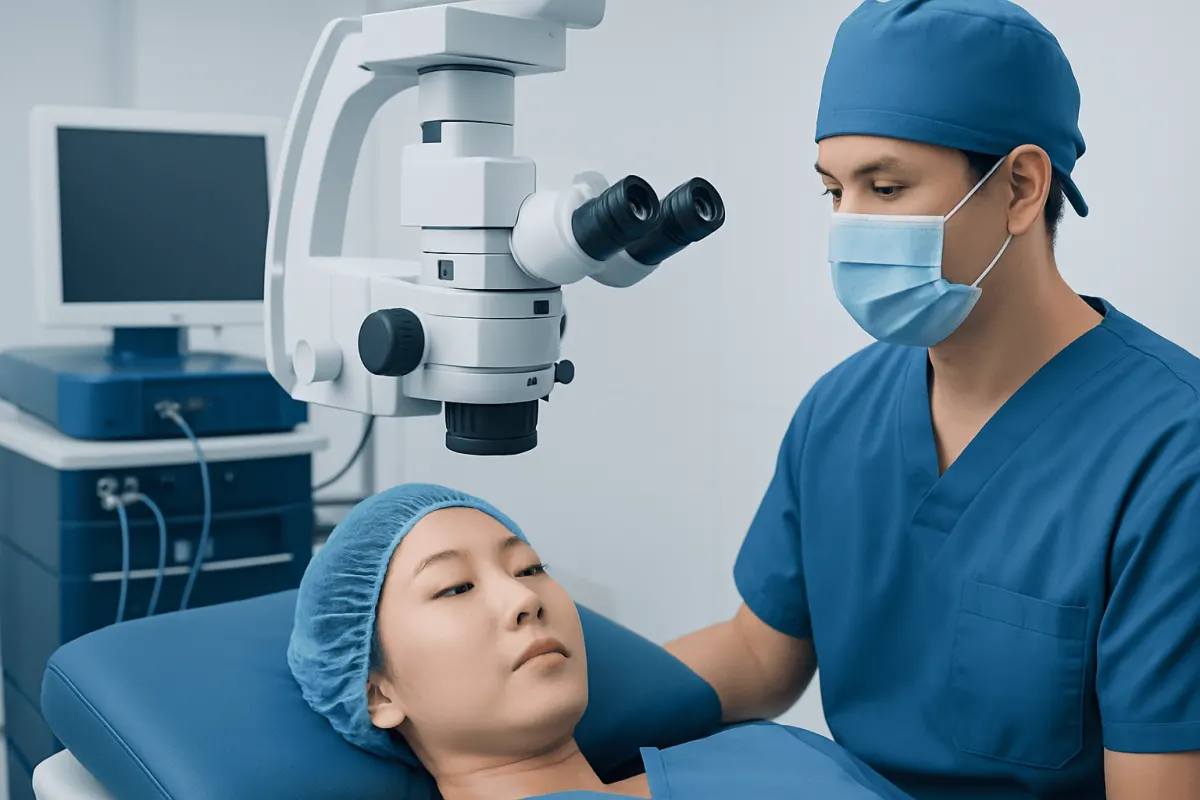
Enucleation is performed in an operating room under anesthesia. The surgeon removes the eyeball while preserving the surrounding socket structures as much as possible. The eye muscles are typically detached and reattached in a way that helps the future prosthesis move more naturally.
In many cases, an orbital implant is placed inside the socket to maintain volume and support the eyelids. A temporary conformer or dressing may be used during the early healing period. The exact approach depends on why the surgery is being done and what the surgeon sees during the operation.
After surgery, pain control, wound care, and activity guidance become the focus. If the eye was removed because of cancer, pathology results help determine whether further treatment or surveillance is needed. If the reason was trauma or a noncancerous condition, the next steps usually center on healing and later prosthetic rehabilitation.
Choosing between treatment options can feel complicated, especially for someone traveling for care. A thoughtful discussion should cover why enucleation is preferred over eye-sparing treatments, what function can realistically be preserved, and what support will be available after discharge.
Recovery, Prosthesis, and Long-Term Care
Healing after enucleation happens in stages. Early recovery often involves soreness, swelling, bruising, and a sense of pressure in the socket. These symptoms usually improve gradually with the care plan given by the surgical team.
Once the socket has healed enough, a custom ocular prosthesis is typically fitted by a prosthetist. The artificial eye is designed to match the appearance of the other eye as closely as possible in color and shape, although it will not restore vision. Some people need a few adjustments before the best fit and appearance are reached.
Long-term care includes regular follow-up to make sure the socket remains healthy, the prosthesis fits comfortably, and any discharge or irritation is addressed promptly. People should learn how to clean the prosthesis and when to remove it, but instructions can vary depending on the surgeon’s and prosthetist’s advice.
- Follow all wound-care instructions closely
- Attend scheduled appointments for healing checks and prosthesis fitting
- Report increasing pain, fever, heavy discharge, or redness
- Use protective eyewear for the remaining eye if recommended
Prevention and Self-care
Enucleation itself cannot always be prevented, because some eye injuries and cancers are unpredictable. Still, certain measures can reduce the chances of reaching that stage. Protective eyewear during high-risk work, sports, and home projects is one of the most effective steps for preventing catastrophic eye trauma.
For people with known eye disease, regular follow-up matters. Keeping appointments allows doctors to monitor changes early, adjust treatment, and respond before a condition becomes irreversible. If vision changes, pain increases, or the eye looks different, waiting is usually not the safest choice.
Self-care after surgery is equally important. It helps to follow medication instructions, avoid rubbing the socket, protect the eye area during sleep if advised, and give time for emotional adjustment. Many people find it useful to prepare practical support before surgery, including transportation, home help, and a plan for follow-up if they are returning to another country.
When to See a Doctor
Immediate medical evaluation is warranted after a serious eye injury, sudden vision loss, severe eye pain, or a rapidly changing eye appearance. These symptoms can signal conditions that need urgent treatment, and early assessment may change the outcome.
After enucleation, the surgical team should be contacted if pain becomes stronger instead of better, if bleeding seems excessive, if discharge becomes thick or foul-smelling, or if swelling and redness increase unexpectedly. Follow-up should not be skipped, even if the socket looks stable.
For people considering Eye Treatment Abroad: Which Option Fits Your Symptoms and Schedule?" class="ahp-ilk">treatment abroad, it is helpful to ask whether the center has experience coordinating surgery, pathology review, prosthesis planning, and follow-up instructions for international patients. At Acibadem Health Point, multidisciplinary specialists and JCI-accredited hospitals diagnose and treat this condition for international patients as part of coordinated care.
Living After Enucleation
Adjusting to life after enucleation is both physical and emotional. Many people are relieved to be free of pain or uncertainty, while others need time to adapt to changes in appearance and routine. Both reactions are normal, and neither means recovery is going poorly.
Support from family, mental health professionals, and the care team can make the transition easier. Some patients benefit from speaking with others who have had a prosthetic eye, while others prefer straightforward practical guidance about work, travel, and daily tasks.
With healing, prosthetic fitting, and regular follow-up, many people return to a full range of activities. The focus shifts from the surgery itself to comfort, safety, and confidence in day-to-day life.
Frequently asked questions
01Is enucleation the same as removing the entire eye socket?
No. In enucleation, the eyeball is removed, but the socket tissues, eyelids, and surrounding structures are left in place as much as possible. That is different from more extensive procedures that remove a larger area of tissue.
02Will an artificial eye restore vision?
No. An ocular prosthesis improves appearance and can help many people feel more comfortable socially, but it does not restore sight. Vision from the removed eye cannot be brought back after enucleation.
03How long does recovery usually take?
Recovery is gradual and depends on the reason for surgery and the person’s overall health. Early healing happens over days to weeks, while prosthetic fitting and final adjustments may take longer.
04Is enucleation always done for cancer?
No. Although some eye cancers do require it, enucleation may also be used for severe injury, a painful blind eye, or infections and other conditions that cannot be controlled safely in another way.
05Will the prosthetic eye move like a natural eye?
If the fit is not comfortable or the appearance changes over time, the prosthetist can often make adjustments.
06Can someone travel internationally for enucleation and follow-up?
Yes, many patients do travel for specialist eye care when coordinated carefully. It helps to plan the surgery timing, pathology review if needed, wound checks, and prosthesis follow-up before the trip home.
This article is for general information only and is not a substitute for professional medical advice. Please consult a qualified doctor about your individual situation.
Oncology care in Turkey — second opinion and treatment plan
JCI-accredited · board-certified surgeons · reply within 24h
Add us as a Preferred Source to see more of our trusted health content across Google Search, AI Overviews and Discover.


How can we help you today?
Meet an Acibadem specialist by secure video, before you travel.
Book a video visit